There’s a moment that happens on Grímsey on pretty much every workshop. We sneak up to the edge of the cliff, hidden by tall grass and the natural rise of the hill. The birds are right there on the other side, just a few metres away from our lenses. They don’t seem afraid at all, or maybe they’re just not sure yet whether they should be. It’s easy to convince yourself they really don’t care that we’re there.
But they do care. They’ve just decided we’re not worth flying off over, at least not yet. And that’s where most ethical mistakes in puffin photography happen.
Every June I run a small puffin photo workshop on Grímsey, in the same patch of cliffs, with the same colony, year after year. I’m actually heading back tomorrow for this year’s edition. Going back to the same place every year changes the way you look at things. You start to notice when a section of slope has fewer burrow entrances than the year before. You notice when birds that used to land on a particular rock no longer do. You notice the difference between a puffin standing still because it’s relaxed and a puffin standing still because it’s frozen. Over time, you also start to take the field behaviour conversation a lot more seriously than the gear conversation.
This blog is what I wish someone had handed me before my first trip to Grímsey in 2021. It’s not a list of rules. It’s more the thinking behind the rules, and the judgement calls that come with them. Honestly, most of what gets photographers into trouble isn’t deliberate disrespect. It’s not knowing what they’re looking at.
Let’s get one thing out of the way first: a lot of what follows is my opinion, after years of working with these birds. If you disagree with something, I’d genuinely welcome a respectful discussion in the comments below.
Disclaimer: some of the links in this article are affiliate links, which means I may earn a small commission if you buy through them, at no extra cost to you. As an Amazon Associate I earn from qualifying purchases. I only link to gear I actually use in the field.

Most of the actual photography on a Grímsey workshop happens flat on your stomach in the grass. Photo by Anja Robanke.
Why Puffins Are Uniquely Vulnerable To Photographers
The Atlantic Puffin is in an unusual conservation position right now. Globally, the IUCN Red List has it as Vulnerable. BirdLife’s European Red List moved it from Least Concern in 2017 to Endangered in 2021, in just four years. And on Iceland’s own national Red List, it’s been Critically Endangered since 2018.
That last one is the one to take seriously if you’re carrying a camera here. Roughly two million pairs nest in Iceland, between 40 and 60 percent of the global breeding population depending on who’s counting. So what happens on a slope in Borgarfjörður-Eystri, a cliff in Vestmannaeyjar, or a hillside on Grímsey isn’t a local concern. It’s a species-wide one.
The vulnerability comes down to a few things stacking up. Puffins are long-lived and slow-breeding. They lay one egg per pair per year, raised in a burrow dug into soft turf. The chick then lives underground for about six weeks, fed by both parents catching small fish at sea and returning with a full beak.
The whole system has been under pressure for about twenty years now, mostly because sea temperatures around Iceland have shifted and sand eels have crashed in the south. Long-term monitoring by Erpur Snær Hansen, Director of Ecological Research at the South Iceland Nature Research Centre, has shown breeding failures where chicks simply starved underground. The Westman Islands colony, once the largest in the world, has shrunk dramatically in just my lifetime.
This is the context every photographer should keep in mind before stepping onto a colony. The birds you’re photographing are already running on tight margins. Every flush, every detour, every metre a parent has to fly around you costs that pair energy they may not be able to afford.
Which is also why “but they look fine” is one of the most misleading observations in wildlife photography. Puffins aren’t theatrical about stress. They don’t shout, they don’t flap. They just don’t land where they were going to land, and you won’t ever see the version of the day where they did.

A returning parent with sand eels for the chick. Grímsey, June.

A puffin silhouetted in fog above the cliffs. Conditions on Grímsey change minute by minute.
The Non-Negotiables
There are five things I treat as completely non-negotiable on my workshops, and I think they’re the absolute baseline for anyone visiting a puffin colony with a camera.
Stay Back From Burrow Entrances
This is the one most photographers genuinely don’t know about. The soil puffins nest in is soft, and sometimes it’s barely held together by grass roots. Foot traffic on the slope above a colony can collapse burrows, sometimes with chicks or eggs inside, and sometimes weeks after the fact when the roof gives way in rain. Try to walk on rock and bare paths anywhere you can. If you can see burrow entrances near your feet, you’re already too close. The right move is to back off slowly, not to pick your way through.
Lie Low And Wait. Don’t Approach.
Standing photographers basically force birds to flush, freeze, or stop coming in to feed. Lying photographers, after a few minutes of stillness, just get treated like terrain. The birds come to you. And if you do accidentally startle them and they don’t come back after a few minutes, the right move is to leave the area and give them space. This isn’t only the ethical approach, it’s also a much better way to actually get the shots. Which is partly why my six tips for puffin photography lean on it heavily.
No Calls, No Playback, No Baiting, No Food
Some bird photographers use audio playback or recorded calls to attract birds. On an active puffin breeding colony, this is just harmful. It pulls parents away from chicks and triggers territorial behaviour, at a real cost to the birds. The same goes for any form of baiting or feeding. If you’ve seen any of this in a YouTube tutorial, the tutorial is simply wrong.
Don’t Block The Flight Line Between Sea And Burrow
Puffins basically commute. They leave the burrow, fly out to the fishing grounds, return with food, and dive back into the burrow. There are specific flight paths between the colony edge and the open water, and a photographer standing in one of those is a real problem. Every approaching bird then has to either abort, detour, or risk a collision. Watch the slope for two minutes before you set up anywhere. The line will be obvious once you start looking. Don’t sit in it.
No Drones Near Colonies
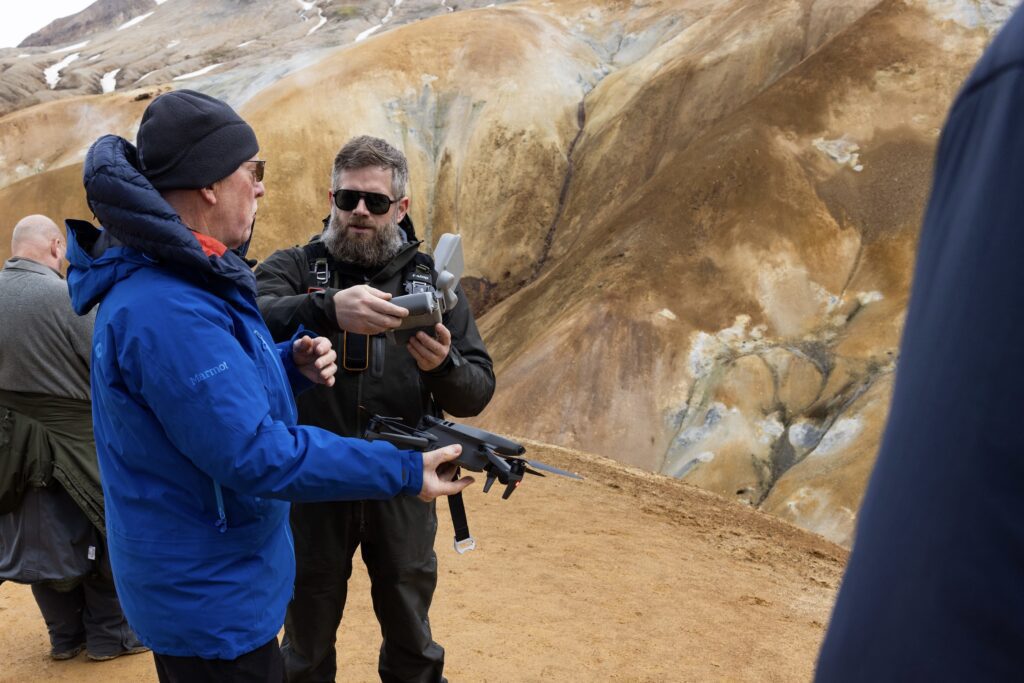
First of all, flying drones near bird cliffs is actually illegal in Iceland. I’ve gone into the specifics of Iceland’s drone regulations here, but the short version is that you cannot fly anywhere near an active seabird colony, full stop. Even outside of Iceland, where the rules are looser, I personally wouldn’t fly near a puffin colony, or any bird colony for that matter. As a licensed drone operator who has flown a lot in Iceland and elsewhere, I can tell you drones trigger flush responses no ground-based photographer could ever produce. The birds see them as aerial predators. The shot really isn’t worth it.

On the cliff edge above an active colony, well back from the burrow entrances.
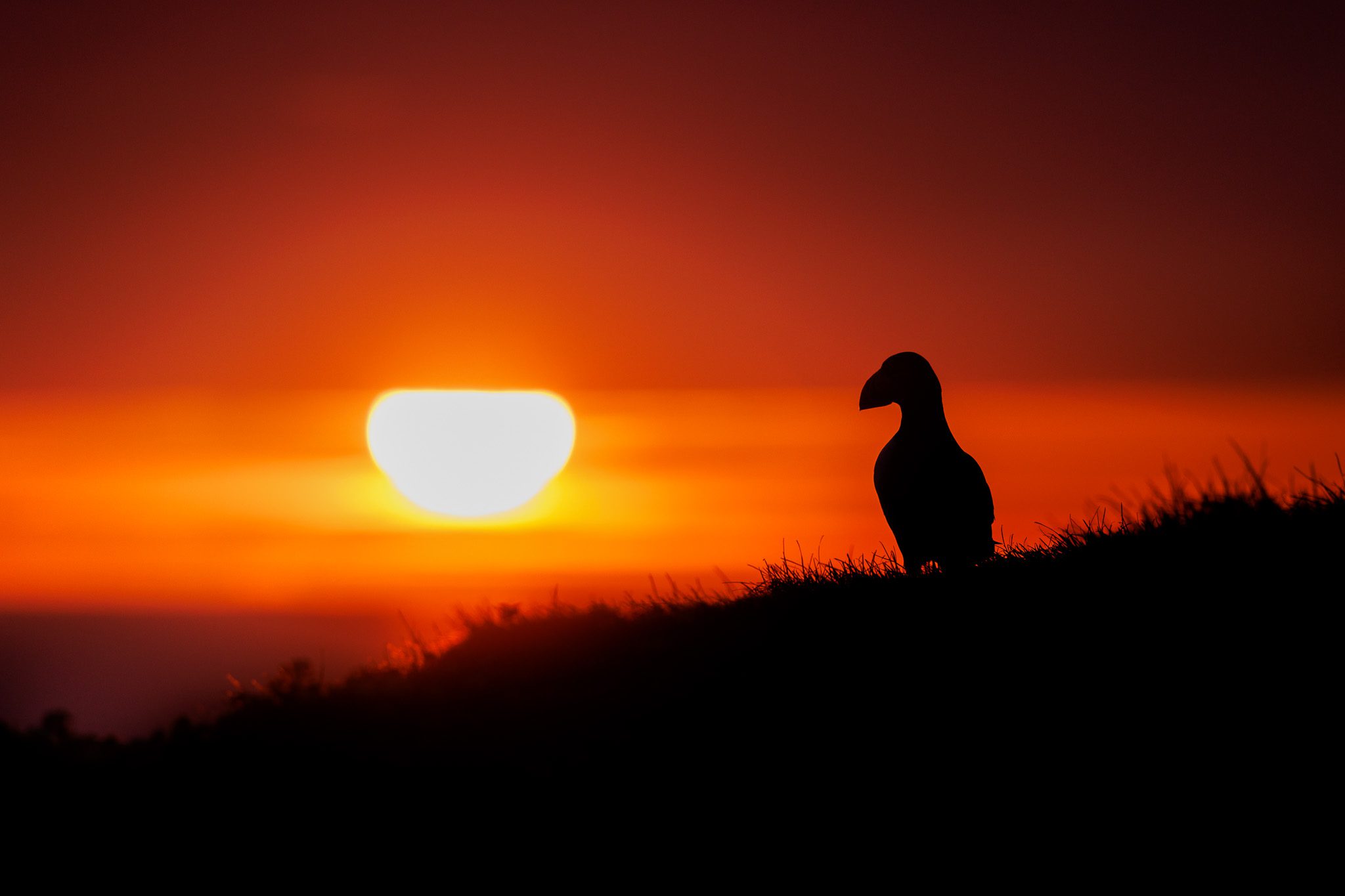
Watching a colony from a safe distance in the midnight sun. Photo by Anja Robanke.
The Judgement Calls
The non-negotiables are the easy part. The more interesting stuff is everything in between. That’s where reasonable photographers disagree, and where most of my workshop conversations actually happen.
Wide-Angle Close Vs Long-Lens Distant
A wide-angle frame of a puffin at one metre and a 600mm frame of a puffin at fifteen metres can look surprisingly similar after cropping. But the first option requires you to be right on top of the bird, and the second doesn’t. These days I shoot Grímsey mostly with the RF 100-500mm on the R5 Mark II, often with the 2x extender stuck on for more reach. (Some of the puffin shots in this post are actually from a previous trip with the RF 100-300mm F2.8.) The reason isn’t image quality. It’s that long lenses let you stay back where the birds are still calm. Wide-angle puffin shots do have their place, but only with birds that have approached you voluntarily. Which brings me to the next point.
When Puffins Approach You
This will absolutely happen on Grímsey if you lie still for long enough. Curious puffins will come right up to your lens, sometimes within just a few centimetres. The wrong instinct here is to back away (that tends to startle them). The right move is to stay completely still and shoot at minimum focus distance. You haven’t done anything unethical by being there. They chose to come and investigate you. Don’t move, don’t reach out, and don’t make any sounds. Just photograph, and let them lose interest in their own time.
Reading Body Language
A relaxed puffin preens, stretches its wings, head-bobs, interacts with its neighbours, and walks around. A stressed puffin stands still with its head up, watching one direction (usually towards you), and doesn’t preen or feed. This standing-still-and-watching is the warning sign that people miss most often, because it looks pretty much identical to “posing for the camera.” But if a bird holds that posture and isn’t doing anything else, then you’re the problem. Back off slowly until it goes back to normal, then stop and reassess. Reading these signals fast is one part. Being set up to respond without fumbling for buttons is the other, which is partly why custom modes changed how I work landscape and wildlife photography.
When The Same Bird Keeps Coming Back
One of the things you start to notice once you’ve spent a few days on a colony is that puffins are pretty individual. They have favourite landing spots, particular flight paths, and recognisable little patterns of behaviour. This becomes useful when you’re trying to photograph the classic shot of a puffin with a beak full of sand eels or shrimp, which is the food they’re bringing back for the chick.
But there’s a responsibility here too. If you notice the same bird returning again and again to more or less the same spot with food, without it entering a burrow you can see, that almost always means its burrow is somewhere right behind or near where you’re sitting, just out of view. The bird is doing what it needs to do, but you’re forcing it to make repeated approach decisions with you in the way. The right call is to move away from that spot, and let it get on with feeding the chick without an audience. There are always other birds to photograph.
Flash
Just don’t. There’s really no situation on a puffin colony where flash is necessary, and there are several where it’s actively harmful. Particularly around parents who need their night vision for getting in and out of burrows during the polar twilight. The midnight sun gives you all the light you need anyway, which is the entire point of going in June.
Social Media And Geotagging
My views here match what I wrote in Why I Don’t Share (Some) Photo Locations. For places that are already on every tourist map, geotagging doesn’t really change anything. Grímsey is one of those, it sits far from the mainland and isn’t the most convenient place to reach, which keeps mass tourism away naturally. But for less-known birding locations, geotagging specific cliffs, specific burrow areas, or specific spots that took locals years to find can absolutely change footfall on a site. My friends Einar and Gyða, who know Grímsey better than just about anyone, have spent decades getting to know these places.
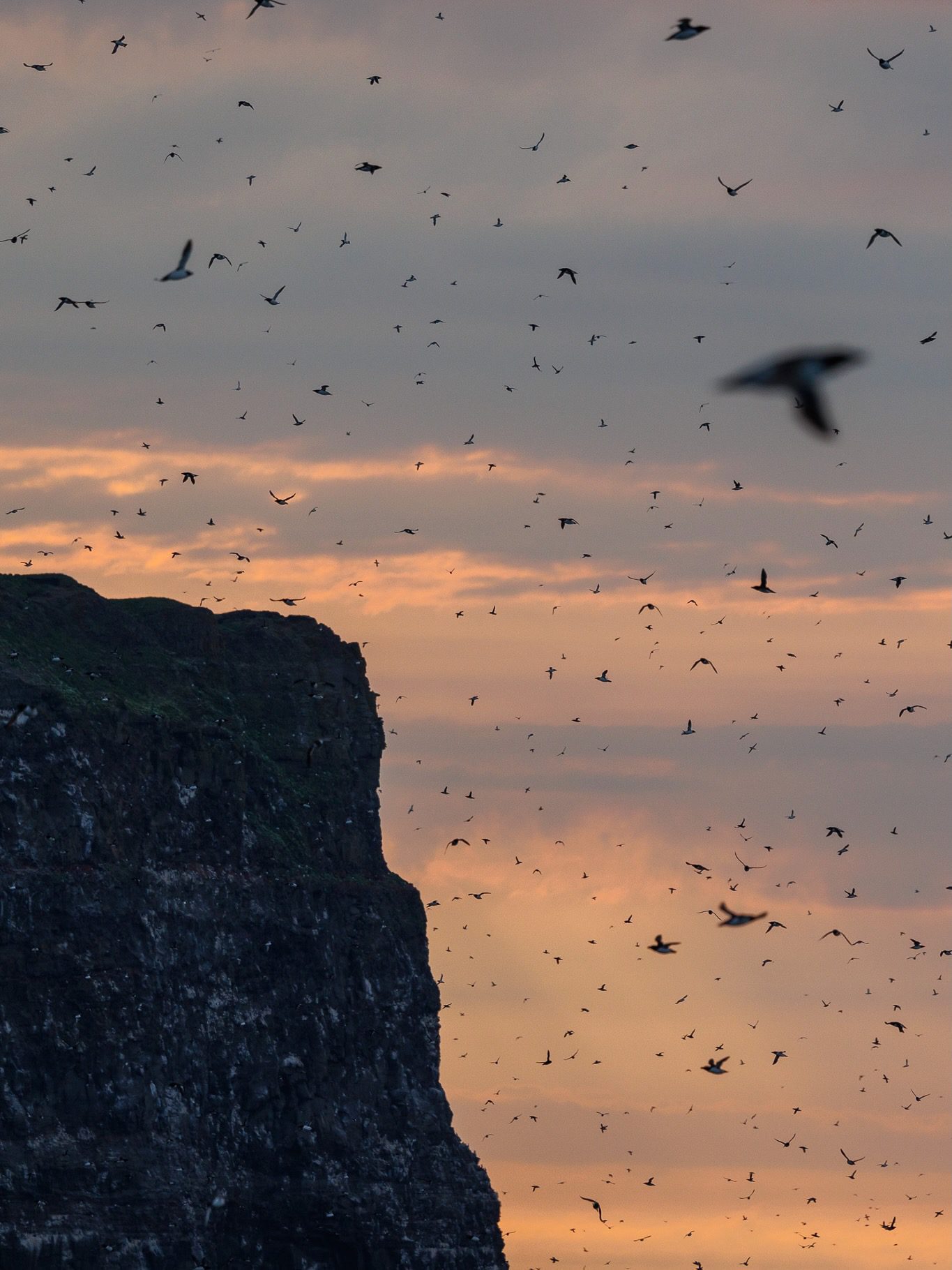
Puffins commuting between the sea and the colony in the midnight sun.

A close portrait at minimum focus distance, after the bird walked towards me on the slope.
What I Teach On My Workshops
The reason I run the puffin workshop the way I do, with a small group, a full week on one small island, and no rushing between locations, is because ethical field behaviour mostly comes down to time. Photographers who feel rushed tend to take shortcuts. Photographers who know they still have six more days of midnight sun ahead of them take their time.
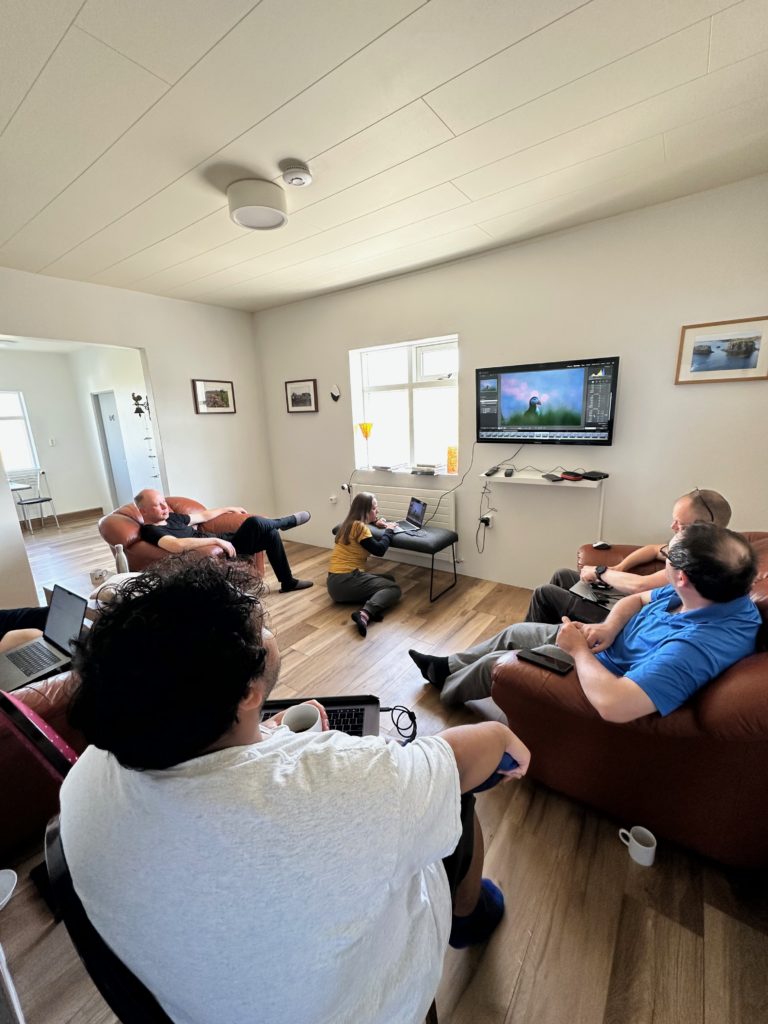
On day one, before anyone touches a cliff, we do a briefing in the guesthouse. We cover how the burrows work, body language, all of the non-negotiables above, and the day’s plan. Then we walk out to Básavík slowly, stop above the colony, and spend the first fifteen minutes just watching, with no cameras up at all. You can feel the group’s pace settle. After that, getting the photographs is the easy part.
By day three, the participants are reading puffin body language better than most photographers who’ve been doing this for years. By day five, they’re gently correcting each other in the field. To me, that’s the actual product of a workshop, not the shots themselves. The shots are just a result of how you work the colony. If you want a sense of what a week on the island actually looks like, you can read my report from the 2024 edition.
These principles travel, by the way. If you’re heading to Skomer in Wales, the Farne Islands off Northumberland, or the puffin colonies on Eastern Egg Rock and Machias Seal Island off the coast of Maine, the framework is pretty much the same. Distance, stillness, no flushing the birds, no drones, and reading the body language. Different colonies will have different local rules about paths and roped-off areas, and you should respect them, no exceptions. The cliffs change. The ethics don’t really.

The kind of frame that happens when you stay long enough in one place to be ignored.
Shoot With Me
Put This Lens On Real Subjects
A long lens only proves itself in the field. On my Iceland, Greenland and Antarctica workshops we can shoot puffins on the cliffs, arctic fox at distance, penguins and seals from Zodiacs, and even orcas if we’re lucky. As small as possible groups, ethical fieldcraft, and the kind of patience that turns a decent lens into a portfolio.

A Short Code Of Conduct You Can Screenshot
Save this somewhere. Read it before each session in the field:
- Stay on rock and worn paths. Soft turf hides burrows.
- Lie low. Wait for birds to come to you. Don’t approach.
- No calls, no playback, no baiting, no food. Ever.
- Watch the flight line between sea and burrow for two minutes before setting up. Don’t sit in it.
- No drones near colonies. It’s illegal in Iceland, and harmful everywhere else.
- No flash.
- If a bird stands still and watches you instead of preening or feeding, back off slowly.
- If you accidentally startle birds and they don’t come back within a few minutes, leave the area.
- If the same bird keeps returning to the same spot with fish but you don’t see it entering a burrow, you’re sitting near a hidden one. Move.
- Stay longer in fewer spots. Don’t walk through colonies looking for “better” angles.
Frequently Asked Questions
How Close Can I Get To A Puffin Without Disturbing It?
In my opinion, distance isn’t really the right metric. Behaviour is. Some puffins will tolerate you at three metres, others won’t tolerate you at twenty. The best advice is to lie low, stay still, and let the bird’s body language tell you. If it stops preening and starts watching you, you’re already too close, regardless of how many metres away you are.
Is It OK To Lie Down In The Grass Near A Colony?
Yes, as long as you’re not lying on burrow entrances or on the soft turf directly above them. Try to look for bare patches, rock, or worn paths first. If you can’t find one and your only option is soft slope, then you’re probably in the wrong spot.
Can I Use A Drone To Photograph Puffins?
No. The birds see drones as aerial predators, and drones cause flush responses no ground-based photographer could ever produce. There’s really no situation on or near an active colony where a drone is appropriate.
Do I Need A Guide To Visit Grímsey?
Not at all. The island is small, the puffins are everywhere, and the locals are very welcoming. I’ve written about visiting solo in Grímsey: A Puffin Paradise on the Arctic Circle and about why Grímsey is the best puffin location in Iceland. A guided workshop changes the pace and how you approach the colony, but the island itself is accessible to anyone willing to take their time.
When Is The Best Time For Puffin Photography In Iceland?
Mid-June through mid-July, during the midnight sun. Earlier in the season the birds are still pairing up and excavating burrows. Later in the season the chicks fledge and the colony empties pretty quickly. That two-week window in June is when light, behaviour, and population density all line up.
The Photograph Isn’t Worth It
Every photographer reading this has, at some point, been in a position where one more step would have gotten them a slightly better shot, at a cost the bird would have paid. I’ve been in that position myself. Most of us have taken that step at least once, and most of us regret it more than any frame we missed by staying put.
The photograph really isn’t worth it. The colony will be there next year, and the year after, but only if enough of us decide it isn’t worth it.
If you’d like to spend a week practising all of this in the field with me, my Puffins in the Midnight Sun photo workshop takes a small group to Grímsey every June. You can find the upcoming dates and see how this year’s went in my workshop report.
Why Book An Iceland Photo Workshop With A Professional, Award-Winning Photo Tour Leader?
Booking an Iceland photo workshop with Jeroen Van Nieuwenhove means learning in the field from a professional photographer who lives in Iceland and has nearly 15 years of experience photographing the country in all seasons. From winter storms and northern lights to midnight sun and volcanic landscapes, his workshops are built around genuine local knowledge of Iceland’s light, weather, roads, and changing conditions. Participants improve composition, camera technique, and fieldcraft while creating strong portfolio-ready images.
Jeroen’s work has received international recognition and awards, and his photography has been widely published and featured. More importantly for participants, he knows how to turn Iceland’s challenging conditions into photographic opportunities. Rather than following a rigid itinerary, each Iceland photo workshop is adapted to weather, seasons, road access, and the best available light. This flexibility helps place participants in the right location at the right time, whether photographing waterfalls, glaciers, black sand beaches, wildlife, highlands, or volcanic activity. Small group sizes allow for personal guidance, practical advice, and optional post-processing support.
Every workshop places a strong emphasis on professional leadership, safety, and responsible travel. Jeroen is fully licensed to operate in Iceland and is Wilderness First Aid certified. Routes and daily plans are carefully assessed to balance photographic potential with safety and access, allowing participants to focus fully on photography with confidence.

Small-Group Iceland Photo Workshops Designed For Photographers
Jeroen’s Iceland photography workshops are intentionally designed around small group sizes, allowing every participant to receive meaningful guidance and personal feedback throughout the experience. Rather than moving large groups through crowded viewpoints, these workshops focus on creating an environment where photographers can truly learn, experiment, and develop their skills in the field.
Smaller groups also make it easier to adapt quickly to Iceland’s fast-changing weather, reposition for wildlife opportunities, and respond when dramatic light appears. Participants benefit from hands-on instruction in real shooting conditions, whether photographing puffins, Arctic foxes, glaciers, waterfalls, volcanic eruptions, black sand coastlines, or the northern lights.
Jeroen works closely with each photographer to refine composition, improve technical settings, and understand how to work with Iceland’s unique light and conditions. Small groups also allow the itinerary to remain flexible and photography-driven. Instead of rushing between locations, time can be spent waiting for the right light, revisiting locations when conditions improve, or following unexpected opportunities that nature provides.
The result is a far more immersive Iceland photography experience where participants can focus fully on improving their photography while exploring one of the most extraordinary landscapes on Earth.

Discover Jeroen’s Photo Workshops in Iceland, Greenland & Beyond
Ready to take your photography to the next level? Join me, Jeroen Van Nieuwenhove, on unforgettable photo workshops in Iceland, Greenland, Antarctica and other exciting destinations. Whether your passion is wildlife photography, bird photography, landscape adventures, or mastering drone photography, each workshop is designed to give you hands-on guidance in some of the world’s most spectacular locations.
From puffins in the midnight sun to Arctic foxes in the wild, from glaciers and volcanoes to dramatic coastlines seen by drone – these journeys are more than workshops; they’re once-in-a-lifetime experiences. Group sizes are kept small, ensuring personal mentoring and plenty of shooting opportunities.
Looking for something specific? Check out Jeroen’s…
- Wildlife & Bird Photography Workshops (Puffins, Arctic Foxes)
- Drone Photography Workshops
- Photo Workshops in Iceland
- Photo Workshops in Greenland
- Photo Workshops in Antarctica
Spots are limited – secure your place today!
Are You Looking For A Specific Photo Workshop?
All Upcoming Photography Workshops With Jeroen
Explore all upcoming photography workshops with Jeroen and take your skills to the next level in some of the world’s most extraordinary locations. From the volcanic landscapes of Iceland to the ice-filled fjords of Greenland and the wildlife-rich polar regions such as Antarctica, each workshop is designed to help you grow creatively while experiencing unforgettable moments in the field. Browse all upcoming departures below and find your next adventure!
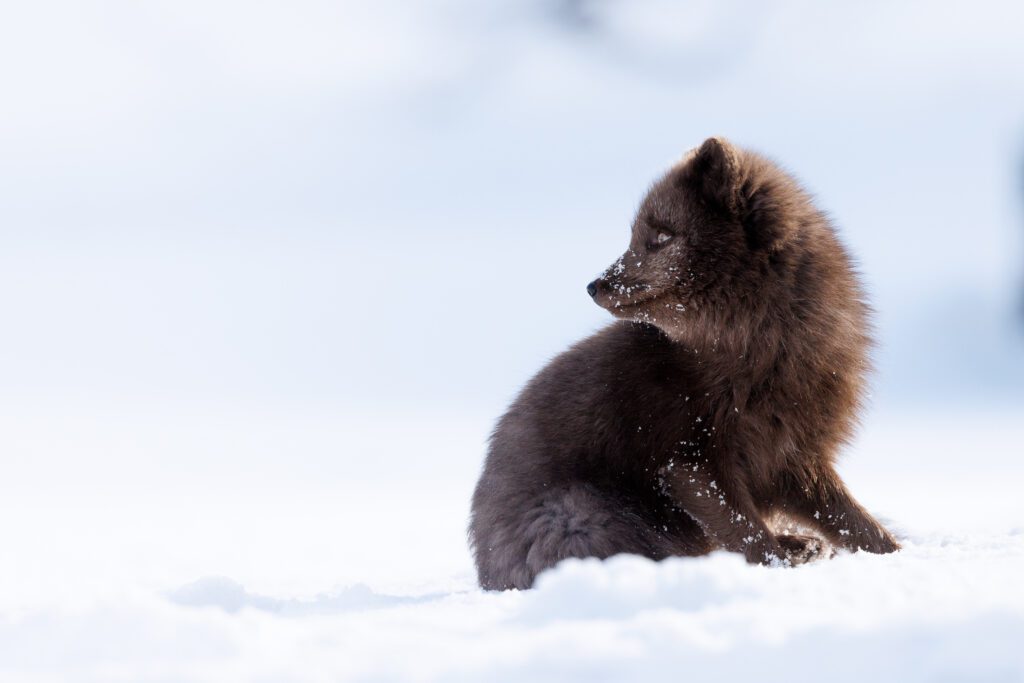
LAST SPOTS
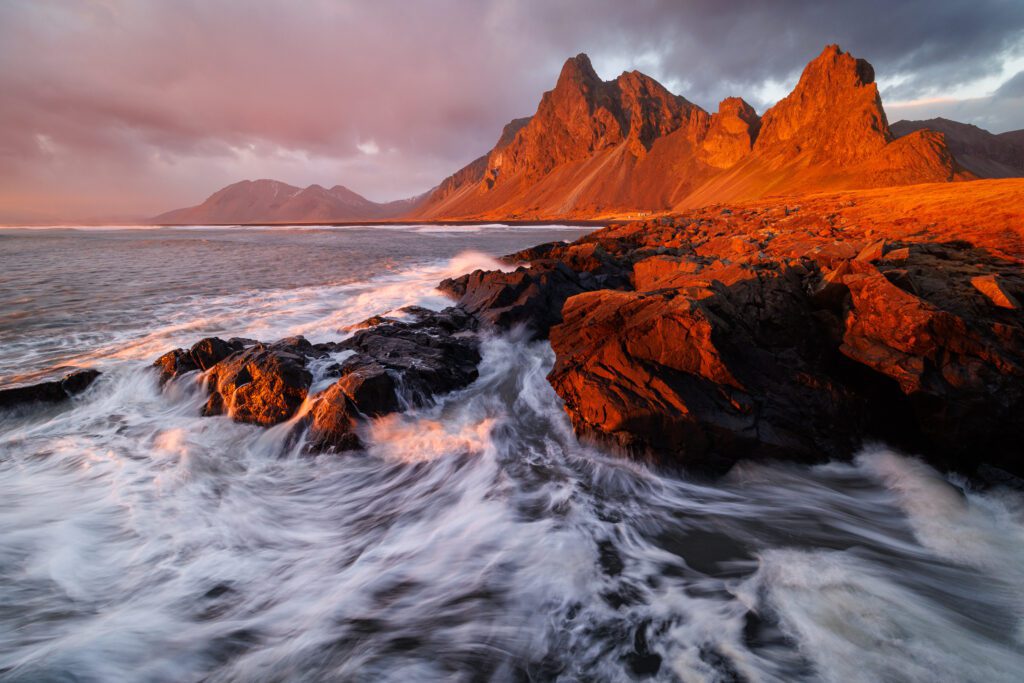
LAST SPOT
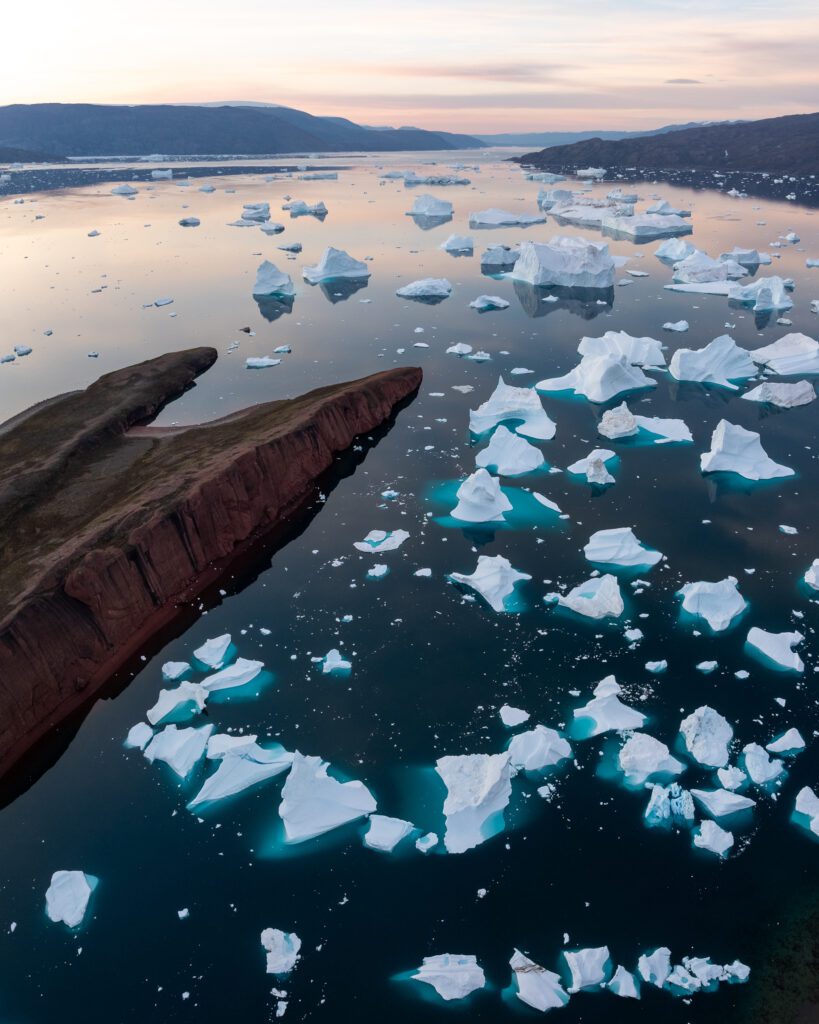
LAST SPOTS
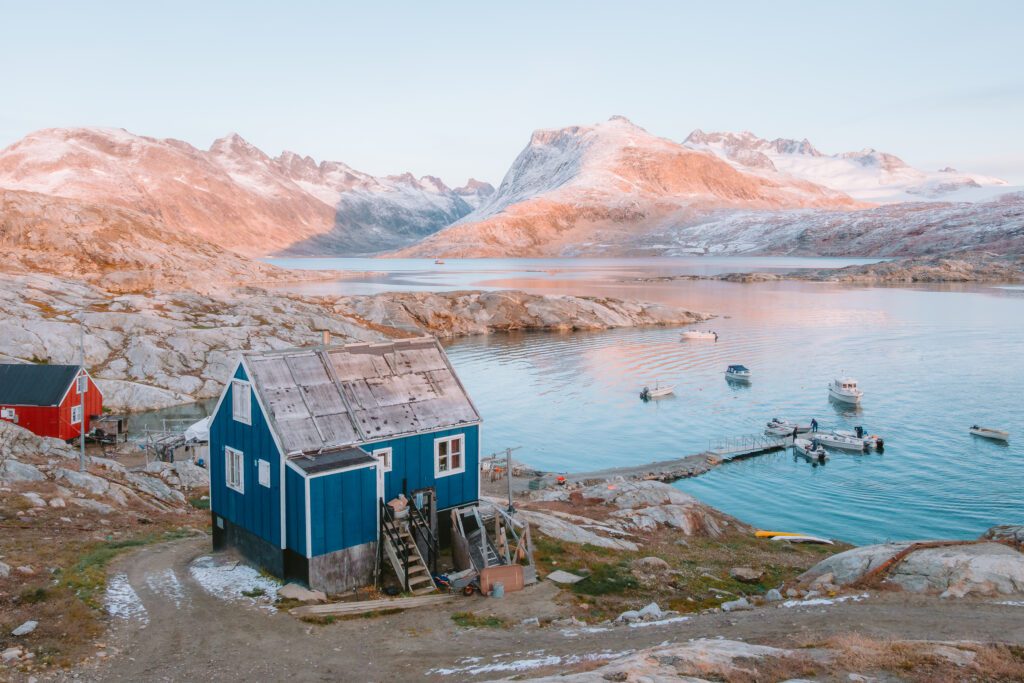
OPEN FOR BOOKINGS
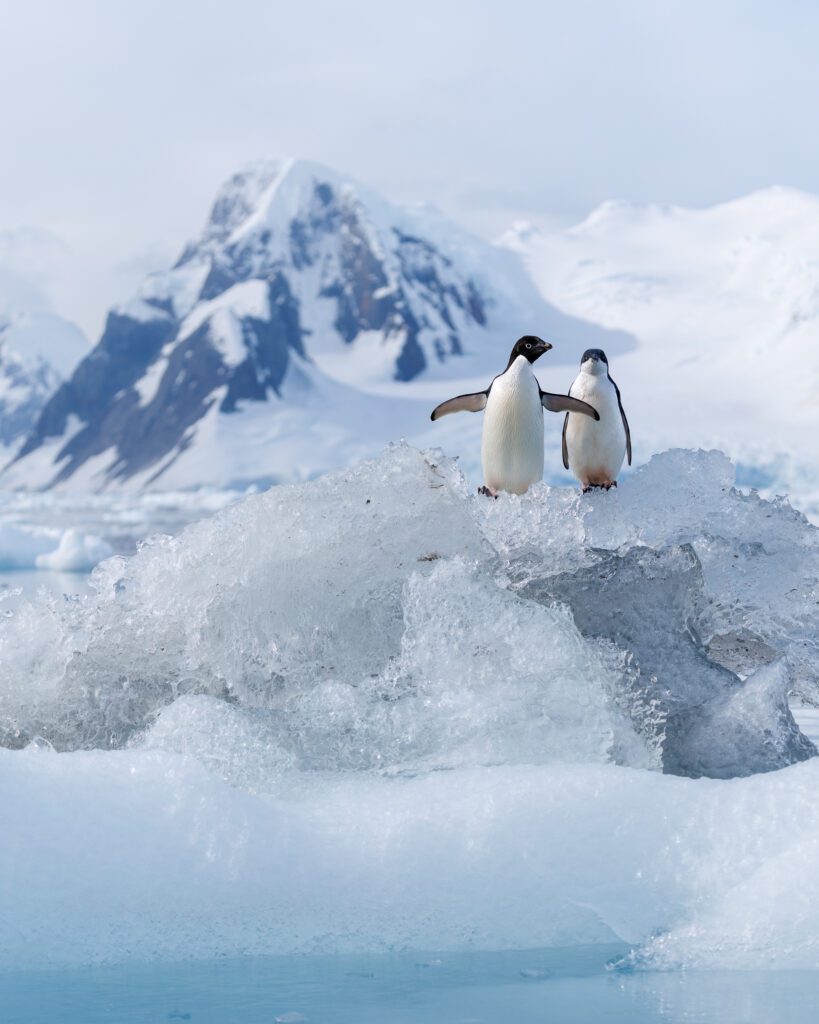
OPEN FOR BOOKINGS
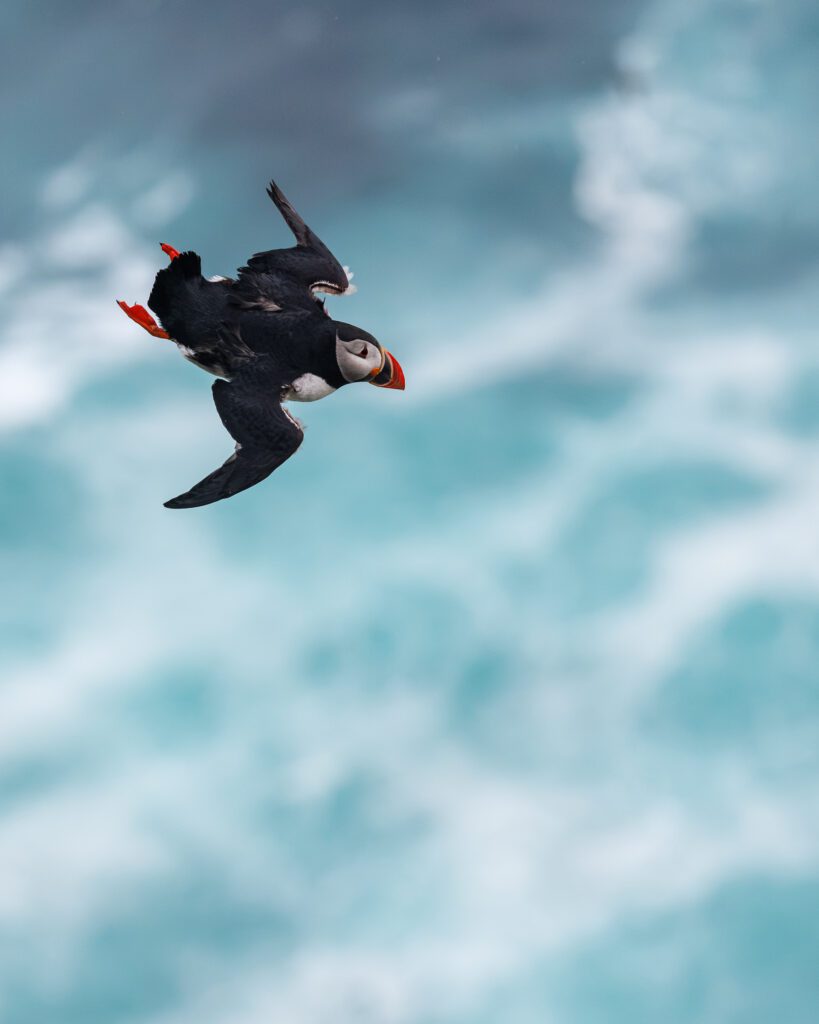
LAST SPOTS
WAITLIST
WAITLIST
WAITLIST
WAITLIST
WAITLIST
WAITLIST
WAITLIST
What Previous Puffin Workshop Participants Said…
What Previous Photo Workshop Participants Said…
Choosing the right photography workshop is about more than just visiting iconic locations. It’s about experience, safety, timing, and personal guidance. Below you’ll find honest reviews from photographers who have joined me on landscape, wildlife & drone photo workshops in Iceland, Greenland and other locations. These testimonials reflect real experiences in small groups, hands-on instruction in challenging conditions, and the level of care Jeroen aims to bring to every workshop.
These reviews are verifiable on Jeroen’s public Google Business profile.


Support Jeroen’s Work
As an independent photographer, Jeroen partially relies on your support to keep producing worthwhile content such as blogs, photographs, books and much more. If you want to support his work, it is possible to do so by buying his e-books & books.
You can also sign up to the newsletter to stay up to date on new blog posts, projects, workshops and other interesting information.
Thank you for considering!