
Here’s a message I bet a fair few travelling photographers have typed into a search bar the night before a Greenland trip: ‘Is my drone licence valid in Greenland?’. I get some version of that question about Iceland every week, so let me save you the same scramble for Greenland. The short answer is no, your EU certificate isn’t valid there. The better news is that, for the flying most photographers do, you don’t need a licence or a permit at all. Greenland has surprisingly few hoops, as long as you know the handful of rules and stick to them.
That’s where a workshop can help, though not in the way you might expect. I run photography workshops in Greenland every summer, including a West Greenland trip out of Ilulissat on the edge of Disko Bay. I’m not there to file paperwork for you, there’s barely any to file. Where I actually add value is the flying itself: the teaching, knowing which spots and hours are worth it, and the genuinely tricky part, helping you launch and land your drone from our moving chartered boat among the icebergs & whales.

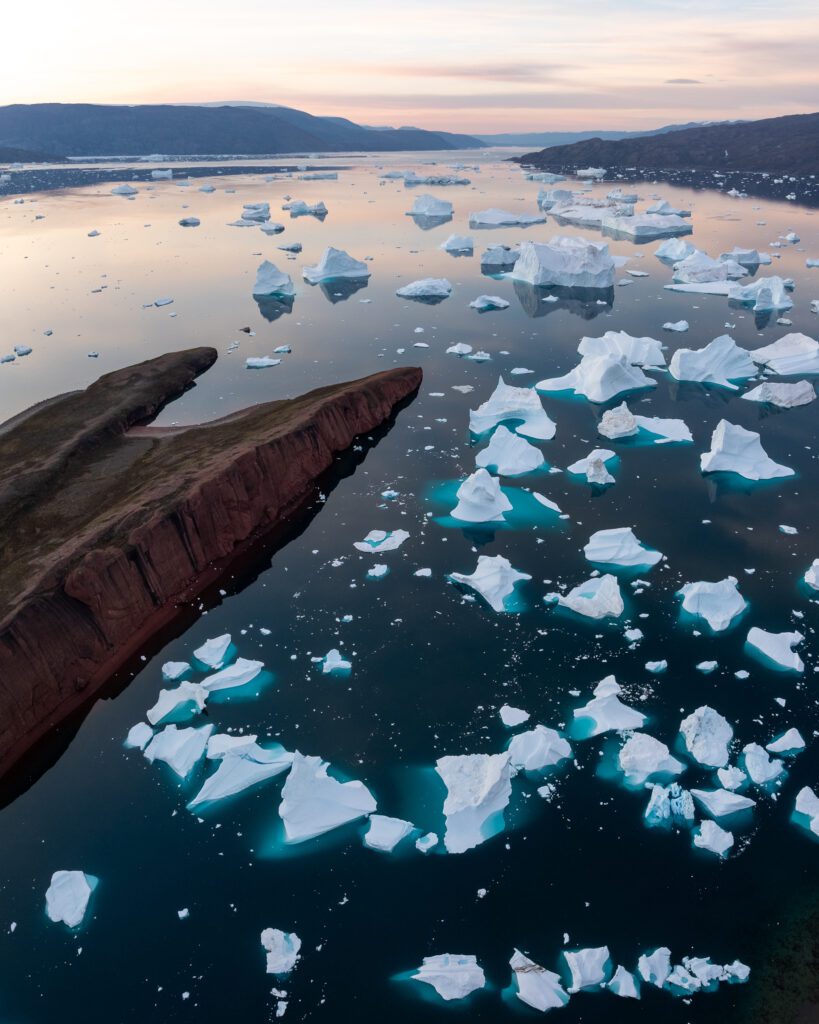
Icebergs catching the last light in East Greenland, from the air.

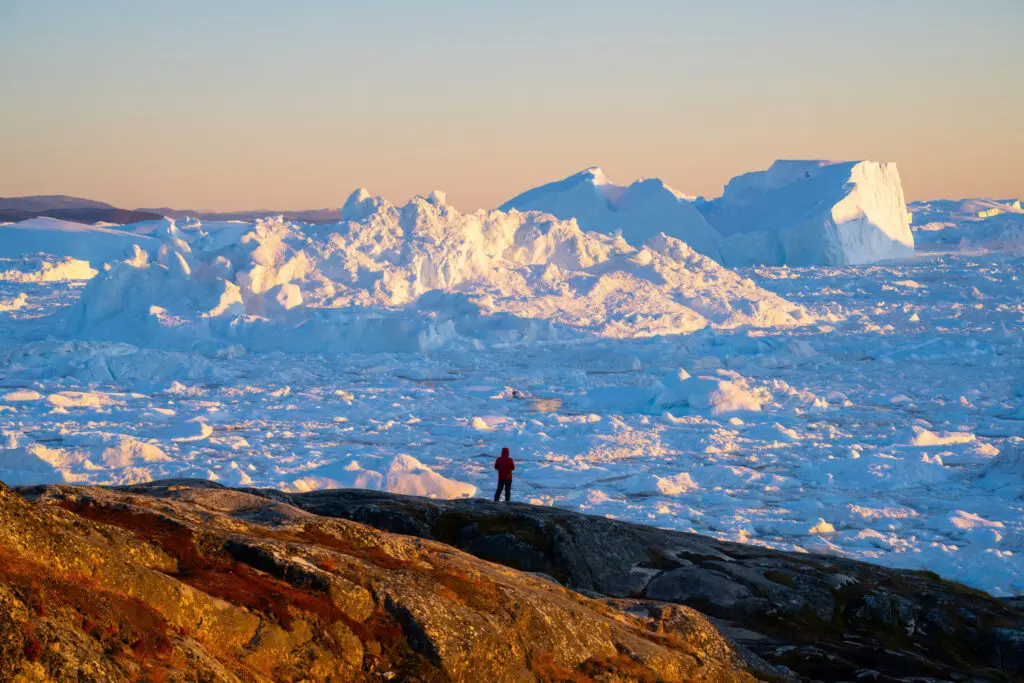
A lone iceberg in the Ilulissat Icefjord at twilight.
Why Greenland Is Not Iceland With More Ice
I fly in Iceland under EASA’s rules, the same as most of you reading this. Despite being a part of Denmark, Greenland sits outside the EU and that single fact is why none of your EU paperwork travels with you. Flying there is governed instead by Danish regulation BL 9-4, covering unmanned aircraft up to 25 kg, made under the Danish Aviation Act. Different country, different legal system, different people writing the rules. (Iceland has its own rules too, worth knowing if your trip touches both places, which a lot of mine do.)
Your European A1/A3 certificate doesn’t apply. Your A2 doesn’t apply. There’s no Greenlandic licence or certificate to go and get instead, so don’t waste an afternoon hunting for one. You operate under BL 9-4’s own rules, plus an exemption process for anything outside of those rules.
The Short Version Of The Rules
Greenland is not covered by EU or EASA drone rules. Drone flying here is governed by Danish aviation regulation BL 9-4, and protected natural areas sit under BL 7-16. Whatever licence you hold in Europe, it stops working at the border.
- No recreational flying within urban areas, full stop.
- Maximum altitude is 100 metres above ground level. Higher needs an exemption backed by a JARUS SORA risk assessment, and that includes flying beyond visual line of sight.
- Don’t overfly people or property.
- Stay at least 150 metres from built-up areas and major public roads.
- Keep 5 km clear of public airfield runways, 8 km clear of military airbase runways.
- Some natural areas are protected under BL 7-16 and cannot be overflown without permission. Three are named specifically: the National Park of North and East Greenland, Melville Bay and Angujaartorfiup Nunaa, southwest of Kangerlussuaq. Drones may not be used to film or otherwise pursue polar bears anywhere in Greenland, under section 4 of Executive Order no. 3 of 14 September 2018.
None of these numbers are arbitrary, in my eyes. 100 metres keeps you under the light-aircraft traffic that does a lot of the work roads do elsewhere. 150 metres from built-up areas matters in a town like Ilulissat, where the harbour, the church and the edge of the ice sit closer together than you’d plan for on a map. And the 5 km / 8 km airfield buffers exist because Greenlandic settlements, Ilulissat included, depend entirely on their airstrip.
Most camera drones, your Minis, Airs and Mavics, sit in weight class 1A (0 to 1.5 kg) or 1B (1.5 to 7 kg), the bracket all of the above applies to. I fly a DJI Mavic 4 Pro for this exact class of work, and my Mavic 4 Pro review covers how it holds up in Arctic conditions. Heavier rigs move into weight class 2 (7 to 25 kg), which brings a stricter regime of its own: approved model airfields only, liability insurance and a radio control system, and operating under an approved organisation (those same extra rules apply to any jet-powered drone, whatever it weighs). Anything over 25 kg needs its own exemption, a conversation to have with the Danish authority long before you pack a case, not from a hotel room in Ilulissat.

Three humpback whales off West Greenland, a frame only the drone could reach.

Our boat picking a line through the ice near the Eqi glacier.
Airfields, Heliports and DJI’s No-Fly Zones
The airfield distances are the rule most likely to catch you out, because in Greenland the settlements are built around their airstrips and heliports. Because the settlements are often not large, it’s also not quick to get away from these areas unless you are on a boat or going on a longer hike. BL 9-4 keeps you at least 5 km from public airfield runways and 8 km from military airbase runways, and in a lot of places that circle sits right over where you’d most want to fly: the town, the harbour, the ice just offshore.
There’s a second layer on top of the law, and it lives inside your drone. DJI’s FlySafe database maps geo zones around airports and heliports worldwide, Greenland included, and depending on your drone, its firmware and the region, it can warn you, cap your altitude, or refuse to take off inside one. The zones are usually tiered: a hard no-fly core over the runway, then altitude-limited rings that stretch out along the approach and departure lanes. You can be well clear of the town and still find the drone limited because you’re sitting under a landing corridor.
So do two things before you fly: check the DJI FlySafe map for wherever you’re headed, and understand the BL 9-4 distances yourself. The database and the law don’t always agree, so treat both as hard limits.

The DJI FlySafe zones around Ilulissat: a no-fly core over the runway, restricted rings around the airport, and the approach corridors reaching out along the flight path.
Taking Off & Landing From a Boat
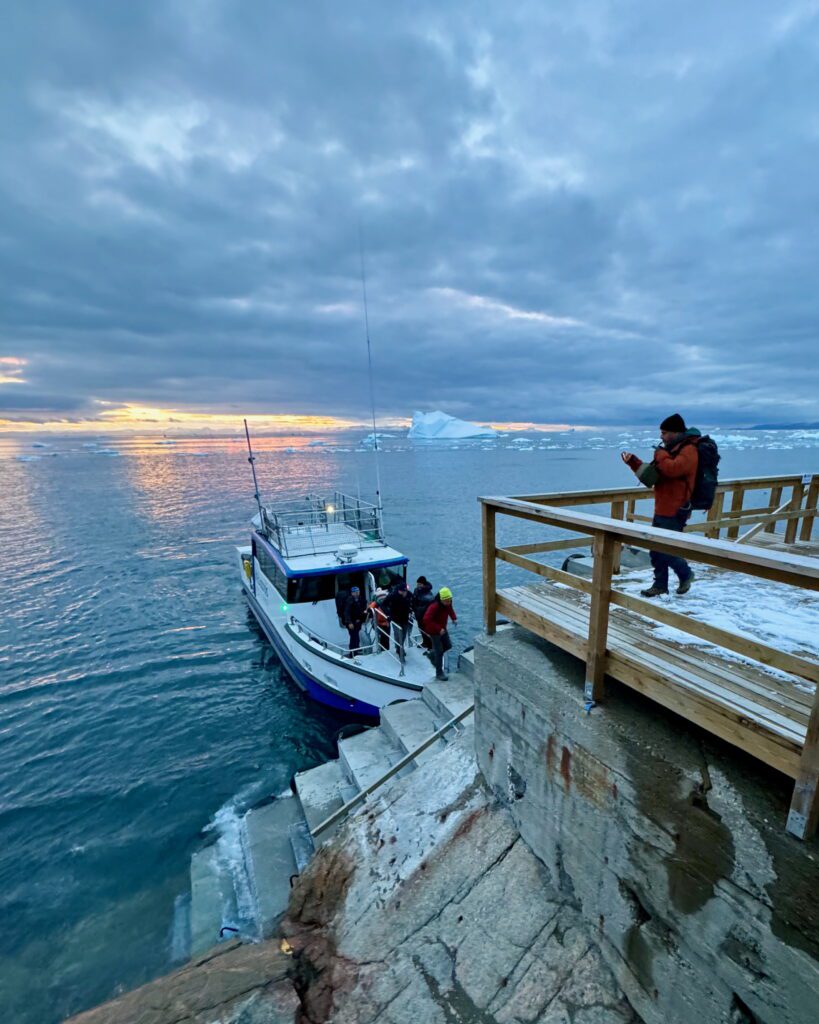
On the water in Disko Bay, most of the drone work happens from the boat, and not because you have to. You can fly perfectly well from shore. It’s that a boat gets you closer to the most striking icebergs and lets you drop right down to the waterline, where the best angles are. The catch is that once you’re out there, there’s nowhere to set a drone down: the ice is drifting, the deck is moving, and there’s open water on every side. So you hand-launch and you hand-catch, straight off the boat.
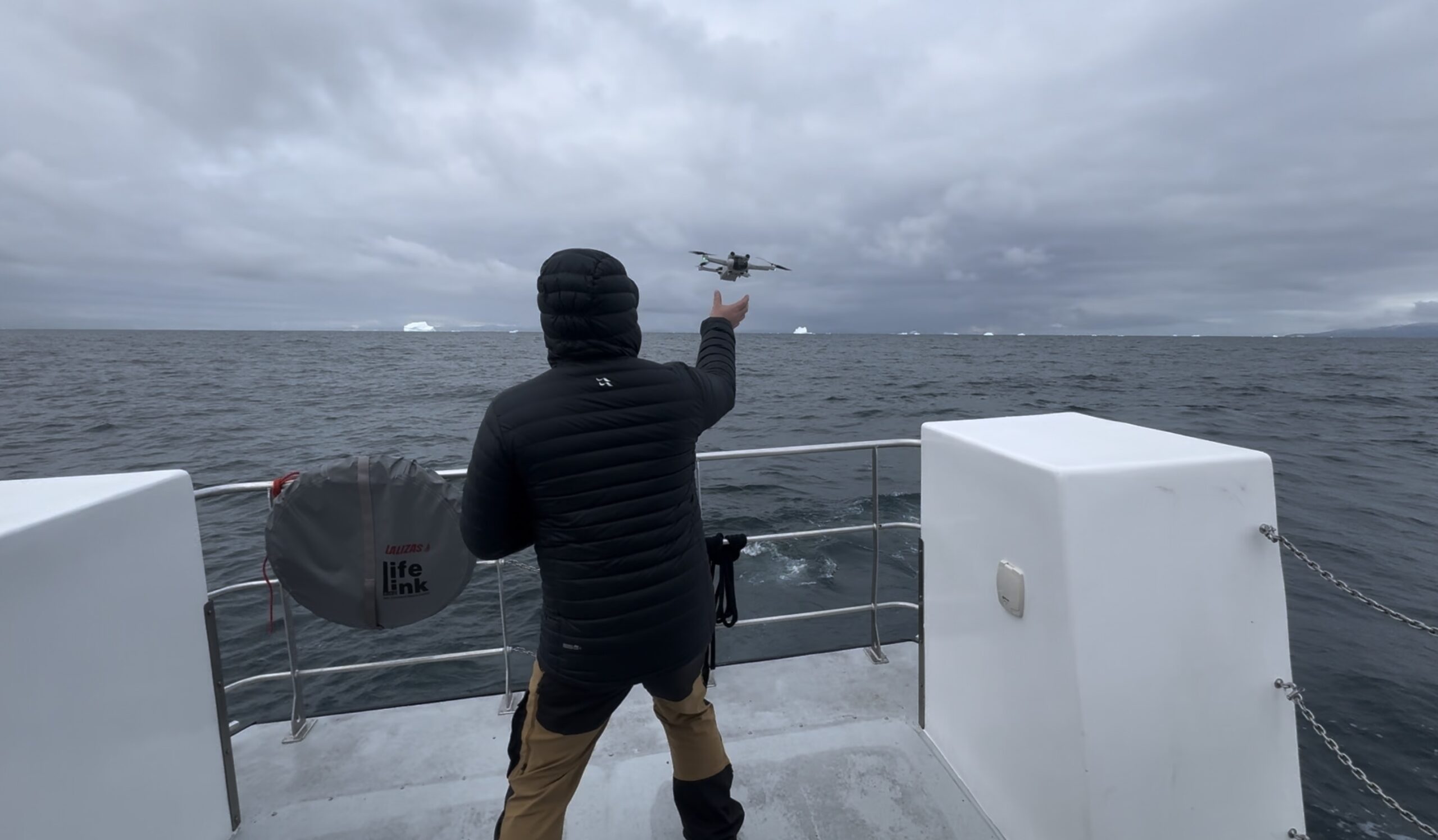
Here I am landing a drone at the back of our chartered boat in West Greenland during a rather stormy day with swells and lots of movement.
To be clear: it sounds a lot scarier than it turns out to be. Handing a spinning drone from your hand on a moving boat, then catching it out of the air while the deck rocks under you, is a real skill, and it rattles everyone the first time. I talk people through the grip, the moment to let go, the moment to reach up and take it back, and I do it alongside them rather than calling instructions across the deck. By the second or third launch of the trip, it stops being the scary part of the day and starts being just… part of flying in Greenland. If you want the full safety rundown, the real dangers and the best practices, I’ve put it all in a separate post on flying a drone from a boat.
What I Actually Help With on a Workshop
You can absolutely read BL 9-4 line by line with a coffee, and plenty of people do exactly that and fly a perfectly legal trip. So I won’t pretend a workshop is about paperwork, because there’s almost none. Where I earn my keep is the photography & the challenges of flying from a boat: teaching you to get the most from your drone in this light, knowing the spots and the hours that are actually worth it, communicating with the boat’s captain to get into the best positions and standing beside you on the boat when it’s time to hand-launch and hand-catch over the water. That last part is the genuinely hard bit, and it’s the reason I mention the workshop at all.
What the Greenland Workshops Look Like
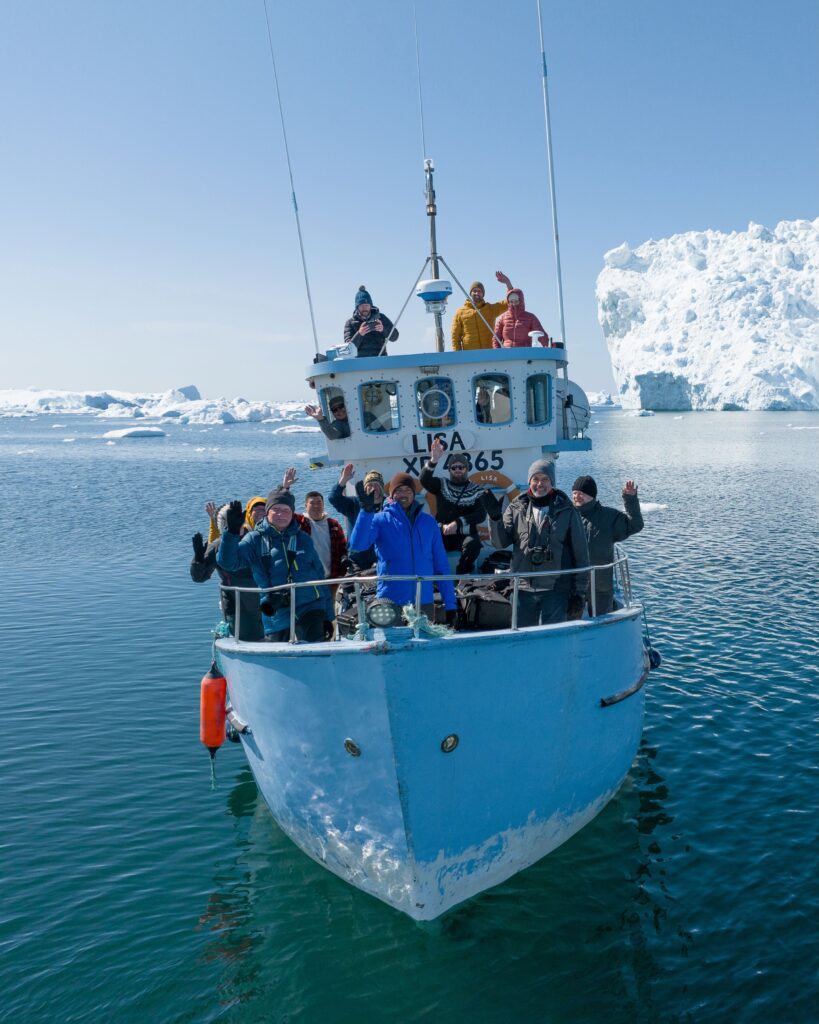
The West Greenland trip runs every summer, based in Ilulissat for roughly a week, with a small group of eight. That’s Disko Bay’s icebergs at close range, boat trips weaving through drifting sea ice, the Ilulissat Icefjord calving in the distance, humpback whales surfacing beside the boat if the summer delivers, and drone work built into the itinerary from spots and hours I already know are legal to fly. The midnight sun means the light doesn’t disappear the way it does at home, so a lot of the best flying happens later than you’d expect, when the ice goes gold and the wind tends to drop. You’re not guessing where the line is, on land or from the boat. You’re just flying.
If you want to see what that actually looks like across a week, I wrote up the 2026 West Greenland workshop in full, whales and all.

A humpback surfacing beside an iceberg in Disko Bay, seen from above.
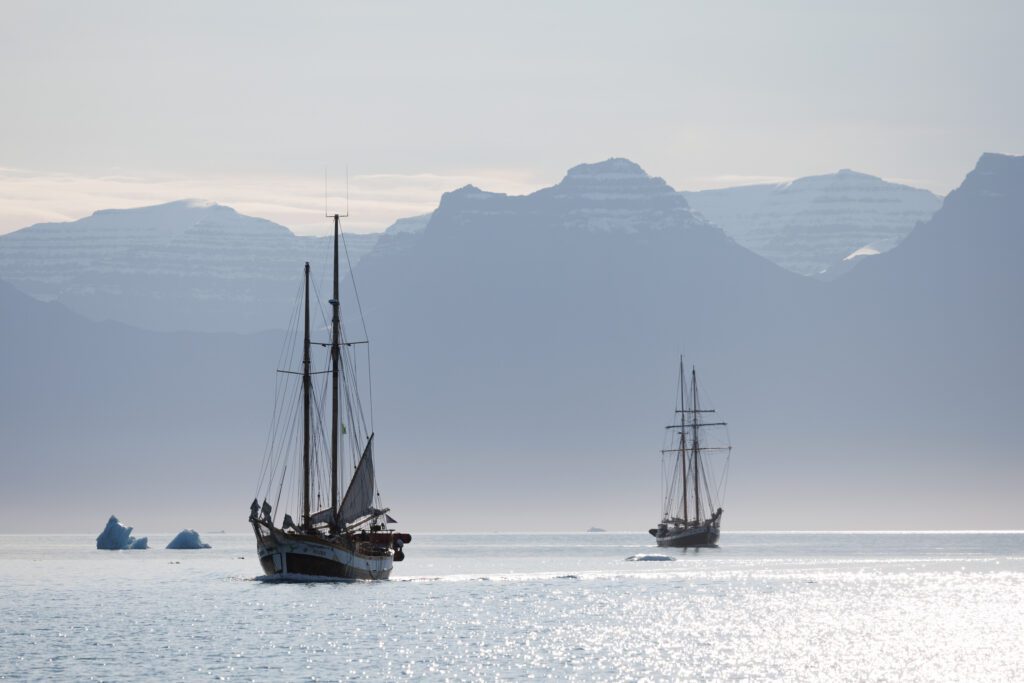
East Greenland is a different world entirely. In late August I sail into Scoresbysund, one of the largest fjord systems on the planet and about as remote as photography gets, aboard a small sailboat that can slip into places the big expedition ships can’t reach. Eight days off-grid, no phone signal, giant icebergs the locals nickname Iceberg City, mountains climbing two kilometres straight out of the water, and, if you’re lucky, a polar bear hauled out on the ice. We launch the drones straight off the deck there too, because on a sailboat deep in a fjord there’s rarely anywhere else to set one down.
What the two trips share is the flying. On both, the drone work is hand-launched and hand-caught from a moving boat, and on both, the same BL 9-4 rules follow you the whole way. Wherever you fly in Greenland, the framework doesn’t change with the scenery. On the East Greenland workshop I’m co-leading with James Popsys in September 2027, we take off and land from small boats a lot, and the same rules apply.
If you ever want the full picture, you’ll find my Greenland workshops here, but that’s a story for another day. Today it’s just the rules.

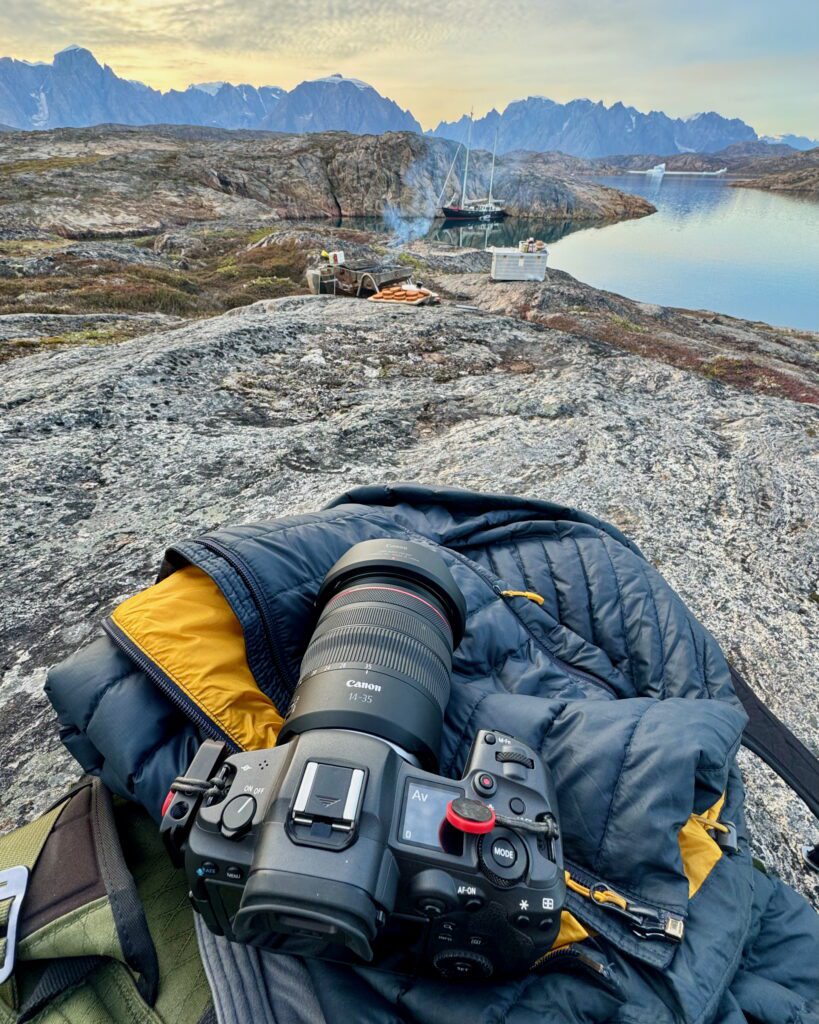
Our chartered sailboat in East Greenland during a magical evening surrounding by slush ice.
Flying Greenland on Your Own
Most people fly Greenland solo without any special permission at all. Stick to the rules above, outside the towns, under 100 metres, well clear of the airfields, and you’re flying legally with no forms to fill in. The exemption process only enters the picture if you want to go beyond those limits: higher than 100 metres, closer to a settlement, or into a protected area. That means applying for an exemption from the Danish Civil Aviation and Railway Authority, built around an operations manual under AIC B 08/14, and it’s worth starting weeks ahead, not the morning you want to fly. You can reach them at info@trafikstyrelsen.dk.
Worth knowing what a mistake costs. Visit Greenland, citing the Greenlandic Police, puts a fine for breaching the drone rules at between DKK 2000 and DKK 6000, scaling with the weight of the drone and how dangerous the flight was, and says the drone will probably be confiscated on top. A drone over 3 to 4 kg flown above a crowd sits at the upper end. That guidance dates from 2022, so treat the figures as the shape of it rather than a current tariff.
Read the rules above twice, check them against your actual route, and don’t assume ‘it worked in Iceland’ counts as a legal argument in Greenland. It doesn’t.
Rules like these get reviewed and updated, so confirm the current version with the Danish Civil Aviation and Railway Authority before you travel rather than trusting a blog post, mine included, as your final word.
Source: Danish Civil Aviation and Railway Authority, ‘Drone Flying in Greenland’ (en.droneregler.dk), last updated 3 June 2025.
Greenland Drone Rules: Frequently Asked Questions
Do I Need a Licence to Fly a Drone in Greenland?
Not in the EU sense. Greenland is outside the EU, so there’s no EASA licence to hold and no Greenlandic one to swap it for. You operate under Danish regulation BL 9-4 instead, and anything outside its standard limits needs an exemption applied for in advance.
Is My EU or EASA Drone Certificate Valid in Greenland?
No. Your EU licence is not valid there, whether it’s A1/A3 or A2. BL 9-4 is the only framework that applies.
How High Can I Fly a Drone in Greenland?
Up to 100 metres above ground level without extra paperwork. Anything higher, including beyond visual line of sight, needs an exemption backed by a JARUS SORA risk assessment.
Can I Fly a Drone in Ilulissat or Near the Icefjord?
Not casually within the town itself, recreational flying isn’t allowed in urban areas. Outside it, you still need 150 metres from built-up areas and roads, and some nearby natural areas need separate permission under BL 7-16.
What If I Want to Fly Above 100 Metres, Closer to a Settlement, or in a Protected Area?
You’ll need an exemption from the Danish Civil Aviation and Railway Authority, built around an operations manual under AIC B 08/14. Contact them at info@trafikstyrelsen.dk and start the process weeks before your trip.
Can You Fly a Drone From a Boat in Greenland?
Yes, and in practice you often have to. Among the icebergs of Disko Bay there’s rarely a safe or legal spot to land on the ice or the shore, so you hand-launch and hand-catch the drone straight from the boat instead. The same BL 9-4 rules still apply: stay clear of people, keep your distances, stay under that 100 metre ceiling.
Do I Need To Register My Drone In Greenland?
There is no Greenlandic drone register to sign up to, and your EASA operator number does not carry over. For private flying under 7 kg you are working to BL 9-4 directly, which means the rules bind you whether you are registered anywhere or not. Registration only becomes relevant if you are applying for an exemption, because that is when the Danish Civil Aviation and Railway Authority wants to see who you are, what you intend to fly and how you have assessed the risk.
Discover Jeroen’s Photo Workshops in Iceland, Greenland & Beyond
Ready to take your photography to the next level? Join me, Jeroen Van Nieuwenhove, on unforgettable photo workshops in Iceland, Greenland, Antarctica and other exciting destinations. Whether your passion is wildlife photography, bird photography, landscape adventures, or mastering drone photography, each workshop is designed to give you hands-on guidance in some of the world’s most spectacular locations.
From puffins in the midnight sun to Arctic foxes in the wild, from glaciers and volcanoes to dramatic coastlines seen by drone – these journeys are more than workshops; they’re once-in-a-lifetime experiences. Group sizes are kept small, ensuring personal mentoring and plenty of shooting opportunities.
Looking for something specific? Check out Jeroen’s…
- Wildlife & Bird Photography Workshops (Puffins, Arctic Foxes)
- Drone Photography Workshops
- Photo Workshops in Iceland
- Photo Workshops in Greenland
- Photo Workshops in Antarctica
Spots are limited – secure your place today!
Are You Looking For A Specific Photo Workshop?
All Upcoming Photography Workshops With Jeroen
Explore all upcoming photography workshops with Jeroen and take your skills to the next level in some of the world’s most extraordinary locations. From the volcanic landscapes of Iceland to the ice-filled fjords of Greenland and the wildlife-rich polar regions such as Antarctica, each workshop is designed to help you grow creatively while experiencing unforgettable moments in the field. Browse all upcoming departures below and find your next adventure!
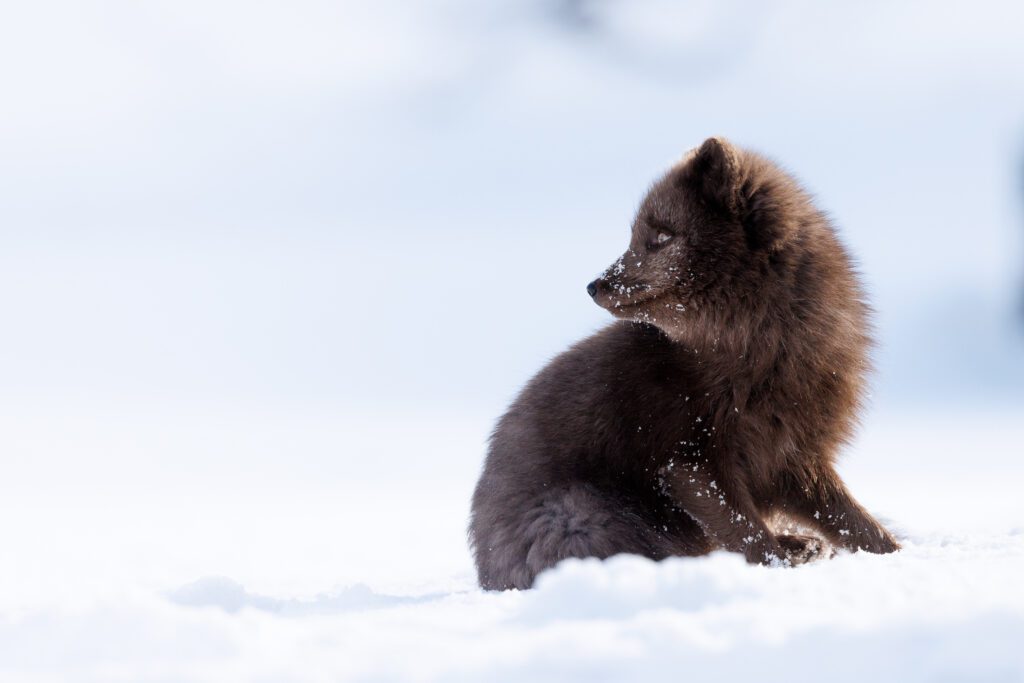
LAST SPOTS
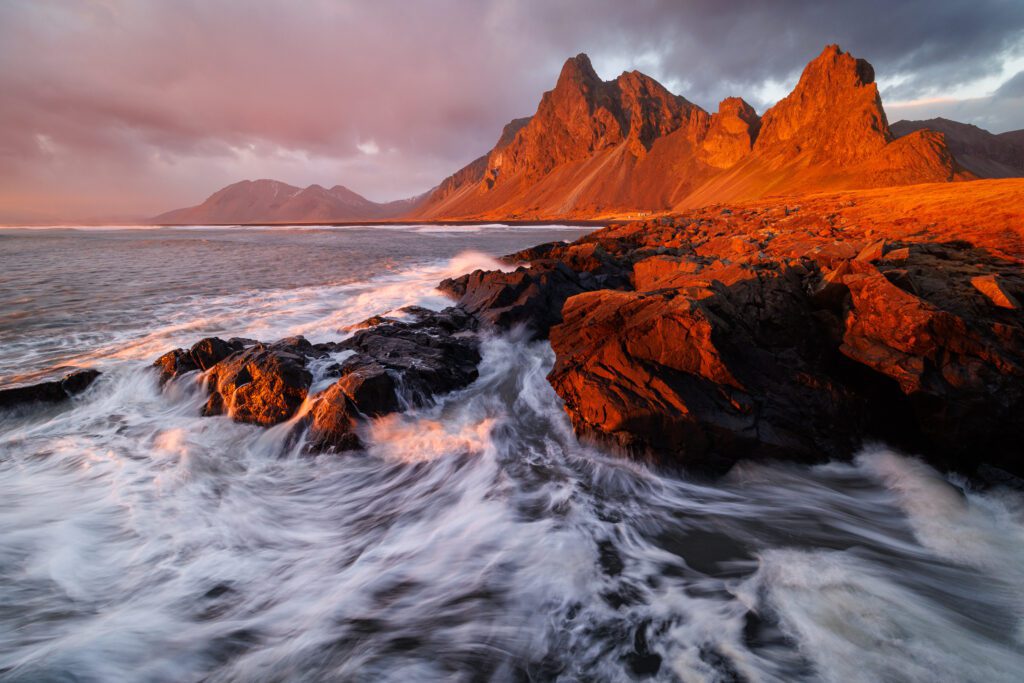
LAST SPOT
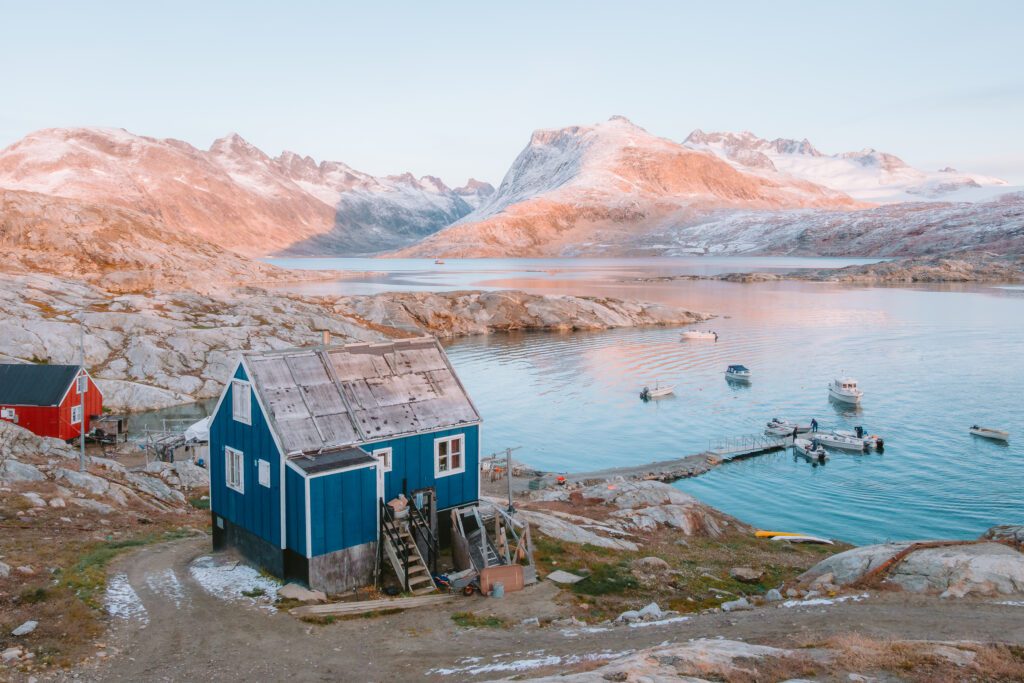
LAST SPOTS
OPEN FOR BOOKINGS
LAST SPOTS
WAITLIST
WAITLIST
WAITLIST
WAITLIST
WAITLIST
WAITLIST
WAITLIST
WAITLIST
What Guests Say About My Greenland Workshops
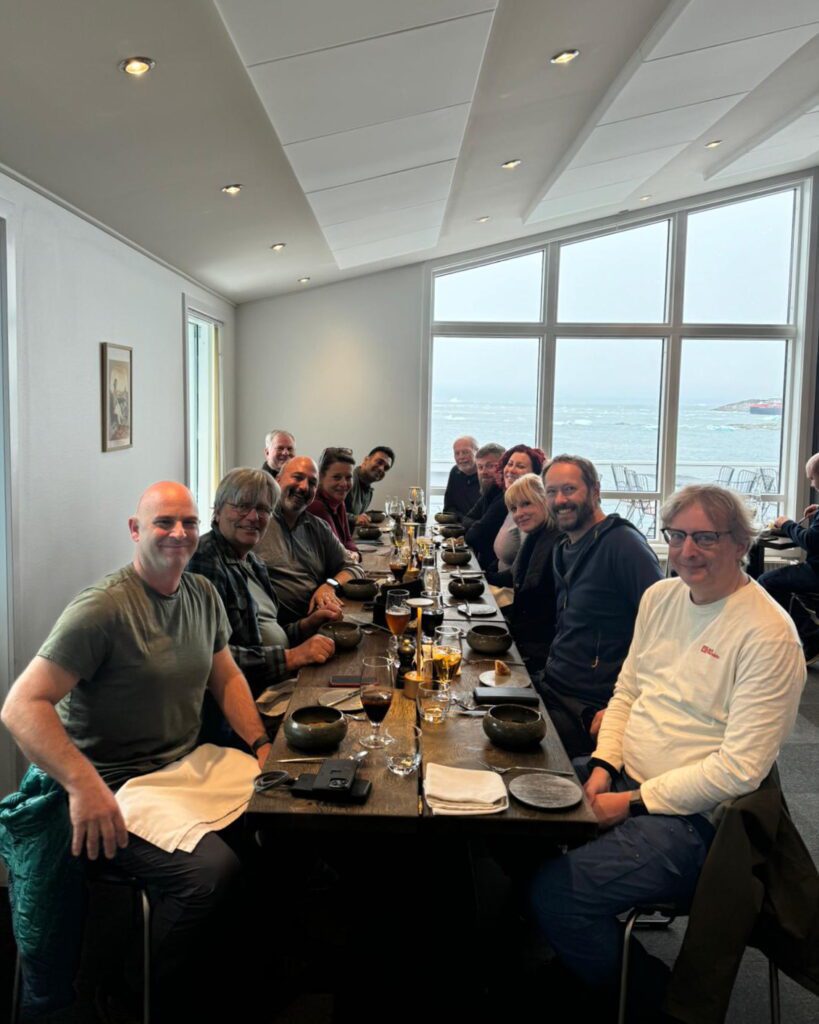
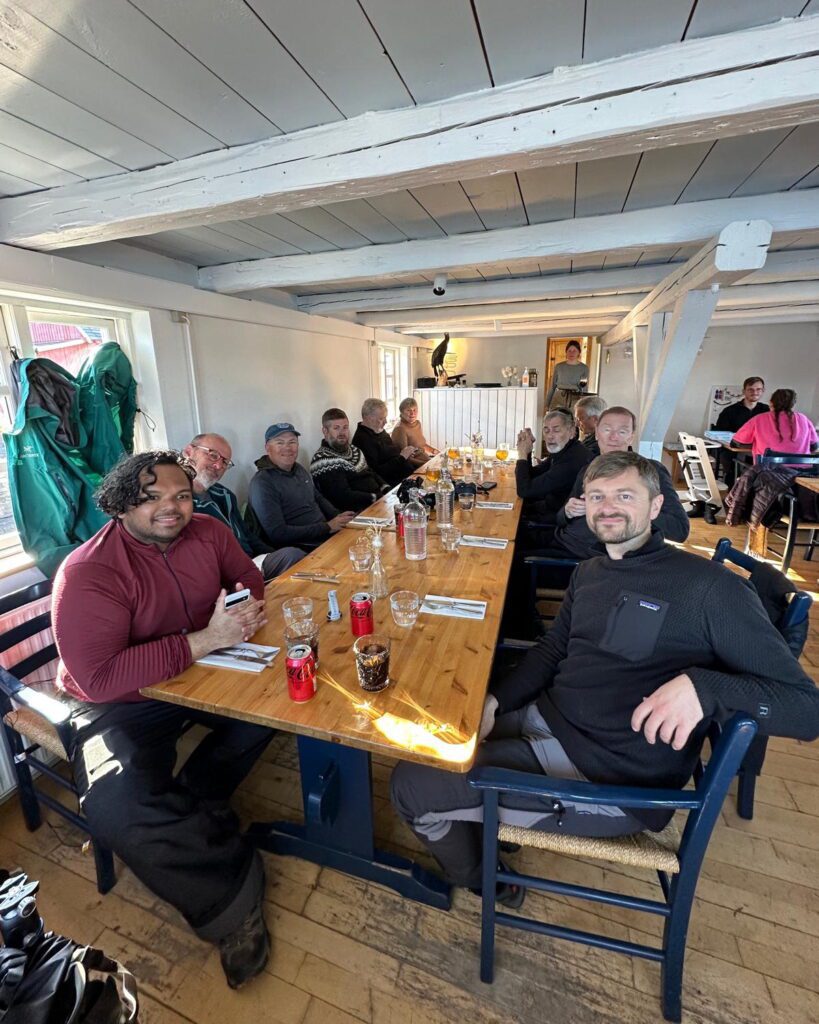
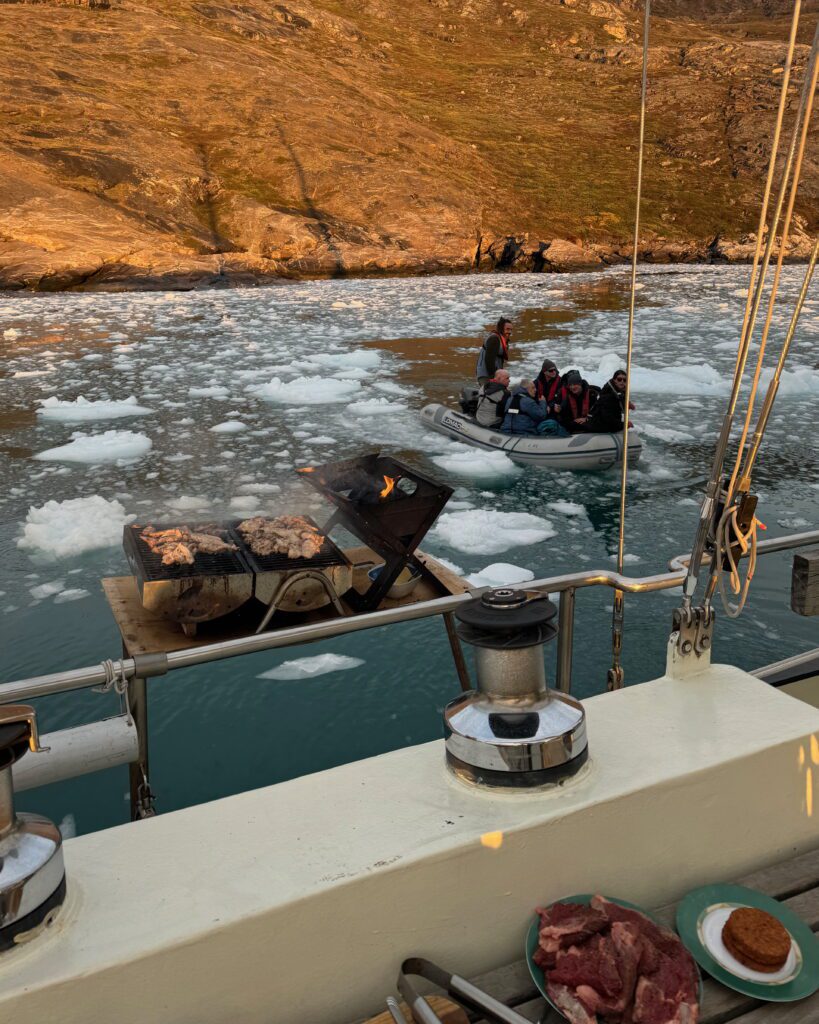
Choosing the right photography workshop is about more than just visiting iconic locations. It’s about experience, safety, timing, and personal guidance. Below you’ll find honest reviews from photographers who have joined Jeroen on landscape & drone photo workshops in Greenland. These testimonials reflect real experiences in small groups, hands-on instruction in challenging conditions, and the level of care Jeroen aims to bring to every workshop.
These reviews are verifiable on Jeroen’s public Google Business profile.

DISCOUNT
The Drone Photography Masterclass – Video Course
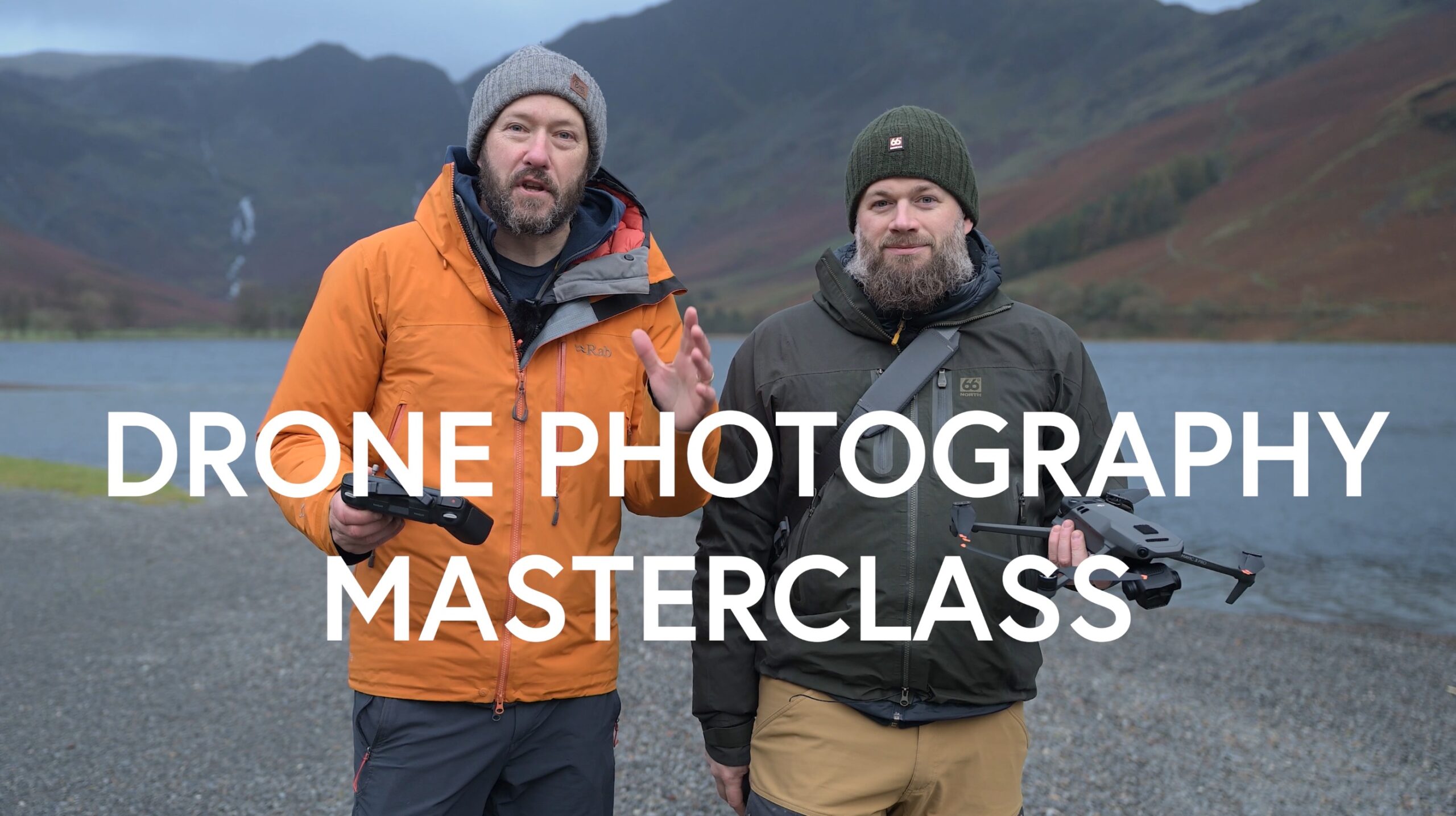
Nigel Danson & Jeroen Van Nieuwenhove‘s complete drone photography video masterclass will explore everything you need to know to start creating the best aerial photographs using any type of drone in more than 55 videos. Whether you are a complete beginner or an advanced drone pilot, this video course contains a vast amount of information to level up your drone photography skills.
What Students Say About The Drone Masterclass
Support Jeroen’s Work
As an independent photographer, Jeroen partially relies on your support to keep producing worthwhile content such as blogs, photographs, books and much more. If you want to support his work, it is possible to do so by buying his e-books & books.
You can also sign up to the newsletter to stay up to date on new blog posts, projects, workshops and other interesting information.
Thank you for considering!