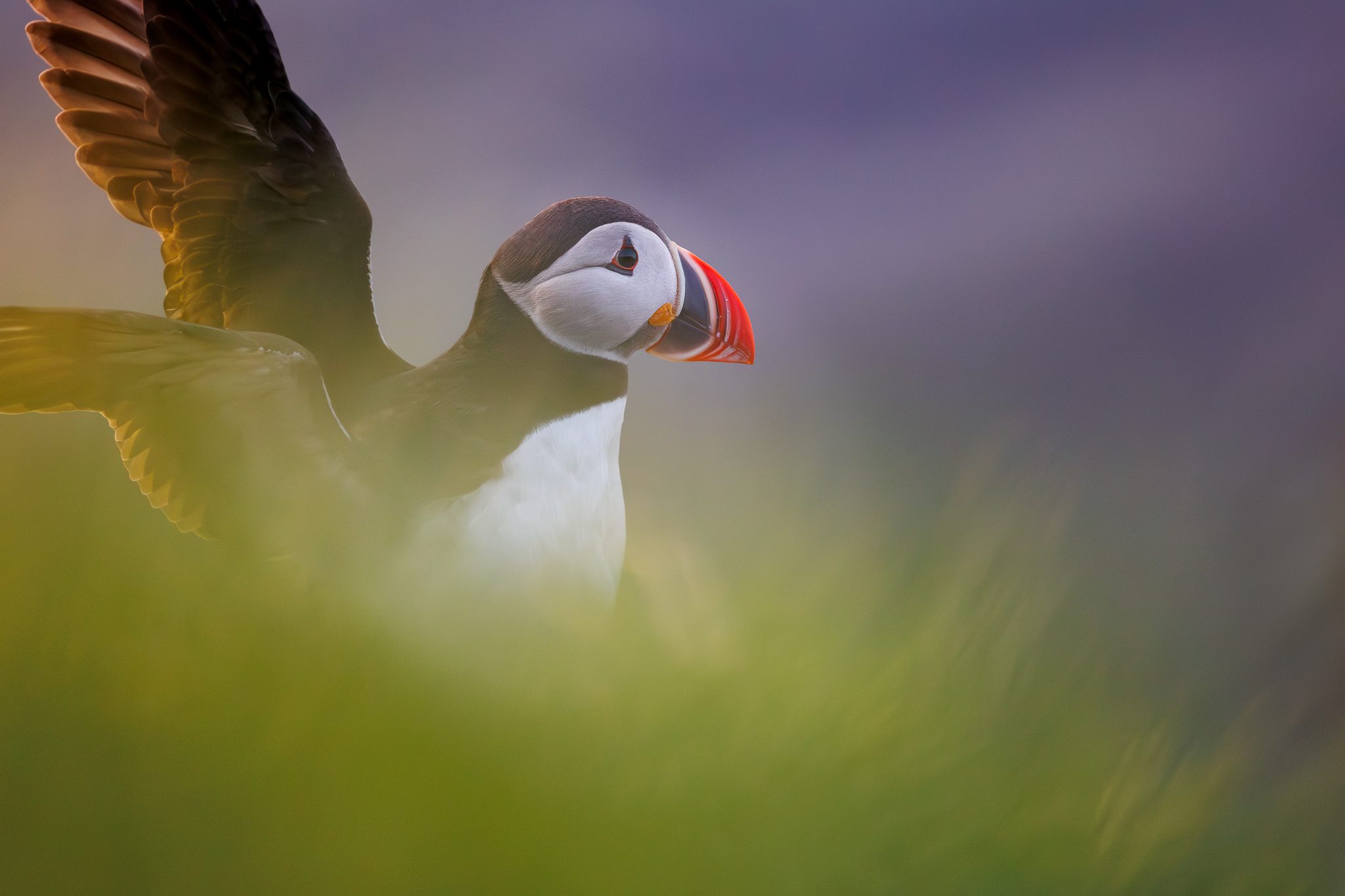
Let’s get one thing out of the way from the start: there are many different places you can see and even photograph the Atlantic Puffin in Iceland. These locations range from the popular south coast location Dyrhólaey & Vestmannaeyjar (Westman Island) or the more off-the-beaten-path locations such as Látrabjarg and Borgarfjörður-Eystri. All of these are easy to reach and perfect for those who simply want to tick “seeing a puffin” off on your holiday checklist. However, if you’re more invested in photography and really want to chase the more compelling photographs of a puffin, there’s only one location in Iceland you should consider: Grímsey.
But before we get into the blog, if you’re serious about photographing puffins at their absolute best: I run an annual dedicated Puffins in the Midnight Sun workshop on Grímsey in Iceland.
- Level up your bird & wildlife photography technique with in-the-field practice and daily critique sessions
- Get eye-level puffin shots in perfect light
- Learn flight photography techniques
- Spend time at a location most tourists never reach
You can also read how one of my previous Puffins in the Midnight Sun photo workshops went and which images I returned home with.
Disclaimer: Some of the links in this article are affiliate links. When you make a purchase using such links, I may earn a small commission.
What (& Where) Is Grímsey?
Grímsey is a small, remote island which is located in the Greenland Sea, just north of Iceland. The island itself is narrow, about 5 kilometre long and volcanic in origin. It’s surrounded by nothing but ocean. On a clear day, you may see the northern coast of Iceland in the far distance. On the island is a small fishing village with a few guesthouses, a small restaurant, a small shop and even a small swimming pool. Only about 30 people permanently live there. Most tourists will read about it in their guide as the only place in Iceland where you can cross the Arctic Circle on foot.
However, for anyone who is into birding and bird photography, it’s most known for its abundant birdlife and the great variety of bird species such as arctic terns, guillemots and, of course, the most prominent are arguably the puffins. Every year, one of the largest puffin colonies in Iceland nests on Grímsey. These goofy black and white birds can be found on almost every edge of the island, using the top of the cliffs as their home.
So what makes Grímsey so special? Why do I believe it’s the best place to photograph puffins in Iceland (and maybe even Europe) – ever since I visited it for the first time?
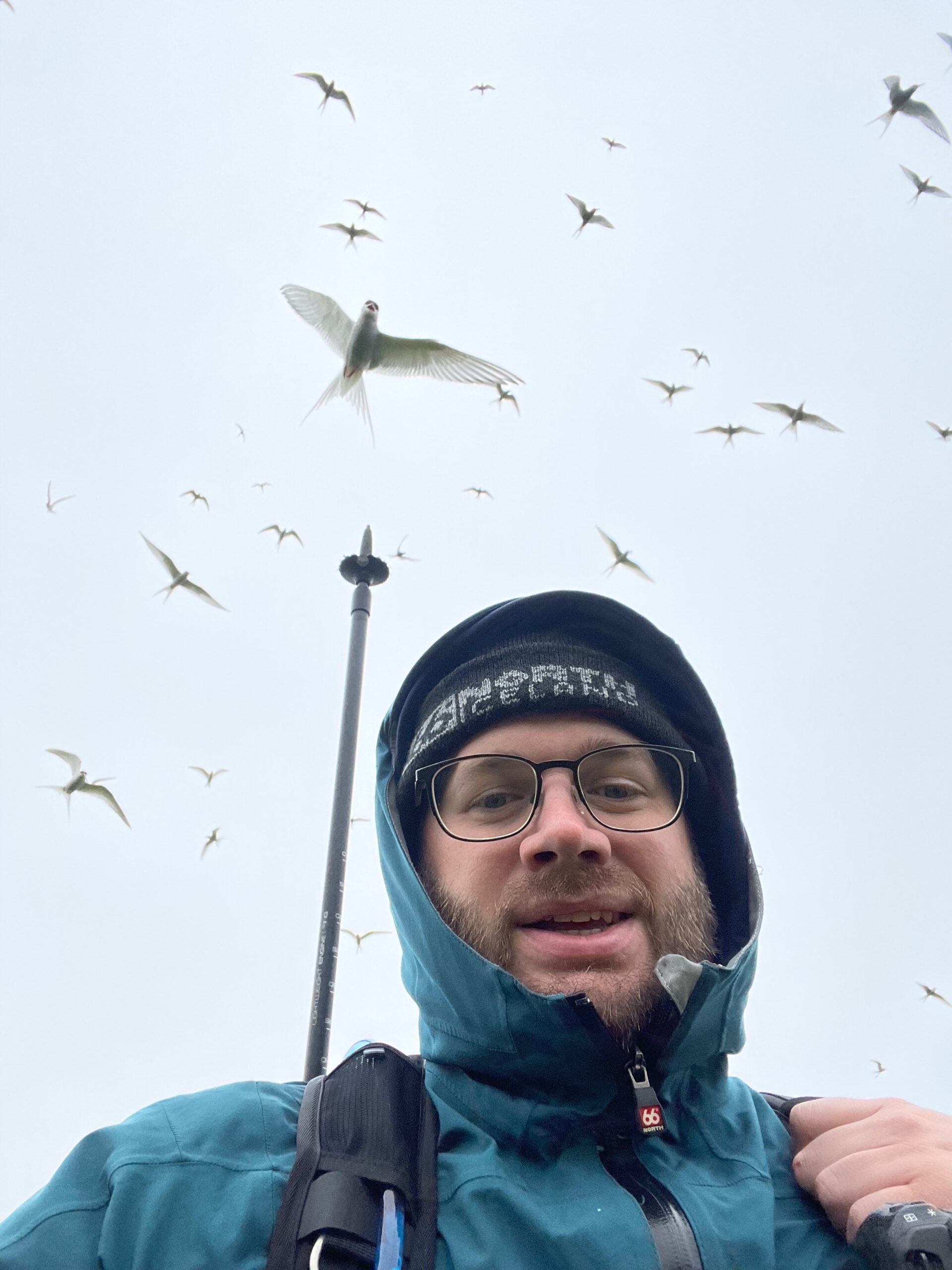
There’s an abundance of birdlife on Grímsey. Ever since my first visit to the island, I’ve been captivated by how special it is. In this photo you can see me brave the thousands of arctic terns which call the island their home during summer.
1. You Can Easily Photograph Puffins Close Up & At Eye Level
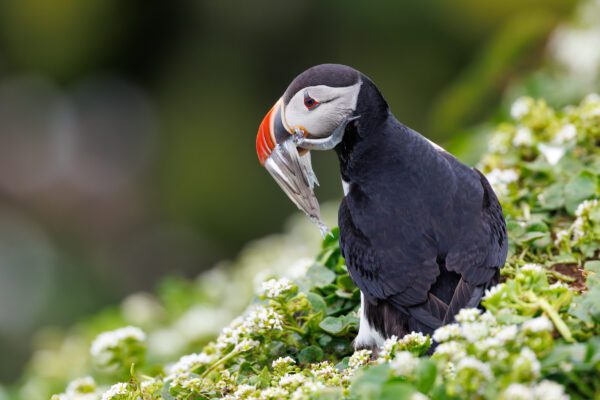
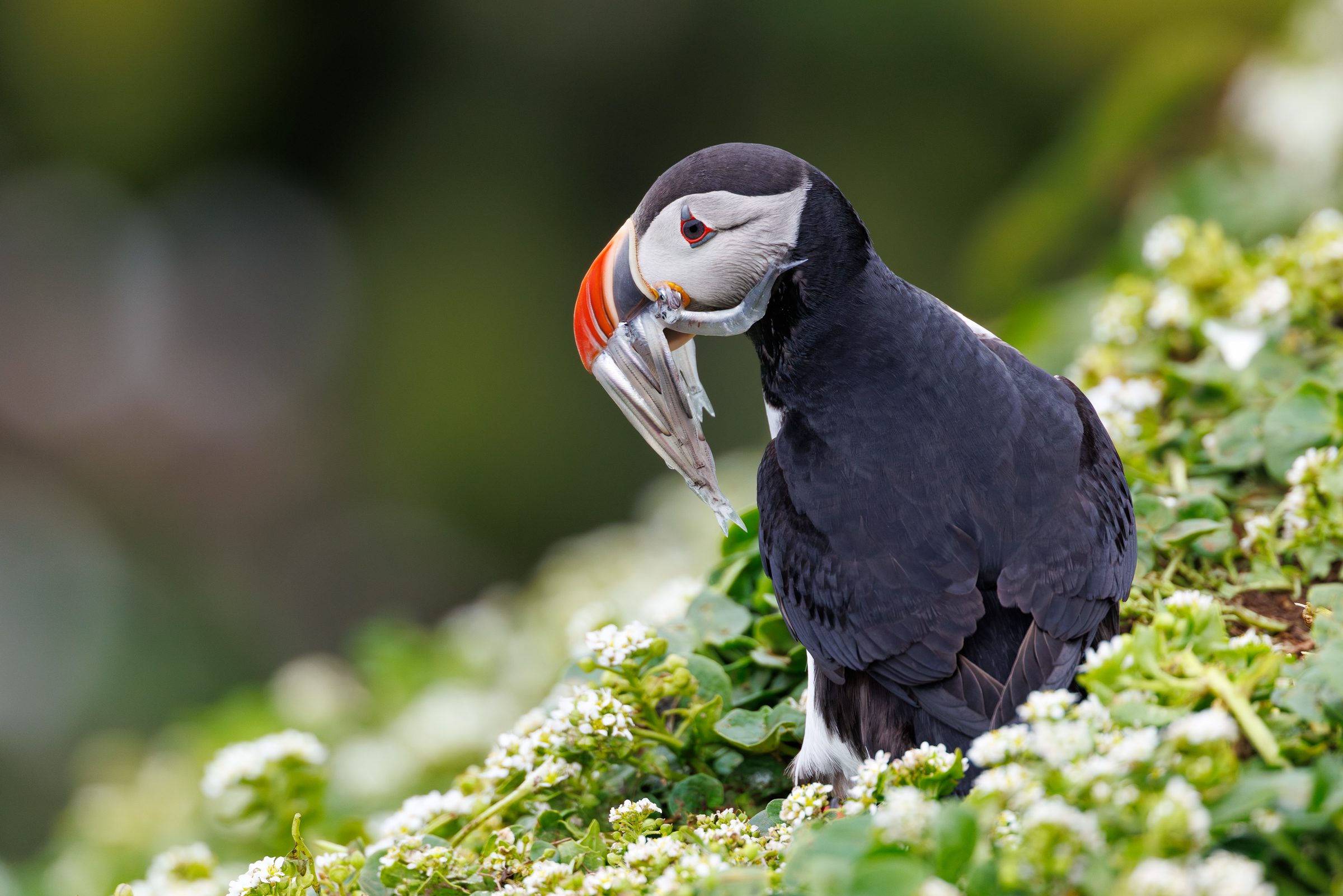
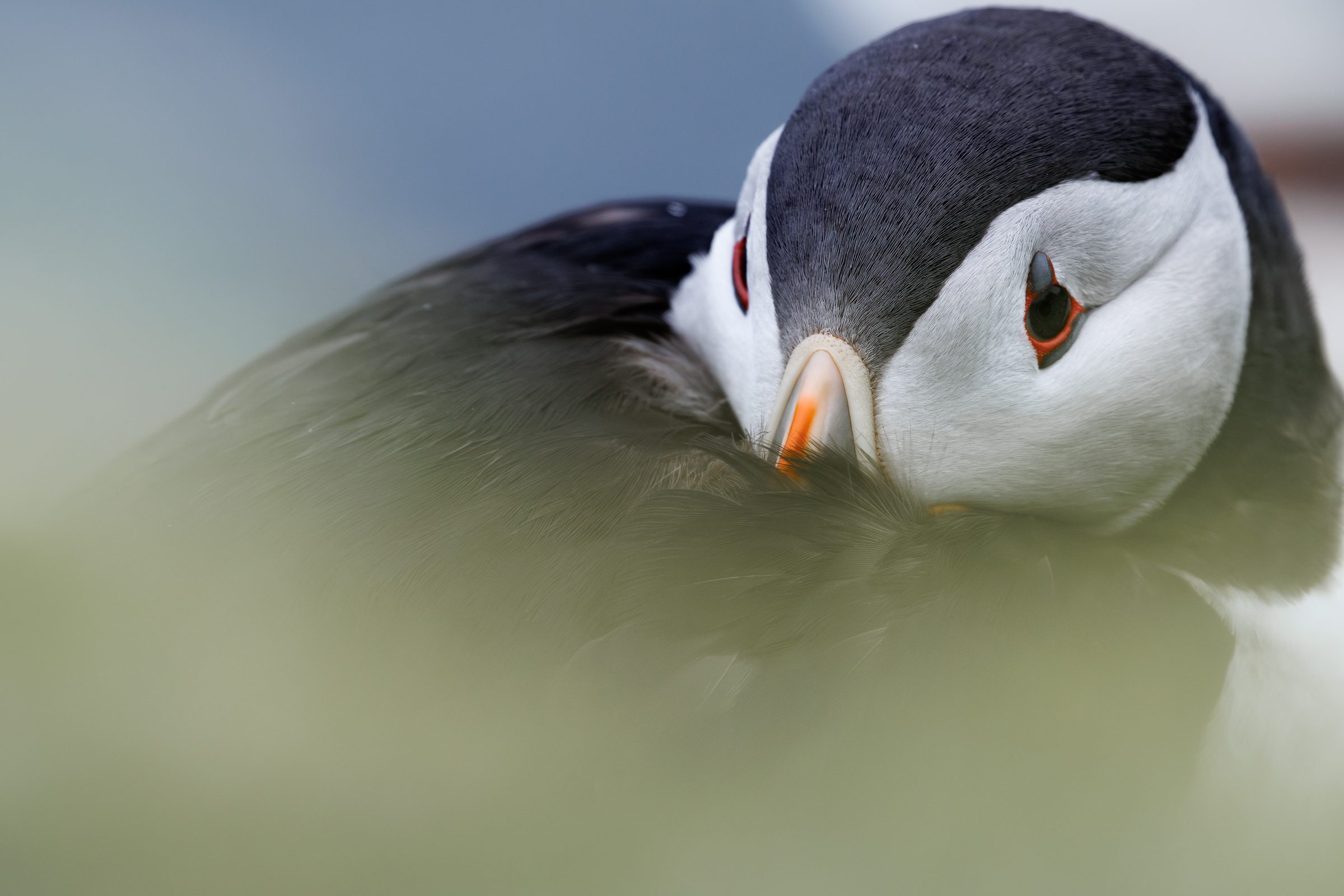
On Grímsey, the puffins are generally not afraid of humans. That is as long as you don’t make loud sounds, walk upright towards the cliff edge or make sudden movements. It’s quite easy to approach the birds when crouching or crawling. I have been able to take beautiful close-up portraits with my Canon RF 100-500mm telephoto lens without disturbing the birds one bit. Even if they feel disturbed, there are plenty of other ones around, though I always stick to a few basic rules for photographing puffins without harming them.
Additionally, thanks to the topography of the island, there are many places where you can easily approach the puffins without being seen at all, while also remaining at eye level. In many areas, and especially on the eastern side, you will be hidden behind tall grass before you reach the cliff edge where the birds are sitting. This creates a near-perfect situation for bird photography.
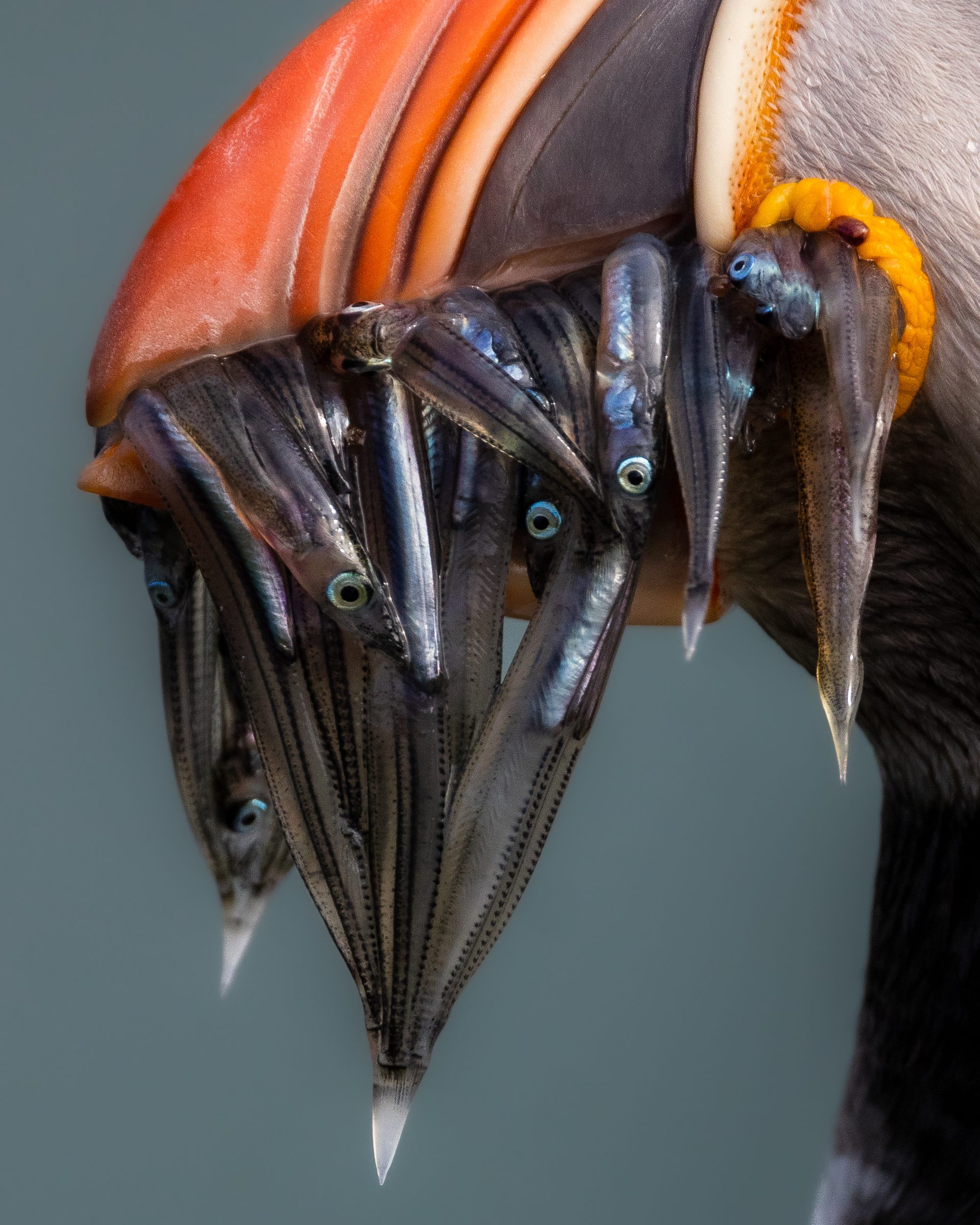
On Grímsey, conditions are really favourable to photograph puffins in a more intimate setting. I have managed to take incredible shots, extremely close-up, without disturbing the birds.
2. Grímsey Never Feels Crowded
There are only two ways to get to the island. The most common option is a 3 hour ferry trip from Dalvík, which goes back and forth once a day. When there are rough seas, this can be quite an unpleasant experience as the ferry is on the small side, which means it rocks a lot on larger waves. The second option, and also the easiest one, is a 30 minute flight from Akureyri. These flights only go twice a week which means they are only ideal for those who plan to stay longer.
Due to this travel ‘barrier’, not many casual tourists find their way to Grímsey. Even when it’s a ‘busy’ day, when for example small expedition ships make landings, it never feels crowded. It’s never a problem to photograph the birds in peace without anyone or anything disturbing you or the birds. It’s even better at night during the summer, when there’s most often no one else outside. On many occasions, I’ve found myself photographing alone with nothing and no one else around under the beautiful midnight sun.
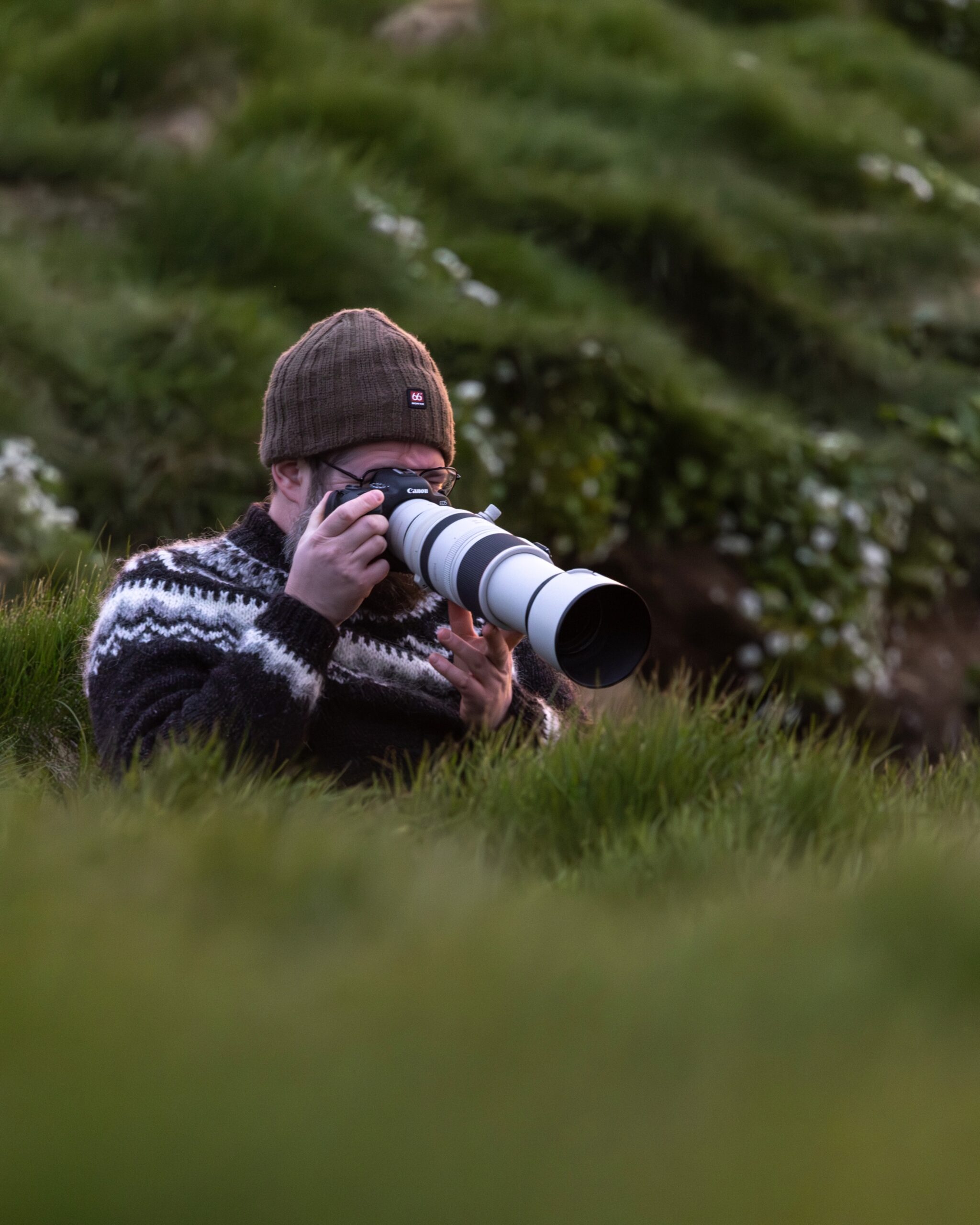
You can easily find a spot along the cliffs of Grímsey, settle down, find a good spot between the grass, and start shooting.
3. There Is Always A Good Place To Shoot On Grímsey
As I mentioned before, there are puffins to be found on almost every edge of the island as soon as you exit the town. This means there’s quite literally always a good place to photograph whether you are pointing your camera north, south, east or west.
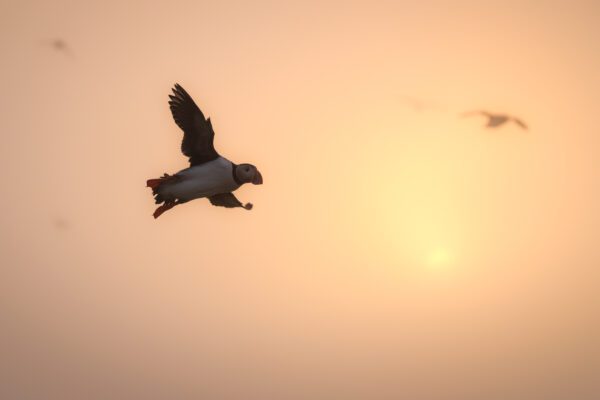
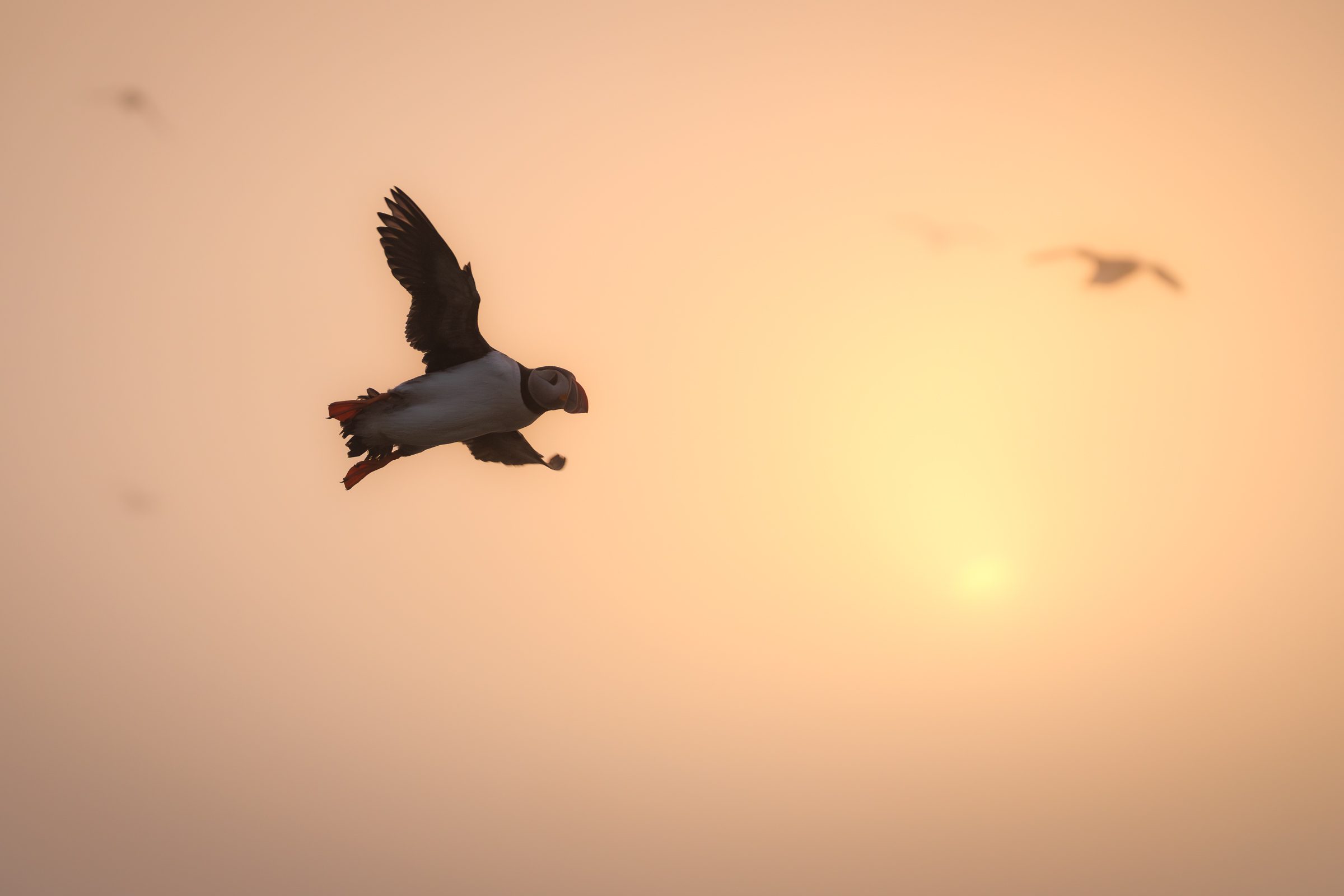
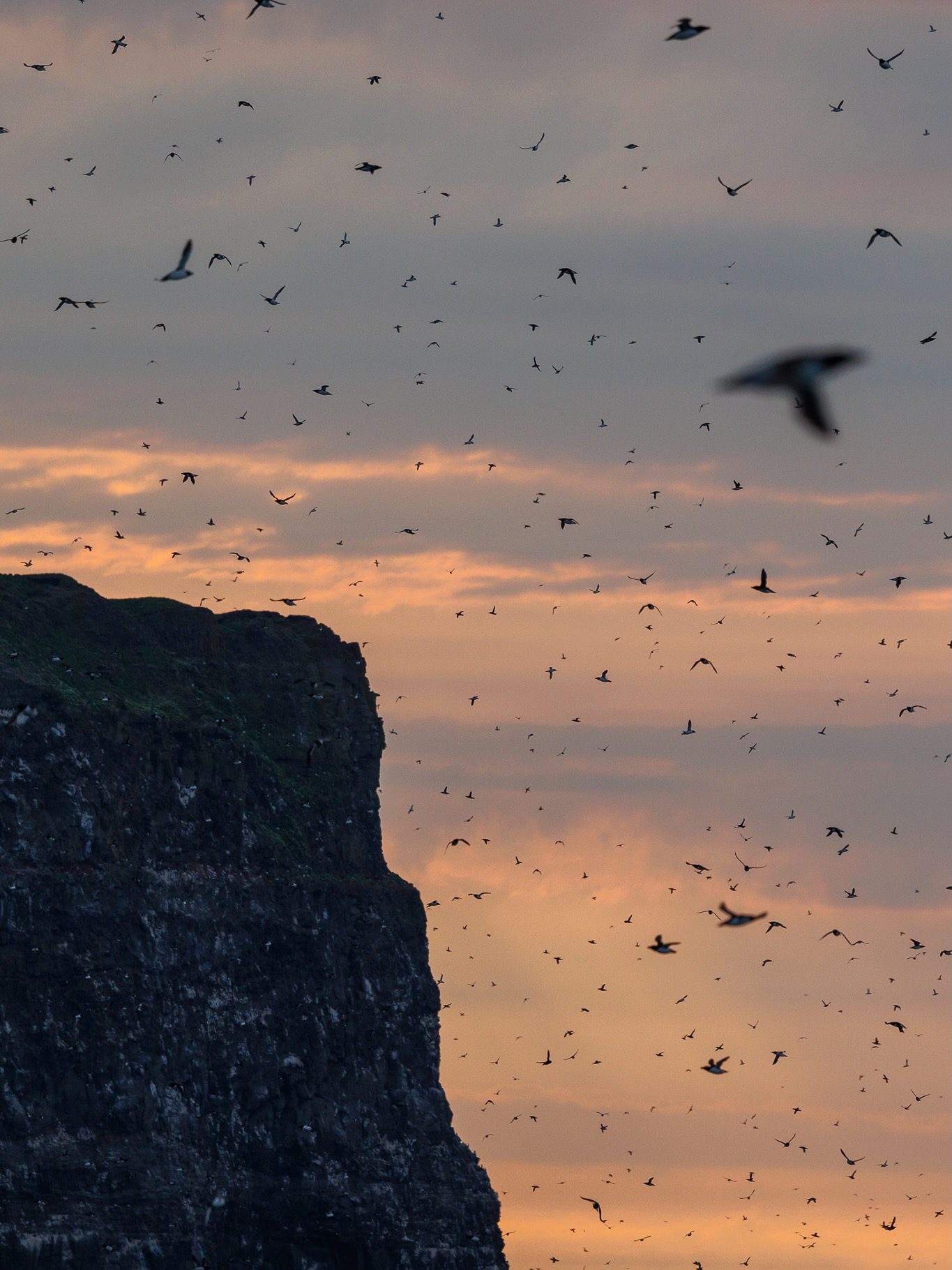
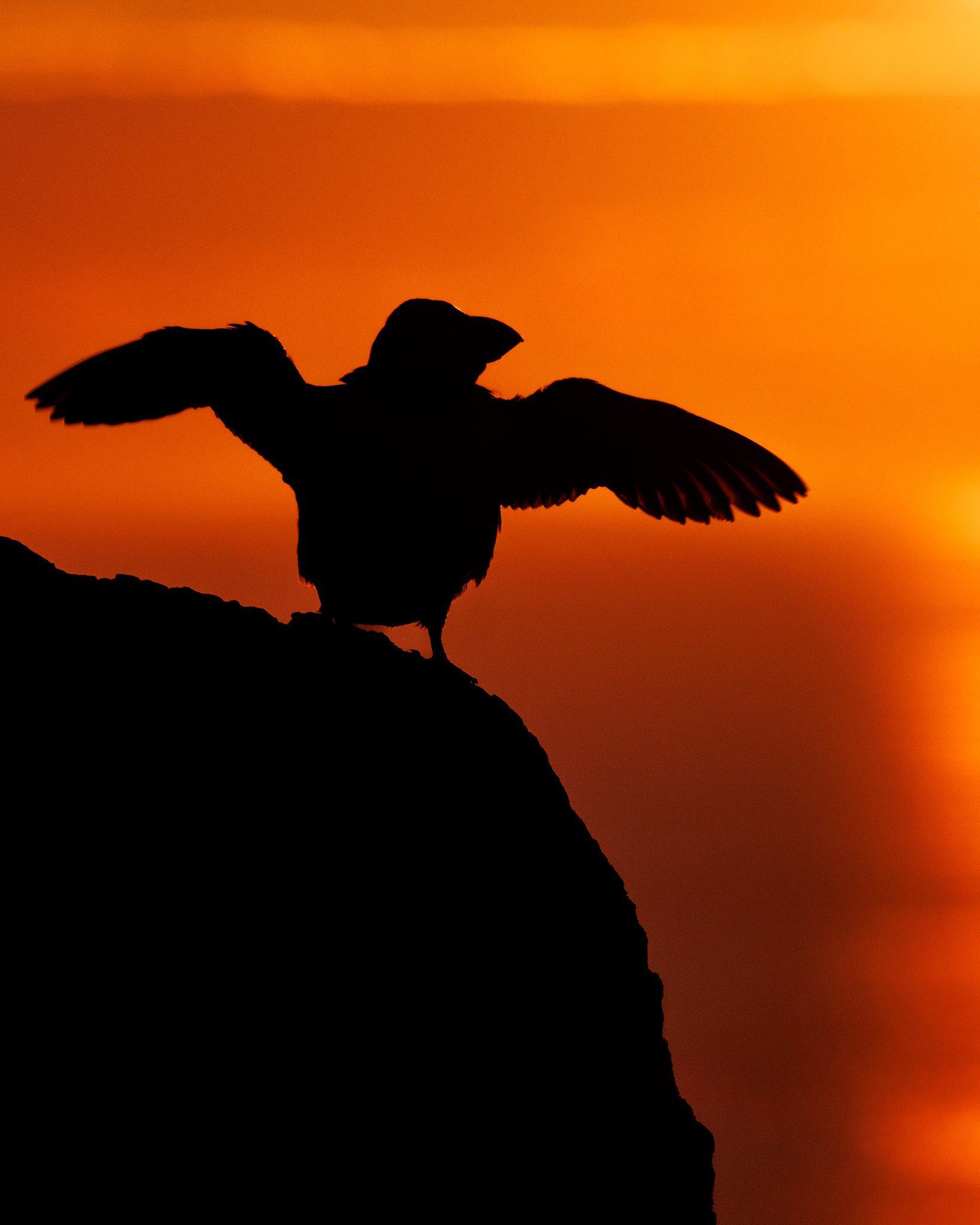
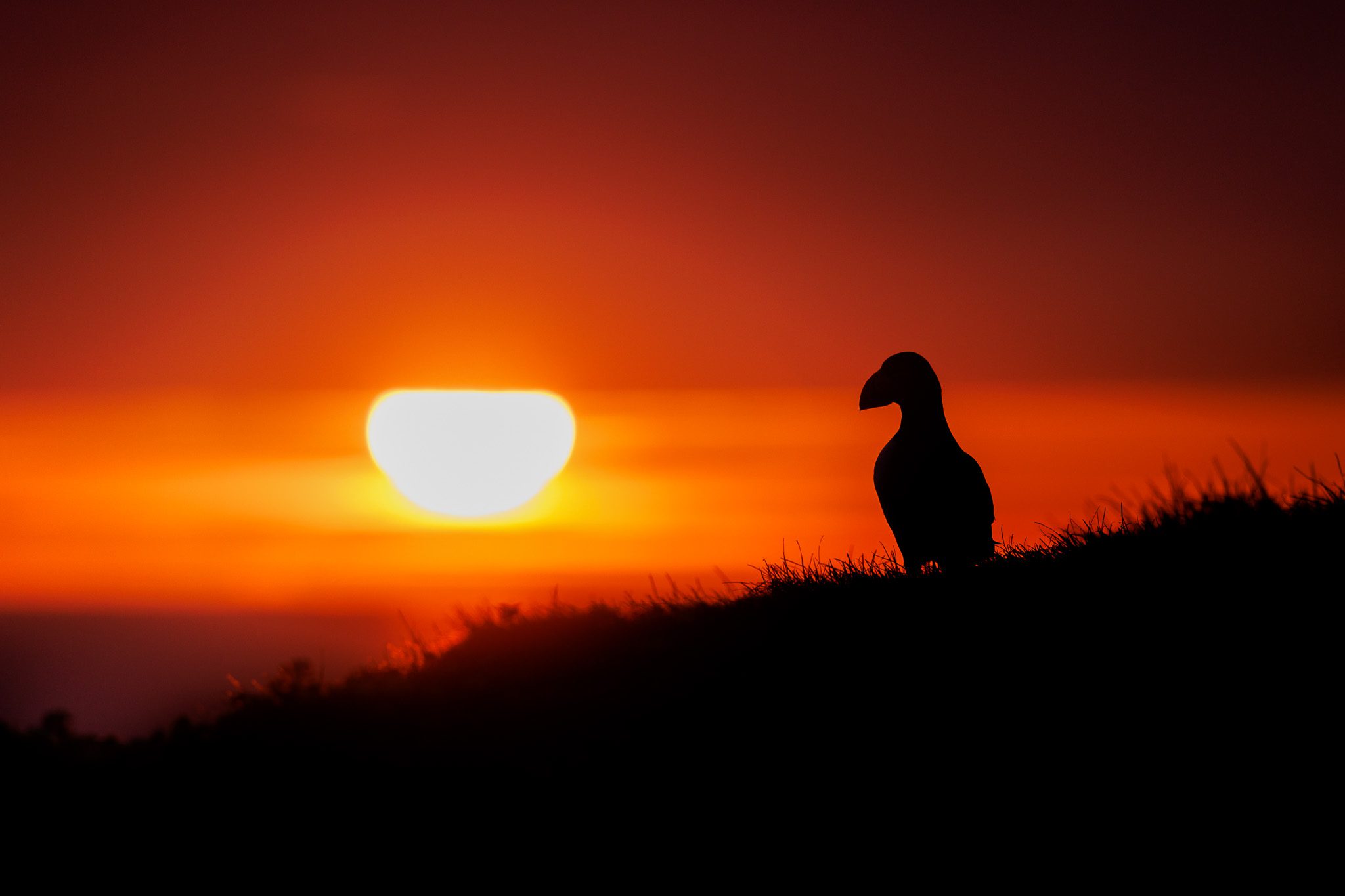
This becomes even more valuable at night. If you have a (semi) clear night, you can pretty much continuously follow the midnight sun and create stunning silhouette shots against the harsh sun or use the colourful skies as a backdrop. With nothing around the island but flat ocean, there is nothing but the clouds obstructing the light.
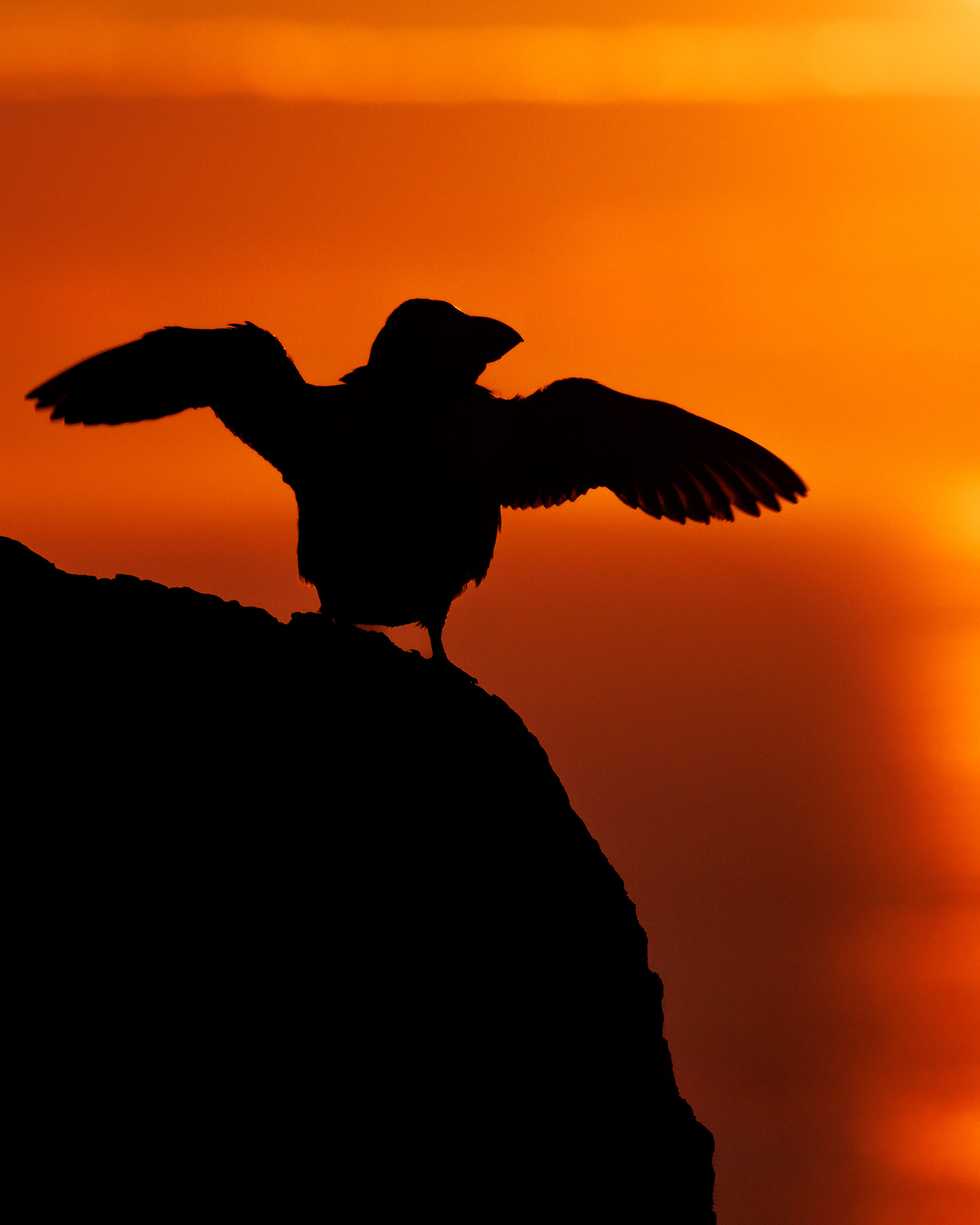
During the whole summer night, you can follow the midnight sun along the edges of the island and find spots where you can take great silhouette shots of the puffins.
4. Grímsey Forces You To Slow Down & Observe
While it is possible to bring a car to Grímsey, there’s no real need for it. In fact, you may even find that you won’t be able to use it at all. Only inside of the town are there paved roads. Outside of town, there is one road, which can be quite challenging to drive unless you have a proper vehicle. This means that all movement on the island is done on foot.
I find hiking to be the best way to experience Grímsey. It forces you to slow down, look around and observe. I have often felt as if there is no time or pressure on Grímsey. I simply wake up in the morning, have breakfast and then proceed to go out and shoot until I feel fulfilled or hungry again. I have even, on occasion, taken naps in the grass. Being in such a stress-free, relaxed environment, helps you truly appreciate the photography and the mindfulness of it.
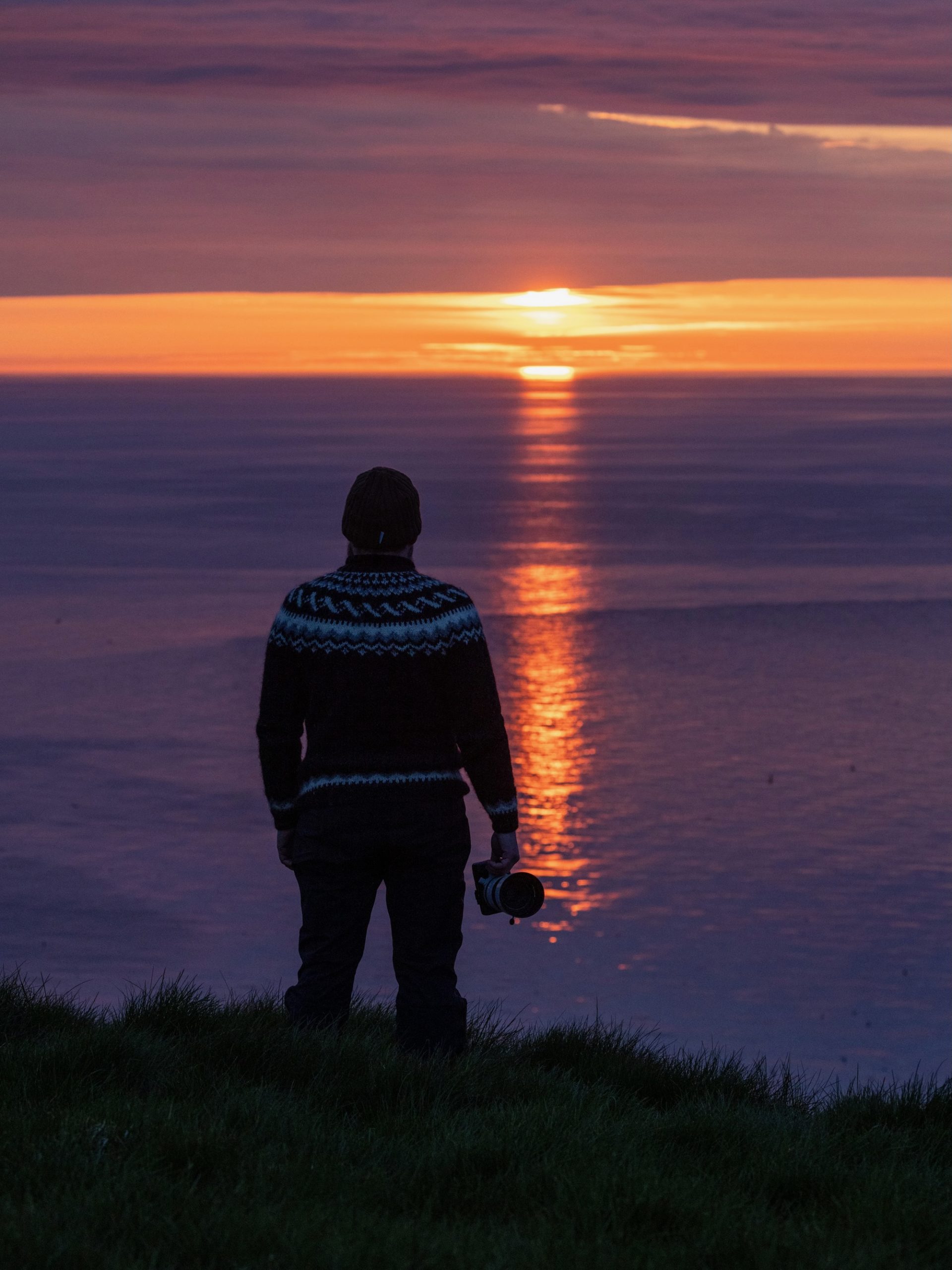
Hiking around the island and taking things slow really broadens your photographic perspectives. By forcing yourself to observe, you get to truly see more around you.
5. Puffins In Flight Made Easy
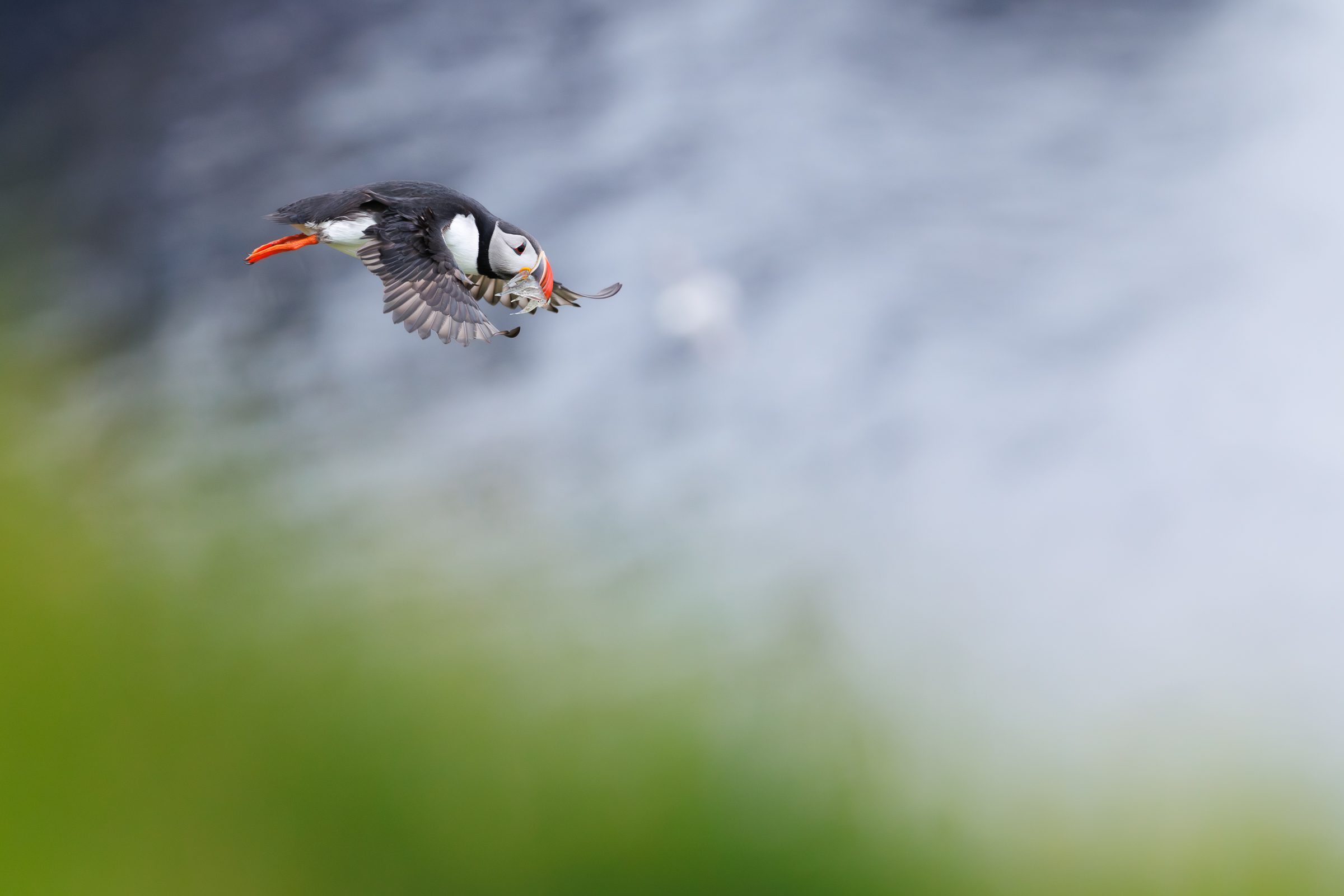
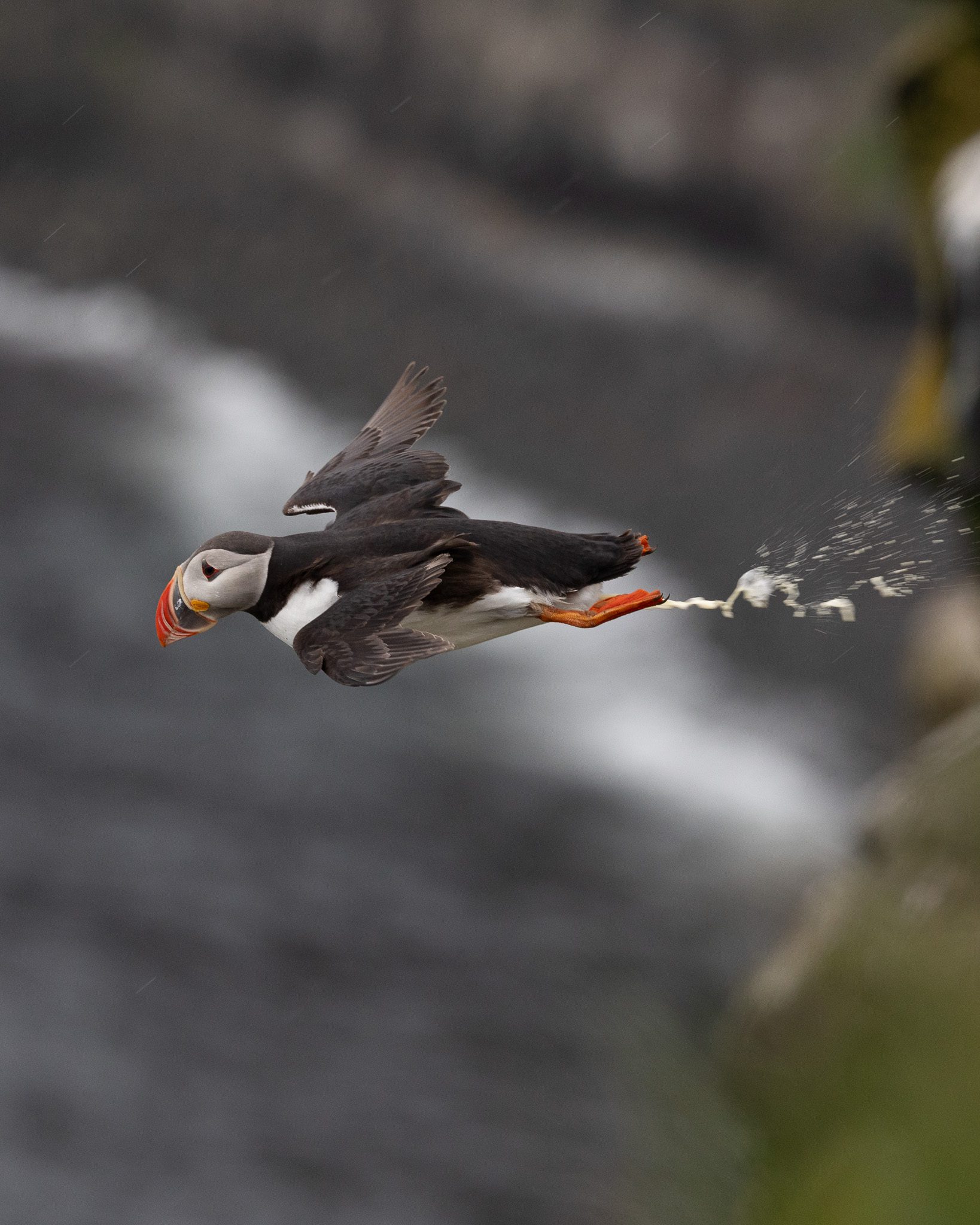
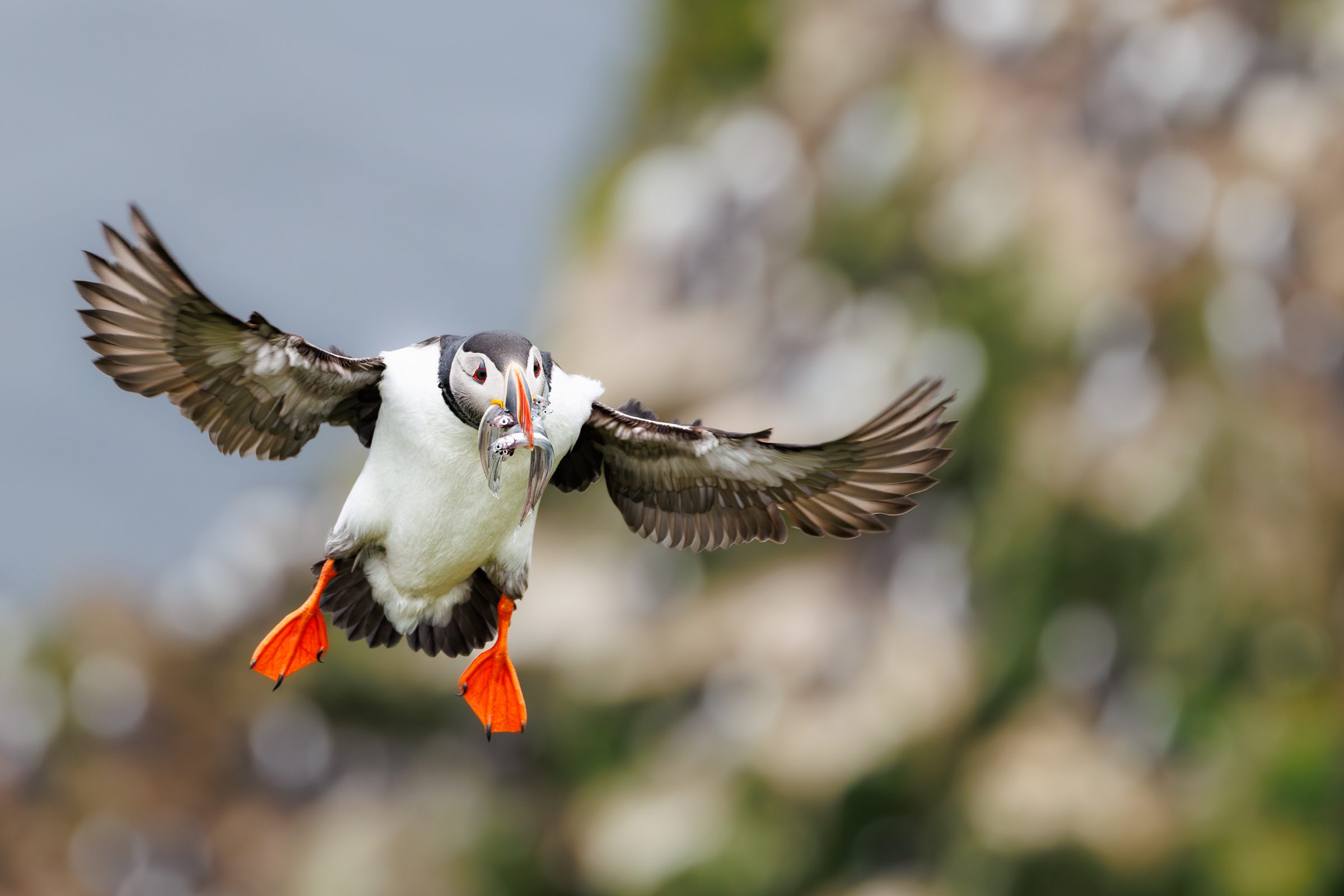
Photographing puffins in flight can be really tricky but thanks to Grímsey’s topography, I have dramatically improved my attempts at photographing puffins in flight. Flying puffins are fast and it can be challenging to anticipate their flight trajectory. However, there are several locations on Grímsey which give you an edge. Because of the way the cliffs and hills are shaped, the puffins tend to fly following a similar trajectory. On top of that, these locations give you the advantage of standing at eye level while they fly towards and alongside you. There isn’t a single other location in Iceland where photographing birds in flight is so easy.
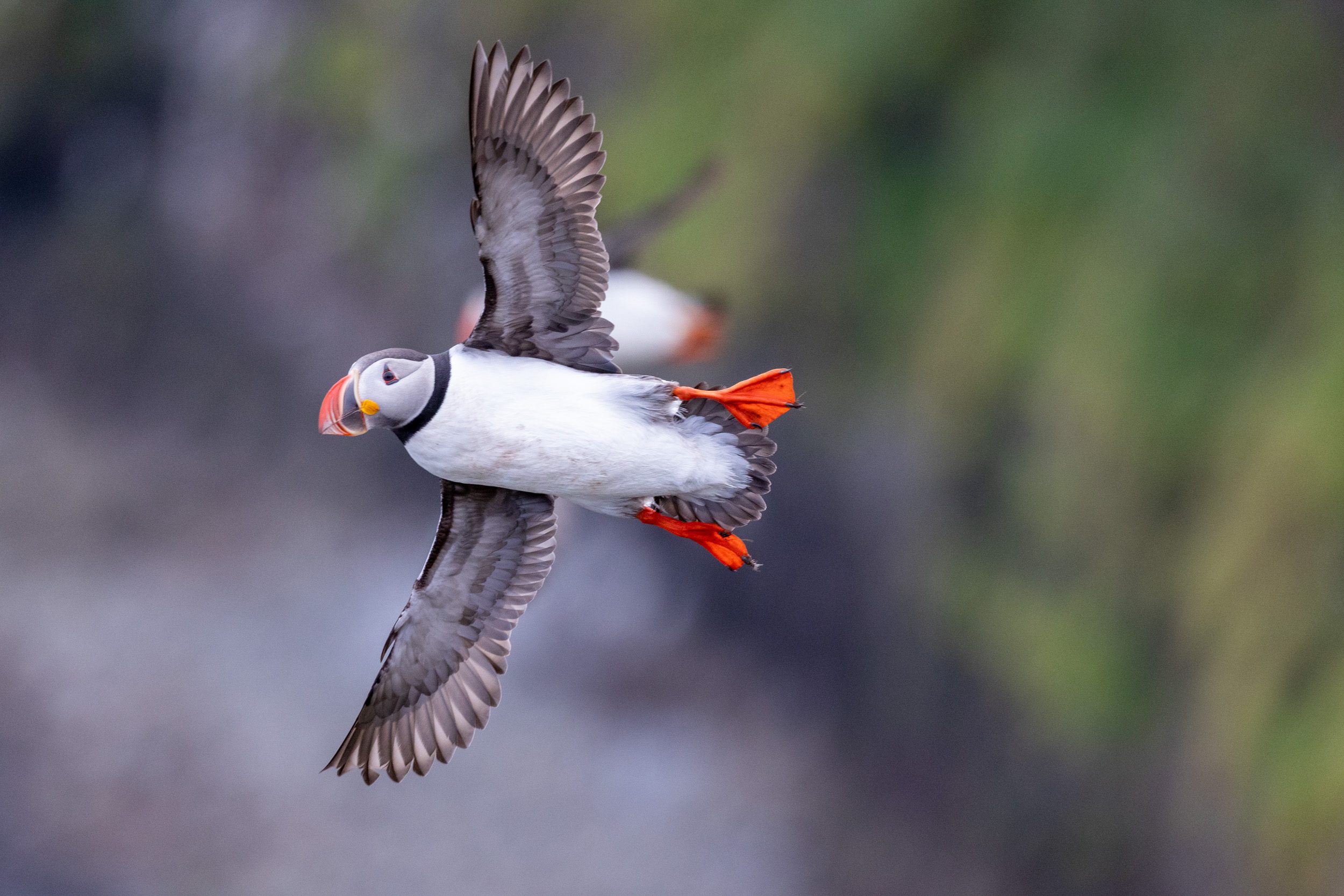
Thanks to the unique topography of Grímsey, photographing birds in flight is as easy as it gets.
Photograph Puffins Properly, Not Just See Them
If you are serious about photographing puffins at their absolute best, not just spotting them from a distance, this is exactly why I created my Puffins in the Midnight Sun workshop on Grímsey. This is not about ticking puffins off a list or getting a quick snapshot before moving on. It is about slowing down, understanding the light, reading the behaviour, and coming home with images that genuinely stand out.
On Grímsey, everything comes together in a way that is very difficult to replicate elsewhere in Iceland. You can work at eye level with the puffins instead of shooting down at them, you have the time and space to refine your compositions, and the midnight sun gives you hours of soft, golden light to work with. During the workshop, I guide you through the exact techniques I use myself, from tracking puffins in flight to anticipating behaviour and positioning yourself for clean, impactful images. It is a completely different experience from simply visiting a puffin colony on your own.

On Grímsey, you can get the most incredible images of puffins if you spend the time and patience to get real results.
Why Most People Struggle To Photograph Puffins
Puffins might look like an easy subject at first glance, but in reality they are one of the most deceptively difficult birds to photograph in Iceland. Their movement is fast and unpredictable, especially when they are flying back to the cliffs with fish, and getting consistently sharp images requires more than just a fast shutter speed. Timing plays a huge role as well. Harsh midday light often flattens colours and creates distracting shadows, while the best moments tend to happen early in the morning or late in the evening when the light is softer.
Access is another factor that many people underestimate. Photographing puffins from above versus working at eye level completely changes the feel of an image. Add to that the challenge of finding clean backgrounds and strong compositions, and it quickly becomes clear why so many photographers come back with photos of puffins, but not necessarily strong puffin photographs. That gap between seeing and truly capturing the moment is exactly what I focus on during my workshops.
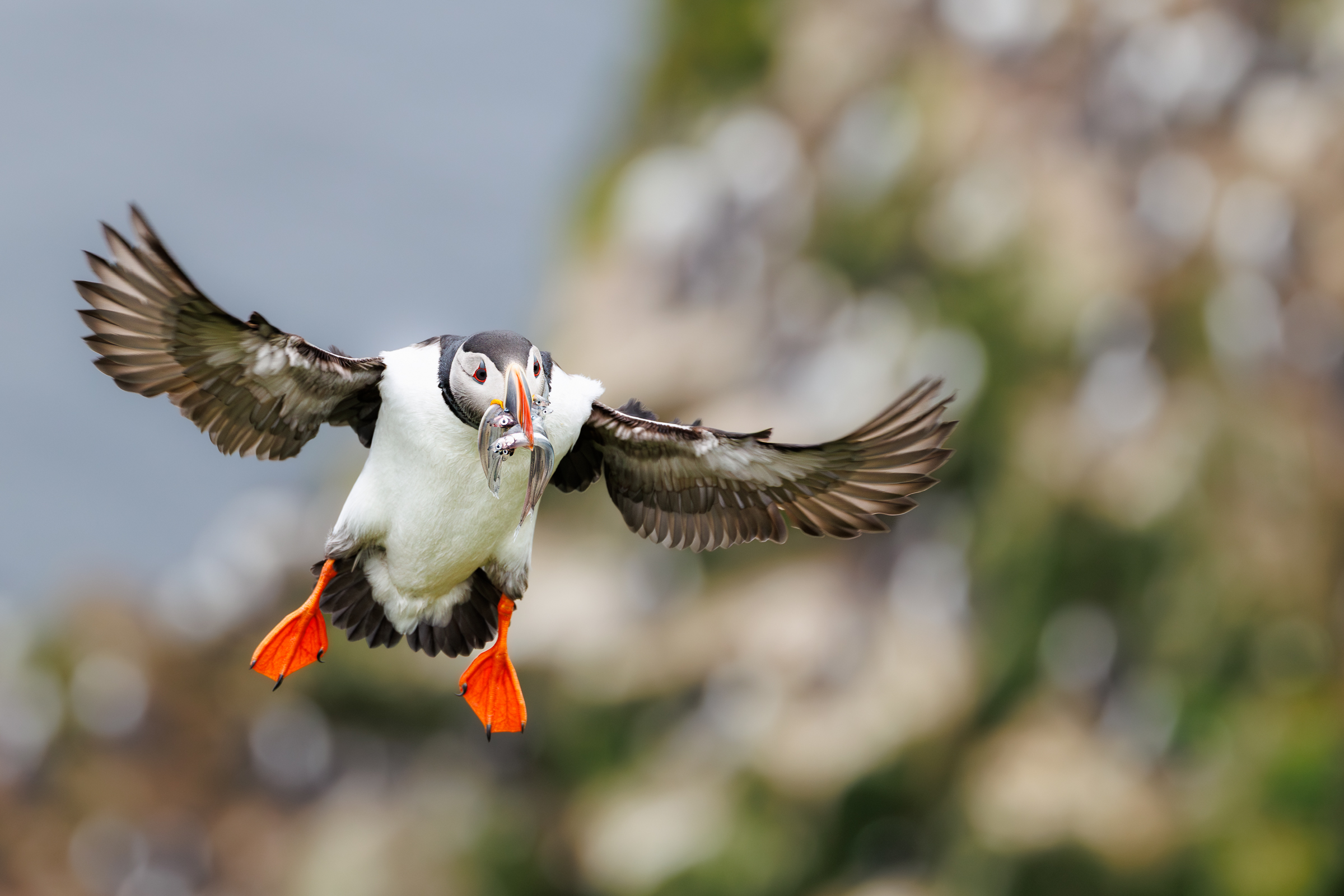
Puffins can be deceptively difficult to photograph and it’s key you know where to go to get the best shots.
What You Can Actually Photograph On Grímsey
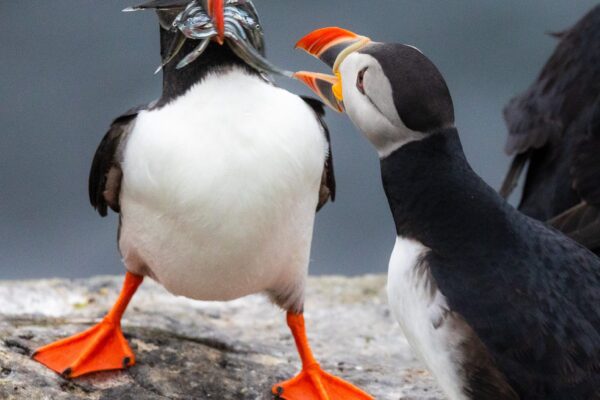
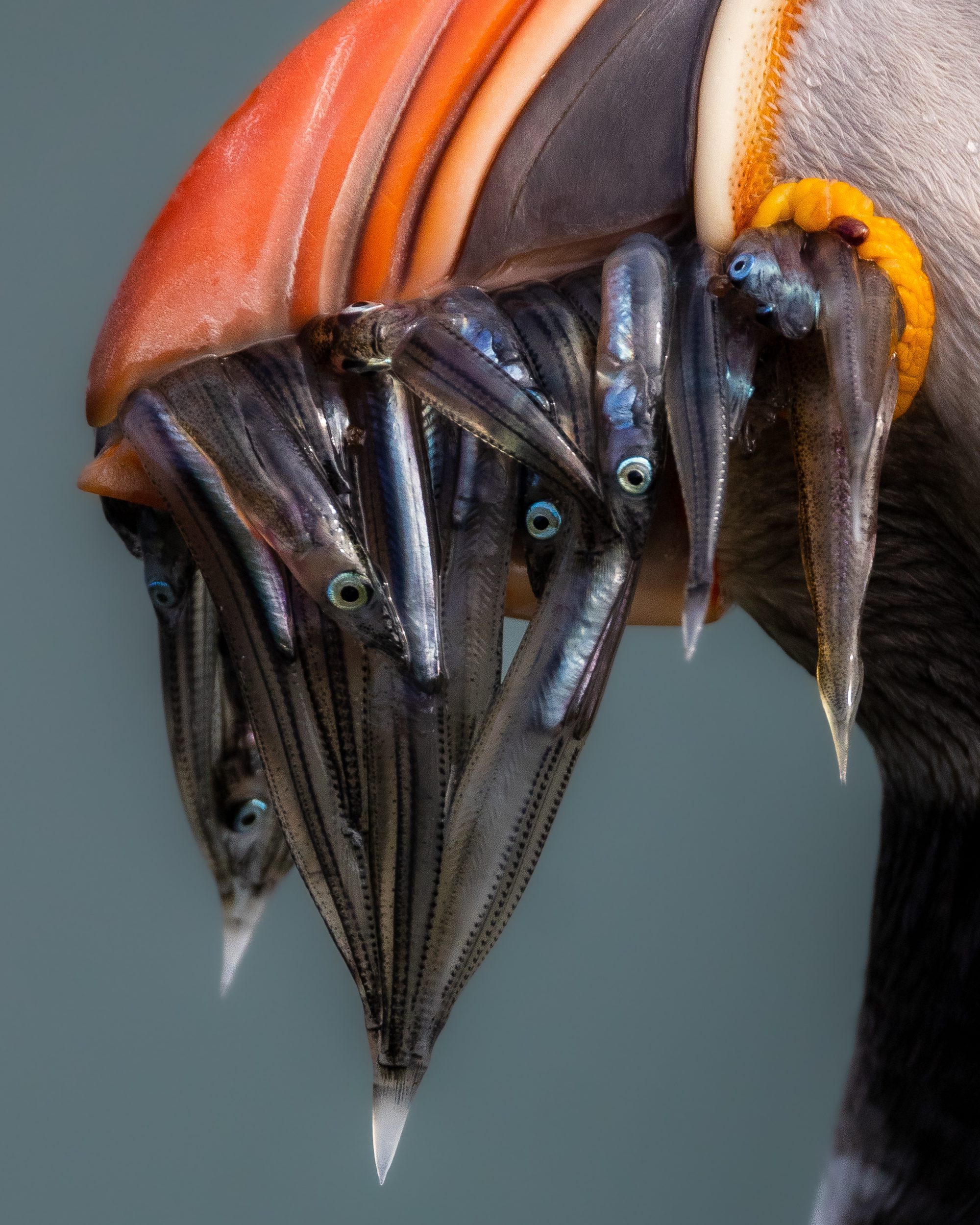
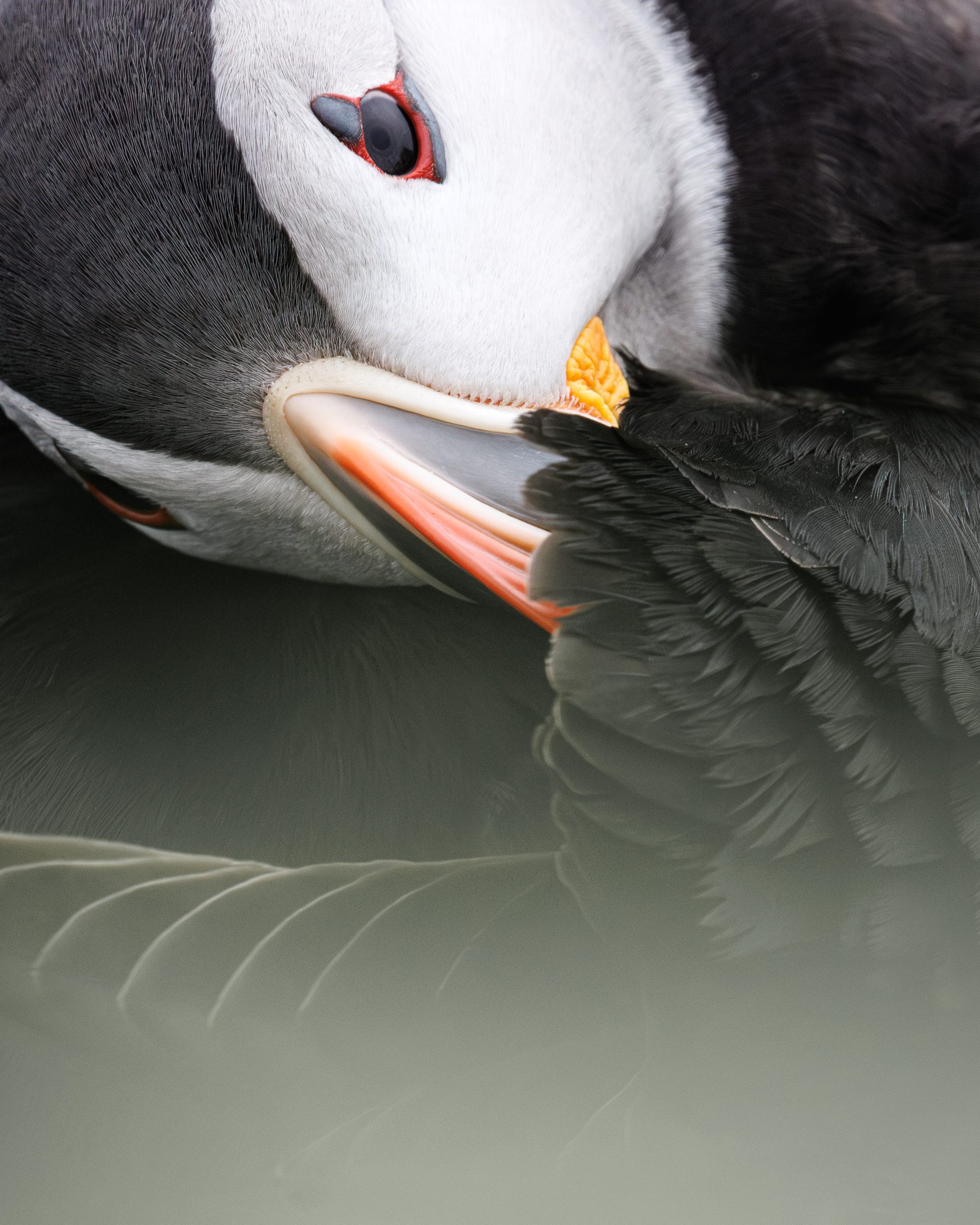
One of the biggest advantages of photographing puffins on Grímsey is the sheer variety of images you can create in a relatively small area. You are not limited to a single type of shot or a fixed perspective. With the right approach, you can build an entire portfolio, ranging from clean, intimate portraits with soft backgrounds to dynamic action shots of puffins in flight carrying fish back to the colony.
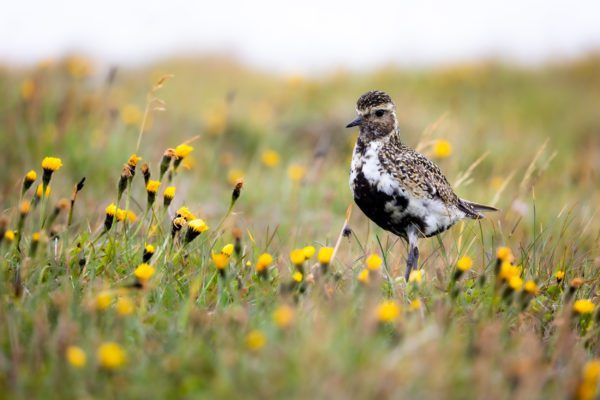
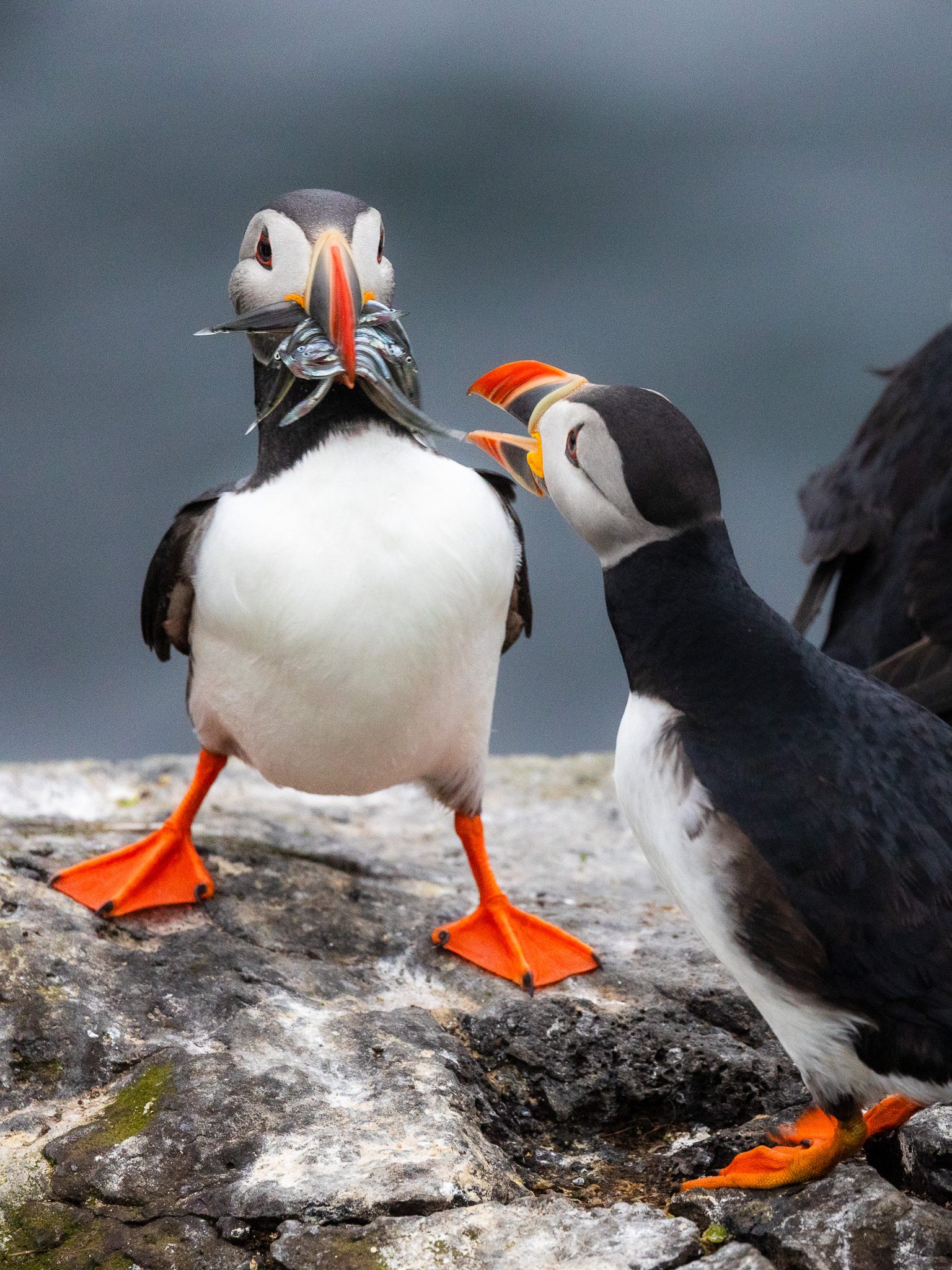
There are also opportunities to create environmental images that place the birds within the wider landscape, using the cliffs and ocean to add context and scale. On top of that, behavioural moments such as landings, interactions, and feeding sequences can add a storytelling element to your work. This variety is what elevates the experience from simply photographing a species to developing a strong and diverse wildlife portfolio.
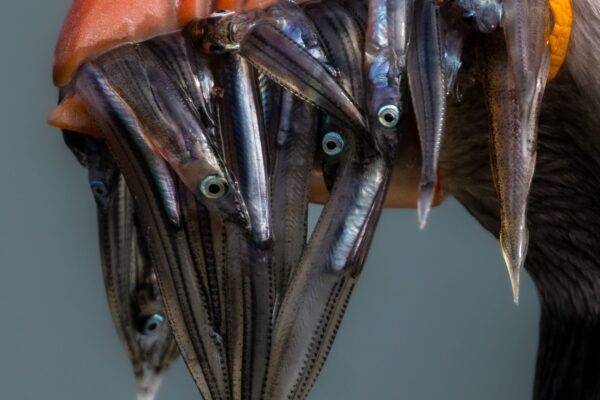
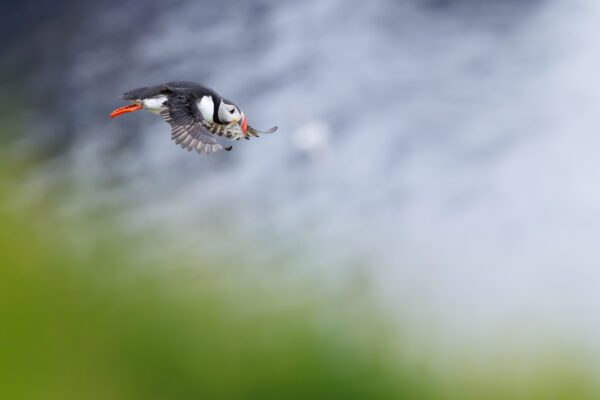
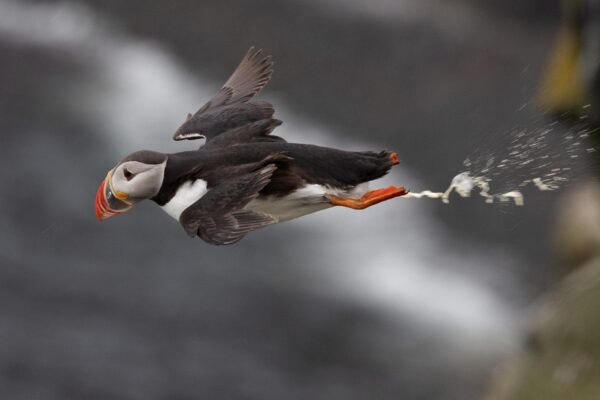
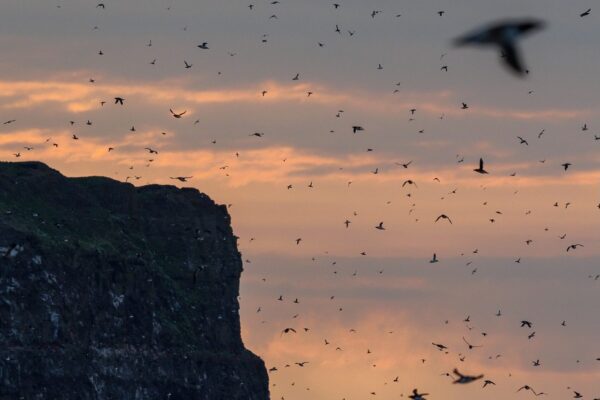
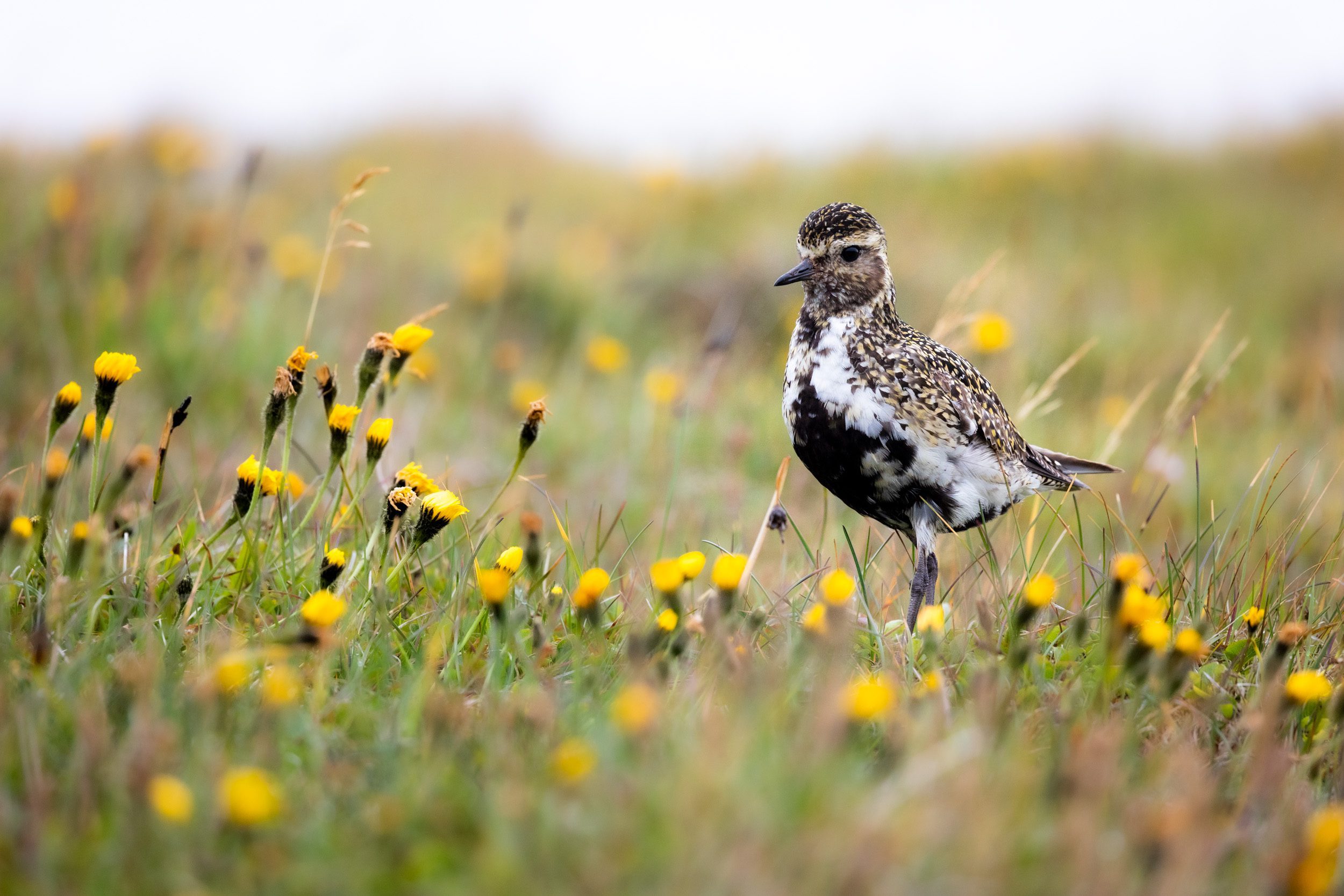
But what better way to explain how great Grímsey is than to show photographs of the birds on this magical island? These are some of my favourite images captured during my workshops on Grímsey.


Ready to Photograph Puffins the Right Way?
If you have ever dreamed of photographing puffins properly, not just seeing them but truly capturing them in a meaningful way, this is where that shift happens. Grímsey offers a rare combination of access, light, and creative freedom that is incredibly difficult to find elsewhere in Iceland, and when you combine that with the right guidance, it can completely change how you approach wildlife photography.
This is not about luck or being in the right place at the right time. It is about understanding the conditions, anticipating behaviour, and putting yourself in the best possible position to create strong images. That is exactly what I focus on during my Puffins in the Midnight Sun workshop, and why this location has become such a key part of my work.
If you’d like to shoot them there with me, take a look at my Puffins in the Midnight Sun workshop for the upcoming dates, and you can see this year’s highlights in my workshop report.
Discover Jeroen’s Photo Workshops in Iceland, Greenland & Beyond
Ready to take your photography to the next level? Join me, Jeroen Van Nieuwenhove, on unforgettable photo workshops in Iceland, Greenland, Antarctica and other exciting destinations. Whether your passion is wildlife photography, bird photography, landscape adventures, or mastering drone photography, each workshop is designed to give you hands-on guidance in some of the world’s most spectacular locations.
From puffins in the midnight sun to Arctic foxes in the wild, from glaciers and volcanoes to dramatic coastlines seen by drone – these journeys are more than workshops; they’re once-in-a-lifetime experiences. Group sizes are kept small, ensuring personal mentoring and plenty of shooting opportunities.
Looking for something specific? Check out Jeroen’s…
- Wildlife & Bird Photography Workshops (Puffins, Arctic Foxes)
- Drone Photography Workshops
- Photo Workshops in Iceland
- Photo Workshops in Greenland
- Photo Workshops in Antarctica
Spots are limited – secure your place today!
Are You Looking For A Specific Photo Workshop?
All Upcoming Photography Workshops With Jeroen
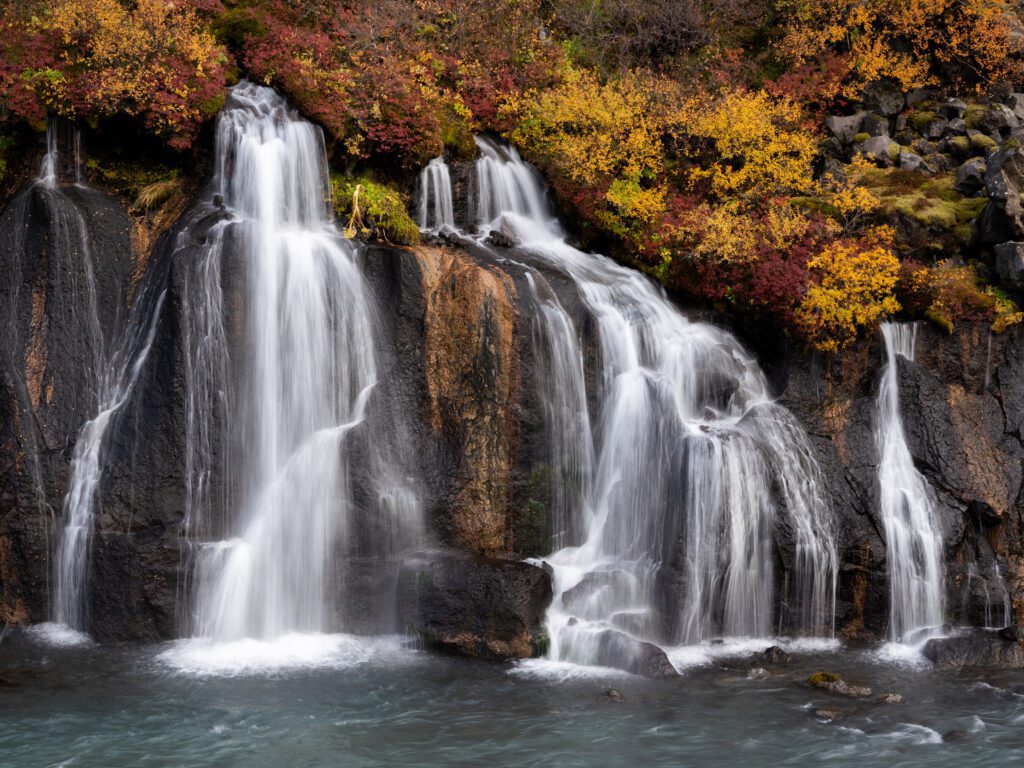
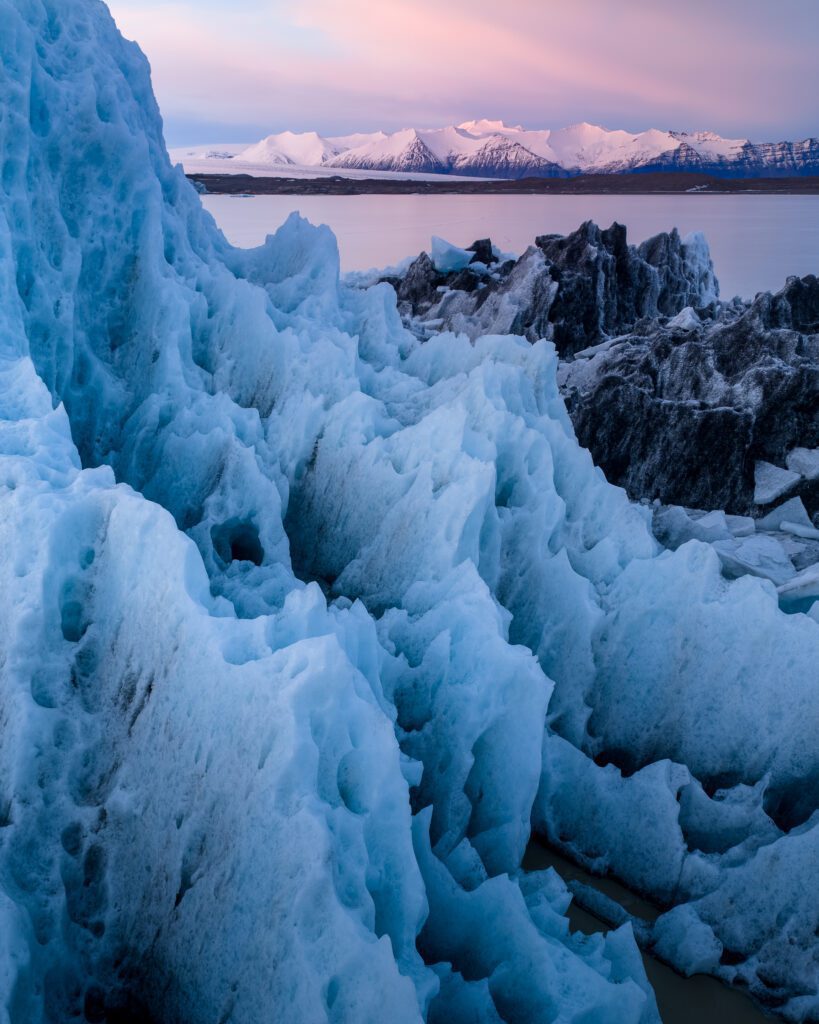
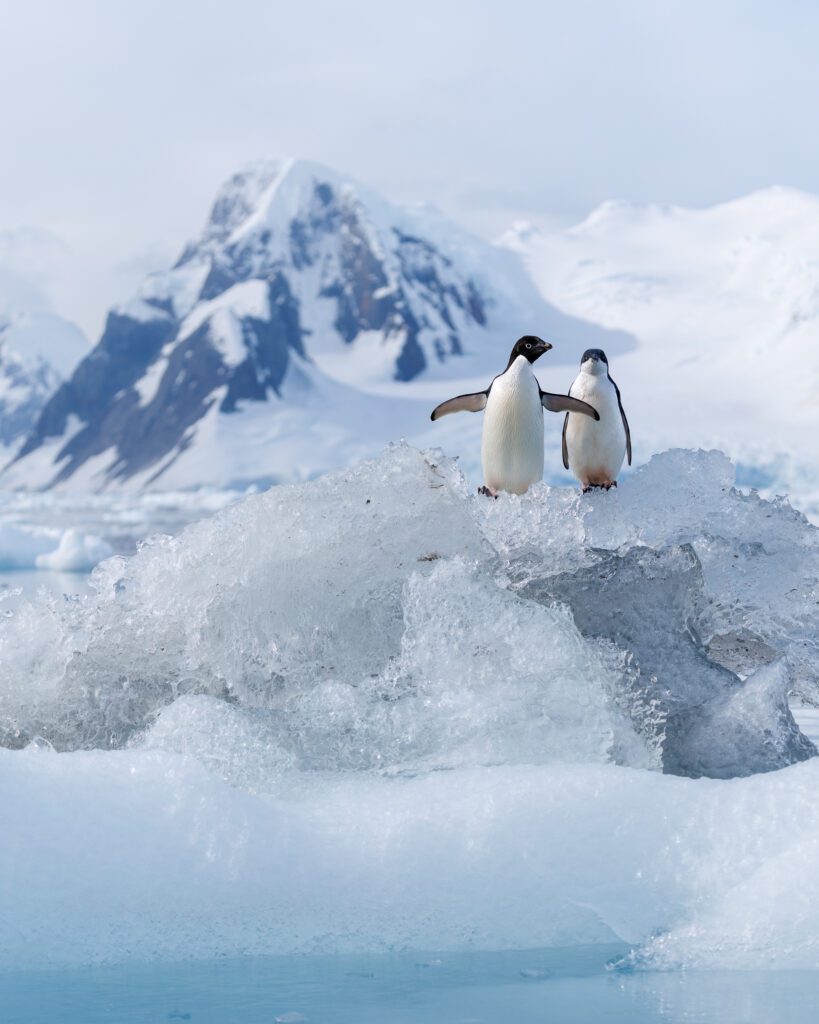
Explore all upcoming photography workshops with Jeroen and take your skills to the next level in some of the world’s most extraordinary locations. From the volcanic landscapes of Iceland to the ice-filled fjords of Greenland and the wildlife-rich polar regions such as Antarctica, each workshop is designed to help you grow creatively while experiencing unforgettable moments in the field. Browse all upcoming departures below and find your next adventure!
LAST SPOT
OPEN FOR BOOKINGS
OPEN FOR BOOKINGS
WAITLIST
WAITLIST
WAITLIST
WAITLIST
WAITLIST
WAITLIST
WAITLIST
What Previous Participants Shared About Their Experience
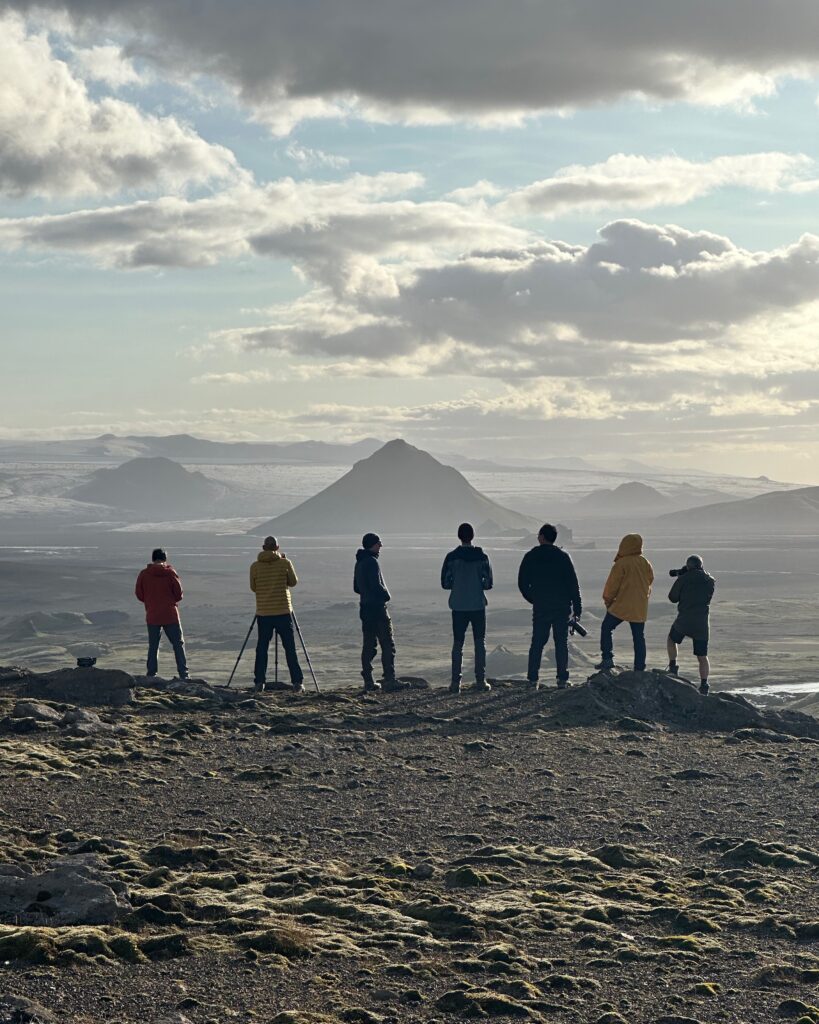
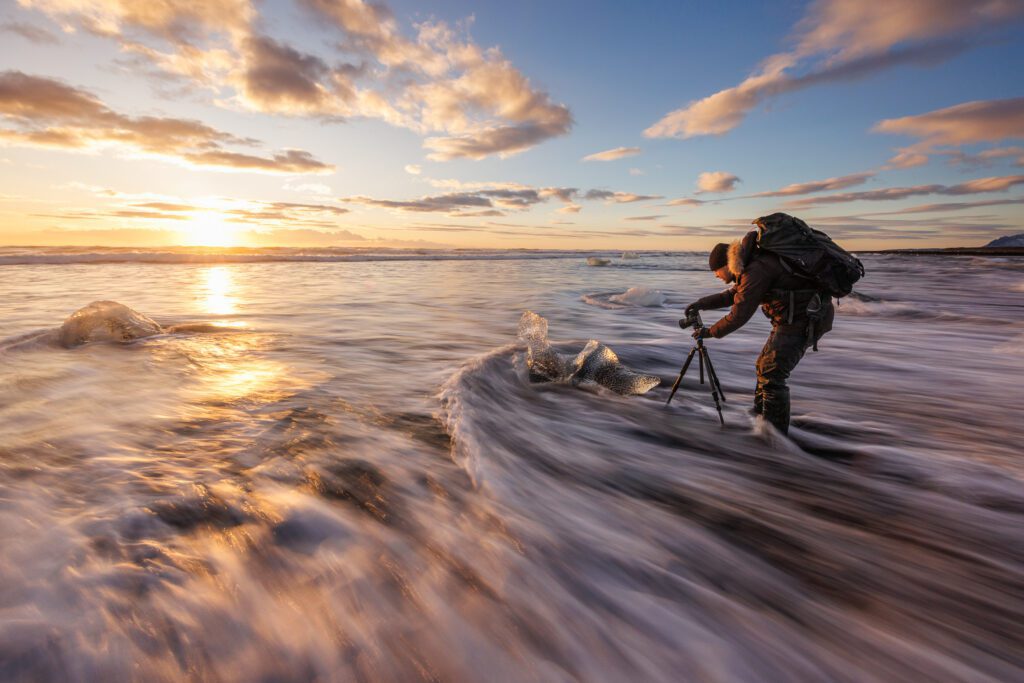
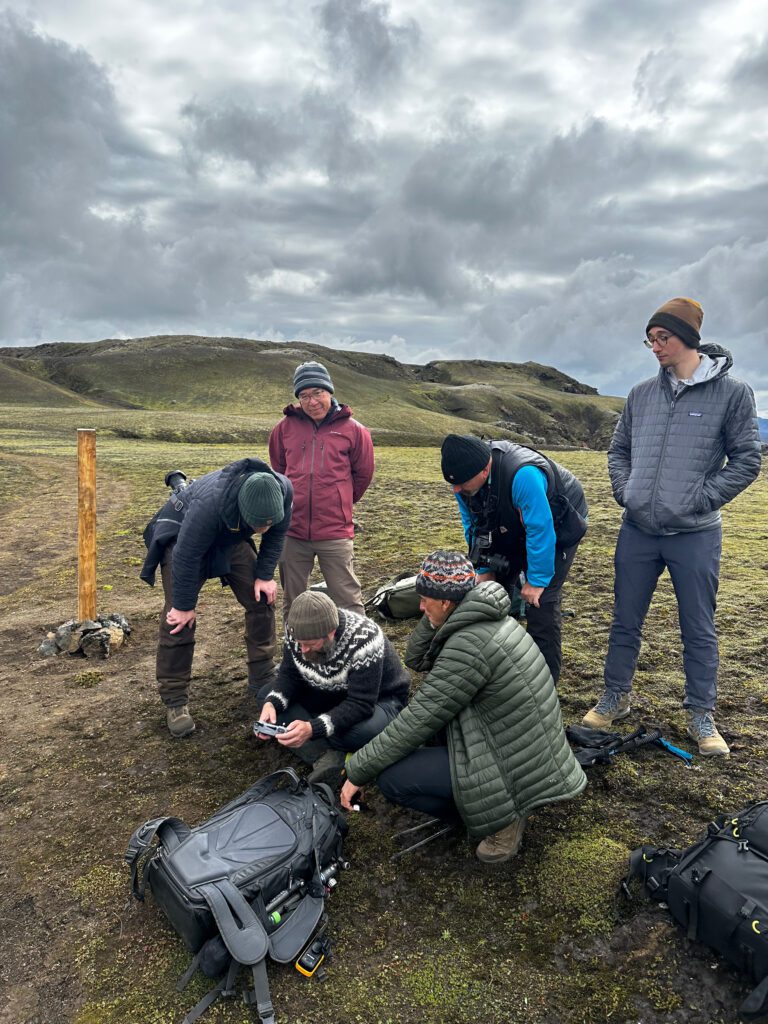
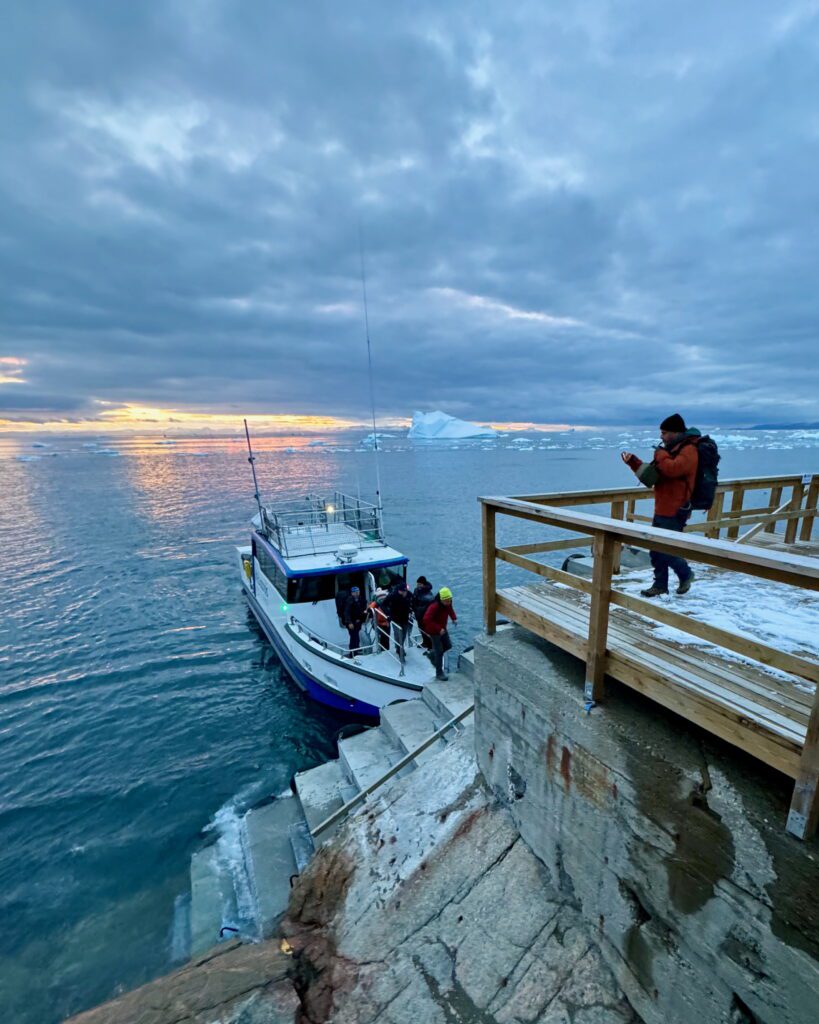
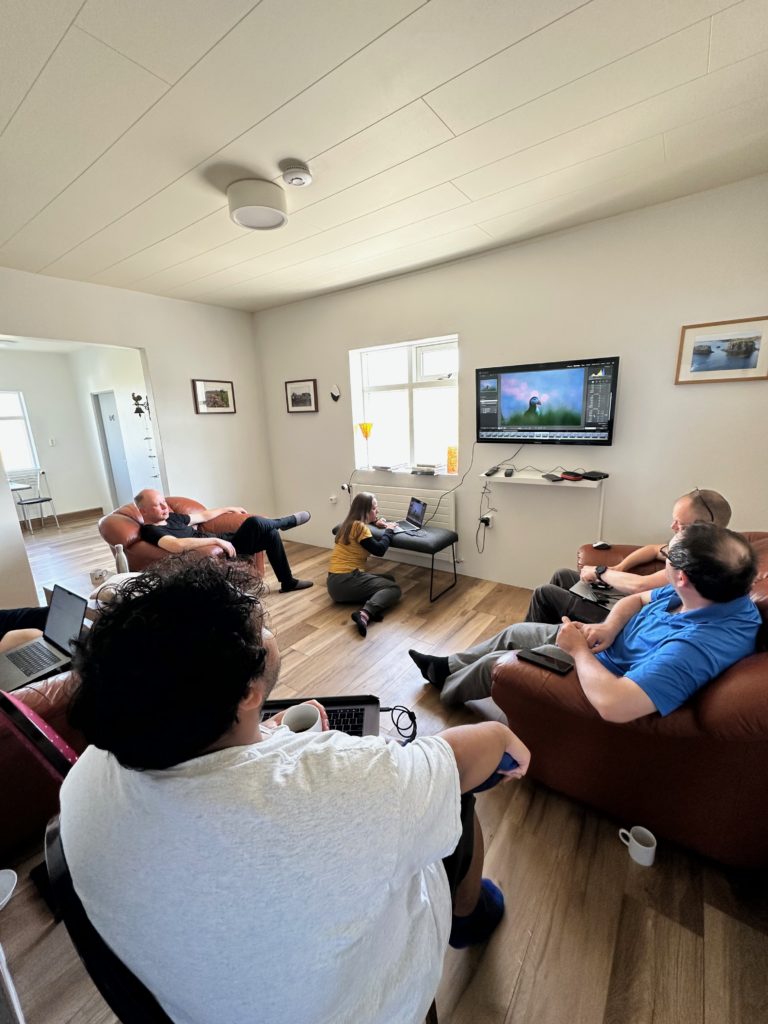
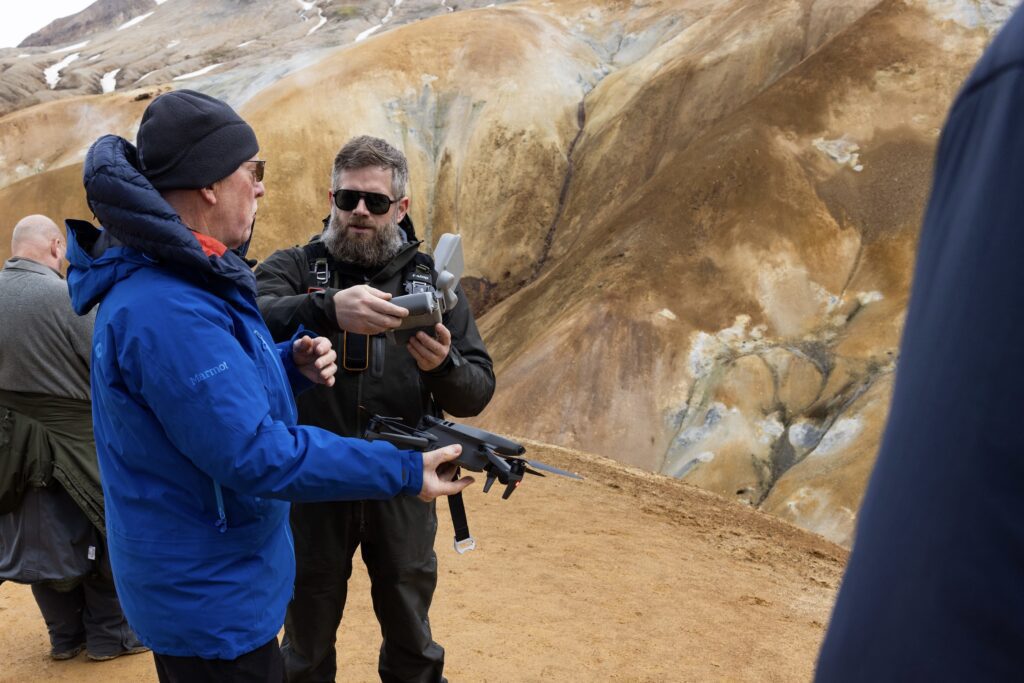
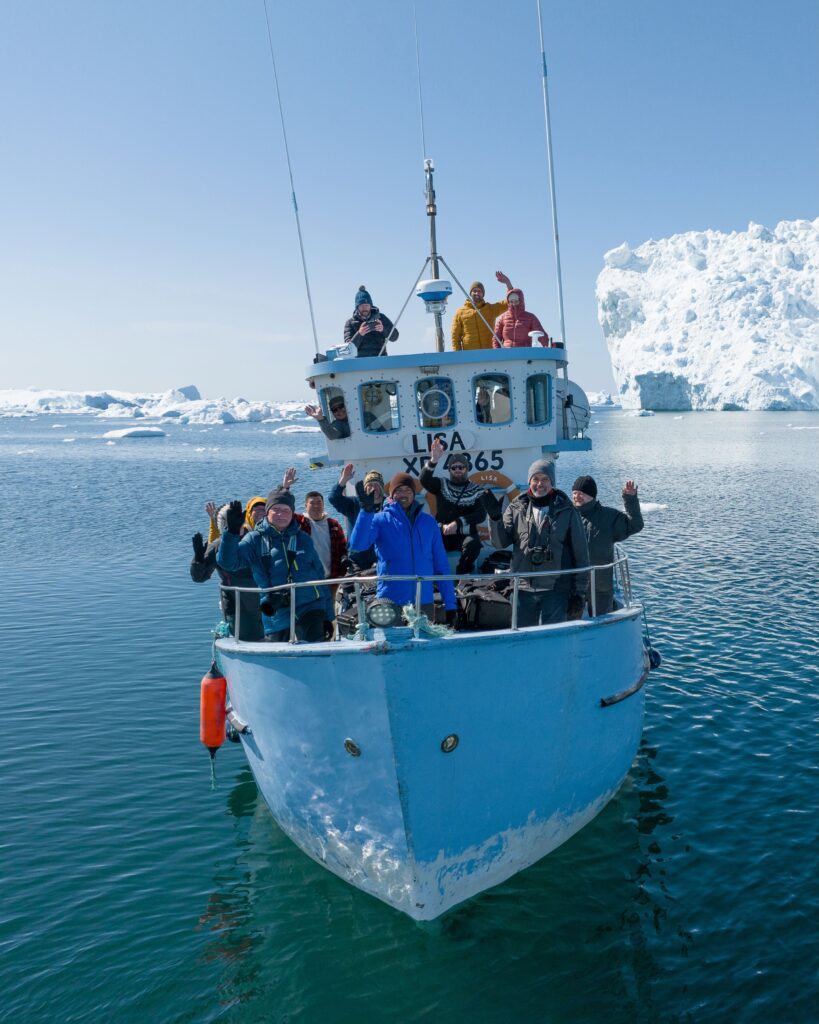
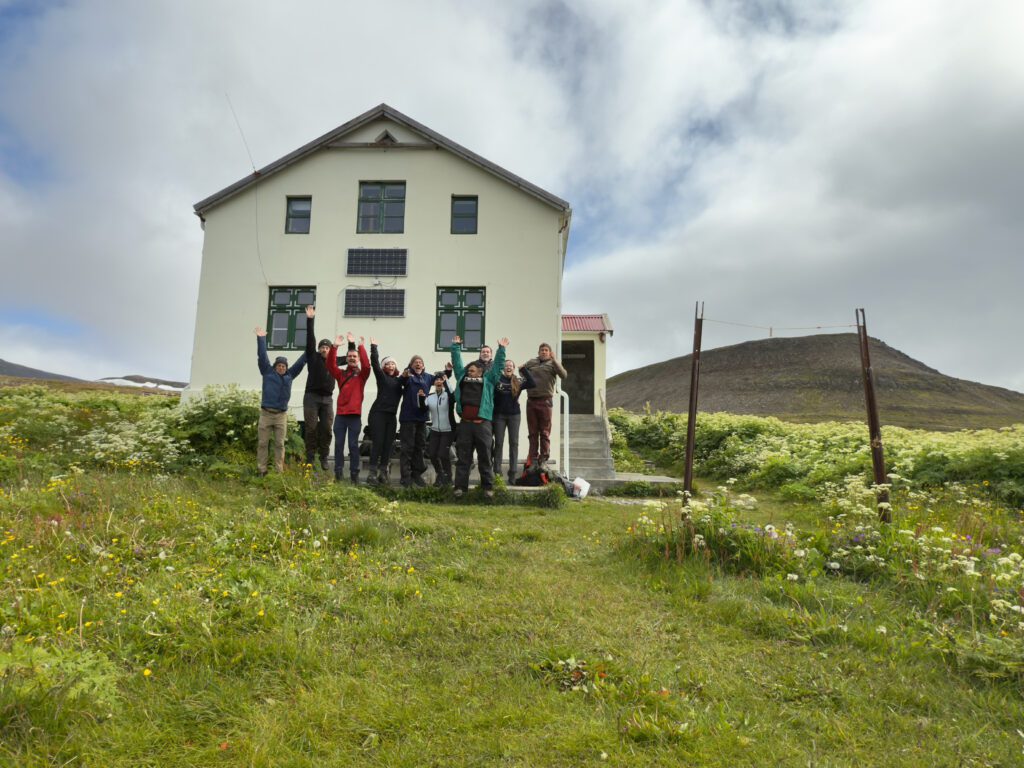
Choosing the right photography workshop is about more than just visiting iconic locations. It’s about experience, safety, timing, and personal guidance. Below you’ll find honest reviews from photographers who have joined me on landscape, wildlife & drone photo workshops in Iceland, Greenland and other locations. These testimonials reflect real experiences in small groups, hands-on instruction in challenging conditions, and the level of care Jeroen aims to bring to every workshop.
These reviews are verifiable on Jeroen’s public Google Business profile.


Support Jeroen’s Work
As an independent photographer, Jeroen partially relies on your support to keep producing worthwhile content such as blogs, photographs, books and much more. If you want to support his work, it is possible to do so by buying his e-books & books or prints.
You can also sign up to the newsletter to stay up to date on new blog posts, projects, workshops and other interesting information.
Thank you for considering!





Interested to sign-up to newsletter and for trips in 2026
Hi Peter, you are best to sign up to my waitlist where I announce new workshops. You can find it via this link: https://jvn.photo/photo-workshops/waitlist/