Disclaimer: I got access to a pre-release version of the DJI Lito 1 & DJI Lito X1. DJI did not ask me to write this review, nor did they have any insight into it beforehand. Some of the links in this article are affiliate links, which means I may earn a small commission if you buy through them, at no extra cost to you. As an Amazon Associate I earn from qualifying purchases.
Today, DJI released the new Lito series, a brand new line of drones, starting with the DJI Lito 1 & DJI Lito X1. This new line of drones is set to replace the Mini branding (not Mini Pro!) and is aimed at the lowest end of the market. I got the chance to test the Lito 1 & Lito X1 several weeks before its release, allowing me to thoroughly find out what these new drones have to offer for aerial & drone photographers. I took both of them on my recent trip to Madeira for some videography and then gave them a proper test in some of the rougher weather Iceland has to offer.
If you are interested in learning what the DJI Lito 1 & DJI Lito X1 have to offer from a photographer’s perspective, and how they compare to the DJI Mini 5 Pro, then make sure to continue reading!
You can now get 30% off the Drone Photography Masterclass. Scroll down below to enjoy the offer!
Is The DJI Lito X1 Worth It? My Quick Verdict
For a first drone, yes. If still image quality is why you’re buying, I’d spend more and get the DJI Mini 5 Pro.
The Lito X1 is the better of the two Lito drones. Compared with the Lito 1 it gets a larger 1/1.3-inch sensor and forward-facing LiDAR. It also shoots 4K at up to 100fps with D-Log M and stays under 250 grams. I flew it in Madeira and then in some of the rougher weather Iceland has to offer, and it coped with the wind better than I expected from something this small. At €419 (£369) for the drone alone at launch, it’s roughly half the price of the Mini 5 Pro.
Buy it if you’re new to drones, or if you mostly shoot video and want something affordable. Skip it if you’re buying a drone for its stills: the dynamic range runs out in high-contrast light and there’s no true vertical shooting. The 48MP mode doesn’t rescue it either, as it doesn’t give you real extra detail. The DJI Mini 5 Pro has more dynamic range and a gimbal that rotates for true vertical shots, in the same weight class.
Who Is The New Lito Series (DJI Lito 1 & DJI Lito X1) For?
Before I delve into the features & photography side of the new Lito (pronounced /ˈlaɪ.toʊ/ – similar to “Lai-toh”) series, I feel it’s important to set expectations by sharing who the DJI Lito 1 & DJI Lito X1 are aimed at. DJI aims the Lito 1 & Lito X1 at primarily young people who are looking to purchase their first camera drone. In other words: these drones are aimed at total beginners. If you are new to flying, you can pick up the fundamentals with my online drone photography course. The goal with these new Lito drones is to balance great performance, with a very affordable price point, in a small & convenient package.

The brand-new Lito series, consisting of the DJI Lito 1 & DJI Lito X1, is a line of drones that is aimed at beginning drone flyers.
You may argue that the DJI Mini 5 Pro is already filling those shoes, and I would partially agree with that. In general, sub-250 gram drones have become incredibly popular. This isn’t only attributed to their cheaper price point and light weight but also that sub-250 gram drones generally are not as restricted as bigger drones. In Europe, for example, there is currently no need to get a license in order to fly a C0 (sub-250 gram) drone which seems to be a huge benefit for most people. I don’t particularly think that should be a showstopper to buy a bigger drone, given how easy the tests are, but it does seem to be an important factor for many. However, recently, regulations have been tightening in some places, also requiring licenses for sub-250 gram drones.
I think the biggest differentiator of the Lito series compared to Mini 5 Pro is their aggressive price point. At roughly half the price of the Mini 5 Pro, these drones are set to undoubtedly become extremely popular.
Is This The End Of The DJI Mini Pro Line-Up?
No! It is important to note that DJI Lito 1 & Lito X1 are only replacing the Mini branding. The Mini line of drones includes, for example, DJI Mini 4K & DJI Mini 3. However, this should not be confused with the Mini Pro branding, which I am being told will continue to be updated as you’d expect given how popular these drones are.
Let’s Talk About DJI Lito 1
DJI Lito 1 is a beginner-friendly camera drone that tries to offer a compelling set of features in a small & affordable package. Lito 1 is now the cheapest drone in DJI’s offering and is still quite capable but unsurprisingly misses some features that may or may not matter to you.

Lito 1 has about the size of a Mini 4 Pro and has just about everything you’d come to expect of a DJI drone.
What Are The Main Features Of DJI Lito 1?
Lito 1 is a sub-250 gram drone, and therefore classed as a C0/UK0, with an estimated flying time of 30 minutes. If you leave outside of the EU & UK, you may also use the Plus batteries which give you an estimated flying time of 52 minutes.
Lito 1 comes with a 12 megapixel 1/2 inch sensor that can capture 48 megapixel images in high resolution mode. In the video department, DJI Lito 1 offers up to 4K 60fps video and 4K 100fps slow motion video. However, it only offers Normal color mode and does not have HDR or D-Log M color profiles available. Surprisingly, this little drone allows you to shoot up to ISO12800 although I have to note that those images are almost unusable due to noise and color noise.
Perfect for beginners, Lito 1 also has omnidirectional obstacle sensing which allows you to have access to MasterShots & ActiveTrack 360 for automatically tracking all kinds of moving subjects.
Lito 1 is available in a package together with the basic DJI RC-N3 remote controller, which requires a smartphone to be used, and as a Fly More Combo which includes extra batteries.
Photographs Captured Using DJI Lito 1
As you’d expect for a photography-focused review, I went out and used the camera! I spent time on the Reykjanes Peninsula here in Iceland capturing images with Lito 1.
When shooting, I used both the DJI Lito 1 & DJI Lito X1 at the same time so all of the similar images were captured under the same lighting conditions, in the same environments. What I found is that the photographs produced by the Lito 1 are quite nice in good light. I was impressed by the pretty accurate white balance & tint but given its low image resolution, you should not expect to crop or make large prints. The images generally look nice and sharp. However, when capturing images at higher ISO ranges, the image quality drops off sharply. In a next section you can find a link to a detailed RAW file comparison I made if you are curious about the details.
The images you will see below are single shots, which have been lightly edited.


Creating HDR Panoramas With DJI Lito 1
Because the DJI Lito 1 is not capable of rotating its gimbal & camera into a vertical orientation, the only way you can get vertical shots is by creating vertical panoramas. However, that doesn’t need to be a bad thing as it is also a way to really push the photographic capabilities of this little drone to the maximum. Creating bracket panoramas, or HDR panoramas, is a great way to get high quality results from even the smallest sensors.
However, there are still limitations… Because of the limited bracketing range (maximum of 5) and the limited dynamic range in the RAW files, the Lito 1 struggles with high contrast scenes.
Below are two examples of vertical panoramas I created for the purpose of this review. In normal lighting situations, you will get nice results with the Lito 1 but when you have high contrast situations, the end results will not be as great as with, for example, the DJI Mini 5 Pro and other more expensive drones.
If you want to learn more about creating HDR panoramas with your drone, make sure to check out the Drone Photography Masterclass.

When you are not photographing a high contrast scene, or with the sun directly behind the drone, you can get quite nice results when creating HDR panoramas.

However, in high contrast-scenes, even a bracketed HDR panorama does not hold up well enough to get a nice result as you can see by the blown out sky.
Examining The DJI Lito 1 RAW Files
If you want to dive into more detail and look at the Lito 1 RAW files, you will be pleased to know that I have published a new blog containing RAW files of DJI Lito 1, DJI Lito X1 & Mini 5 Pro – shot at various ISO ranges. You can download the files and compare them in detail yourself!
Lito 1’s Bigger Brother: The DJI Lito X1
DJI Lito X1 is also a beginner-friendly camera drone but has some extra features up its sleeve compared to Lito 1. You can essentially look at it as a more affordable version of the DJI Mini 4 Pro in terms of specifications although that comparison may not entirely make sense given it does not have a rotatable gimbal.
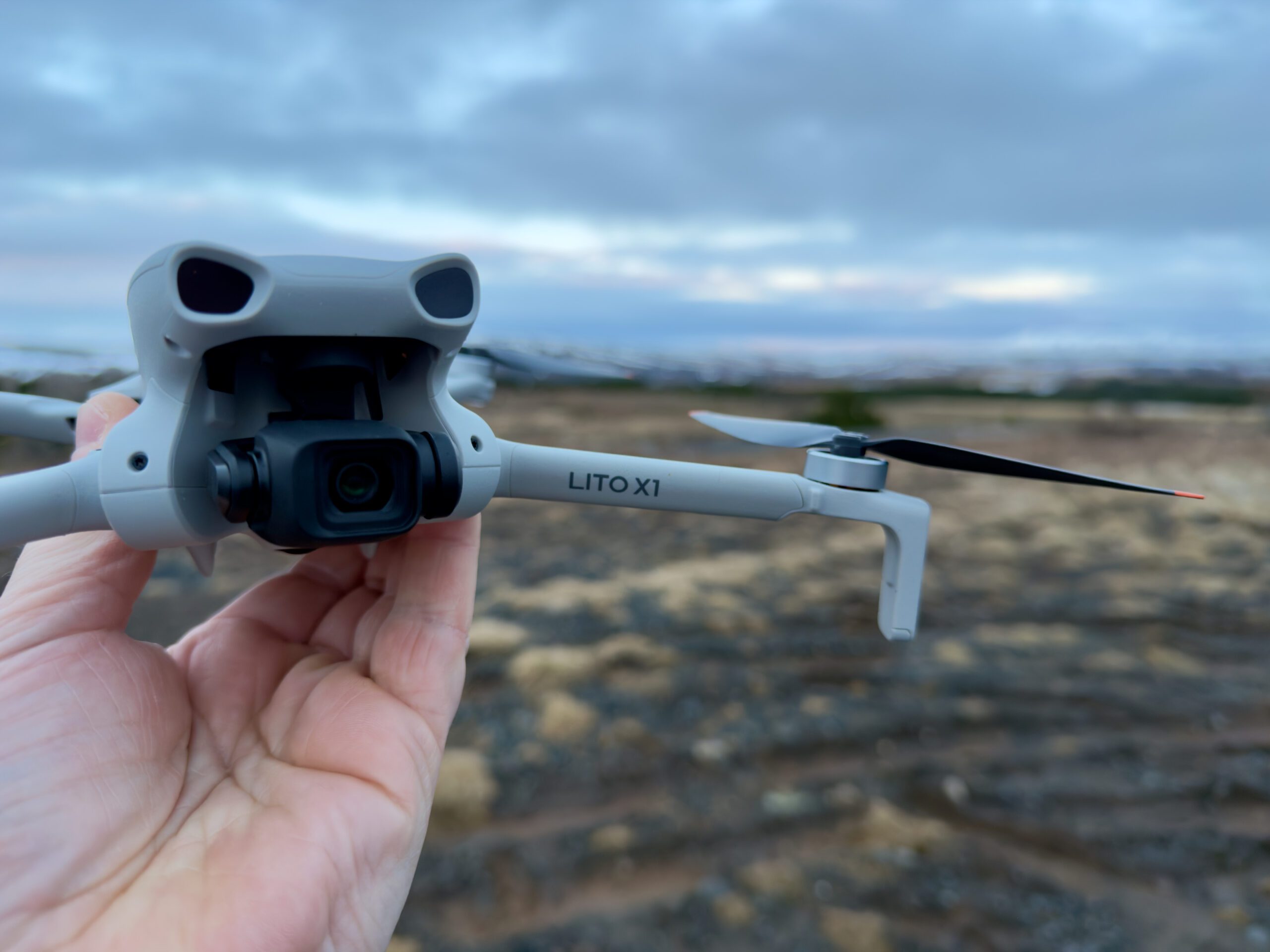
Lito X1 has the same size of Lito 1 but has a bigger camera and front-facing LiDAR in the front housing.
What Does DJI Lito X1 Offer Over Lito 1?
Lito X1 has all of the features and functionality of the Lito 1 with some improvements. Lito X1 is a sub-250 gram drone, classed as a C0/UK0, with an estimated flying time of 30 minutes. If you live outside of the EU & UK, you can get the Plus batteries which give you an estimated flying time of 52 minutes.
Lito X1 comes with a bigger 1/1.3 inch sensor, that also has 12 megapixel and can capture 48 megapixel images in high resolution mode. This sensor is more capable in low light compared to the Lito 1. In the video department, DJI Lito X1 offers up to 4K 60fps video and 4K 100fps slow motion video, with HDR and 10-bit D-Log M color profiles for those who prefer to color-grade their footage. It also has a better auto-focusing system with a wider focus area and the ability to better focus on nearby objects.
The omnidirectional obstacle sensing has also a slight edge over Lito 1 as it features front-facing LiDAR which allows you to have forward-facing obstacle detection in the dark.
Lito X1 is available in a package together with the basic DJI RC-N3 remote controller, which requires a smartphone to be used, or the standalone DJI RC 2. There are also Fly More Combo sets which includes extra batteries for both of those versions. Finally, there is a Fly More Combo edition that also includes Plus batteries (outside of the UK & EU).
Photographs Captured Using DJI Lito X1
As you’d expect for a photography-focused review, I went out and used the camera! I spent time on the Reykjanes Peninsula here in Iceland capturing images with DJI Lito X1.
When shooting, I used both the DJI Lito 1 & DJI Lito X1 at the same time so all of the similar images were captured under the same lighting conditions, in the same environments. What I found is that the photographs produced by the Lito X1 are quite nice in good light but I was surprised by the inaccurate white balance & tint. Most of the images came out a lot less natural & more “greenish”, which can of course be fixed during post-processing. I felt this was rather odd given Lito 1‘s spot on colors. It should be noted I used a pre-release version of Lito X1 with pre-release software so perhaps this will be adjusted in a software update. Finally, given its low image resolution, you should not expect to crop or make large prints. However, when capturing images at higher ISO ranges, the image quality drops off sharply. In a next section you can find a link to a detailed RAW file comparison I made if you are curious about the details.
The images you will see below are single shots, which have been lightly edited.


Creating HDR Panoramas With DJI Lito X1
As is the case with the DJI Lito 1 , the DJI Lito X1 is not capable of rotating its gimbal & camera into a vertical orientation, the only way you can get vertical shots is by creating vertical panoramas. And again, that doesn’t need to be a bad thing as it is also a way to really push the photographic capabilities of this little drone to the maximum. Creating bracket panoramas, or HDR panoramas, is a great way to get high quality results from even the smallest sensors.
Also with the DJI Lito X1 there are limitations… Because of the limited bracketing range (maximum of 5) and the limited dynamic range in the RAW files, the Lito X1 struggles with high contrast scenes.
Below are two examples of vertical panoramas I created for the purpose of this review. In normal lighting situations, you will get nice results with the Lito X1 but when you have high contrast situations, the end results will not be as great as with, for example, the DJI Mini 5 Pro and other more expensive drones.
If you want to learn more about creating HDR panoramas with your drone, make sure to check out the Drone Photography Masterclass.

Despite the bigger sensor and higher price point, DJI Lito X1 struggles just as much with high contrast scenes as Lito 1. This unedited panorama also shows the green color cast I mentioned well.

However, when you don’t photograph directly into the harsh light, you will get crispy images.
Examining The DJI Lito X1 RAW Files
If you want to dive into more detail and look at the Lito X1 RAW files, you will be pleased to know that I have published a new blog containing RAW files of DJI Lito 1, DJI Lito X1 & Mini 5 Pro – shot at various ISO ranges. You can download the files and compare them in detail yourself!
Why DJI Lito 1 & DJI Lito X1 May Not Be For You
While the Lito 1 & X1 are great little beginner drones at their price point, you may want to look at something more capable depending on some of the downsides to getting the cheapest drones DJI has to offer. Below are some of the downsides that stood out most to me when examining the Lito Series from a photography point of view.
Image Quality
Firstly, the most obvious downside to me is that the image quality of Lito 1 & Lito X1 is not as great as the DJI Mini 5 Pro. By that I don’t mean that you can’t get great results with it but within this category of drones, the Mini 5 Pro is definitely the better option – though it’s more expensive. While Lito 1 or Lito X1 give you nice & crisp images, the quality drops off at higher ISO ranges which is a lot less of an issue with Mini 5 Pro.
However, the reality is that there will always be a better option on the market when it comes to image quality which begs the question whether that which you get from Lito 1 or Lito X1 is good enough for you. If image quality is a bigger concern than price, the Mini 5 Pro is the way to go. If even that is not sufficient, you should be looking at bigger and heavier drones, with more license requirements. What do you value most? Is it price, weight, licensing requirements or image quality?
Want to pixel-peep before you decide? I’ve put the original RAW files from all three drones online so you can compare the Lito 1, Lito X1 and Mini 5 Pro RAW files yourself at 100 % on your own screen. It’s the only way to really see how each new sensor holds up against the Mini 5 Pro in the shadows and the corners.
High Resolution… Or Not?
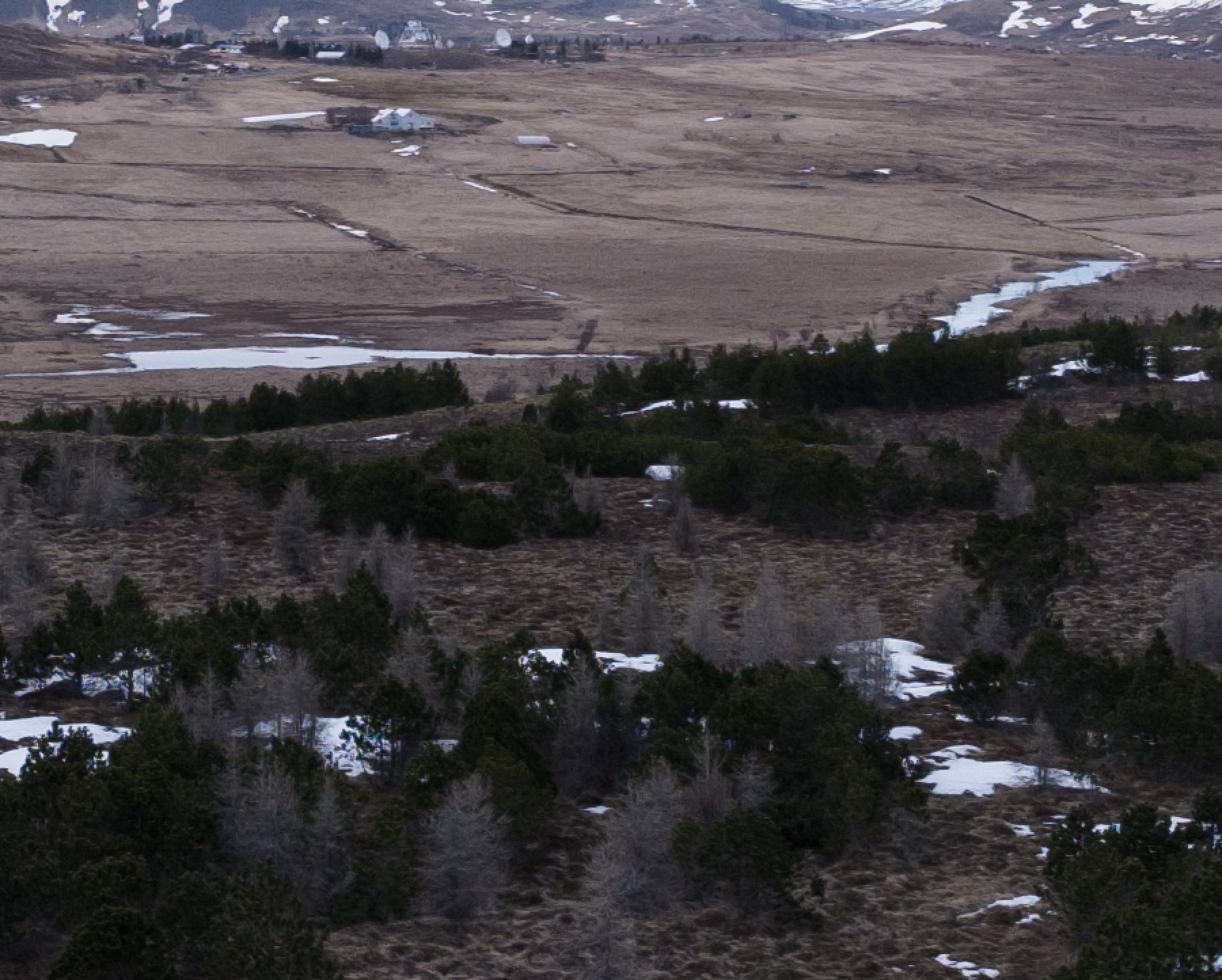
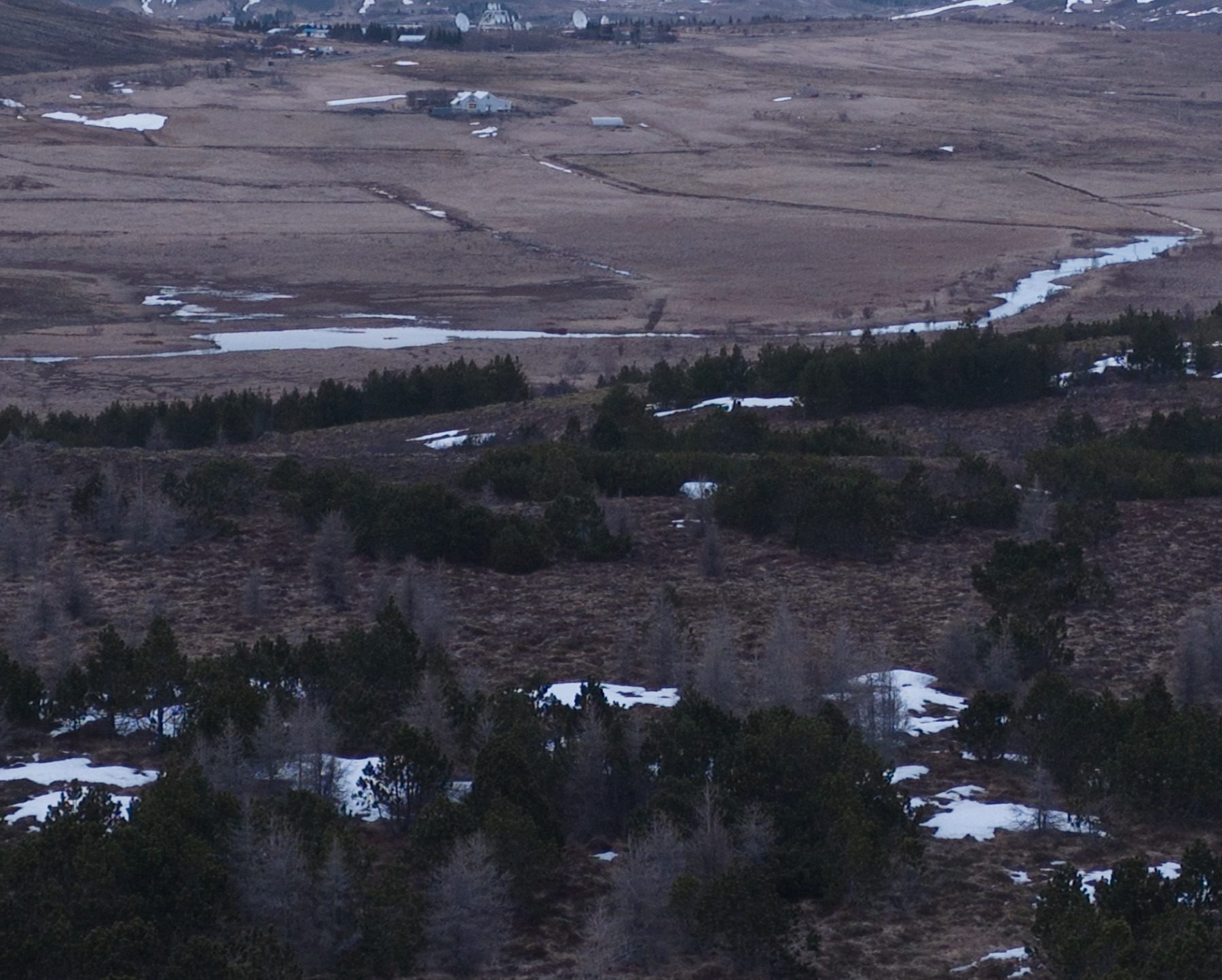
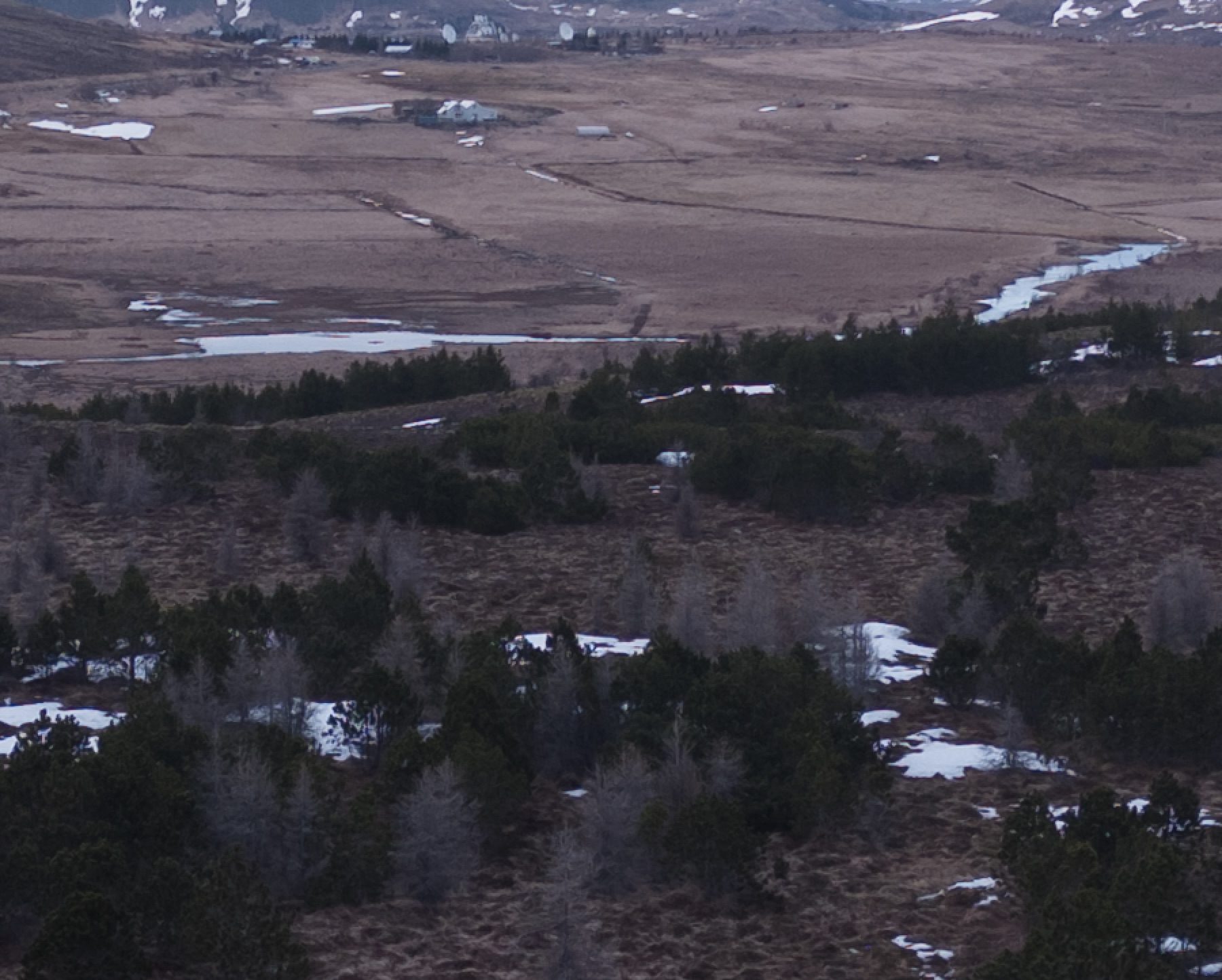
Additionally, while DJI Lito 1 & Lito X1 are advertised as having 48 megapixels to work with, it isn’t really what you’d expect when talking about a 48 megapixel sensor. I didn’t really find any difference between the 12 megapixel and 48 megapixel photographs. Yes, the high resolution ones are considerably larger files but when looking at the files more closely, there is no real detail increase. Also, by using the high resolution mode, you give up dynamic range which is already quite limited in these budget drones.
This is best illustrated with the example below. From the same angle, I made a comparison between a 48 megapixel (left) and a 12 megapixel (right) version of the same composition. To make the comparison complete, I zoomed in to 100% on the 48 megapixel version, while I zoomed in to 200% on the 12 megapixel version. I see no visible differences in sharpness. It should be noted that I have found this to be the case with any drone that uses quad-bayer technology. During other testing I have found that upscaling the 12 megapixel files during post-processing on such drones sometimes gives you a better result. Food for thought!
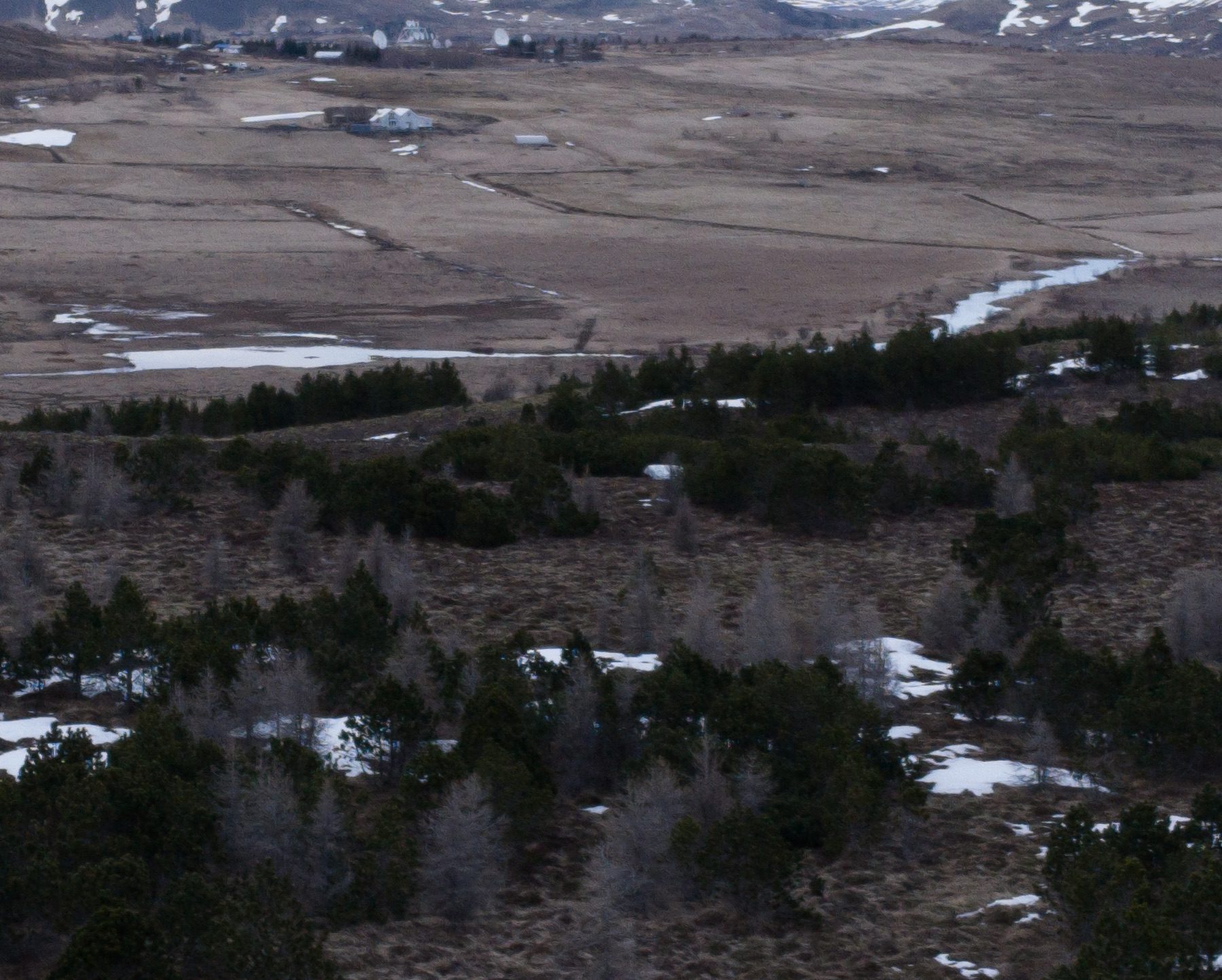
DJI Lito 1 – 48 megapixel 100% crop
DJI Lito 1 – 12 megapixel 200% crop
DJI Lito X1 – 48 megapixel 100% crop
DJI Lito X1 – 12 megapixel 200% crop
Vertical Shooting (Or Lack Thereof)
If you value vertical shooting, you may also want to look at a more expensive drone. While there is a vertical crop mode available in video mode, there is no way to physically rotate the gimbal to enable true vertical photography or videography. In video mode, the vertical cropping feature still gives you a decent resolution video of 2.7K but in photography, you will have to make do with a crop on an already low resolution of 12 megapixels.
Limited Software Features
There are also a few software choices that may or may not be dealbreakers to you. When using the Automated Exposure Bracketing feature (AEB), the software only allows you to capture 3-shot or 5-shot brackets (one regular exposure plus 1 or 2 under- and overexposed shots). Because of the limited dynamic range when shooting stills, this could pose issues in high contrast situations. Additionally, while there are various panorama modes available, the Free Panorama Mode is not on Lito 1 & Lito X1. However, these features are all available on DJI Mini 5 Pro.
Wind May Be A Concern
While I was impressed by how well the Lito 1 & Lito X1 handled extremely windy conditions, it is important to note that the flight speed and battery life take a serious hit. If you are someone who often finds themselves in very windy situations, it is imperative you look at a larger drone. Bigger, more capable, drones will have better battery life, fly reasonably fast and stay stable.
Additionally, the Lito 1 & Lito X1 aren’t the most stable for video recordings in windy situations. While these drones are really capable, they do tend to bounce around quite a bit. For photography this isn’t a big deal but for video, it is almost impossible to expect it will remain stable in really windy conditions.
Fly These With Me
Drone Photo Workshops In Iceland & Greenland
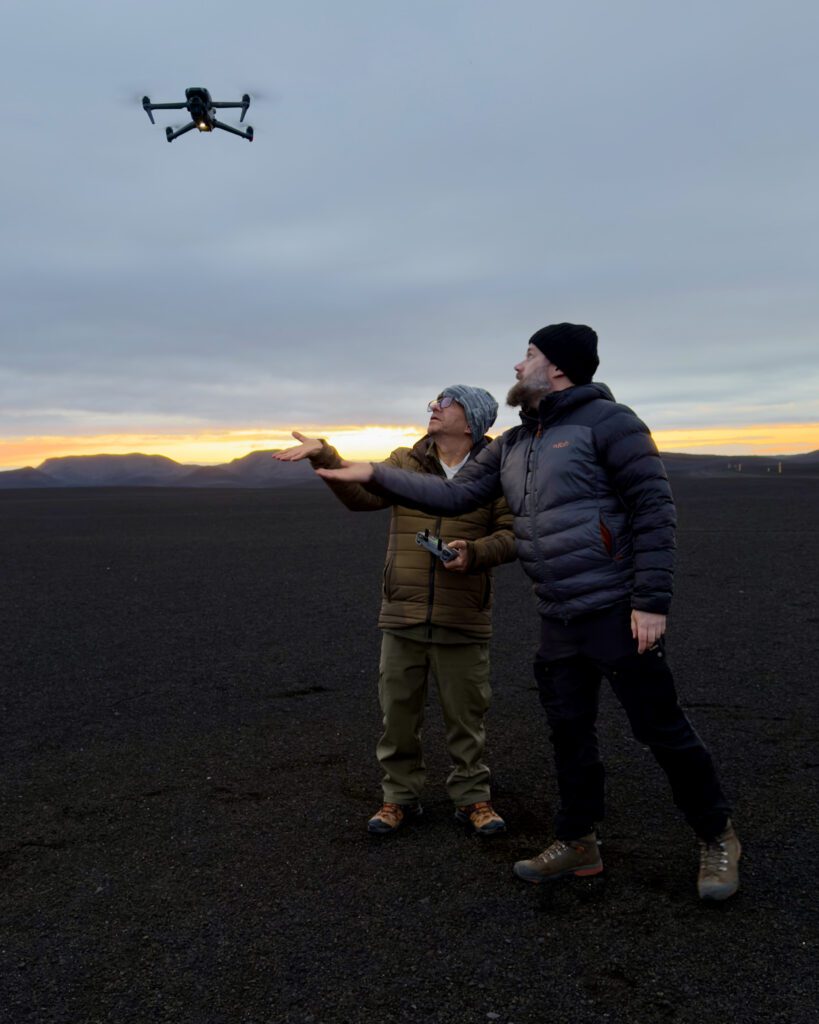
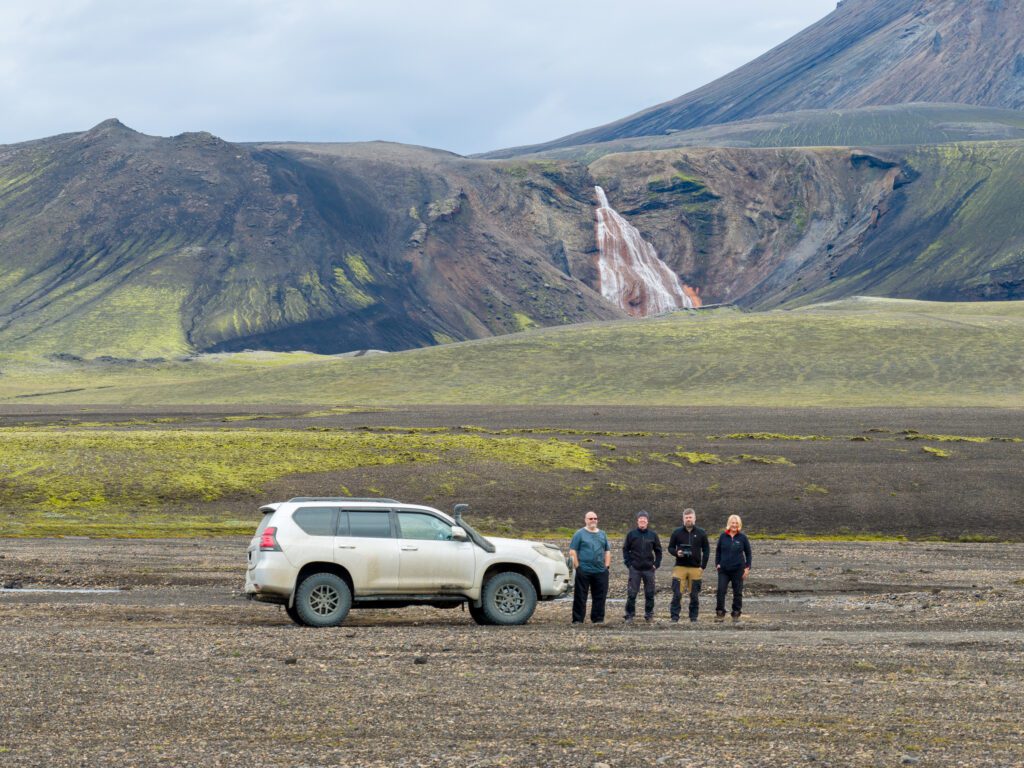
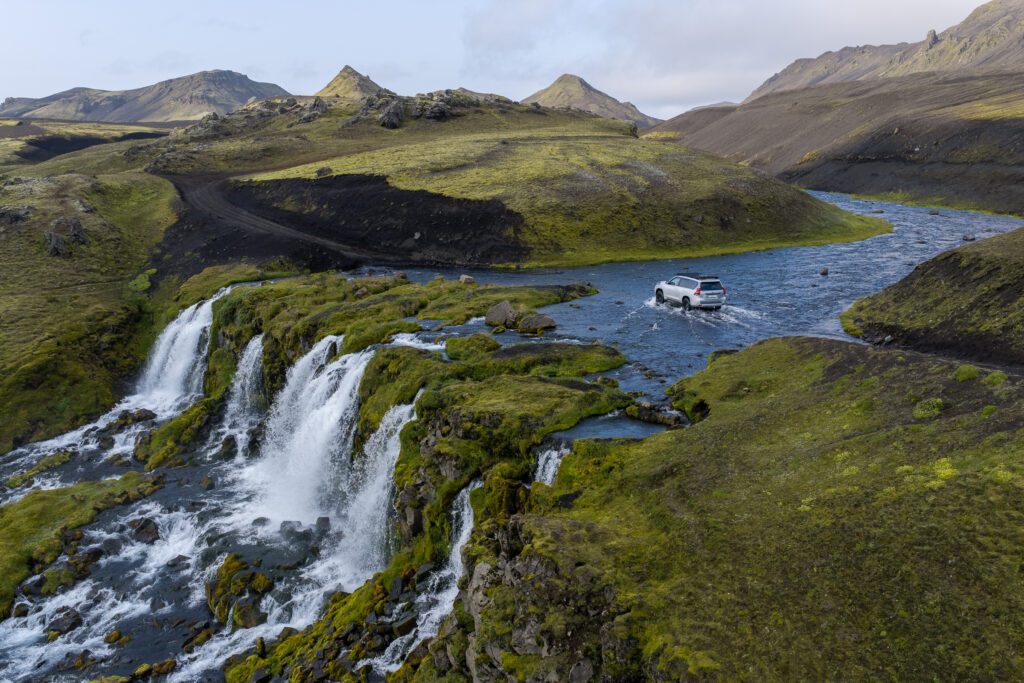
The quickest way to find out whether a drone suits you is to fly it somewhere worth photographing. That’s what my Iceland and Greenland workshops are for. I’ll show you where I fly and why I keep some images and delete others.
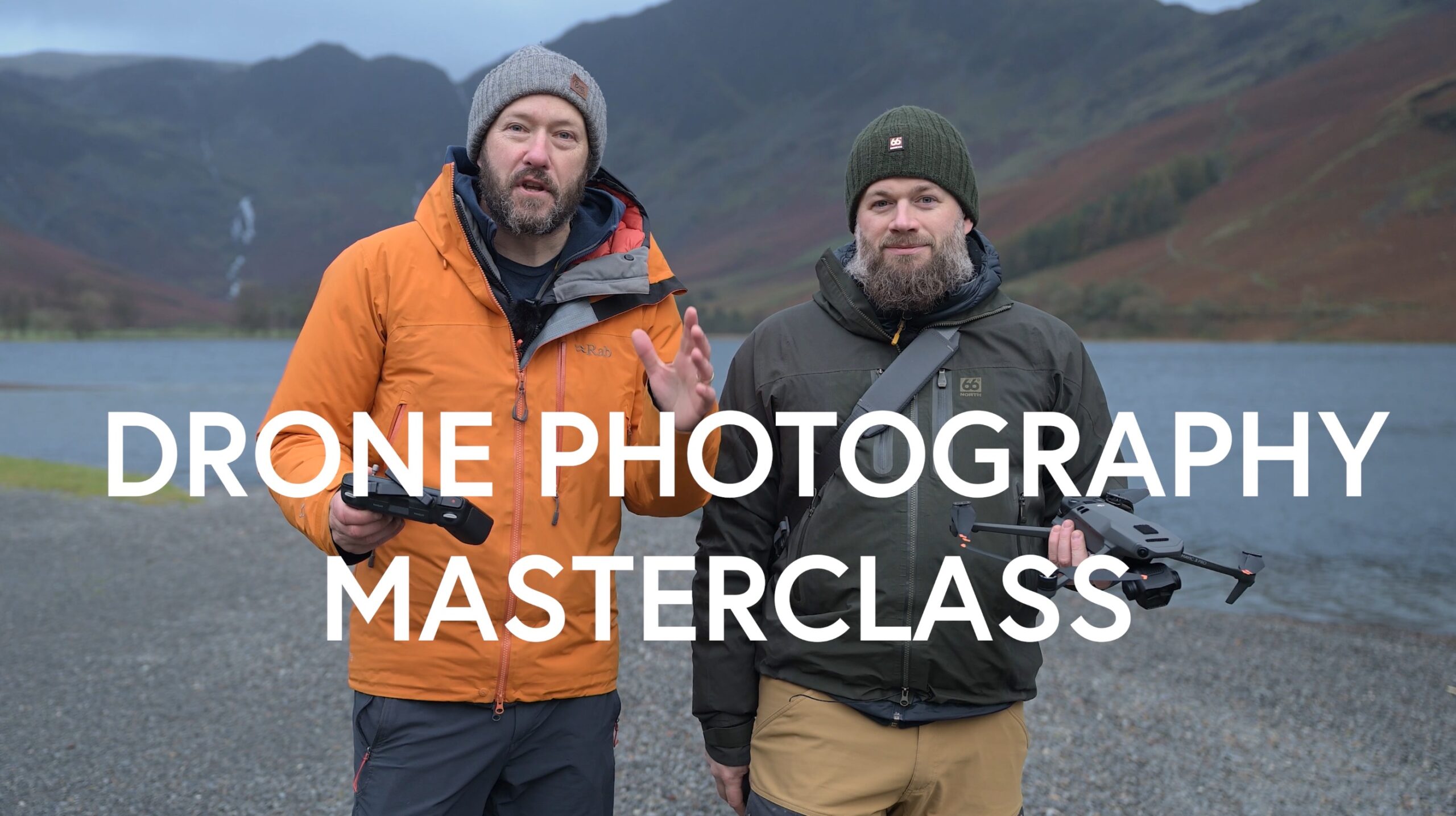
If a trip up north isn’t on the cards, the Drone Photography Masterclass I made with Nigel Danson covers the same workflow at home: 17+ hours of lessons on planning, flying, composing and editing, with RAW files to practise on.

Important: The UK’s & Europe’s 120 Meter Above-Takeoff-Point Altitude Limitation On C0/UK0 Drones
Finally, it is good to know that there are two big caveats with all UK0 & C0 drones when they are bought or even just flown in Europe. Firstly, because of the UK0 & C0 classification, the larger Plus batteries are not available to European customers.
The second caveat relates to the EU drone regulations that went into effect on January 1st 2024, and the new UK regulations on January 1st 2026. Because of these new rules, all sub 250 gram drones (C0 & UK0) have a limitation when flown in Europe/UK regardless of where they were bought originally. The limitation is that they are capped at a maximum altitude of 120 meters above takeoff point. This applies to any sub 250 gram drone sold globally unless you requested it to be unlocked beforehand. This is a major issue for people flying in areas where there are a lot of height differences such as in mountainous areas.
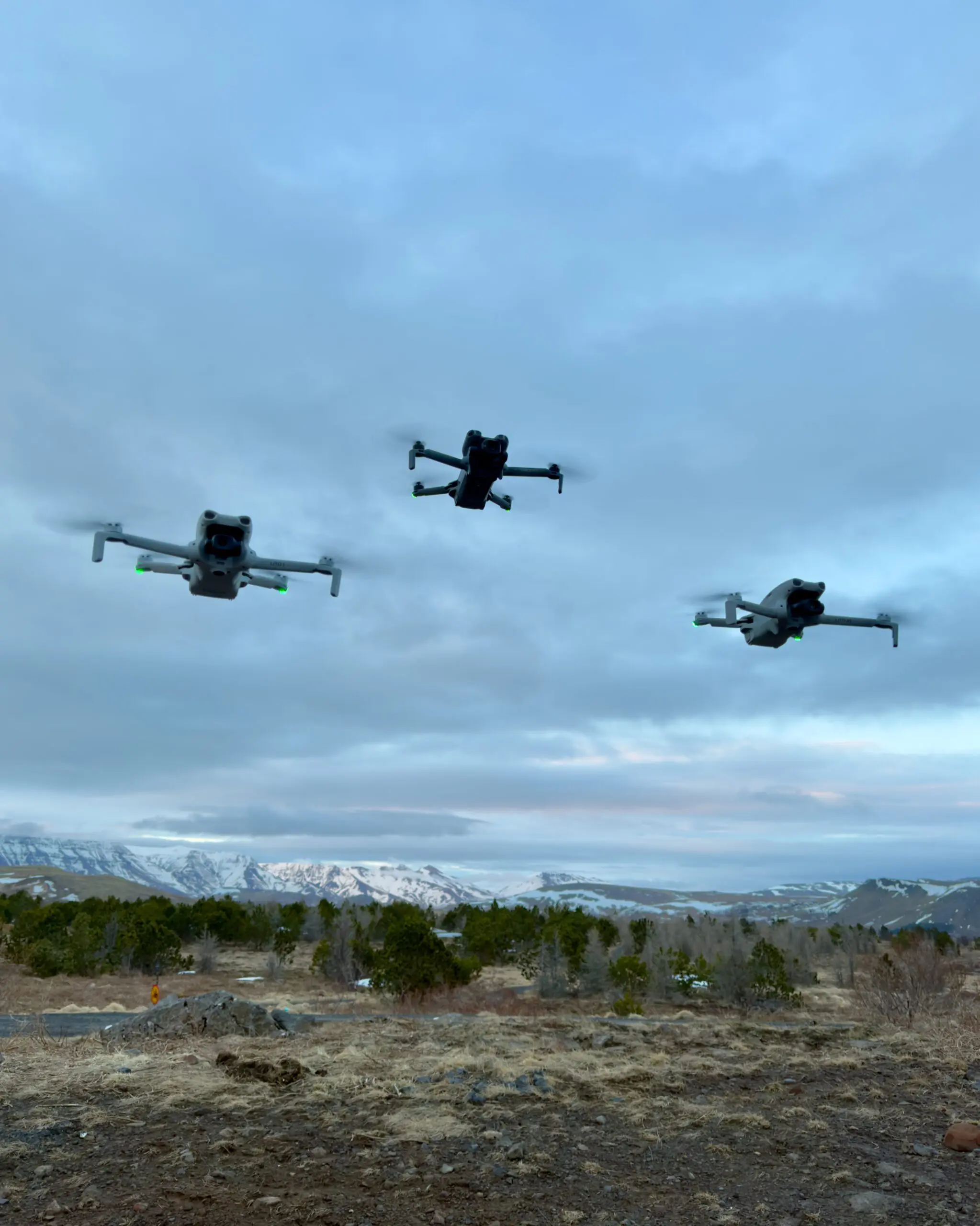
From left to right: DJI Lito 1, DJI Mini 5 Pro & DJI Lito X1
Example: You bought a sub 250 gram drone in the US, where the software allows you to fly higher than 120 meters above takeoff point. If you then take that drone on a trip to Iceland, you will not be able to fly higher than 120 meters above take off point. There is a good deal more to it than the ceiling, and I have written up where you can and cannot fly here in full. When traveling back to the US, you will again be able to fly higher.
Unfortunately, it is also no longer possible to reclassify your drone from C0/UK0 to C1/UK1 which means there is no way to circumvent this limitation, even when you have the correct license.
If you want to know more, I go deeper into this matter in a detailed blog where I advise against investing in a C0 drone, as well as a more detailed look into the new UK regulations.
How Do DJI Lito 1 & DJI Lito X1 Compare And What About Mini 5 Pro?
To make things easier, I decided to list all of the most important specifications so it is easier to understand how Lito 1 & Lito X1 differentiate themselves from each other. And, because I have mentioned Mini 5 Pro a few times already, I also added a third column comparing Mini 5 Pro‘s specifications against the two newcomers.
| DJI Lito 1 | DJI Lito X1 | DJI Mini 5 Pro | |
| Weight | < 250g | < 250g | < 250g |
| EU & UK Class | C0/UK0 | C0/UK0 | C0/UK0 |
| Sensor Size | 1/2" | 1/1.3" | 1" |
| Resolution | 12 megapixel
48 megapixel* | 12 megapixel
48 megapixel* | 12,5 megapixel
50 megapixel* |
| Battery Life | 30 minutes
52 minutes** | 30 minutes
52 minutes** | 36 minutes
51 minutes** |
| Photo Capabilities | Up to ISO 12800
5-shot brackets Basic Panorama Modes | Up to ISO 6400
5-shot brackets Basic Panorama Modes | Up to ISO 6400
7-shot brackets Vertical Shooting Gimbal Roll Movement Basic Panorama Modes Free Panorama Mode 2x near-lossless zoom |
| Video Capabilities | 4K 60fps
4K 100fps slow motion | 4K 60fps HDR
4K 100fps slow motion D-Log M | 4K 60fps HDR
4K 120fps slow motion D-Log M & HLG 2x near-lossless zoom |
| Obstacle Sensing | Omnidirectional Obstacle Sensing
ActiveTrack 360 | Omnidirectional Obstacle Sensing
ActiveTrack 360 Front-Facing LiDAR | Omnidirectional Obstacle Sensing
ActiveTrack 360 Front-Facing LiDAR |
| Transmission | 15km range
OcuSync 4 | 15km range
OcuSync 4 | 30km range
OcuSync 4+ |
| Internal Storage | none | 42GB | 42GB |
| Other | Wi-Fi 6 QuickTransfer
Mastershots Hyperlapse QuickShots | Wi-Fi 6 QuickTransfer
Mastershots Hyperlapse QuickShots | Toolless Propeller Replacement
Wi-Fi 6 QuickTransfer Mastershots Hyperlapse QuickShots |
* These are quad-bayer sensors that allow you to shoot at 4 times the base resolution of the sensor. However, in doing so, you give up dynamic range and potentially detail if the drone can not stay steady during image capture. Capturing high resolution images using this technique is also substantially slower.
** The extended flight time on DJI Lito 1, DJI Lito X1 & DJI Mini 5 Pro can only be achieved with a Plus battery. These batteries are not for sale in the UK or EU as that would put these drones above the required sub-250 gram weight for them to remain in the C0/UK0 drone categories.
Conclusion
If you are a total beginner to drone flying and you are in the market for a mini-sized drone, should you get the DJI Lito 1 or DJI Lito X1? The answer is: it depends.
If you are a total beginner to drones with a limited budget, and photographic image quality isn’t your primary concern, the DJI Lito 1 & Lito X1 are great little tools. They have substantial upgrades over the old Mini series, that will undoubtedly make you fall in love with drone flying & drone videography. The convenience of having such a small, yet capable, drone on you at that price point is unbeatable.
However, if your budget is not as limited and photographic image quality is your primary concern, you are better off spending more and buying the DJI Mini 5 Pro (check out my review). The DJI Lito 1 & Lito X1 are great little drones but knowing that within this same size/weight category there is a drone that performs better in the image quality department, pushes me to recommend the DJI Mini 5 Pro over the Lito series.
Get More Out Of The Lito 1 And Lito X1
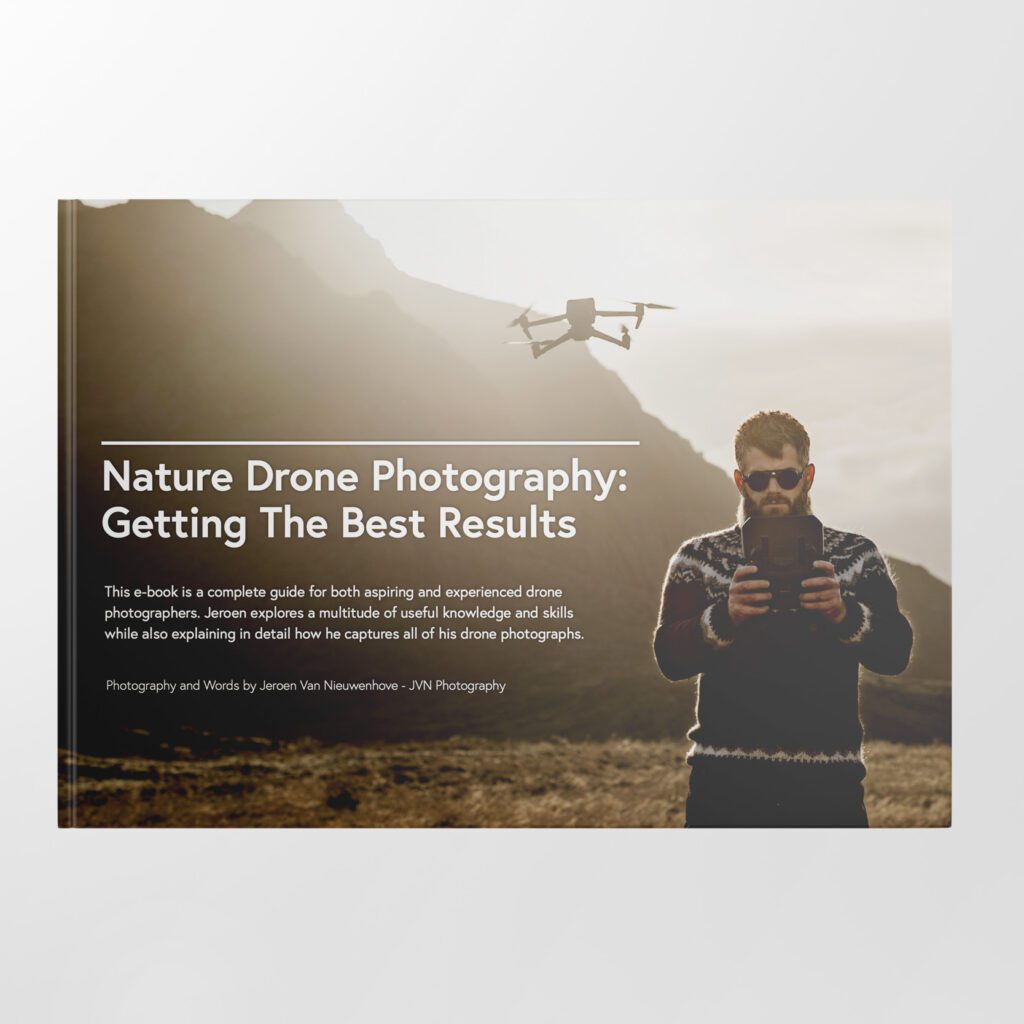
If you’re buying a Lito, my drone photography e-book shows how I bracket, shoot HDR panoramas and stitch them. Both the Lito 1 and the Lito X1 are in the e-book’s table of available models.
DJI Lito 1: Technical Specifications
Technical Specifications
- Battery life: rated up to 30 minutes (52 minutes with Plus battery)
- EU Drone Class: C0
- UK Drone Class: UK0
- Weight: < 250 gram
- Transmission technology: OcuSync 4
- Maximum video transmission range: 15km
- Obstacle avoidance: Omni-directional obstacle sensing
- Maximum altitude at takeoff: 6000 meter
- Maximum wind resistance speed: 10.7 m/s
- Maximum horizontal speed (at sea level): 18m/s (Sport mode) & 10 m/s (Normal mode)
The Camera (1x)
- A 1/2 inch sensor that has 12 megapixels (48 megapixels with quad-bayer technology)
- A 24mm-equivalent on full frame
- A fixed aperture of F1.8
- Video capabilities up to 4K resolution at 60fps
- Slow-motion video capabilities up to 4K at 100fps
A full list of all the specifications can be found on DJI’s website.
DJI Lito X1: Technical Specifications
Technical Specifications
- Battery life: rated up to 30 minutes (52 minutes with Plus battery)
- EU Drone Class: C0
- UK Drone Class: UK0
- Weight: < 250 gram
- Transmission technology: OcuSync 4
- Maximum video transmission range: 15km
- Obstacle avoidance: Omni-directional obstacle avoidance with front-facing LiDAR (works in 0.1 lux darkness)
- Maximum altitude at takeoff: 6000 meter
- Maximum wind resistance speed: 10.7 m/s
- Maximum horizontal speed (at sea level): 18m/s (Sport mode) & 10 m/s (Normal mode)
The Camera (1x)
- A 1/1.3 inch sensor that has 12 megapixels (48 megapixels with quad-bayer technology)
- A 24mm-equivalent on full frame
- A fixed aperture of F1.7
- Video capabilities up to 4K resolution at 60fps in HDR
- Slow-motion video capabilities up to 4K at 100fps
- D-Log M
A full list of all the specifications can be found on DJI’s website.
Compare The RAW Files Of Lito 1, Lito X1 & Mini 5 Pro
Because many people will undoubtedly be comparing the new Lito Series with the existing Mini 5 Pro, I felt it would be interesting to put these three models together in another one of my RAW file comparison blogs. Together with this review, I have published a new blog containing RAW files of DJI Lito 1, DJI Lito X1 & Mini 5 Pro – shot at various ISO ranges. You can download the files and compare them in detail yourself!

Alternatives To DJI Lito 1 & DJI Lito X1
If you are looking at alternatives to the DJI Lito 1 & Lito X1, I can point you into the direction of my updated drone buyer’s guide. And if you want to go the other way entirely, towards the biggest sensor DJI puts in a folding drone, that is the DJI Mavic 4 and its 4/3 Hasselblad main camera. Different class, different budget, different job.
Frequently Asked Questions
Below are a few quick frequently asked questions that you may find useful.
What Is The DJI Lito Series?
The DJI Lito series is a new line of beginner-friendly camera drones that starts with the DJI Lito 1 and DJI Lito X1. These drones are designed to offer an affordable entry point into drone flying, photography, and videography while staying compact and lightweight.
Who Are The DJI Lito 1 And DJI Lito X1 For?
The DJI Lito 1 and DJI Lito X1 are aimed primarily at beginners and first-time drone buyers. They are best suited to people who want an easy-to-fly, sub-250g drone with modern features at a lower price than DJI’s more advanced Mini Pro models. If you’re just starting out, my online drone photography course covers settings, composition and editing to help you get the most from either drone.
Is The DJI Lito Series Replacing The DJI Mini Line?
The DJI Lito series replaces the standard DJI Mini branding, such as the older non-Pro Mini models. However, it does not replace the Mini Pro line, which continues separately for users who want more advanced photography and video features.
What Is The Difference Between DJI Lito 1 And DJI Lito X1?
The main difference is that the DJI Lito X1 has a larger 1/1.3-inch sensor, HDR video, 10-bit D-Log M, improved autofocus, front-facing LiDAR, and internal storage. The DJI Lito 1 is the more affordable option and still offers strong beginner features, but with a smaller 1/2-inch sensor and fewer advanced video capabilities.
Is The DJI Lito 1 Good For Photography?
The DJI Lito 1 is good for casual drone photography in decent light. It can produce pleasing images with accurate color and is easy to use, but it is more limited when it comes to cropping, large prints, dynamic range, and high-contrast scenes.
Is The DJI Lito X1 Better Than The DJI Lito 1 For Photography?
The DJI Lito X1 is the more capable drone on paper because it has a larger sensor and better video features, but that does not automatically make it dramatically better for still photography. In real-world use, it offers some advantages, though image quality is still clearly behind more advanced drones like the DJI Mini 5 Pro.
Do DJI Lito 1 And DJI Lito X1 Shoot True 48MP Photos?
Both drones offer a 48MP high-resolution mode, but in practice the results do not behave like true high-resolution files from a larger sensor. The extra megapixels do not necessarily translate into noticeably better detail, and dynamic range can be reduced compared to the standard 12MP mode.
Can The DJI Lito 1 And DJI Lito X1 Shoot Vertical Photos?
No, neither drone has a rotating gimbal for true vertical photography. If you want vertical still images, you need to create a vertical panorama or crop from the standard horizontal frame.
Are The DJI Lito 1 And DJI Lito X1 Good For HDR Panoramas?
They can produce nice HDR panoramas in normal lighting conditions, especially when used carefully. However, both drones struggle in high-contrast scenes because of their limited dynamic range and restricted bracketing options.
How Do The DJI Lito 1 And DJI Lito X1 Compare To The DJI Mini 5 Pro?
The DJI Lito 1 and DJI Lito X1 are more affordable and beginner-focused, while the DJI Mini 5 Pro is the stronger option for photographers who want better image quality, more advanced shooting features, better dynamic range, and true vertical shooting. The Lito series is about value, while the Mini 5 Pro is about performance.
Are The DJI Lito 1 And DJI Lito X1 Good In Windy Conditions?
Both drones handle wind surprisingly well for their size, but wind still affects battery life, speed, and video stability. If you often fly in very windy places, a larger drone will generally perform better and produce more stable footage.
What Are The Biggest Drawbacks Of The DJI Lito Series?
The main downsides are lower image quality compared to more advanced drones, limited dynamic range, no true vertical shooting, fewer panorama and bracketing options, and weaker performance in high-contrast scenes. For photographers, those limitations matter more than they might for casual users.
Do The DJI Lito 1 And DJI Lito X1 Have Altitude Restrictions In Europe And The UK?
Yes. As C0/UK0 sub-250g drones, they are subject to the 120-meter-above-takeoff-point altitude limitation when flown in Europe and the UK. This can be a major disadvantage in mountainous areas or locations with significant elevation changes.
Should Beginners Buy The DJI Lito 1 Or DJI Lito X1?
Yes, both drones make sense for beginners who want a compact, affordable, and easy-to-use first drone. The right choice depends on whether you want the lowest price possible or are willing to spend more for the extra features of the Lito X1.
Should Photographers Buy The DJI Lito 1 Or DJI Lito X1 Instead Of The DJI Mini 5 Pro?
If photography is your main priority, the DJI Mini 5 Pro is the better choice. The Lito 1 and Lito X1 are good entry-level drones, but photographers who care most about image quality, dynamic range, and more flexible shooting options will likely be better served by stepping up to the Mini 5 Pro.
How Fast Can The DJI Lito X1 Go?
18 m/s in Sport mode, which is about 65 km/h or 40 mph, and 10 m/s in Normal mode. It’s rated for wind up to 10.7 m/s, roughly 38 km/h.
How Much Does The DJI Lito X1 Cost?
At launch on 23 April 2026 the Lito X1 cost €419 (£369) for the drone alone and €579 for the Fly More Combo with the DJI RC 2. Those are DJI’s launch prices.
Can I Buy The DJI Lito X1 In The USA?
Not from DJI. The Lito series launched globally on 23 April 2026 without the United States, and at launch its FCC authorisation was still pending. I cover what that means for US buyers in my post on the DJI ban in the United States.
GET 30% DISCOUNT NOW!
The Drone Photography Masterclass
Nigel Danson & Jeroen Van Nieuwenhove‘s complete drone masterclass will explore everything you need to know to start creating the best aerial photographs using any type of drone in 50+ detailed videos. Whether you are a complete beginner or an advanced drone pilot, this video course contains a vast amount of information to level up your drone photography skills.
Discover Jeroen’s Photo Workshops in Iceland, Greenland & Beyond
Ready to take your photography to the next level? Join me, Jeroen Van Nieuwenhove, on unforgettable photo workshops in Iceland, Greenland, Antarctica and other exciting destinations. Whether your passion is wildlife photography, bird photography, landscape adventures, or mastering drone photography, each workshop is designed to give you hands-on guidance in some of the world’s most spectacular locations.
From puffins in the midnight sun to Arctic foxes in the wild, from glaciers and volcanoes to dramatic coastlines seen by drone – these journeys are more than workshops; they’re once-in-a-lifetime experiences. Group sizes are kept small, ensuring personal mentoring and plenty of shooting opportunities.
Looking for something specific? Check out Jeroen’s…
- Wildlife & Bird Photography Workshops (Puffins, Arctic Foxes)
- Drone Photography Workshops
- Photo Workshops in Iceland
- Photo Workshops in Greenland
- Photo Workshops in Antarctica
Spots are limited – secure your place today!
Are You Looking For A Specific Photo Workshop?
All Upcoming Photography Workshops With Jeroen
Explore all upcoming photography workshops with Jeroen and take your skills to the next level in some of the world’s most extraordinary locations. From the volcanic landscapes of Iceland to the ice-filled fjords of Greenland and the wildlife-rich polar regions such as Antarctica, each workshop is designed to help you grow creatively while experiencing unforgettable moments in the field. Browse all upcoming departures below and find your next adventure!

LAST SPOT

LAST SPOTS
LAST SPOT

LAST SPOTS

OPEN FOR BOOKINGS
LAST SPOTS
WAITLIST

WAITLIST

WAITLIST

WAITLIST
WAITLIST

WAITLIST

WAITLIST
What Previous Participants Shared About Their Experience
Choosing the right photography workshop is about more than just visiting iconic locations. It’s about experience, safety, timing, and personal guidance. Below you’ll find honest reviews from photographers who have joined me on landscape, wildlife & drone photo workshops in Iceland, Greenland and other locations. These testimonials reflect real experiences in small groups, hands-on instruction in challenging conditions, and the level of care Jeroen aims to bring to every workshop.
These reviews are verifiable on Jeroen’s public Google Business profile.









Support Jeroen’s Work
As an independent photographer, Jeroen partially relies on your support to keep producing worthwhile content such as blogs, photographs, books and much more. If you want to support his work, it is possible to do so by buying his e-books & books.
You can also sign up to the newsletter to stay up to date on new blog posts, projects, workshops and other interesting information.
Thank you for considering!