
Yes, all DJI Mini drones (Mini 3 Pro, Mini 4 Pro and Mini 5 Pro) are now capped at 120 metres above the take-off point in the UK from 1 January 2026, even though the underlying UK drone law still measures the 120-metre limit from the closest point of the Earth’s surface.
If you fly a DJI Mini drone (such as the Mini 3 Pro, Mini 4 Pro or Mini 5 Pro) for landscape work in the UK, you may have noticed a frustrating change that came into effect on January 1st 2026. Shots that were previously possible along cliffs, ridgelines, or steep terrain are now impossible to get due to a hard altitude limit, even though the law for drone pilots still talks about 120 metres above ground.
This article explains what actually changed on 1 January 2026, why DJI Mini drones are now capped at 120 metres above the take-off point, and how that differs from the legal altitude rule drone pilots are expected to follow. It also explains why this especially matters specifically for landscape photographers, and why this behaviour is not a bug, a mistake, or a sudden change in UK drone law. After reading this blog, you should have a clear understanding of what your Mini can and cannot do, why it behaves this way, and how to plan your flights accordingly. Let’s dive in!
This article was last updated on May 13th 2026.

DJI Mini drones are a wildly popular choice among aspiring and beginner drone pilots but in recent years, they have become the victim of stricter regulations in many areas around the world – presumably due to their popularity.
Current status (June 2026): the 120-metre cap on DJI Mini drones is still fully in force in the UK. DJI has not loosened it in any firmware update, and the route to reclassify a Mini to C1/UK1 (which would lift the cap) remains closed. If your Mini still refuses to climb past 120m above your launch point, that is working as intended, not a fault.
The Altitude Rule Itself Has Not Changed
Let’s get one thing out of the way first: under UK Open Category rules, the altitude limit for drone pilots is still defined as no higher than 120 metres from the closest point of the Earth’s surface. In practice, this is what most drone pilots refer to as 120 metres above ground level (AGL). This wording matters a lot because it allows flight along slopes, cliffs, valleys, and uneven terrain, as long as the aircraft never exceeds 120 metres from the ground beneath it. That principle remains unchanged and is still how the rule is described by the Civil Aviation Authority.
So What Has Changed?
In the new regulations, there is a discrepancy between the regulations for drone manufacturer’s and drone pilots.
The UK regulations for drone pilots speak about altitude from the closest point of the surface (Above Ground Level or AGL), which gives pilots the ability to follow terrain in a controlled and predictable way. However, the new UK regulations for drone manufacturers impose a limitation specifically to Mini drones that forces them to cap the maximum altitude above take-off point to 120 metres. This means it does not adapt to cliffs, slopes, or sudden changes in elevation beneath the drone. The result is that a drone pilot can be flying well within the legal altitude limit, within visual line of sight, and in safe conditions, yet still be prevented from continuing the flight because the drone has reached an altitude limit tied to where it launched, not to the ground below it.
That mismatch between how the law is written for drone pilots and drone manufacturers is the core of the confusion, and the reason this change feels so disruptive to many Mini drone pilots.

DJI Mini 5 Pro is an incredible drone in a super small form-factor, which is what it makes it so popular but that popularity may now be over.
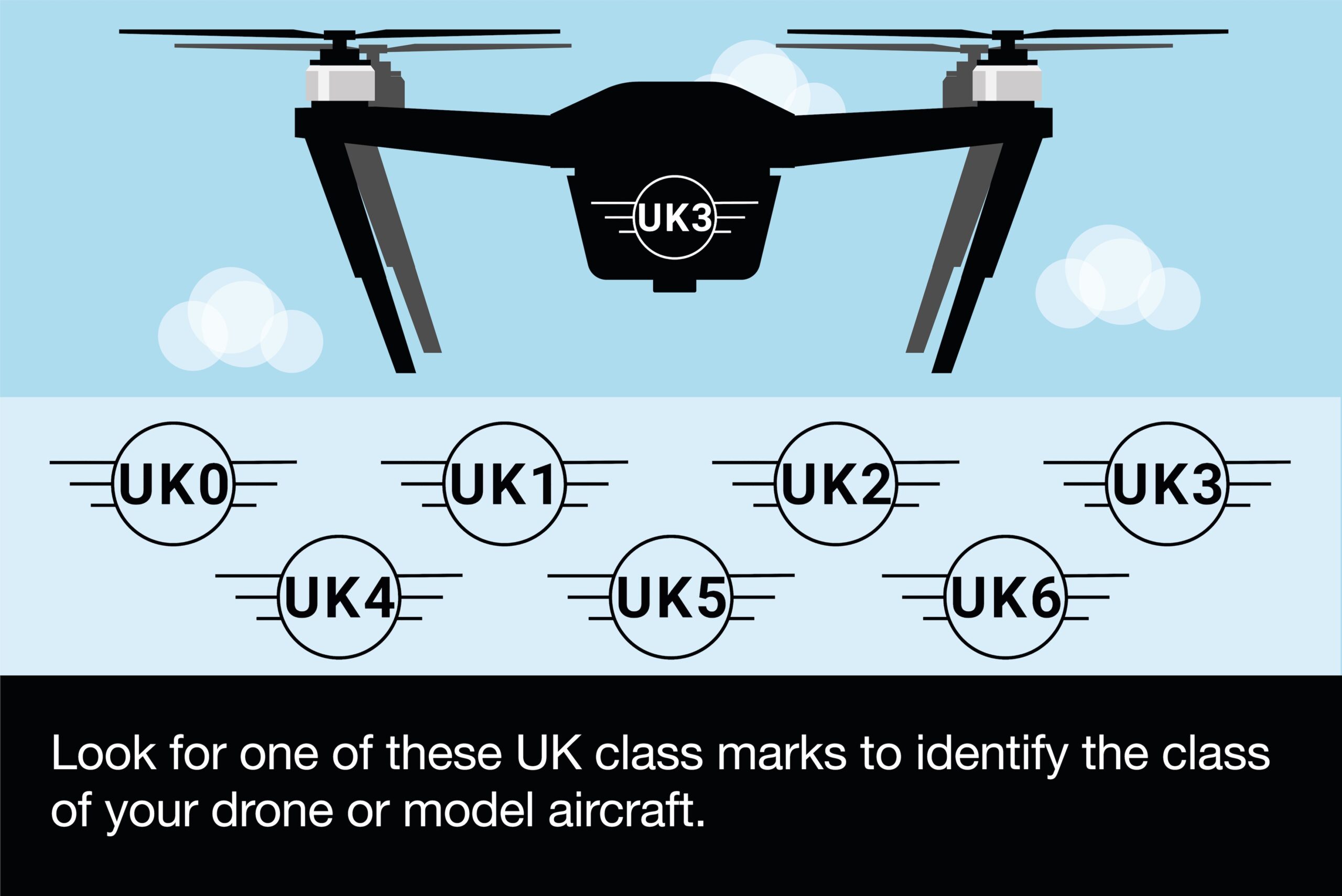
These UK classification labels will become more familiar.
Why DJI Mini Drones Specifically Stop At 120 Metres Above The Take-Off Point
From 1 January 2026, the UK fully implemented its class marking system, recognizable by the UK0 through UK6 labels. At the same time, EU C-class drones such as C0 and C1 are recognised as equivalent.
For Mini drones, this classification as a UK0/C0 drone matters. Under this classification, drone manufacturers are obligated to apply a fixed altitude ceiling relative to the take-off point. This approach is far easier to enforce reliably than attempting to calculate terrain and the closest point of the surface in real time.
As a result, even though the law still places responsibility on the pilot to remain within 120 metres of the surface, all UK0 or C0 drones are now obligated to be more restrictive than the legal limit for drone pilots. That is why a DJI Mini may not be able to performed a flight that would still be legal when done with a drone with a different classification.

If you fly a lot in mountainous terrain like I do, the limitations to the C0/UK0 drones can be too restrictive.
This Is Nothing New: It Is Already The Case In The EU!
If this situation feels familiar, that is because these rules and regulations on C0 drones have already applied in the EU for the last two years. When the EASA drone rules were first applied there, many pilots assumed the altitude behavior was a firmware issue or a policy choice by DJI. In reality, it was class-based compliance catching up with how Mini drones were being used in practice. I wrote about this in detail at the time, explaining why C0 drones were limited this way and how that conflicted with the regulations drone pilots have to abide by. What we are seeing now in the UK is essentially the same process, just on a delayed timeline.
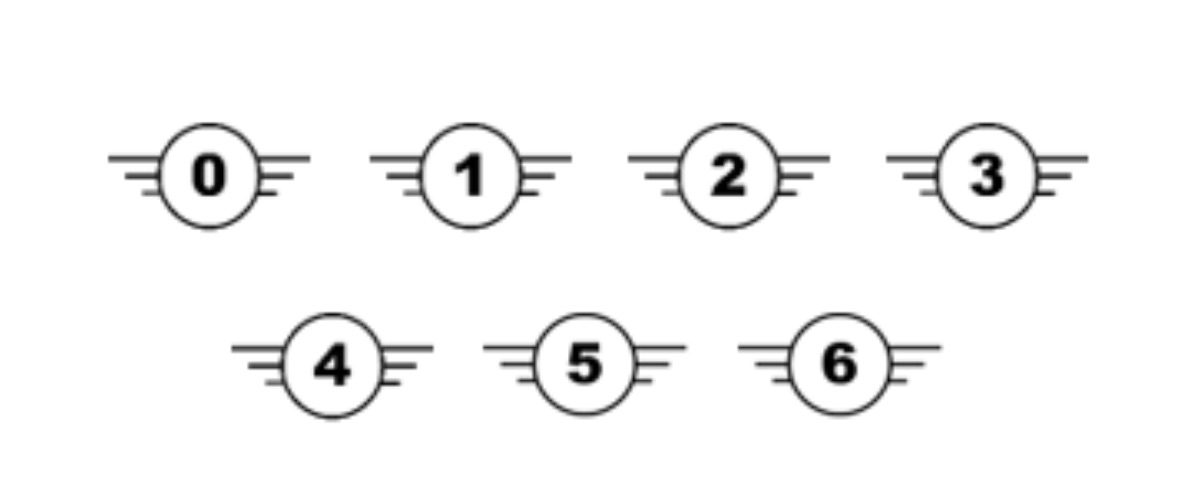
The EU drone classification labels have been around for over two years now.
Why This Change Feels Sudden
Another reason this has caught so many drone pilots off guard is the way DJI implements restrictions. Altitude behaviour can change through firmware updates, app updates, or FlySafe database updates. Especially in the case of FlySafe database updates, nothing obvious appears to change from the pilot’s perspective as it all happens in the background, yet the drone may suddenly behave differently. That is why many pilots feel as if the restriction appeared overnight. The law did not change, but enforcement at the drone level became consistent with the class requirements.
The Real Impact Is For Drone Pilots Who Fly In Uneven Landscapes & Terrain
This is where Mini drones are affected most. If you launch from the bottom of a cliff, or at the lowest point of any elevated terrain, you may now reach the altitude ceiling long before exceeding 120 metres from the ground below the aircraft. In other words, you can be fully legal and still physically unable to fly the shot you want. For landscape photographers and filmmakers, this can often be the most frustrating part. It does not feel unsafe and it does not feel illegal, yet the drone simply refuses to climb further. That limitation is now inherent to flying a UK0 or C0 class drone such as the Mini 3 Pro, Mini 4 Pro and Mini 5 Pro.

Within mountainous areas in the UK, like this area in the Lake District, it may be impossible to actually fly above mountains unless you walk all the way on top of them.
Are There Any Ways Around It?
This is presumably why you are reading this article: what can you actually do about it? There are options, but none of them are perfect, and the right answer depends on what kind of work you do and how often this limitation actually affects you.
Option 1: Accept The Limit And Plan Your Take-Off Points Carefully
For most flights, the 120 metre limit from the take-off point is genuinely workable as long as you think about where you launch from.
The key principle: launch from as high of a place as you reasonably can. If you are filming a cliff face that drops 300 metres into the sea, launching from the cliff top instead of from the beach below gives you 120 metres of usable altitude above the cliff top, which is often plenty for the kind of landscape compositions you would want.
A practical pre-flight scouting workflow:
- Use satellite mapping with elevation data (Google Earth, Apple Maps, or any mapping tool that shows contour lines) to identify the highest accessible launch point near your subject.
- Check accessibility before the shoot. A perfect elevated launch point that requires a two-hour hike with a 20kg pack is not actually viable on most days.
- Verify line of sight from the launch point to your intended flight path. Launching high does not help if you cannot see the drone over a ridge.
- Confirm the launch point is legal. A “perfect” launch spot inside a protected reserve, on private land, or near a no-fly zone is not a launch spot at all.
If you regularly fly in genuinely complex terrain, the scouting also has to account for what is legal to launch from. My guide to drone flying in Iceland is a worked example of how that scouting plays out in a country with a lot of restricted reserves and protected national parks. The same logic applies in any other mountainous region with active drone regulation.
This planning approach handles most typical landscape work along cliffs, fjords, and coastal terrain. It does not solve the problem if your subject is a mountain summit you cannot physically reach, or a deep valley where every accessible launch point sits at the bottom.
Option 2: Use A Different Drone For The Shots That Matter
If you regularly work in genuinely steep or inaccessible terrain, the practical answer is a Uk1/C1-classified drone or above. The DJI Air 3S and DJI Mavic 4 Pro both fall in this class and do not have the 120-metres-from-take-off restriction. They still have to obey the legal 120 metres from the closest point of the Earth’s surface rule, but that calculation is the pilot’s responsibility, not the manufacturer’s.
The tradeoff:
- UK1/C1 and UK2/C2 drones are heavier (and require a different pilot category in some scenarios)
- They cost more and pack less easily for travel
- They give you the altitude flexibility back
If your photography depends on terrain-following shots in steep environments, this is the workaround that actually solves the problem. For pricing and recommendations, my drone buyer’s guide for 2026 goes into the C1 options in detail.
Option 3 (Was Possible, Now Closed): Reclassify To C1/UK1
It used to be possible to apply for a reclassification of certain DJI Mini drones from C0/UK0 to C1/UK1. The reclassified drone was treated as a C1 drone and the strict take-off-relative altitude cap no longer applied.
DJI is no longer offering this option as of 1 January 2026. If you had your drone reclassified before that date (as I did with my Mini 5 Pro in October 2025), you keep the benefit. If you did not, this path is now closed and you are looking at Options 1 or 2.
On a private workshop in March 2026, I was able to fly my reclassified Mini 5 Pro along ridgelines that my participant with an unmodified Mini could not match. After 1 January 2026, that gap is now permanent for any new Mini owners.
What About Other Manufacturers?
The same EASA framework applies across manufacturers. Autel, Skydio, Parrot, and any other drone maker selling into the UK or EU markets must comply with the same class-based enforcement rules. If a competing manufacturer markets a sub-250g drone as C0/UK0, it will have the same take-off-relative altitude cap. The decision is not “DJI versus everyone else”, it is “C0/UK0 versus C1/UK1 or above”.
The Key Takeaways From This
Nothing in UK drone law suddenly became stricter on altitude when it comes to drone pilot regulations. What changed on 1 January 2026 is that the UK drone classifications became fully active. This means UK0 drones are now treated the same as C0 drones, and manufacturers such as DJI are now forced to apply a maximum altitude limit to UK0/C0 drones.
If your DJI Mini 3 Pro, Mini 4 Pro, or Mini 5 Pro now refuses to climb beyond 120 metres from your take-off point, that is not a bug and it is not a misunderstanding of the rules. It is simply the point where regulations for drone manufactures and drone pilots do not line up.

DJI Mini 5 Pro is still a great drone but it may be worth considering reclassifying it as a C1/UK1 drone.
Frequently Asked Questions
To wrap up this blog, I have collected a few frequently asked questions.
Is The UK Altitude Limit Now 120 Metres Above The Take-Off Point?
In short: no. UK regulations still define the limit as 120 metres from the closest point of the Earth’s surface. The restriction you are seeing comes from the drone’s class-based enforcement, not from a change in the regulations for drone pilots.
Why Is My Drone More Restricted Than The Regulations For Drone Pilots?
Drone manufacturers are obligated to impose technical limits that are stricter than the legal maximum for drone pilots. For C0 and UK0 drones, a fixed limit relative to the take-off point is now imposed and set at 120 metres.
Did This Change Happen Because Of New UK Rules?
Yes, but indirectly. The introduction of UK class marks on 1 January 2026 aligned UK enforcement with how C0 drones are already handled elsewhere (for example in the EU). The law itself did not change.
Can DJI Change This Again In The Future?
Possibly. DJI can alter altitude behaviour through firmware updates or FlySafe database updates. However, as long as Mini drones remain in the UK0 or C0 class, this behaviour is unlikely to disappear.
Can I Reclassify My Drone To C1 To Remove The Limit?
No. DJI is no longer offering the possibility to reclassify a drone to C1 as of January 1st 2026.
Is A DJI Mini Drone Still Suitable For Flying Around Mountainous Terrain?
It can be, but with limitations. If your work relies heavily on terrain-following shots in steep environments, a Mini drone may no longer be the best tool under current class rules.
Does The 120m Limit Apply Outside The UK?
Yes, in any market where the drone is sold under a C0 classification. The UK aligned its enforcement with the existing EU/EASA framework on 1 January 2026, which is why this change feels new to UK pilots, but EU pilots have been living with the same restriction since the class marks became mandatory there. Outside the EU/UK regulatory bloc, behaviour depends on which firmware region your drone is set to and how the local rules map onto class marks. In practice, if you bought your DJI Mini from a UK or EU retailer, expect the cap to apply wherever you fly it.
Can I Avoid The Limit By Launching From A Higher Elevation Point?
Yes, and this is the most useful real-world workaround. The 120 metre limit is measured from your take-off point, so launching from the top of a cliff instead of the beach below effectively gives you altitude headroom relative to the lower terrain. The cliff-top take-off is still legal under the pilot’s rule (120 metres from the closest point of the Earth’s surface) as long as you keep the drone within that envelope. For most landscape work along coastal cliffs, fjords, or plateau edges, this approach is enough. It does not help for shots that require launching from a low point and ascending above an inaccessible high feature.
Can I Disable This Restriction With Sport Mode Or A Firmware Override?
No. The 120 metre cap on UK0 and C0 drones is enforced at the firmware level and is not bypassed by Sport mode, Cine mode, or any of the manual flight settings in the DJI Fly app. Some pilots speculate about modified firmware that removes the restriction, but installing modified firmware on a DJI drone violates the terms of service, can void warranty cover, and may put your drone into a non-compliant state under UK or EU rules. If altitude flexibility matters to your work, the supported route is a C1-classified drone, not a workaround.
How High Can The DJI Mini 5 Pro Fly?
In the UK, the DJI Mini 5 Pro is software-capped at 120 metres above the take-off point as of 1 January 2026. This applies to the Mini 3 Pro and Mini 4 Pro as well. The drone’s hardware ceiling is much higher, but DJI enforces this limit to align with the EU EASA model.
How Do I Change The Max Altitude On My DJI Mini 5 Pro?
In the UK, you cannot legally remove the 120-metre cap on the DJI Mini 5 Pro. The setting in the DJI Fly app only adjusts the maximum altitude up to 120 m. Reclassifying the drone to C1, third-party firmware mods, or “sport mode” workarounds are not legal options for UK users.
Can DJI Drones Fly Higher Than 500 Metres?
DJI drones can technically fly higher than 500 metres in some regions, but country-specific regulations and DJI’s built-in geofencing usually prevent this. In the UK and EU, drones must stay within 120 metres of the closest point of the Earth’s surface, regardless of what the drone hardware allows.
Can I Get Permission To Fly My Drone Above 400 Feet?
In the UK, 400 feet is roughly equivalent to 120 metres. Hobbyist drone pilots generally cannot fly above this limit. Commercial operators with an Operational Authorisation from the CAA can apply for exemptions, but this is a formal process granted on a case-by-case basis, not for general use.
Has Anything Changed Since January 2026?
No. As of mid-2026 the cap still applies to every DJI Mini in the UK0/C0 class, DJI has not removed it via firmware, and reclassifying to C1/UK1 is no longer offered. Planning your take-off points remains the only reliable workaround for terrain-following shots.
Can I Request A Higher Altitude Limit From DJI?
No, not on a UK0/C0 drone. DJI’s altitude request is only available on C1/UK1 airframes and above, so on a Mini 5 Pro, a Mini 4 Pro or any other UK0/C0 drone there’s nothing to request. The 120 metre cap comes from the drone’s class, and no request to DJI changes the class. If you need the altitude back, that’s Option 1 or Option 2 above: plan your take-off points, or fly a C1-classified drone.
DISCOUNT
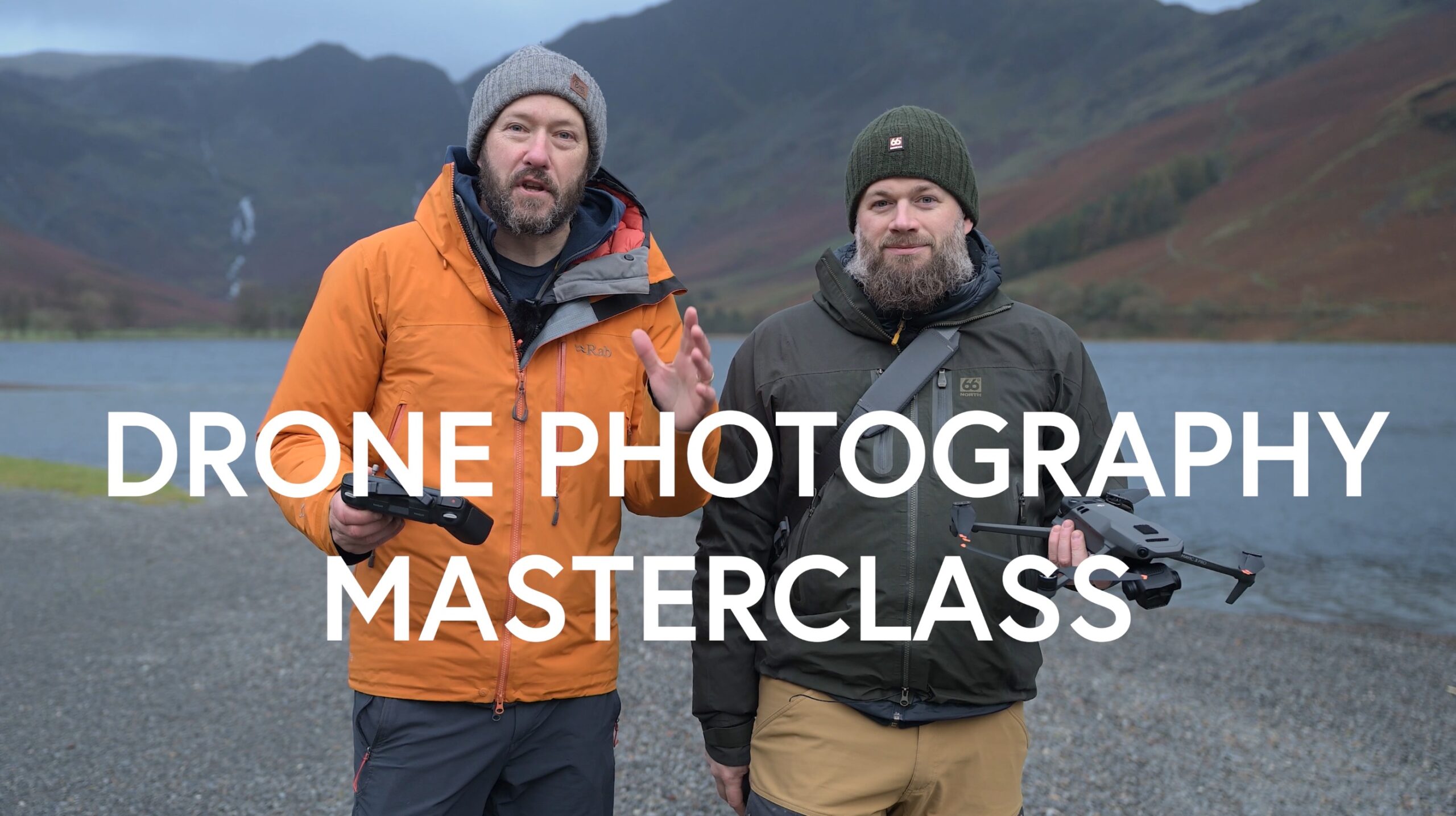
The Drone Photography Masterclass – Video Course
Nigel Danson & Jeroen Van Nieuwenhove‘s complete drone photography video masterclass will explore everything you need to know to start creating the best aerial photographs using any type of drone in 50+ detailed videos. Whether you are a complete beginner or an advanced drone pilot, this video course contains a vast amount of information to level up your drone photography skills.
Discover Jeroen’s Photo Workshops in Iceland, Greenland & Beyond
Ready to take your photography to the next level? Join me, Jeroen Van Nieuwenhove, on unforgettable photo workshops in Iceland, Greenland, Antarctica and other exciting destinations. Whether your passion is wildlife photography, bird photography, landscape adventures, or mastering drone photography, each workshop is designed to give you hands-on guidance in some of the world’s most spectacular locations.
From puffins in the midnight sun to Arctic foxes in the wild, from glaciers and volcanoes to dramatic coastlines seen by drone – these journeys are more than workshops; they’re once-in-a-lifetime experiences. Group sizes are kept small, ensuring personal mentoring and plenty of shooting opportunities.
Looking for something specific? Check out Jeroen’s…
- Wildlife & Bird Photography Workshops (Puffins, Arctic Foxes)
- Drone Photography Workshops
- Photo Workshops in Iceland
- Photo Workshops in Greenland
- Photo Workshops in Antarctica
Spots are limited – secure your place today!
Are You Looking For A Specific Photo Workshop?
All Upcoming Photography Workshops With Jeroen
Explore all upcoming photography workshops with Jeroen and take your skills to the next level in some of the world’s most extraordinary locations. From the volcanic landscapes of Iceland to the ice-filled fjords of Greenland and the wildlife-rich polar regions such as Antarctica, each workshop is designed to help you grow creatively while experiencing unforgettable moments in the field. Browse all upcoming departures below and find your next adventure!
LAST SPOTS
LAST SPOT
LAST SPOTS
OPEN FOR BOOKINGS
OPEN FOR BOOKINGS
LAST SPOTS
WAITLIST
WAITLIST
WAITLIST
WAITLIST
WAITLIST
WAITLIST
WAITLIST
Choosing the right photography workshop is about more than just visiting iconic locations. It’s about experience, safety, timing, and personal guidance. Below you’ll find honest reviews from photographers who have joined me on landscape, wildlife & drone photo workshops in Iceland, Greenland and other locations. These testimonials reflect real experiences in small groups, hands-on instruction in challenging conditions, and the level of care Jeroen aims to bring to every workshop.
These reviews are verifiable on Jeroen’s public Google Business profile.


Support Jeroen’s Work
As an independent photographer, Jeroen partially relies on your support to keep producing worthwhile content such as blogs, photographs, books and much more. If you want to support his work, it is possible to do so by buying his e-books & books.
You can also sign up to the newsletter to stay up to date on new blog posts, projects, workshops and other interesting information.
Thank you for considering!




I thought this only applied to mini 4 onwards, I didn’t think mini 3 pro was affected as its not classified…
Mini 3 Pro was still on the market when the EU classification system was introduced so some of them were sold with C1 labels. In fact, any Mini 3 Pro that was sold after January 1st 2024 should have one.
Hello from France.
I don’t know if it’s different in UK, but here in France, since mid-november 2025, it is no longer possible to change the category of a Mini drone from C0 to C1 category by the “Request Higher Altitude Limit” process.
When you click on “Request Higher Altitude Limit” you just have a message saying that to comply with the european rules, DJI no longer offers this possibility.
Roland
That’s very odd. I am not aware of any changes in regulations that wouldn’t allow you to do that. I reclassified my Mini 5 Pro to a C1 drone at the end of November without issues. The menu option to do this is also still present in the latest firmware updates. Perhaps this is very local to the France market or there is some kind of misunderstanding.