

There’s a moment from a Zodiac cruise on my latest Antarctica Photo Expedition when we were cruising through the brash ice & icebergs near Cuverville Island that I keep coming back to. A small group of gentoos were porpoising through the open water just off the boat, breaking the surface, arcing through the air for a fraction of a second, and disappearing back under the brash, over and over, faster than I could really react to. I had the Canon EOS R6 Mark III to my eye, the RF 100-500mm extended to the long end, pre-capture set. When I looked at the back of the camera, the bursts were clean. Focus point on the eye of the penguin. Sharp from the first frame.
That single sequence pretty much sums up where I’ve landed on this camera after three intense trips with it: an Iceland photo workshop in March 2026, an Antarctica photo expedition in February 2026, and a quieter personal week of photography on Madeira at the end. The Mark III isn’t the most headline-grabbing camera Canon has ever made, but it is, almost certainly, the most complete one in its price bracket. The more I shot with it, the more I started recommending it to workshop guests who arrive asking what they should bring next year.
In this review, I want to share everything I learned about the R6 Mark III over those six months: what surprised me, where it falls short, and who this camera is genuinely for. If you’re a serious enthusiast or professional photographer trying to decide between the R6 Mark III, the older R6 Mark II, or the more expensive R5 Mark II, this article is for you. So is it if you’re a current R6 or R6 Mark II owner wondering whether the Mark III is the right next step.
This is a long review because I think it deserves one. If you only want the verdict, here it is: the R6 Mark III is the camera I’d hand to a serious enthusiast who wants one body to cover landscape, wildlife, and travel without compromise. If you want to know why and where it falls short, keep reading.
Quick disclosure: I bought the Canon EOS R6 Mark III with my own money from Ofar (Canon Iceland) in December 2025. This isn’t a press loan or a review unit, and Canon has no input on what I write here. The only piece of gear in this review I didn’t pay for is the RF 100-300mm f/2.8L IS USM, which Ofar kindly loaned me for the Antarctica trip, also with no strings attached.

Over the last six months, I have been putting the Canon EOS R6 Mark III through its paces on various adventures around the globe. This is probably one of my favourite shots from the recent worshop in Antarctica.
Why This Review Is Different
I run landscape and wildlife photo workshops in Iceland, Greenland, and Antarctica for a living. That means the cameras I carry have to earn their place in the bag. They get rained on, frozen, salted, and sometimes dropped (gently) onto the floor of a Zodiac.
I bought the R6 Mark III in December 2025, with my own money, primarily so I could test it alongside my R5 Mark II on the kind of trips I run for a living. Before the R5 Mark II & R5, I used two original R6 bodies as my main and backup for almost four years. I loved them. They were the cameras that genuinely convinced me Canon had finally figured out mirrorless, and they earned a place in pretty much every important image I made between 2020 and 2024. I never picked up an R6 Mark II because, in all honesty, my original R6s were still doing the job. When I finally upgraded my primary body, it was straight to the R5 & shortly after the R5 Mark II. So coming back to the R6 line with this Mark III felt a bit like coming home, just with everything I missed about the R5 Mark II now baked in.
So when I picked up the R6 Mark III, I wasn’t coming to it as someone hoping to be impressed. I was coming to it asking a very specific question: would I trust myself and my own paying clients to make trip-worthy images with this camera? That’s the lens (pun intended) through which everything below is filtered.
For the Antarctica photo expedition in particular, I deliberately flipped my usual workflow. Normally the R5 Mark II is my main body and the R6 Mark III sits on a second strap. For this trip I made the R6 Mark III the primary, with the R5 Mark II as the wide-angle backup, specifically because I wanted to know whether I could recommend it to workshop guests in good conscience. About 90% of my Antarctica frames came off the R6 Mark III. The other 10% came off the R5 Mark II, often shot moments apart, of the same subject, from the same position. In other words, every claim in this review about the R6 Mark III’s autofocus, image quality, ergonomics, and weather sealing has been A/B tested against the R5 Mark II in real conditions, with both cameras in my hands simultaneously across roughly six months of shooting. I’ve never tested a body this thoroughly against its more expensive sibling before, and I may not again (never say never).
One last thing worth saying before I get into the details. The R6 Mark III sits below the R5 Mark II and the R1 in Canon’s full-frame mirrorless line, and above the R7 and the R8. It’s positioned as the do-everything enthusiast body, and that’s pretty much exactly what it is.

I used the original Canon EOS R6 for about four years and captured some of my favourite images on it so using the R6 Mark III took me down a nostalgia trip.
Lenses I Used
A quick note on the gear I used, because lens choice is really where these reviews usually fall down.
- RF 14-35mm f/4L IS USM: my wide-angle landscape workhorse on these trips. Lighter than the f/2.8, weather-sealed, and pairs beautifully with the 8.5-stop IBIS for handheld twilight work. For workshop guests asking what wide to pair with the R6 Mark III, this is my default answer. I wrote a full review of the RF 14-35mm f/4 here.
- RF 24-105mm f/4L IS USM: the do-everything zoom. Lived on the camera in Madeira and on travel days. Sharp, fast, and the focal range is genuinely the most useful single-lens kit Canon makes.

It still amazes me how I manage to pack (almost) all of that gear into one medium-sized camera insert.
- RF 100-500mm f/4.5-7.1L IS USM: my favourite lens, focused on landscape and wildlife. Long, sharp, and surprisingly light for what it is. The variable aperture is the only real compromise; in low light at 500mm you’re at f/7.1, which on the R6 Mark III is still very workable thanks to AF that performs well in dim conditions. I’ve written a detailed review of the RF 100-500mm here.
- RF 100-300mm f/2.8L IS USM: not technically my lens. Ofar (Canon Iceland) kindly loaned this to me ahead of the Antarctic workshop, and I used it sparingly when I wanted a faster aperture than the 100-500mm offered. It paired great with the R6 Mark III for low-light wildlife and is the lens I’d reach for on shorter focal-length wildlife scenarios. I’ve already written a bit about using it for puffin photography in Iceland. Ofar also loaned me the Canon RF 200-800mm f/6.3-9 for a week of arctic foxes in Hornstrandir.
Those four (actually three) lenses and two bodies (R6 Mark III plus R5 Mark II) is all I am using now, and I shot everything from Antarctic wildlife to Madeira forests out of it.

This was the second time I used the Canon RF 100-300mm F2.8.
Quick Specs
Before getting into the field reports, here are the headline numbers. The R6 Mark III’s specs are best understood relative to the cameras it sits between (the R6 Mark II below and the R5 Mark II above), so I’ve included a fuller comparison table further down.
| Spec | R6 Mark III |
| Sensor | 32.5MP full-frame CMOS (new, debuted in the Canon C50) |
| Burst | Up to 40fps electronic, with up to 20 frames of pre-capture |
| AF | Dual Pixel CMOS AF II with improved subject tracking |
| IBIS | Up to 8.5 stops (centre), 7.5 stops (periphery) |
| Video | 7K 60p internal RAW, 7K Open Gate, 4K 120p, Canon Log 2 |
| Storage | 1× CFexpress Type B + 1× SD UHS-II |
| Weather sealing | Yes, dust and water-resistant gaskets |
| Native ISO | 100 to 64,000 (extended to 102,400) |
| Launched | November 2025 |
| Price (body only) | $2,799 / £2,799 / €2,799 |
A 32.5MP sensor isn’t a huge jump from the Mark II’s 24MP, but it’s a meaningful one: about 16% more linear resolution, which translates into real cropping latitude when a puffin is just slightly too far away. More on that later.
Build, Ergonomics & Weather Sealing In The Field
If you’ve held an R6 Mark II, you’ve effectively held the R6 Mark III. The body is a marginal 29 grams heavier and otherwise visually near-identical. Same grip shape, same button layout, same fully articulating screen, same EVF. Canon clearly decided not to fix what wasn’t broken.
For me, that’s a good thing for two reasons.
First, when I’m switching between bodies in the field (let’s say an R5 Mark II on the wide and the R6 Mark III on the long lens), muscle memory is everything. A shared layout means I’m not fumbling for the AF point selector in fading light. Second, the ergonomics are genuinely some of the best in any mirrorless camera I’ve used. The grip works with thick gloves. The exposure dials have enough resistance that you don’t accidentally bump them when you sling the camera over your shoulder.

Not a camera but this photo of my tripod after a sub-zero session photographing at Fellsfjara (Diamond Beach), beautifully demonstrates in what harsh conditions I often find myself photographing.
The mode dial in particular is something I came to genuinely love over the R5 Mark II’s mode dial. It’s easy to find by feel, without ever having to look down at the top plate to check where I am. That sounds like a small thing on paper. In practice, on a Zodiac in the snow with the camera up at my eye for ten minutes at a time, it’s the kind of small thing that adds up to making the camera disappear into the work.
And speaking of the mode dial: want to know exactly how I set up my custom modes for landscape and wildlife work? I’ve written a separate post on my custom mode setup, covering C1, C2, and C3 in detail.
Weather sealing held up to everything I threw at it. Salt spray on a choppy ocean in Antarctica, no issues. Multiple hours outside in sub-zero darkness on the Iceland workshop, no issues. The CFexpress door has a proper gasket and the battery compartment feels reassuringly sealed. I wouldn’t dunk it, but I wouldn’t dunk any camera.
Cold-Weather And Polar Performance
The Canon EOS R6 Mark III’s weather sealing held up to snow, salt spray, and prolonged sub-zero darkness across an Iceland photo workshop and an Antarctic expedition. Battery life can drop noticeably in deep cold if you don’t keep your batteries warm, so plan to cycle three or four LP-E6P batteries through warm pockets in polar conditions. The older LP-E6 batteries from older Canon DSLRs (the 5D Mark IV era and earlier) are not compatible with the R6 Mark III at all. LP-E6N and LP-E6NH will function, but with reduced performance compared to the LP-E6P.
In deep cold, the kind of cold where your hand sticks to a tripod leg, I was getting around 400 to 500 frames per charge on a typical day. Not catastrophic, but worth factoring into the cost of ownership. A spare LP-E6P retails for around 100 USD; for polar work, three spares brings the real cost of the body up by around 300 dollars. Plan accordingly.

While I do take care of my camera gear, they are still tools to do a job which means I put them through all sorts of conditions. That is where I see whether a camera is reliable or not.
Image Quality For Landscape Photography
This is where the new sensor actually matters.
The jump from 24 to 32.5 megapixels isn’t going to change your life. But it’s enough to notice. When I’m working a tightly composed landscape, that extra linear resolution gives me more latitude to crop into a tighter frame without losing print-worthiness. For workshop guests who want to make large prints from their trip (and most of them do), that 16% headroom is meaningful.
Dynamic range is excellent. Not class-leading, but excellent. I shot a high-contrast scene from within an iceberg on a frozen lagoon (dark cave against bright surroundings) and was able to easily raise the shadow detail in Lightroom before noise became objectionable. That’s the kind of latitude that lets you expose for highlights and recover the rest, which is exactly what landscape work demands.
Where the Mark III gives up a little ground is at high ISO. The smaller pixels (5.16µm vs. the Mark II’s slightly larger photosites) mean there’s a modest noise penalty at ISO 6400 and above. In real terms, this is hardly noticeable. What I did notice was how much better high ISO performance is compared to the R5 Mark II.
File sizes are reasonable. CR3 RAW files run about 20 to 30 MB depending on scene complexity. Across a ten-day Antarctic trip with two bodies, that still adds up, but a 256GB CFexpress card in slot one is plenty if you shoot the way I do.
But, the best way to show you what the image quality is like, is to show you the images I captured this camera. This is a blend of images from Antarctica, Iceland and Madeira.


Autofocus And Burst For Wildlife Photography
This is the section where I’d been most skeptical going in, coming from a flagship camera like the R5 Mark II, and the section where the R6 Mark III earned my respect.
Canon’s subject detection algorithms haven’t fundamentally changed (they’re the same family as the Mark II), but the implementation feels noticeably better. The system locks faster, holds on longer, and is much more forgiving when a subject crosses through a busy background. A porpoising penguin against a textured sea used to be a coin flip on the original R6. On the Mark III, it’s a near certainty.
The standout feature for me was pre-continuous shooting. This isn’t new to Canon (the R5 Mark II has it too), but it’s the first time it’s appeared in this price bracket and it’s transformative for unpredictable wildlife. You half-press the shutter and the camera is already buffering up to 20 frames before you fully press. A group of porpoising penguins is essentially impossible to time perfectly, and pre-capture means you don’t have to. You just need to be roughly ready.
The 40fps electronic shutter burst is more frames than I usually need (I almost always shoot at 20fps or lower to keep file management sane), but knowing it’s there for the unpredictable-penguin moment is reassuring. Buffer depth is generous, especially when using Canon’s compressed RAW (C-RAW).
One honest note: the R6 Mark III’s sensor is not stacked, unlike the R5 Mark II’s. In practical terms this means slightly more rolling shutter on fast electronic-shutter pans. For 95% of wildlife work this is invisible.
Again, I wanted to share some of my wildlife images while testing this camera, all of which were taken in Antarctica.


IBIS, Low Light, And Aurora Performance
8.5 stops of in-body image stabilization is excellent on paper and excellent in practice. I shot handheld at 1/4 second at 14mm and got sharp results consistently. I frequently took the same frame again just to make sure but I didn’t really need to. All images were sharp.
For aurora, the very modest high-ISO penalty I mentioned earlier becomes relevant. I shot most of my aurora work this season at ISO 3200 to 6400 and the files are very clean. If I’m being precise, the original R6 would have been a touch cleaner at the same setting. We’re talking about a difference you can see if you A/B them, not a difference that would change a print. Especially with modern noise reduction (DxO PureRaw, Lightroom AI Denoise), the gap is functionally zero.

I captured this image at ISO 6400 in a single exposure at F/4.0.
Video Capabilities For Hybrid Shooters
I’m primarily a photographer, and if you are reading this review you probably are too. That said, the video specs really are too good to skip over. This camera shoots 7K 60p internal RAW, 7K Open Gate (the full sensor area), 4K up to 120fps for slow motion, and Canon Log 2. Those are specs that embarrass dedicated cinema cameras from a few years ago. If you’re a hybrid shooter or want to capture serious workshop B-roll, the R6 Mark III is genuinely overqualified.
If video is genuinely your priority over stills, Canon also just announced (13 May 2026) the EOS R6 V, which has the same 32.5MP sensor as the R6 Mark III, but stripped of the EVF and the mechanical shutter, with active cooling added, and designed around video-first ergonomics: a dedicated zoom lever, a tally lamp, a vertical tripod mount built into the grip, and an auto-rotating UI for vertical shooting. Body-only price is $2,499, slightly below the R6 Mark III, shipping late June 2026. If you’re not going to use the EVF and don’t need the stills-first refinements, that’s pretty much certainly the better camera for you. For my use case (a stills-first hybrid body for workshop work), the R6 Mark III still wins. But for someone whose work lives on YouTube, Instagram Reels, or in client-commissioned video, the R6 V is the camera Canon actually built for you.
Field Report: Shooting It On An Antarctica Photo Expedition
This is the trip the camera was made for, and it knew it when I picked it as my main body for it.
The expedition was a February 2026 photo workshop on board the Greg Mortimer, covering the Antarctic Peninsula and the South Shetland Islands. You can read the full workshop report from that trip here. The trip was scheduled for twelve days. We came back early because a storm was building over the Drake Passage and our expedition leader (rightly) made the call to head north before it closed in. That left us with one fewer landing than planned, but the conditions we did get were as good as it gets.
The pre-capture feature paid for the camera by itself. I lost count of the number of penguin sequences I caught cleanly that I’d have missed on a non-pre-capture body. The gentoo at Cuverville Island is the one I’d hang on a wall.
The 100-500mm and the R6 Mark III paired beautifully. Light weight, weather sealing on both, fast AF, and enough resolution to crop into seabirds that wouldn’t come close. On a Zodiac in a gentle swell, with cold fingers and a camera you can’t afford to swap lenses on, this combination is hard to beat.

Antarctica was a great opportunity to truly test the R6 Mark III in a wide variety of circumstances.
A few specific observations from the trip:
- Tracking orcas during a hunt in heavy snow. At one point on the trip, a pod of orcas were hunting a seal that was using our ship as cover. The conditions were brutal, with dense snow showers between us and the action and orcas surfacing in unpredictable directions. The R6 Mark III’s subject detection held lock on the orcas remarkably well, but the bigger trick was remembering to set the focus limiter on the 100-500mm so the camera wasn’t trying to grab focus on the snowflakes closest to the lens. With that one adjustment, the hit rate jumped considerably.
- Battery life in cold: I kept three batteries on body warmers in inside pockets and cycled through them across a long Zodiac cruise.
- Eye AF on penguins: worked surprisingly well. The system clearly recognises “bird” and locks on the eye when it’s visible. On chinstraps in low contrast it occasionally hunted, but recovery was fast.
- The 32.5MP sensor really earned its extra pixels here. Wildlife photography is the use case where you’re forever cropping in post. The extra resolution made a real difference on the Yalour Islands leopard seals, especially the ones photographed from a longer-than-ideal distance from the Zodiac.
If I were taking one body to Antarctica and I couldn’t afford an R5 Mark II or R1, I would take the R6 Mark III without hesitation. Possibly even with an R5 Mark II in the bag, because for some shooters the R6 Mark III’s lighter file sizes, better high ISO performance and excellent battery life make it the preferred wildlife body of the two.

The eye autofocus tracking worked like a charm on the penguins which really simplified getting great results as the zodiac was bouncing around.
Field Report: Shooting It During An Iceland Photo Workshop
I had the R6 Mark III on a small-group photo workshop along Iceland’s south coast in March 2026. Three participants, which is about as exclusive as my trips get. Conditions were what you’d expect for late winter on the south coast: moody weather, low cloud, freezing cold for the entire week, and dark enough most evenings to make aurora a real possibility.
A few situations that came to mind:
- Aurora over the glacier lagoon. We shot the northern lights over Jökulsárlón in pitch darkness and sub-zero temperatures, for several hours at a time. The R6 Mark III handled it without any of the issues I sometimes get from cameras pushed hard in cold (no random EVF blackouts, no LCD lag, no weather-sealing concerns). Files cleaned up beautifully in post.
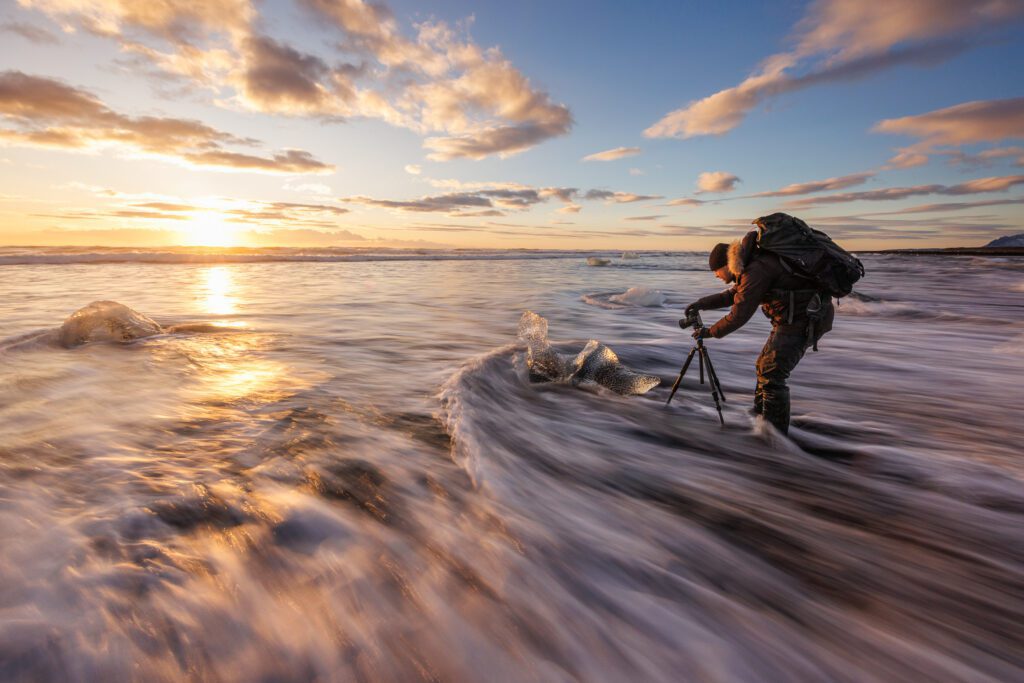
- Photographing blocks of ice at Fellsfjara (Diamond Beach) at slow shutter speeds. On several occasions, I got salt-water spray & splashing hitting me and the R6 Mark III while photographing on the beach and it handled it all great.
What gave me trouble: honestly, nothing structural. Batteries drained faster than I’d like (don’t they always?!), but I was also running long exposures all evening, which always drains a battery faster regardless of the camera. Not something I’d call a fault of the body.

Capturing great images of Fellsfjara (Diamond Beach) is almost impossible without getting splashed on. Even with lesser weather-sealing, the saltwater spray and splashes posed no issues.
Field Report: Travel Photography On Madeira
Madeira was the first time in a long time that I traveled for photography without clients. I spent a week there in April 2026 with two photographer friends, Rhiannon Lawler and Nigel Danson, and most of the trip ended up centred on the Fanal Forest. If you’ve never shot there, it’s a high-altitude laurel forest on the north of the island that fogs in almost daily, and the gnarled centuries-old trees in soft mist are essentially the reason photographers go to Madeira at all.
I’d been curious whether a body I’d been using primarily on workshops would feel right on a personal trip where I just wanted to shoot for myself. The honest answer: completely. The R6 Mark III is light enough to live in a small bag, fast enough that you don’t think about whether you’ll get the shot, and unobtrusive enough that you can shoot in cafés and on trails without drawing attention.
The RF 14-35mm f/4L stayed on the camera for almost the entire time I spent at Fanal. The trees there respond beautifully to a wide lens, and the IBIS made handheld work in heavy mist (or low cloud actually) genuinely viable. The RF 24-105mm came out for almost everything else. I packed the 100-500mm and I barely used it.
If I’m honest, this is the trip that convinced me the R6 Mark III is the best travel camera Canon currently makes for serious shooters. It’s the R5 Mark II’s quieter, lighter, more affordable sibling, and on a trip where I wasn’t being paid to make perfect frames, it gave me exactly the right amount of camera.

I spent most of my time on Madeira in wet conditions in the Fanal forest. The camera had no issues in rainy conditions and allowed me to capture detailed & beautiful images of the laurel forest.
What I Loved
A few things that genuinely stood out across the three trips.
Pre-capture for unpredictable wildlife. Without question the feature that paid for the camera by itself. A group of porpoising penguins is essentially impossible to time perfectly, and pre-capture means you don’t have to. You just need to be roughly ready.
The mode dial. Easy to find by feel, even with gloves on. It sounds small on paper, but on a Zodiac in the snow with the camera up at my eye for ten minutes at a time, it adds up to making the camera disappear into the work.
Eight and a half stops of IBIS. Handheld 1/4 second exposures at 24mm gave me sharp results consistently. The first time it happened I genuinely didn’t believe the file and shot the same frame again just to make sure. Both were sharp.
Subject detection in heavy snow. I tracked orcas during a hunt in dense snow showers in Antarctica and the R6 Mark III held lock far better than I’d expected. With the focus limiter set on the 100-500mm so the camera wasn’t grabbing focus on the snowflakes, the hit rate jumped considerably.
The 32.5MP sensor’s cropping latitude. A 16% linear-resolution bump over the R6 Mark II isn’t life-changing, but it’s enough to notice when you’re cropping into a distant leopard seal or a puffin that wouldn’t come close.
What I Didn’t Love
A review without honest critique is just marketing. Here’s what didn’t work for me.
One CFexpress slot, not two. This is the one I keep coming back to. The R6 Mark III gives you one CFexpress Type B slot and one SD UHS-II slot. In 2026, high-capacity CFexpress is now cheaper per GB than SD UHS-II, faster by a wide margin, and more reliable. I’d much rather have two CFexpress slots and configure them as I want (redundancy, overflow, stills-here-video-there) than be tied to SD as the backup format. Canon’s been slow on this across the lineup, and the R6 Mark III, sadly, doesn’t break the pattern.
Canon’s locked RF mount. This isn’t a fault of the camera (it’s a strategic decision by Canon), but it affects every R-series buyer. Third-party autofocus lens options are extremely limited. You’re committing to Canon glass for the foreseeable future. For some shooters this is fine; for others it’s a non-starter.
Not a stacked sensor. A real omission given the R5 Mark II has one. For 95% of users this is invisible. For the 5% chasing minimum rolling shutter, this is the reason to spend more on an R5 Mark II.
The Verdict: Is The Canon R6 Mark III Worth It?
The R6 Mark III is one of the most impressive cameras Canon has released in years, and easily the most well-rounded body in its price bracket. It takes the flagship-grade autofocus, the 40fps bursts with pre-capture, the 8.5-stop IBIS, the weather sealing, and the serious video credentials of cameras costing thousands more, and packages them into a body that costs $2,799 and is light enough to live in your bag for an entire expedition.
If you have the budget for an R5 Mark II, the extra resolution and stacked sensor are worth it. But if you choose the R6 Mark III instead, you are not compromising. You are choosing the body that’s easier on memory cards, faster to work through in post, and just as capable of producing trip-defining frames.
After three trips across radically different conditions, from Antarctic ice to Madeiran fog, this is a camera I’d happily put my own name behind. If you’re shopping for a serious full-frame mirrorless body, the R6 Mark III is one of the first cameras you should be looking at. It earned a permanent spot in my own bag.

Canon R6 Mark III vs R5 Mark II In One Sentence
The Canon R5 Mark II is the better choice if you need 45MP resolution, a stacked sensor, and minimum rolling shutter for fast electronic-shutter work. The Canon R6 Mark III is the better choice if you want most of that capability in a lighter, cheaper body. Both share the same autofocus system and most of the same feature set.
Comparison Table: R6 Mark III vs R6 Mark II vs R5 Mark II
The R6 Mark III sits between the older R6 Mark II and the flagship R5 Mark II in Canon’s full-frame mirrorless line. Where exactly it sits, on which spec, really matters for the buying decision. Here’s how the three line up.
| Canon R6 Mark III | Canon R6 Mark II | Canon R5 Mark II | |
| Sensor | 32.5MP full-frame CMOS | 24.2MP full-frame CMOS | 45MP full-frame stacked CMOS |
| Stacked sensor | No | No | Yes |
| Max burst (electronic) | 40fps | 40fps | 30fps |
| Pre-capture | Yes (up to 20 frames) | No | Yes |
| IBIS (rated) | Up to 8.5 stops | Up to 8 stops | Up to 8.5 stops |
| AF system | Dual Pixel CMOS AF II | Dual Pixel CMOS AF II | Dual Pixel CMOS AF II |
| Native ISO | 100 to 64,000 | 100 to 102,400 | 100 to 51,200 |
| Video (highest) | 7K 60p internal RAW, 4K 120p | 6K 60p oversampled, 4K 60p | 8K 60p internal RAW, 4K 120p |
| Storage | 1× CFexpress B + 1× SD UHS-II | 2× SD UHS-II | 1× CFexpress B + 1× SD UHS-II |
| Weather sealing | Yes | Yes | Yes (slightly more robust gaskets) |
| Weight (with battery) | ~680g | ~670g | ~746g |
| Launched | November 2025 | November 2022 | July 2024 |
| Price (body only) | $2,799 / £2,799 / €2,799 | $2,099 / £2,099 / €2,099 | $4,299 / £4,299 / €4,499 |
Look at this and you can already see where the R6 Mark III earns its place: same autofocus system as the R5 Mark II, same IBIS rating, same burst speed, similar weight, but at two-thirds the price. The R5 Mark II gives you more resolution and the stacked sensor; the R6 Mark II is older but now significantly cheaper. The right choice really depends on which of those trade-offs hurts least.
FAQ
Is The Canon EOS R6 Mark III Good For Landscape Photography?
Yes. The 32.5MP sensor offers excellent dynamic range and enough resolution for large prints with cropping latitude. The 8.5-stop IBIS makes handheld twilight and low-light landscape work genuinely viable. The main alternative within the Canon lineup is the R5 Mark II for those who want maximum resolution and a stacked sensor.
How Does The Canon R6 Mark III Perform In Cold Weather?
The Canon EOS R6 Mark III’s weather sealing held up to snow, salt spray, and prolonged sub-zero darkness across an Iceland photo workshop and an Antarctic expedition. Battery life drops noticeably in deep cold, so plan to cycle three or four LP-E6P batteries through warm pockets in polar conditions. The older LP-E6 batteries from older Canon DSLRs are not compatible.
Canon R6 Mark III vs R5 Mark II: Which Should I Buy?
The Canon R5 Mark II is the better choice if you need 45MP resolution, a stacked sensor, and minimum rolling shutter for fast electronic-shutter work. The Canon R6 Mark III is the better choice if you want most of that capability in a lighter, cheaper body. Both share the same autofocus system and most of the same feature set.
Is The Canon R6 Mark III Good For Wildlife Photography?
Yes. The Canon EOS R6 Mark III is one of the best mid-tier bodies for wildlife photography available in 2026. It offers 40fps electronic shutter bursts, up to 20 frames of pre-capture buffering, and Canon’s most refined subject-detection autofocus. Paired with the RF 100-500mm, it makes a complete, lightweight wildlife kit.
Should I Upgrade From The R6 Mark II?
Probably not, unless you specifically want pre-capture, the extra resolution, or the upgraded video features. The Mark II remains an outstanding camera and is now noticeably cheaper. Most R6 Mark II owners can comfortably wait another generation before upgrading.
Is The Canon R6 V Better For Video Than The R6 Mark III?
For pure video work, yes. The Canon EOS R6 V (announced 13 May 2026) uses the same 32.5MP sensor as the R6 Mark III but in a video-first body, with active cooling, no EVF, no mechanical shutter, a vertical tripod mount built into the grip, and a dedicated zoom lever. Body-only price is $2,499, slightly below the R6 Mark III. If you don’t need the EVF or stills-first refinements, the R6 V is the better choice for video shooters.
Discover Jeroen’s Photo Workshops in Iceland, Greenland & Beyond
Ready to take your photography to the next level? Join me, Jeroen Van Nieuwenhove, on unforgettable photo workshops in Iceland, Greenland, Antarctica and other exciting destinations. Whether your passion is wildlife photography, bird photography, landscape adventures, or mastering drone photography, each workshop is designed to give you hands-on guidance in some of the world’s most spectacular locations.
From puffins in the midnight sun to Arctic foxes in the wild, from glaciers and volcanoes to dramatic coastlines seen by drone – these journeys are more than workshops; they’re once-in-a-lifetime experiences. Group sizes are kept small, ensuring personal mentoring and plenty of shooting opportunities.
Looking for something specific? Check out Jeroen’s…
- Wildlife & Bird Photography Workshops (Puffins, Arctic Foxes)
- Drone Photography Workshops
- Photo Workshops in Iceland
- Photo Workshops in Greenland
- Photo Workshops in Antarctica
Spots are limited – secure your place today!
Are You Looking For A Specific Photo Workshop?
All Upcoming Photography Workshops With Jeroen
Explore all upcoming photography workshops with Jeroen and take your skills to the next level in some of the world’s most extraordinary locations. From the volcanic landscapes of Iceland to the ice-filled fjords of Greenland and the wildlife-rich polar regions such as Antarctica, each workshop is designed to help you grow creatively while experiencing unforgettable moments in the field. Browse all upcoming departures below and find your next adventure!
LAST SPOTS
LAST SPOT
LAST SPOTS
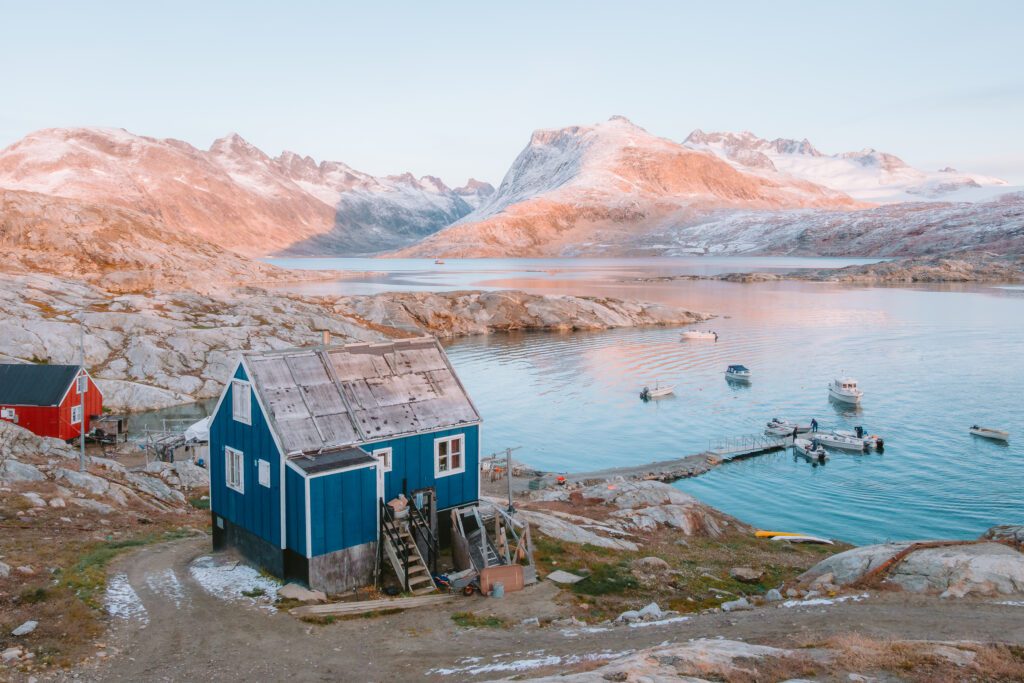
OPEN FOR BOOKINGS
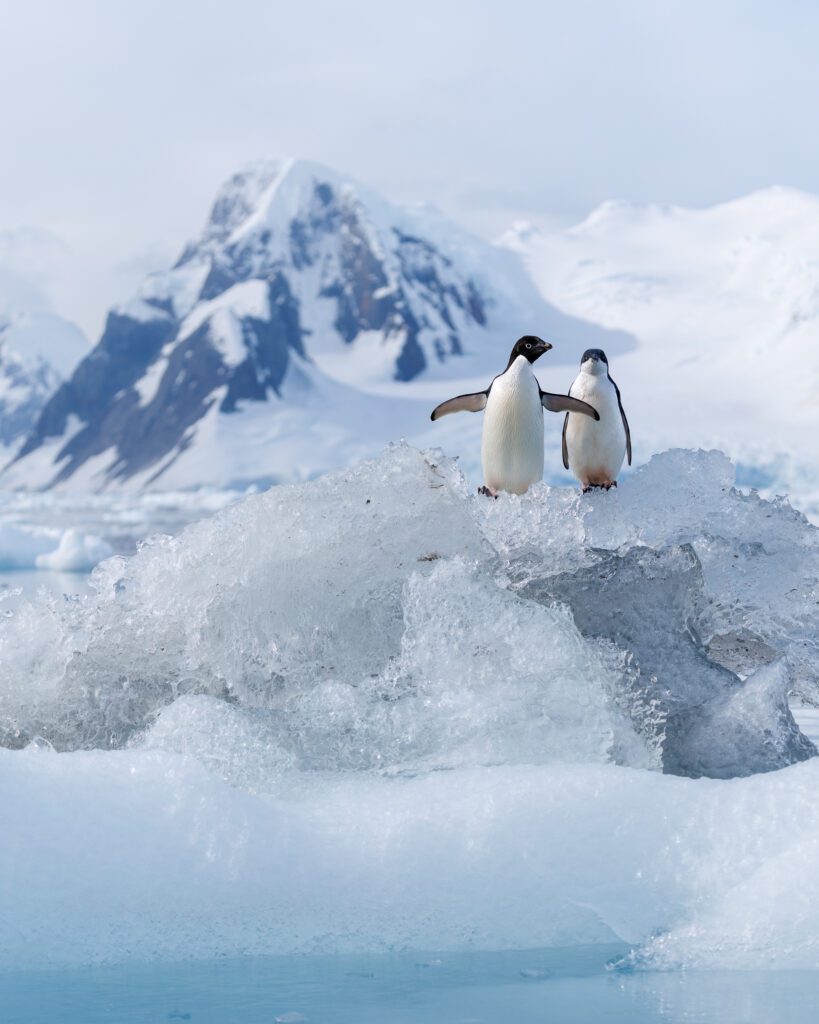
OPEN FOR BOOKINGS
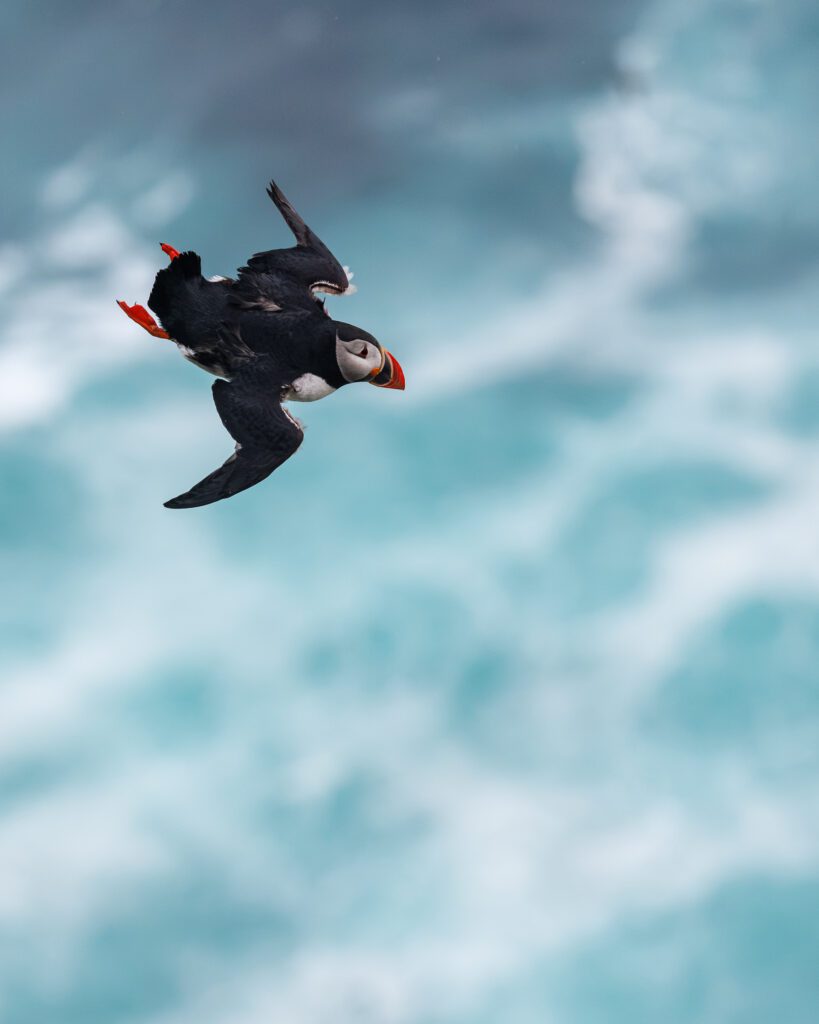
LAST SPOTS
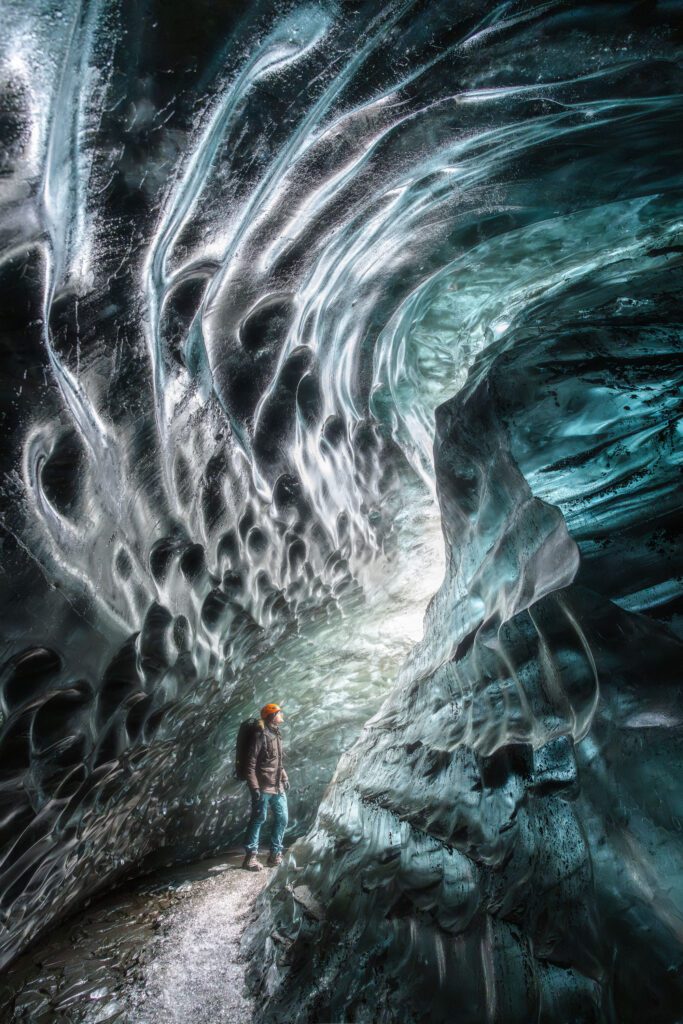
WAITLIST
WAITLIST
WAITLIST
WAITLIST
WAITLIST
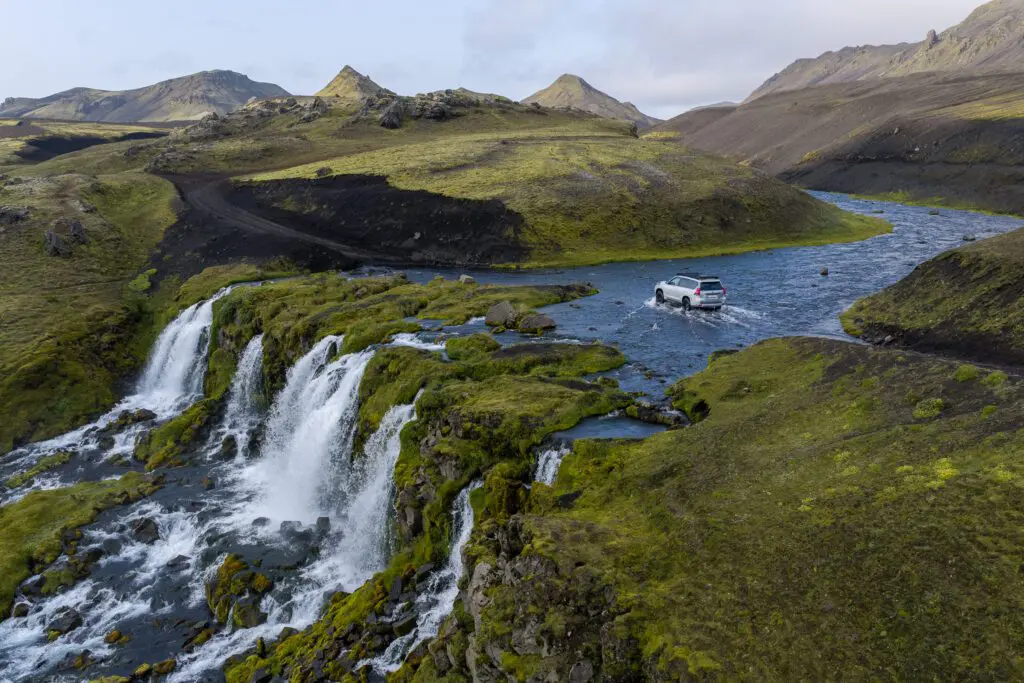
WAITLIST
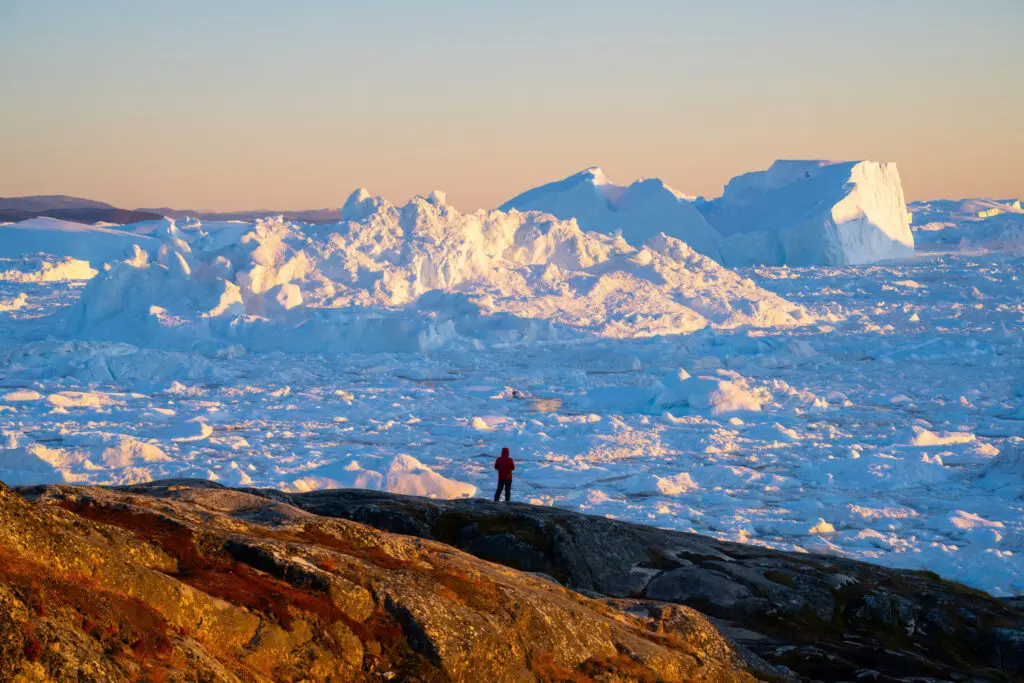
WAITLIST
Choosing the right photography workshop is about more than just visiting iconic locations. It’s about experience, safety, timing, and personal guidance. Below you’ll find honest reviews from photographers who have joined me on landscape, wildlife & drone photo workshops in Iceland, Greenland and other locations. These testimonials reflect real experiences in small groups, hands-on instruction in challenging conditions, and the level of care Jeroen aims to bring to every workshop.
These reviews are verifiable on Jeroen’s public Google Business profile.
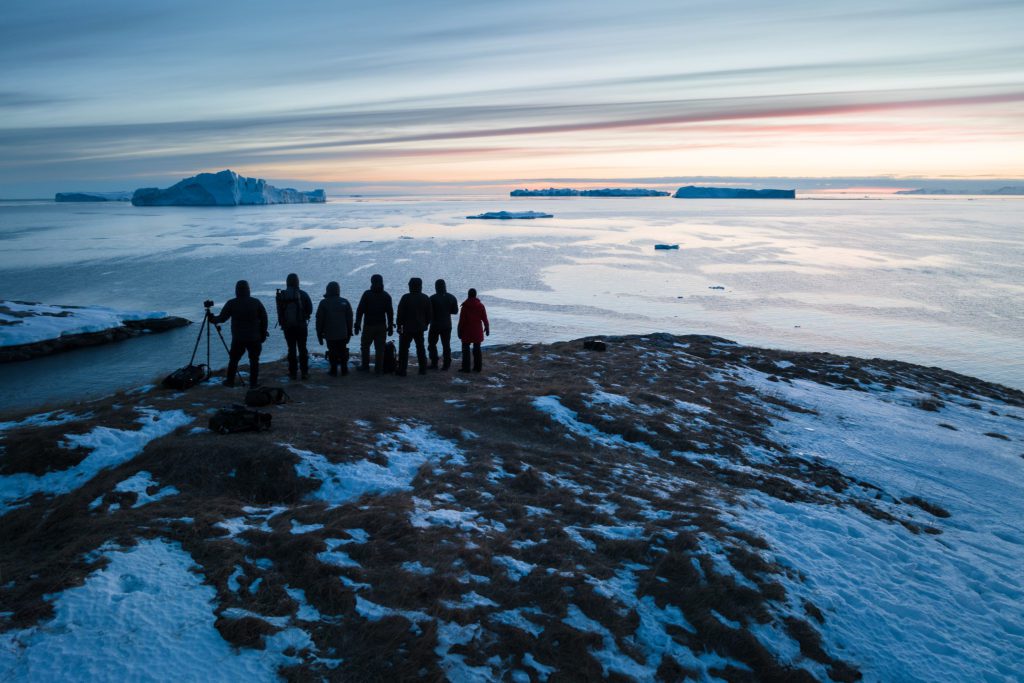
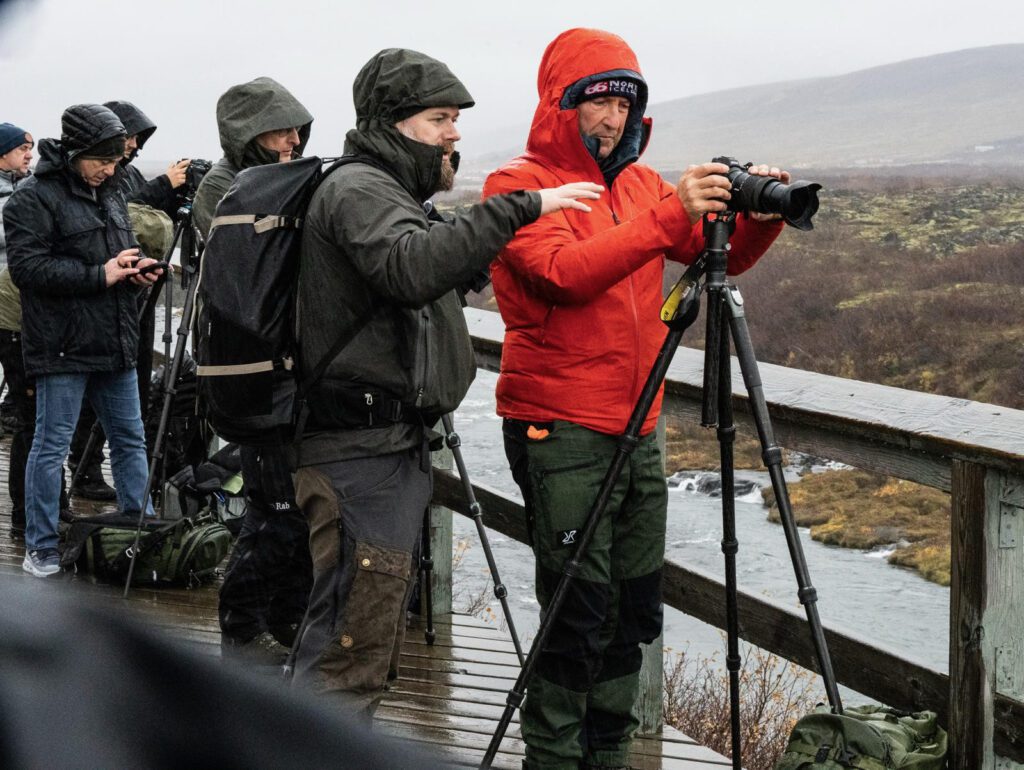


Support Jeroen’s Work
As an independent photographer, Jeroen partially relies on your support to keep producing worthwhile content such as blogs, photographs, books and much more. If you want to support his work, it is possible to do so by buying his e-books & books.
You can also sign up to the newsletter to stay up to date on new blog posts, projects, workshops and other interesting information.
Thank you for considering!





Hi Jerome,
Thanks for the review on RF 100-500 .
I’m definitely getting it before I join your puffin workshop next year.
Please keep me posted when available.
Best,
Winnie ( Antarctica group)
Thanks Winnie – nice to hear from you again! I will be announcing the Puffin workshop for next year at the end of the month, just waiting for flights to be confirmed. Make sure you are on my waitlist as I inform those first!