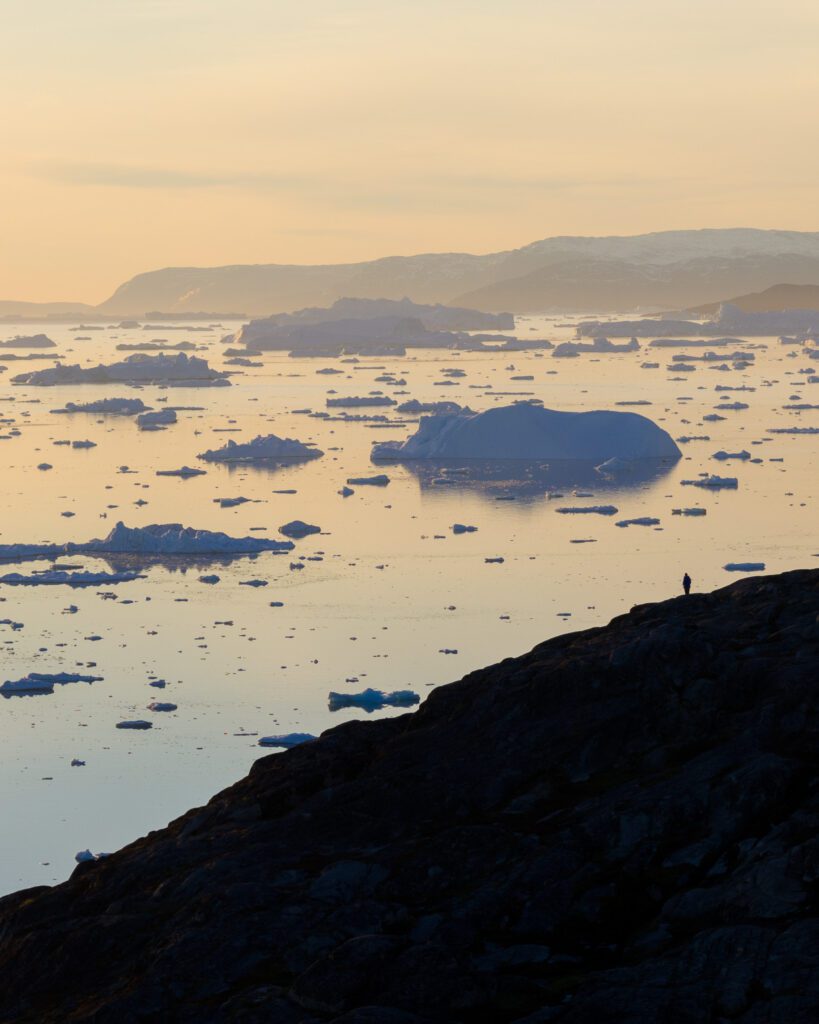
Last summer in East Greenland, I had one evening. The light was fading fast over an area where icebergs were stranded, and the only way to frame the icebergs with the incredible light was to fly right above the water line. I unfolded my Mavic 4 Pro, launched, composed, bracketed, and returned back to the boat with my group after the best light had gone. I captured one of the best images of the trip in that window. I was grateful to have my Mavic 4 Pro because no other tool would have given me that shot that efficiently.
That moment is just one of many and it explains why this article matters to me. It explains why I think the conversation around the DJI ban in the United States has been framed badly.
Let’s get one thing out of the way: I’m not American. I’m a Belgian Icelandic photographer based in Iceland, so I have no skin in the legislative debate. But my entire business, whether it’s the workshops I run in Iceland and Greenland, the prints I sell, the Drone Photography Masterclass I teach, runs on DJI hardware. So I’ve spent a lot of time thinking about what this ban actually does, what it doesn’t do, and what I’d do if I were a US-based working photographer right now.
Most of the coverage I’ve read approaches this as a political story. I’m going to approach it as a working photographer’s problem. If you live in the US and rely on DJI for your work, or you’re thinking about buying your first drone, this article is for you.

It should be no surprise I use drones a lot in my field of work. They have become more and more of a cornerstone in my photography.
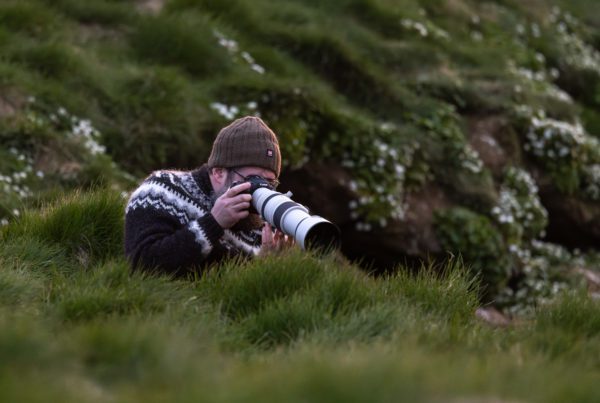
Thanks to Shari Asselberghs for taking this lovely portrait.
Current status (September 2026): DJI is still on the FCC Covered List, so new models cannot be imported into the US, but every drone already here keeps working. Two things have changed since I first wrote this. The FCC has extended firmware and security updates to 1 January 2029 (notice DA-26-454), not the 2027 date originally set under DA-26-69, and I cover that in my breakdown of the FCC firmware notice for DJI drone users. The bigger one for anyone still shopping: since 3 September 2026 there are Section 232 tariffs on imported drones, 25% on consumer sized drones up to 25 kilograms and 100% on the heavier ones and on anything with thermal imaging. That doesn’t touch the drone you already own, but it does mean the stock still sitting on US shelves is the cheap stock.
Why DJI Is Being Targeted (The Short Version)
Concerns about DJI in the US have been circulating for years, mostly framed around national security: because DJI is a Chinese company, some US lawmakers argue that its products could theoretically be used to collect or transmit sensitive data. No public evidence has ever been released proving DJI drones are actively being used for espionage, but the concern alone has been enough to drive legislative action.
The mechanism is a provision in the US National Defense Authorization Act (NDAA), which required a formal national security review of DJI. The deadline was 23 December 2025. No agency completed the review. In fact, no agency stepped forward to conduct it at all and so under the law, DJI was automatically placed on the FCC’s “Covered List” by default.
In other words: DJI didn’t lose a review. The US government just didn’t do one. That’s the entire mechanism behind what most headlines call a “ban.”

Without evidence, it is hard to keep arguing the espionage card in my opinion. One of the arguments DJI makes is that they have vowed, from the start, to never produce drones purposely made for military reasons. On top of that, their drones can function completely air-gapped from the internet.
Thanks to Greg Purnell for taking this lovely photo of me landing my drone on the East Greenland Photo Expedition in August 2025.
What This Ban Will NOT Do
There’s a lot of misinformation circulating, so let’s be precise about what’s not happening:
- Your existing DJI drone will not stop working.There is no mechanism, technical or legal, to remotely ground drones already in circulation.
- Recreational and commercial flights remain legal. Registration, Remote ID, and FAA rules are unchanged.
- Existing drones can still be bought, sold, and serviced. Stock that’s already in the US is unaffected.
- This is not a worldwide ban. It’s a US-specific restriction on the import of new models going forward.
The actual impact is on future availability. Newer models likely won’t reach the US market, and parts/repairs will get harder to source over time.

If you already managed to get your hands on a DJI Mavic 4 Pro, it won’t stop working but you may find that it will be impossible to buy one in the United States.
My Actual DJI Workflow (& Why This Changes My Buying Calculus)
I fly drones professionally about 7-8 months a year. The bulk of that is for my own landscape and wildlife photography, plus the drone workshops I run in Iceland, specifically the Icelandic Highlands and Greenland. Here’s what I’m actually using in 2026 and why each piece is hard to replace.

The Mavic 4 Pro has now been my drone photography workhorse for the last year. It’s simply the best tool for my job.

After reviewing and using it last year, the DJI Mini 5 Pro became a solid smaller drone in my gear collection.
My Current Setup At The Time Of Writing
- DJI Mavic 4 Pro – This very capable drone was the obvious next step after flying a DJI Mavic 3 Pro, DJI Air 2S and a DJI Mavic 2 Pro. I really enjoy the extended battery life and more-than-excellent image quality.
- DJI Mini 5 Pro – I also have this smaller drone because it’s a great and capable backup drone. It is a small and lightweight drone with great image quality.
- I also have a few other, smaller drones, that I keep for testing purposes but not really use in-the-field.
The Shots That Justify The Gear
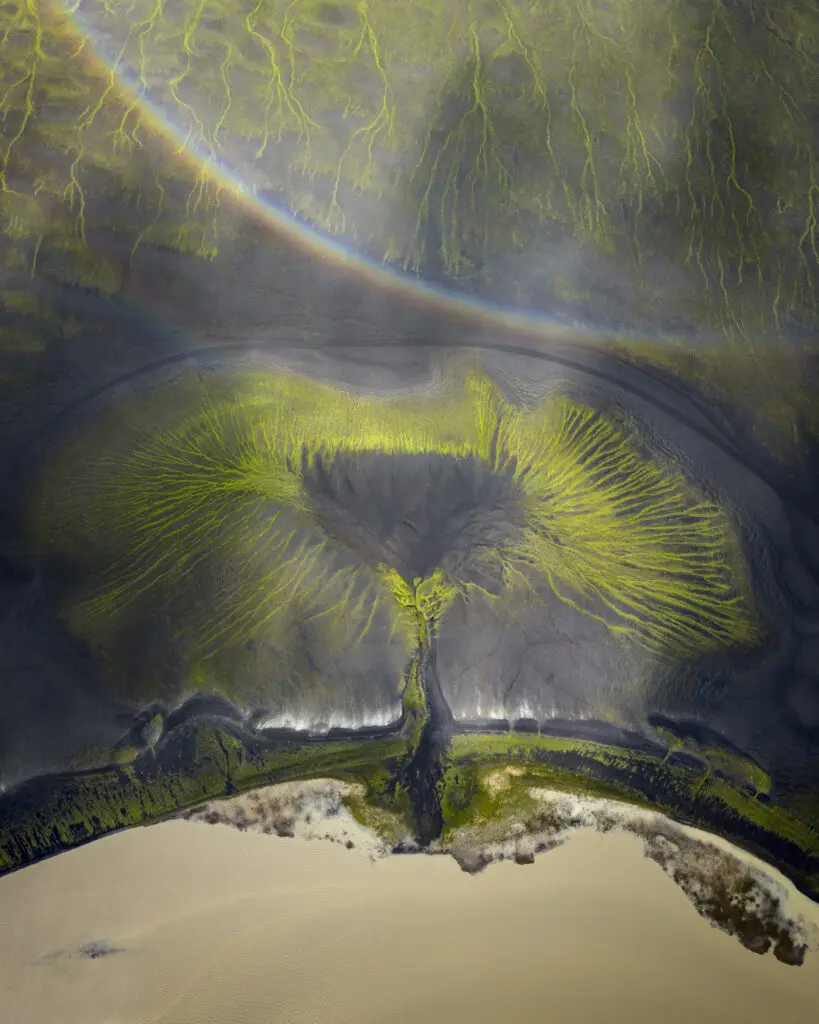
During my last workshop in Western Greenland in September 2025, I managed to capture this incredible whirlpool next to an iceberg. Thanks to the extreme stability of the Mavic 4 Pro in heavy wind, I managed to capture this photograph after a lengthy one hour session to capture just this one shot. Impossible without a DJI drone!

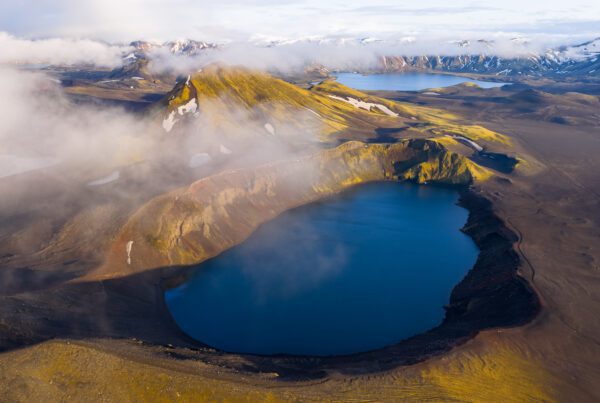
During the July 2025 eruption at Sundhnúkagígar in Iceland, I used my DJI Mavic 4 Pro a lot. And in one particular case, it really outdid itself when I flew it in an immense steam cloud that formed over the eruption after a torrential rainfall. I dedicated a special blog to this adventure and I could have never gotten this shot without my drone.

Why This Matters For The Ban
If you’re a working pro relying on DJI in the US, you’re not just losing access to the next model. You’re losing access to a hardware platform that’s roughly five years ahead of the nearest alternative in the categories that matter for landscape and wildlife work. That’s the gap you’d need to bridge.
Why I Haven’t Switched Away From DJI
I get asked about non-DJI alternatives constantly. The honest answer: I haven’t field-tested any of them, because the technology gap has been too wide for too long to justify the time investment of learning a new platform.
That doesn’t mean I’m not paying attention. I follow every major release from Autel, Skydio and Parrot. That is partly out of professional curiosity, and partly because if a real DJI alternative emerged, I’d want to know first. So far, nothing has come close enough to my requirements for landscape and wildlife work to make a switch worthwhile. The conversations I have with photographers who have tried them tell me the same story: each platform has bright spots, but none yet matches DJI’s all-round capability.
What this means for a US-based pro right now: don’t expect a true 1:1 DJI replacement on the market today. The closest competitors are better than they were two years ago, and they’ll keep improving. They may even improve faster now that the US ban has cleared market space for them. But “the alternatives will catch up someday” isn’t a plan for a working photographer in 2026. It’s a hope.

I have used all kinds of DJI drones over the years and while I am firmly stuck in their ecosystem, I keep an eye out for other brands. However, none of them have come close to what DJI gear is capable of.
What I’d Do If I Were A US-based Working Photographer Right Now
If my livelihood depended on DJI hardware and I lived in the US in 2026, here’s exactly what I’d be doing:
- Buy a backup drone now. Not next year. Now. The Mavic 4 Pro and Mini 5 Pro are still freely available in US retail at the time of writing. But that won’t last as inventory depletes and isn’t replenished. If your business depends on having a flyable drone, a second body is cheaper than a missed shoot. Perhaps you could even import one after you travel abroad.
- Stockpile batteries and ND filters. These are the accessories that wear out, get lost on shoots, or fail at the worst time. Buy two extra sets per drone you own.
- Get your gear serviced now. Any small issue you’ve been ignoring (gimbal calibration, a sticky propeller mount, a weak battery) fix it while authorised service is still straightforward to access in the US.
- Don’t panic-sell your existing drones. I’m seeing forum posts from people offloading working DJI gear because they think it’ll become illegal. It won’t. Used DJI gear is about to become more valuable, not less.
- Keep an eye on the political situation, but don’t bet on a reversal. Legal challenges and political pressure could change things but planning around “what if the ban gets overturned” is not a plan. Plan around the world as it is.
If you’re not a working pro and you’re just thinking about buying your first drone: buy a DJI drone now, with confidence. Your drone will keep working. Firmware and security updates are now confirmed through at least 1 January 2029 under the latest FCC notice. You’ll have years of use ahead of you.
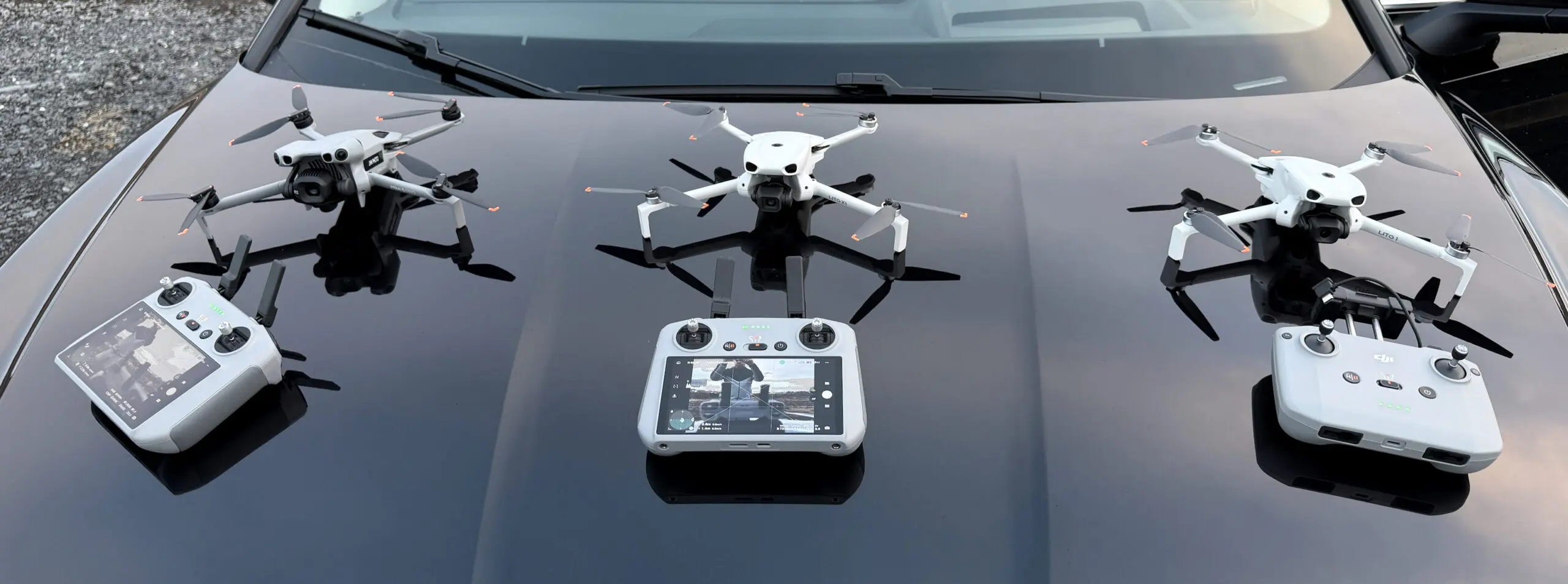
If you are based in the United States, now is the time to buy extra gear and spare parts before none of it is available anymore in your country.
What This Means For My Workshops And The Drone Photography Masterclass
A few people have asked me whether the US DJI ban changes anything about my workshops or the Drone Photography Masterclass. Short answer: nothing changes.
The workshops I run are in Iceland, Greenland and Antarctica. These are all outside the US, all under regulatory regimes where DJI is the standard. Participants from the US can still bring their existing DJI drones with them on workshops without issue. If you’re a US participant who doesn’t yet own a drone, I can advise you on what to buy before you fly with me or help you purchase one in Iceland.
The Drone Photography Masterclass is hardware independent. The techniques we teach work on any drone (whether it’s DJI, Autel, Skydio, …) because they’re about composition, light, planning and post-processing, not menu navigation. If you’re a US-based photographer pivoting to a non-DJI platform, the course is arguably more useful, not less, because the principles transfer cleanly while the muscle memory of menus doesn’t.

For my workshops nothing changes but my US-based customers may have a harder time getting DJI equipment (which I will gladly help them with).
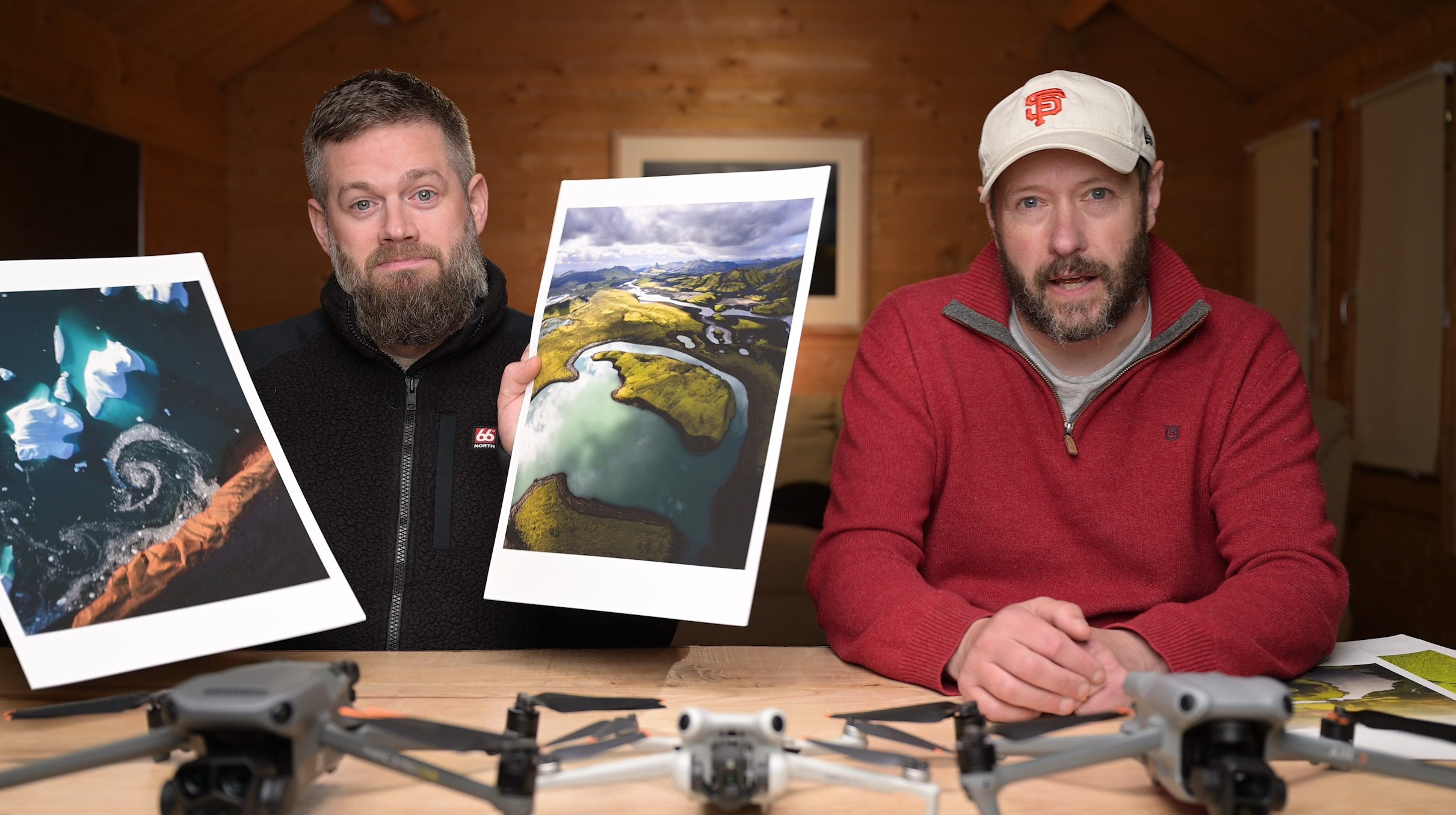
The Drone Photography Masterclass can be used independently of whether you own a DJI drone or not. The big ideas behind it are independent of what drone you use as long as it supports RAW images.
Frequently Asked Questions
Below is a rundown of the most frequently asked questions I have gotten in regards to the DJI ban.
Will DJI Drones Be Banned Completely In The U.S. In 2026?
Not directly. Because no security review has been completed by December 23rd 2025, DJI has been placed on the FCC Covered List. This means new products won’t be approved or imported. The covered list is a compilation of communications technologies that have been deemed a risk to national security in the United States.
Can I Still Fly My DJI Drone Now That The Ban Is In Effect?
Yes. Existing DJI drones will continue to function and remain legal to fly under current FAA rules.
Will DJI drones Be Remotely Disabled?
No. There is no technical or legal mechanism to disable drones already in circulation.
Will DJI drones Stop Receiving Firmware Updates?
The original FCC notice DA-26-69 permitted updates through 1 January 2027, but a follow-up notice (DA-26-454) extended that to 1 January 2029. Drones authorised before December 2025, which is every current DJI model, are covered.
Does This Affect Drone Regulations Outside The U.S.?
No. The Covered List is a US-only restriction. DJI users in Europe, the UK, Iceland and the rest of the world are unaffected.
Is The DJI Ban Really About National Security?
In my opinion, no. At least not entirely. The lack of evidence of actual espionage, combined with the fact that no US agency would conduct a review even when DJI asked them to, suggests the situation is at least partly about market protection for domestic manufacturers. That’s a personal view, not a fact.
Should I Buy A DJI Drone In 2026 If I Live In The U.S.?
Yes, if you need one now. Your drone will keep working, and you’ll get years of use out of it. Just budget for spare batteries and consider buying a backup body while inventory lasts.
Is This Decision Final?
For now, yes. Political pressure and legal challenges could change the situation, but planning around a hypothetical reversal isn’t a plan.
Has The DJI Firmware Update Deadline Been Extended?
Yes. The FCC originally set 1 January 2027 (notice DA-26-69), then extended it to 1 January 2029 with notice DA-26-454, conceding that cutting off security patches would be worse than the ban itself. Existing DJI drones in the US keep getting updates for years yet.
The Bottom Line
The DJI situation in the US isn’t really a ban in the way headlines describe it. It’s the consequence of a government that failed to do a review it was legally required to do, with the default outcome being that the world’s leading drone manufacturer gets locked out of the US market for new products. It’s a strange way to make policy.
For working photographers in the US: your existing gear still works, and will for years. Buy spares now, test one alternative this year, and don’t panic-sell anything.
For everyone else: this is a US-specific situation. It doesn’t affect drone availability, rules, or pricing in Europe, the UK, or anywhere else.
And for me, sitting in Iceland with a Mavic 4 Pro and a Mini 5 Pro that will likely outlast this entire political cycle, it’s a reminder that the gear we rely on is more fragile, politically, than we tend to think. Worth keeping in mind the next time someone tries to sell you the idea that any single hardware ecosystem is permanent.
Need Help Buying A New Drone?
If you are looking at buying a new drone, I can point you into the direction of my updated drone buyer’s guide. My drone buyer’s guide has an extensive and comprehensive list of all available drones on the market now that you should consider, even taking into account that not everything is available to you on the U.S. market.
DISCOUNT
The Drone Photography Masterclass – Video Course
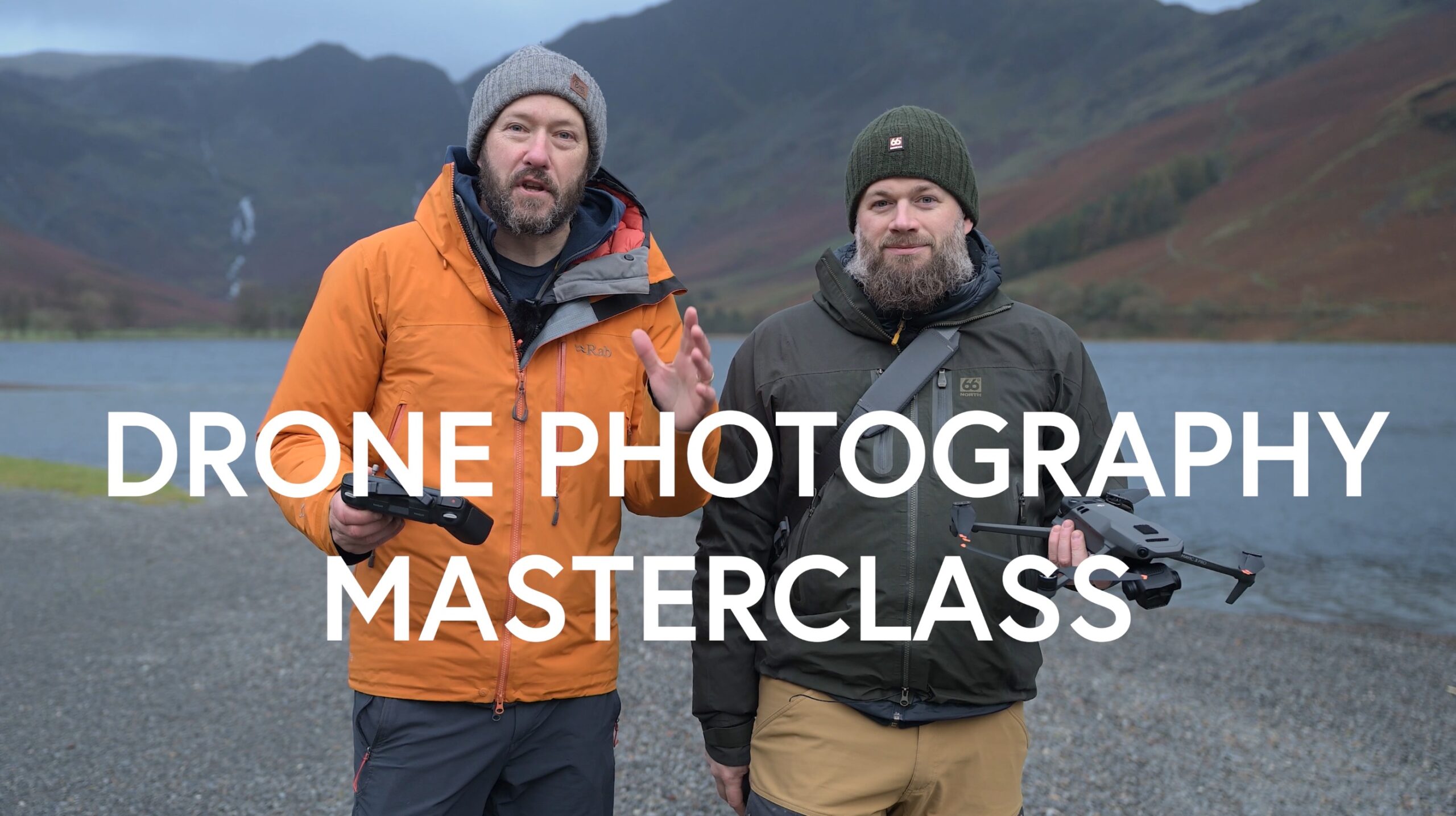
Nigel Danson & Jeroen Van Nieuwenhove‘s complete drone photography video masterclass will explore everything you need to know to start creating the best aerial photographs using any type of drone in 50+ detailed videos. Whether you are a complete beginner or an advanced drone pilot, this video course contains a vast amount of information to level up your drone photography skills.
Discover Jeroen’s Photo Workshops in Iceland, Greenland & Beyond
Ready to take your photography to the next level? Join me, Jeroen Van Nieuwenhove, on unforgettable photo workshops in Iceland, Greenland, Antarctica and other exciting destinations. Whether your passion is wildlife photography, bird photography, landscape adventures, or mastering drone photography, each workshop is designed to give you hands-on guidance in some of the world’s most spectacular locations.
From puffins in the midnight sun to Arctic foxes in the wild, from glaciers and volcanoes to dramatic coastlines seen by drone – these journeys are more than workshops; they’re once-in-a-lifetime experiences. Group sizes are kept small, ensuring personal mentoring and plenty of shooting opportunities.
Looking for something specific? Check out Jeroen’s…
- Wildlife & Bird Photography Workshops (Puffins, Arctic Foxes)
- Drone Photography Workshops
- Photo Workshops in Iceland
- Photo Workshops in Greenland
- Photo Workshops in Antarctica
Spots are limited – secure your place today!
Are You Looking For A Specific Photo Workshop?
All Upcoming Photography Workshops With Jeroen
Explore all upcoming photography workshops with Jeroen and take your skills to the next level in some of the world’s most extraordinary locations. From the volcanic landscapes of Iceland to the ice-filled fjords of Greenland and the wildlife-rich polar regions such as Antarctica, each workshop is designed to help you grow creatively while experiencing unforgettable moments in the field. Browse all upcoming departures below and find your next adventure!
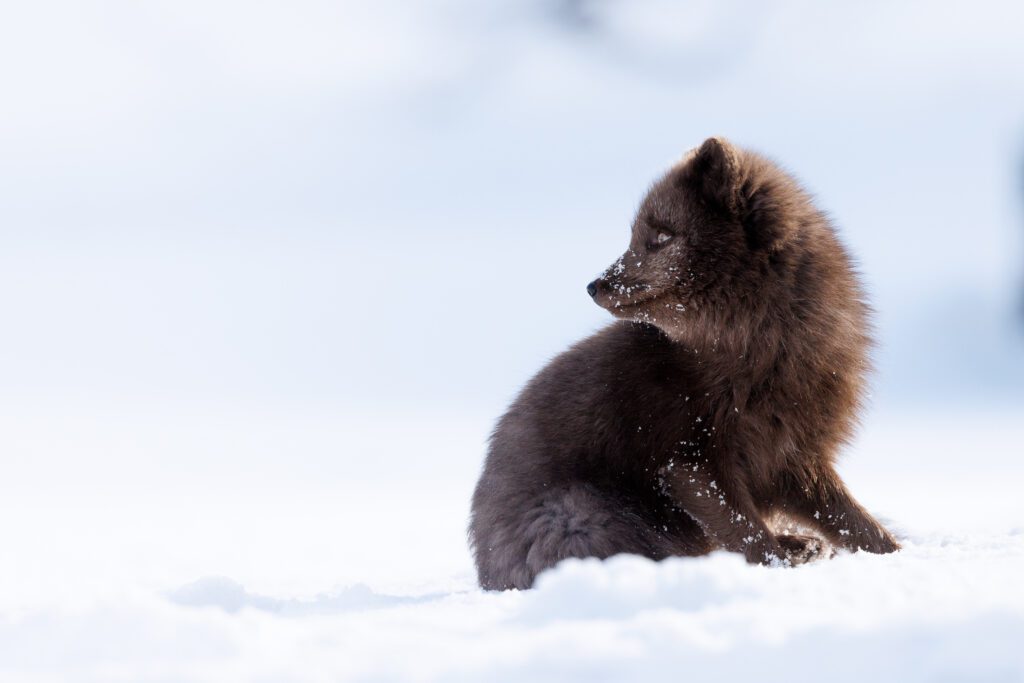
LAST SPOTS
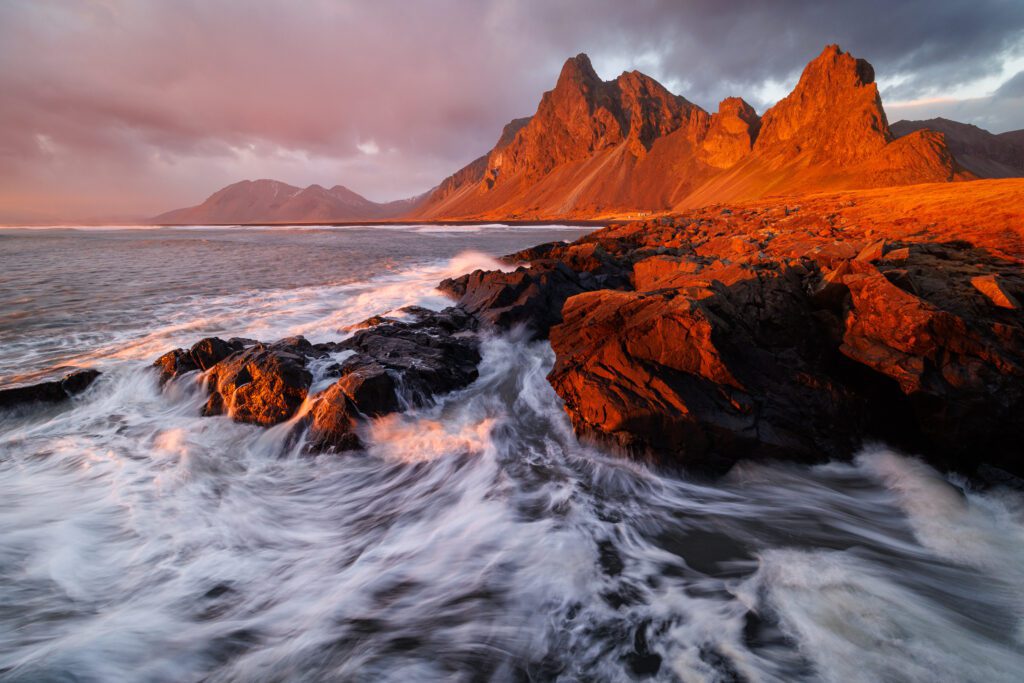
LAST SPOT
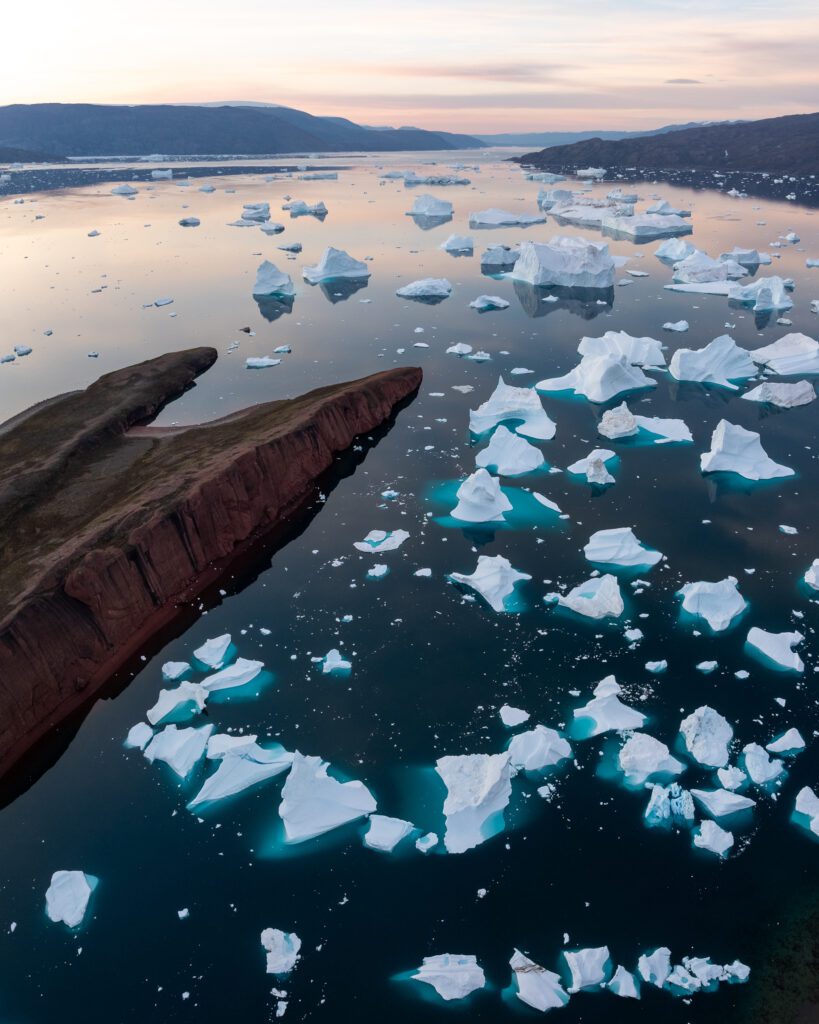
LAST SPOTS
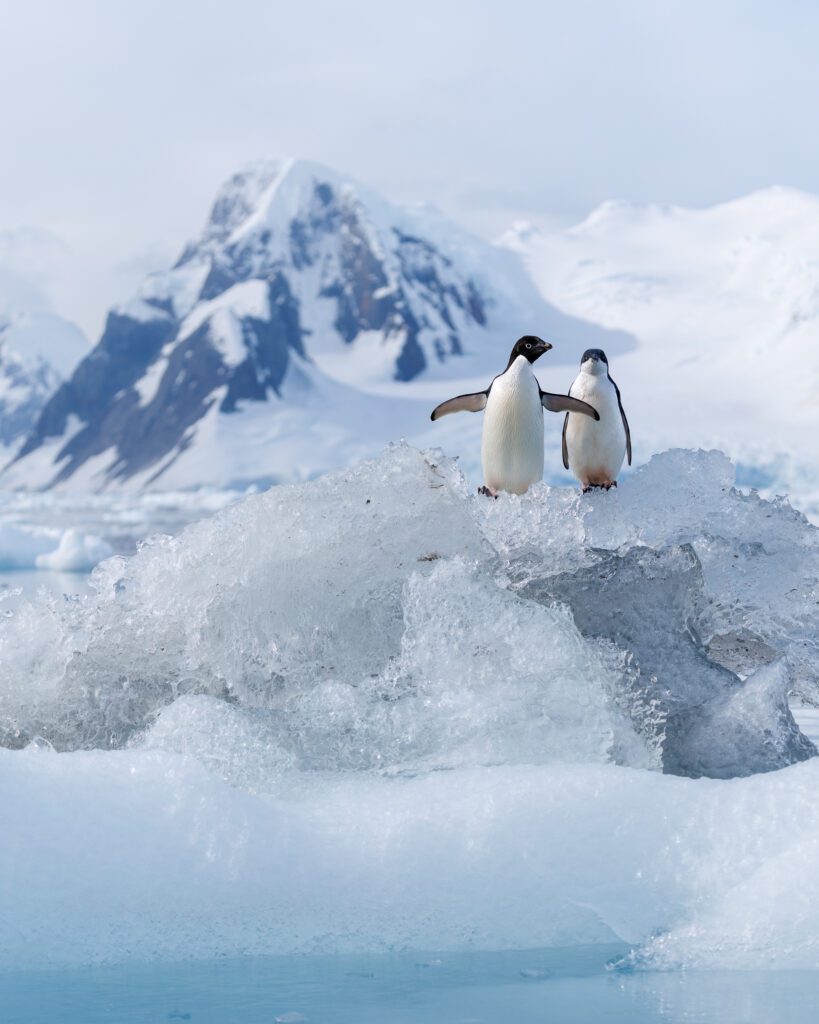
OPEN FOR BOOKINGS
LAST SPOTS

WAITLIST
WAITLIST
WAITLIST
WAITLIST
WAITLIST
WAITLIST
WAITLIST
Support Jeroen’s Work
As an independent photographer, Jeroen partially relies on your support to keep producing worthwhile content such as blogs, photographs, books and much more. If you want to support his work, it is possible to do so by buying his e-books & books or prints.
You can also sign up to the newsletter to stay up to date on new blog posts, projects, workshops and other interesting information.
Thank you for considering!






The government’s problem with these DJI drones is that they can report back to China with their data about when and where they were flown, by whom, and the data collected (like video, pictures, weather data, etc.). There is no separation of Chinese government and industry; it’s all interconnected. So if you video operations at an airport or similar, China will know what you now know.
Independent security research has shown multiple times that these concerns are completely invalid and that these concerns are not genuine.
I need a drone to video white sharks swimming in the shallows at public beaches here in Southern California, if possible I would like it to be able to drop a flare or have some type of noise devise? (horn,siren, loud buzzer) What do you recommend? Thanks Richard Wright.
Nothing specific but there are third party kits you can buy for carrying a payload like that.
Meanwhile China has banned the use of all privately owned drones. There is a reason.
I bought my DJI Mavic 4 Creator Combo in October 2025, when there was quite a premium price for those available thru Amazon. I felt most comfortable going that route, rather than alternative sources with uncertain treatment at U.S. customs – a lot of this was driven by fear of the unknown among drone users at the time. As a serious amateur photographer, I am very glad I bought the M4P, even at the premium price. Reading your other article about your 3-month trial of the drone, and the fact that it is now your workhorse, just solidifies my decision even more. Thanks for the tips in this article about batteries, etc. I just bought 3 more for a planned photo trip – not cheap, but I want the time in the sky and who knows when they may become more rare, as you have noted. Thanks for your great blog articles – please keep up the education!