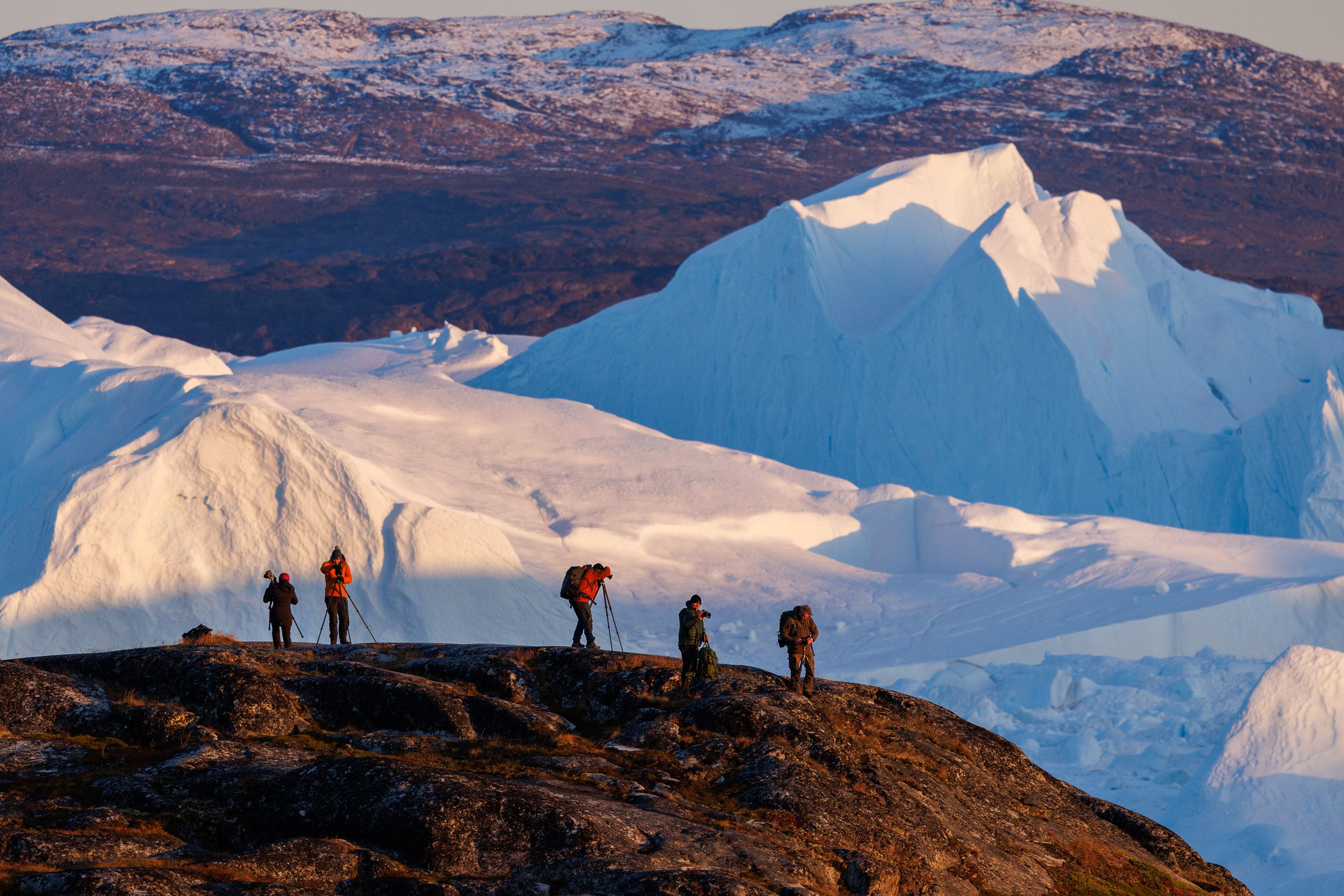
Just over a week ago I returned from an incredible once-in-a-lifetime photography expedition to Antarctica. During this adventure, we explored a large area of the Antarctic Peninsula and the South Shetland Islands, sailing amongst the most incredible ice-covered mountains I have ever seen in my life. And while I write this was a once-in-a-lifetime expedition, I have been blessed for this to have been my second adventure in this extremely remote part of the world. Just like last time, back in 2024, I was lucky enough to be leading a photography expedition together with a group of very talented photographers, guiding & teaching an amazing group of photo workshop participants in this unparalleled corner of our planet.
But, before I share everything about this adventure, I wanted to thank Nigel, Mads and James for having me on board again. To them, I am incredibly grateful to get these kind of opportunities thrown my way. Finally, I also want to give a special shout-out to the other amazing photographers (& friends) who were also leading this Antarctic photo expedition: Rhiannon Lawler, Dani Connor, Rick Bebbington, Rachel Bigsby & Roman Fox.
Get comfortable, pour yourself a (hot) drink and relax because this is going to be a lengthy one as I have a lot to share… Let’s dive in!
Interested in joining the 2028 Antarctica & South Georgia Photography Expedition? It is now possible to enquire and/or sign up for our 2028 Antarctica expedition!
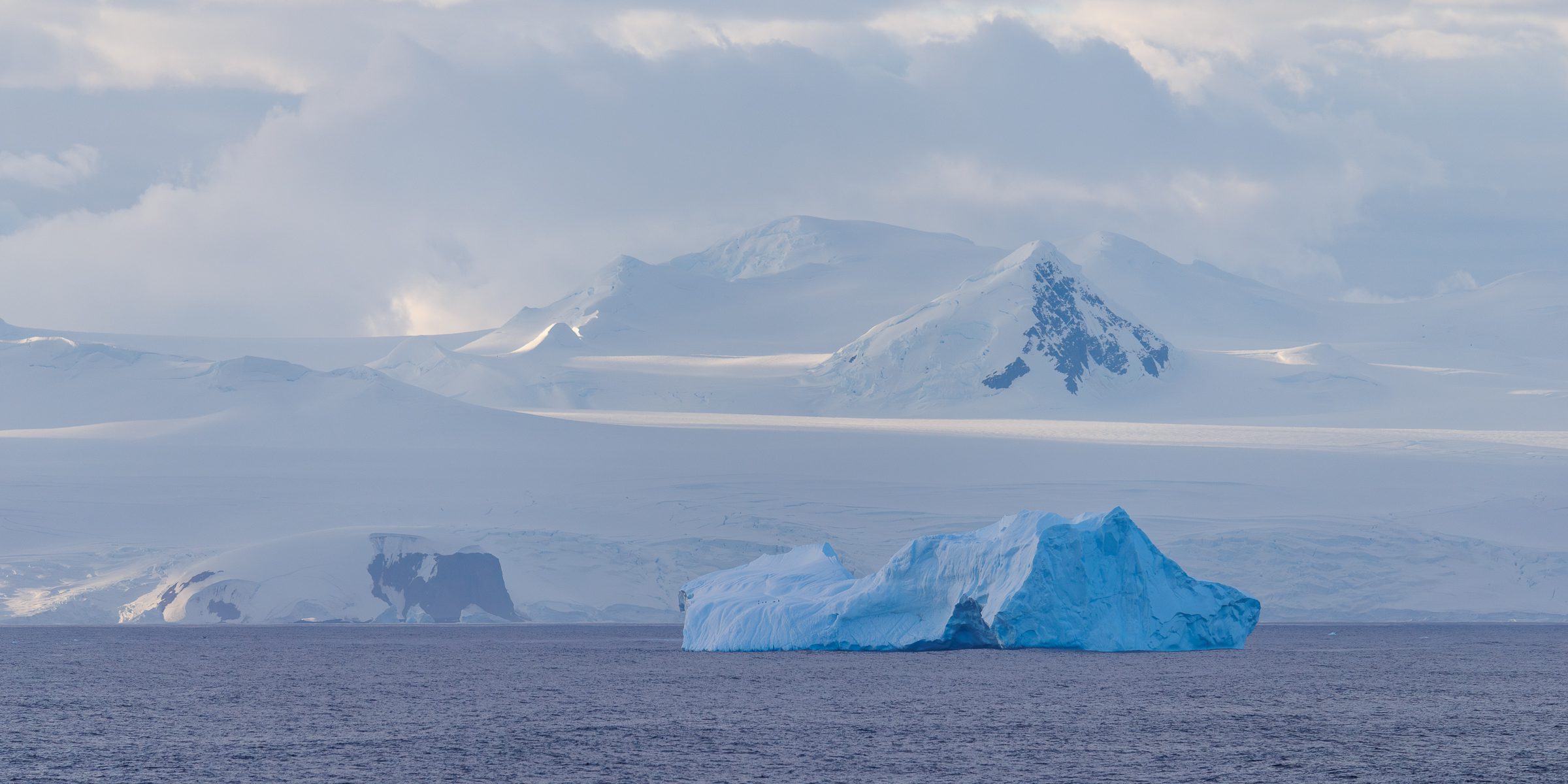
Antarctica, and the Antarctic Peninsula specifically, is an incredible place. The landscape is incredibly vast, with glacier-capped mountains sticking out far above the clouds and crystal blue icebergs floating everywhere. Can you see the penguins for scale on the iceberg?!
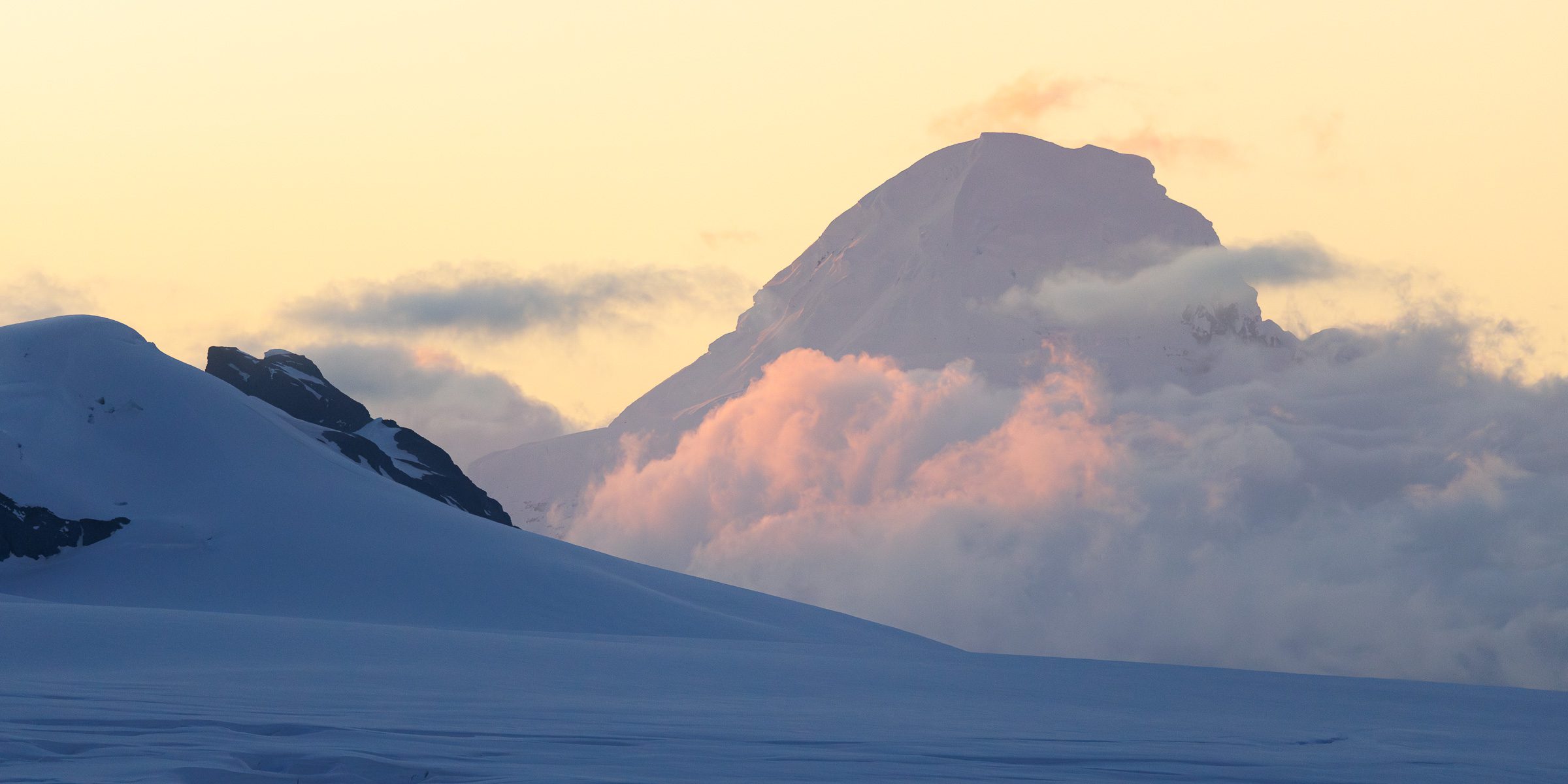
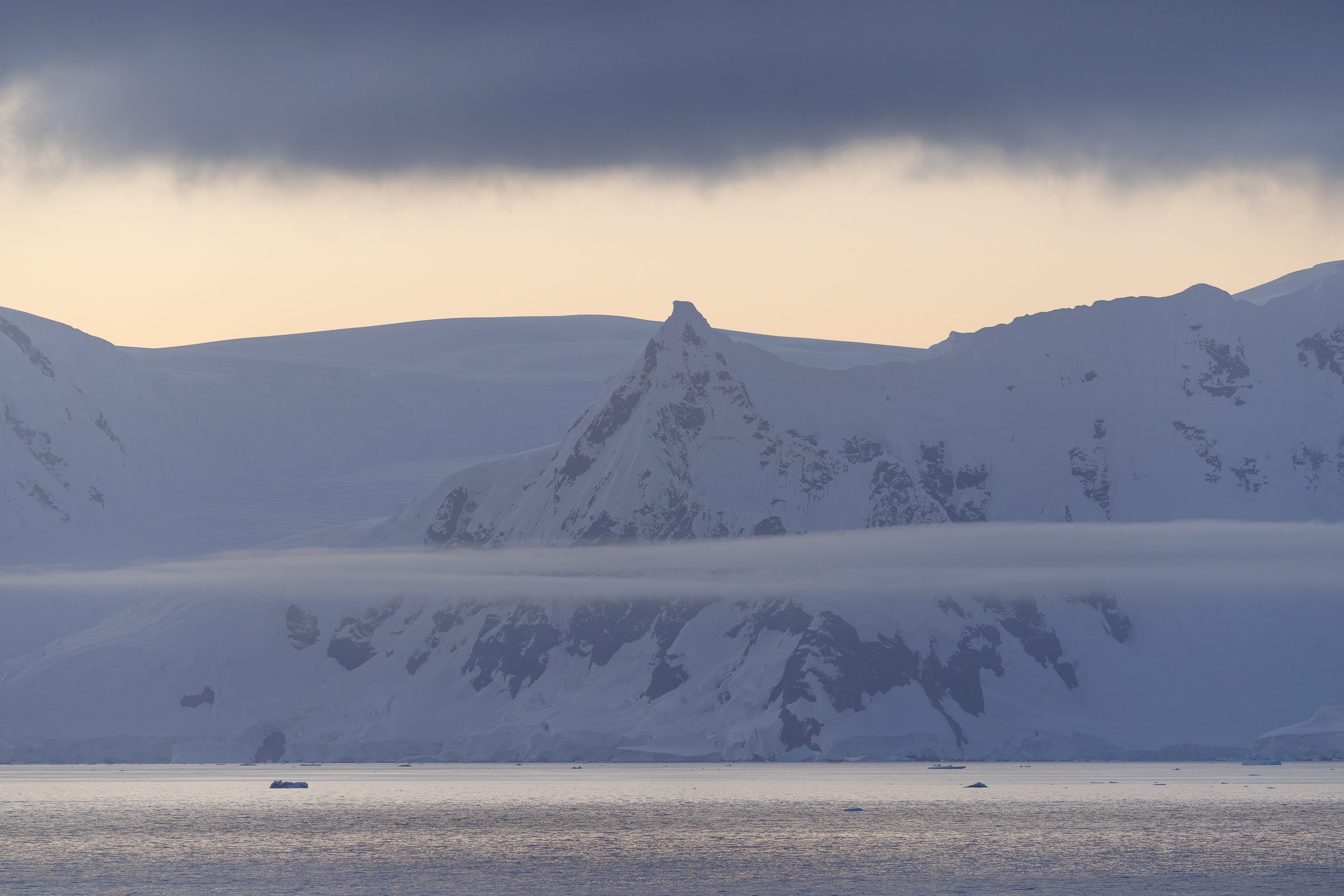
This time around we were blessed with several more, worthy, sunrises and sunsets which I was very happy about! This particular mountain really stood out to me in the Gerlache Strait. I especially like the clouds wrapping around it.
How Do You Pack For A Photography Expedition To Antarctica?
Before I begun the long journey down south, I had to think about what and how to pack. Even though I had been on a photo expedition to Antarctica before, the packing headache that came with this second trip was still very much present. For all my usual photo workshops, I have a detailed packing list, with a blog article describing how you should pack for photo tours, but with Antarctica it gets slightly more complicated. The complication isn’t because of specific weather conditions (it was summer in Antarctica after all) but because of luggage restrictions for the flights to South America and, more specifically, Antarctica.
Because we chose to operate our photo expedition with a flight into King George Island, saving you from one potentially horrible Drake Passage crossing & gaining 3 days in the schedule for photography, you have to be a little bit more thoughtful about the weight of your checked luggage (20kg) & hand luggage (7kg). It’s probably already apparent but the real challenge, which I am sure all photographers struggle with, is the hand luggage.
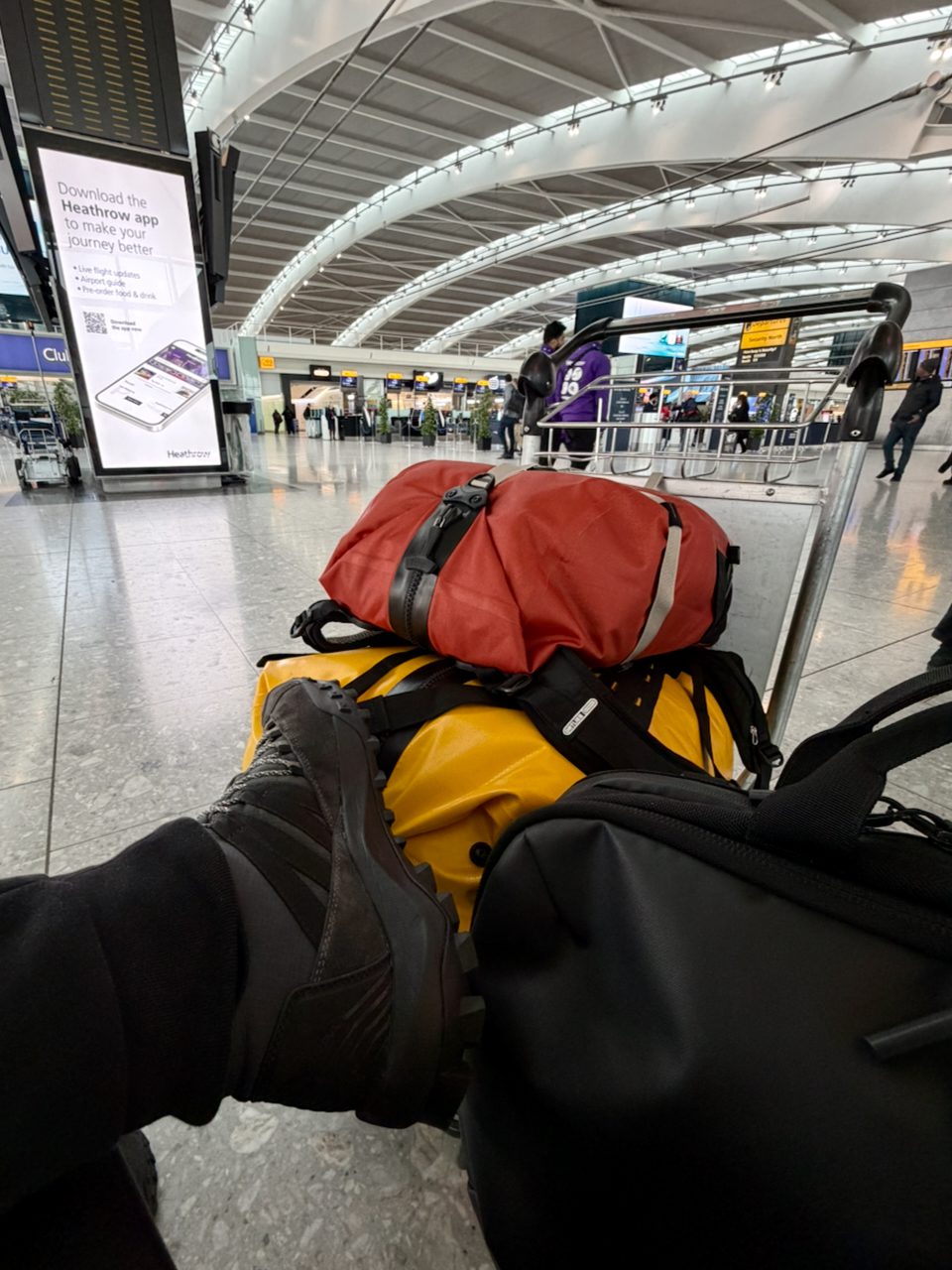
A quick snap at London Heathrow showing all the luggage I brought on this journey: a waterproof Ortlieb duffel bag, a waterproof Ortlieb backpack and my laptop bag.
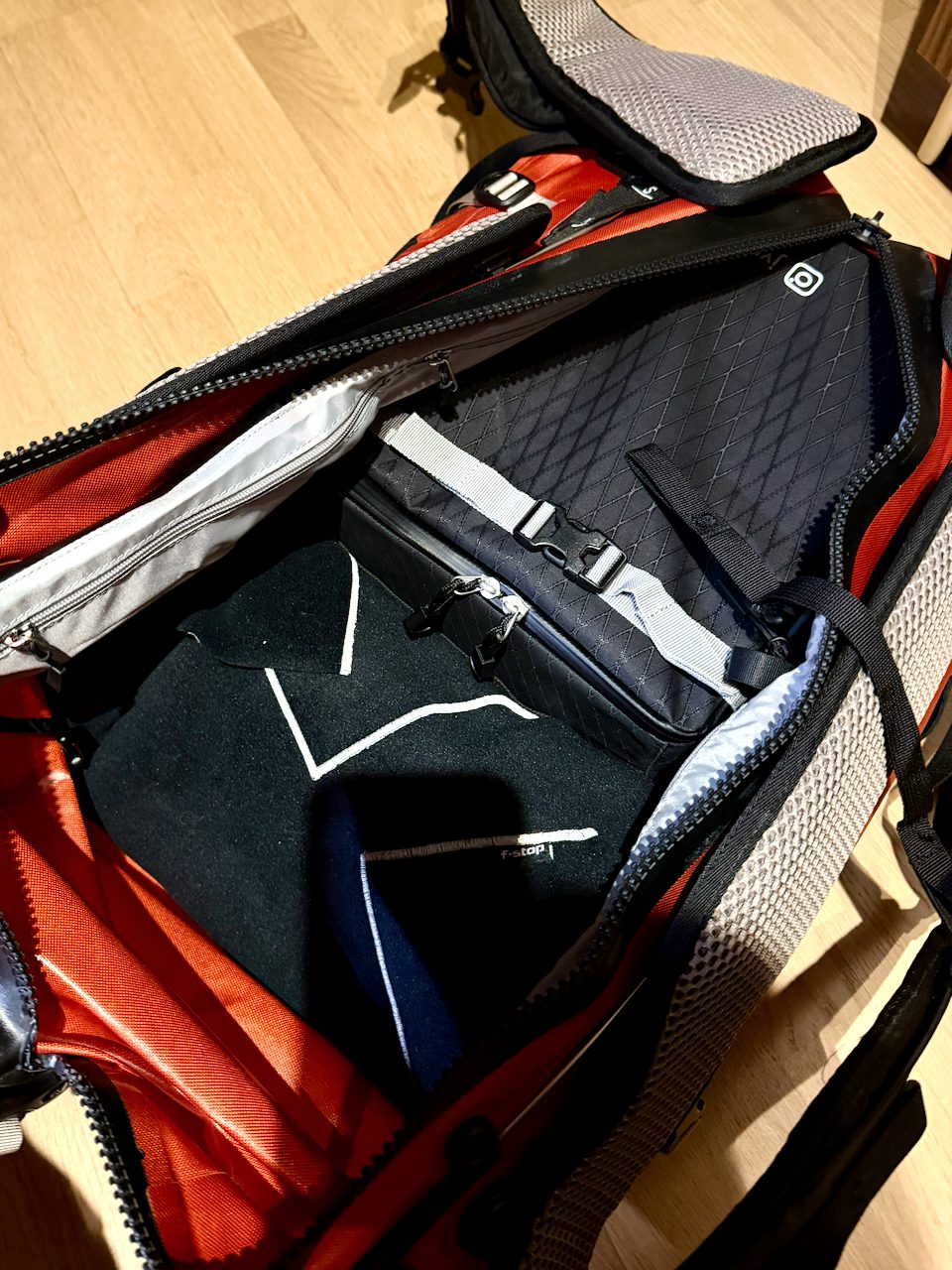
Inside of my Ortlieb waterproof backpack, I had an f-stop camera insert and the Canon RF 100-300mm which was wrapped in an f-stop protective wrap. It’s a great solution to minimise weight/volume while still protecting your gear.
Extra Items I Packed And Which Ones I Loved/Regretted Bringing
Learning from my experience the first time around, I decided to leave a few things at home but also bring a few new items. I brought a lot less clothing (given I could do laundry on the ship) and I brought a dual-camera harness, a monopod & a tripod stool this time.
The dual-camera harness from BlackRapid, which I combined with ProMediaGear QDP1 connectors, I used all the time. In fact, I almost never took it off so I could keep my camera accessible all the time. The only times I took it off was when I was eating or sleeping. The monopod I aimed to use for more stable filming and to get a lower angle more easily without crouching or sitting down (which is still not allowed due to bird flu concerns). I got quite a bit of use out of it, especially for lowering angle shooting. Finally, I also brought a small camera to record some point-of-view video and a 360 video camera.
But as it goes, I ended up regretting some of those decisions and brought too much stuff that I barely used or didn’t use at all. For example: the tripod stool. My goal was to use one to more easily photograph the wildlife at eye level and while they were allowed last time, we were not allowed to use them this time. The stool stayed the entire time on the ship and I ended up leaving it behind somewhere to save valuable luggage allowance. I also didn’t use the small camera and 360 camera as much as I intended because I got sucked into the photography side of things so much. This happens to me pretty much every time so I guess I should’ve known!
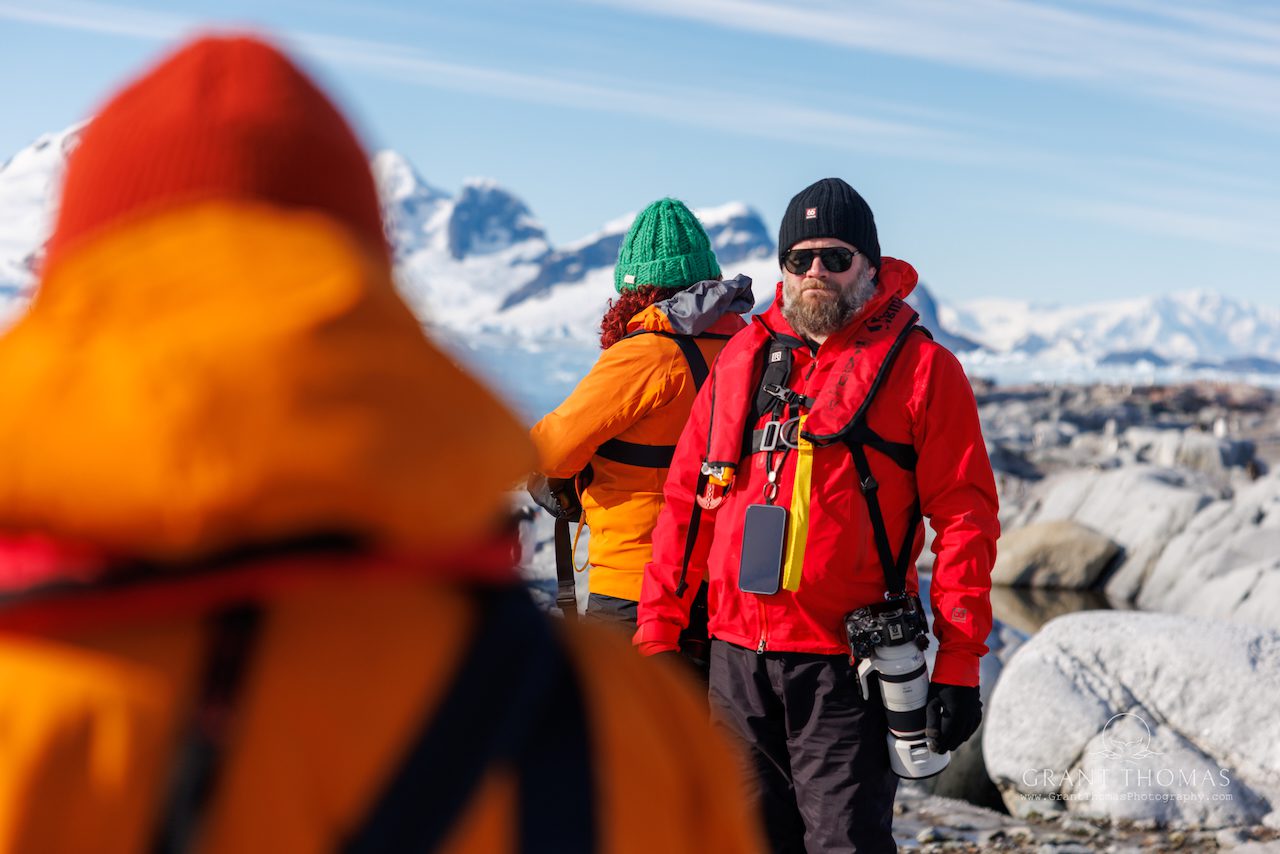
The dual-camera harness from BlackRapid, which I rigged with two ProMediaGear QDP1 connectors to fit in my L brackets, worked like a dream. It also worked really well underneath the lifejacket which you wear all the time on excursions. I also used an Orbitkey Crossbody Phone Strap to keep my phone available for quick videos. Thanks to Grant Thomas for taking this photo of me!
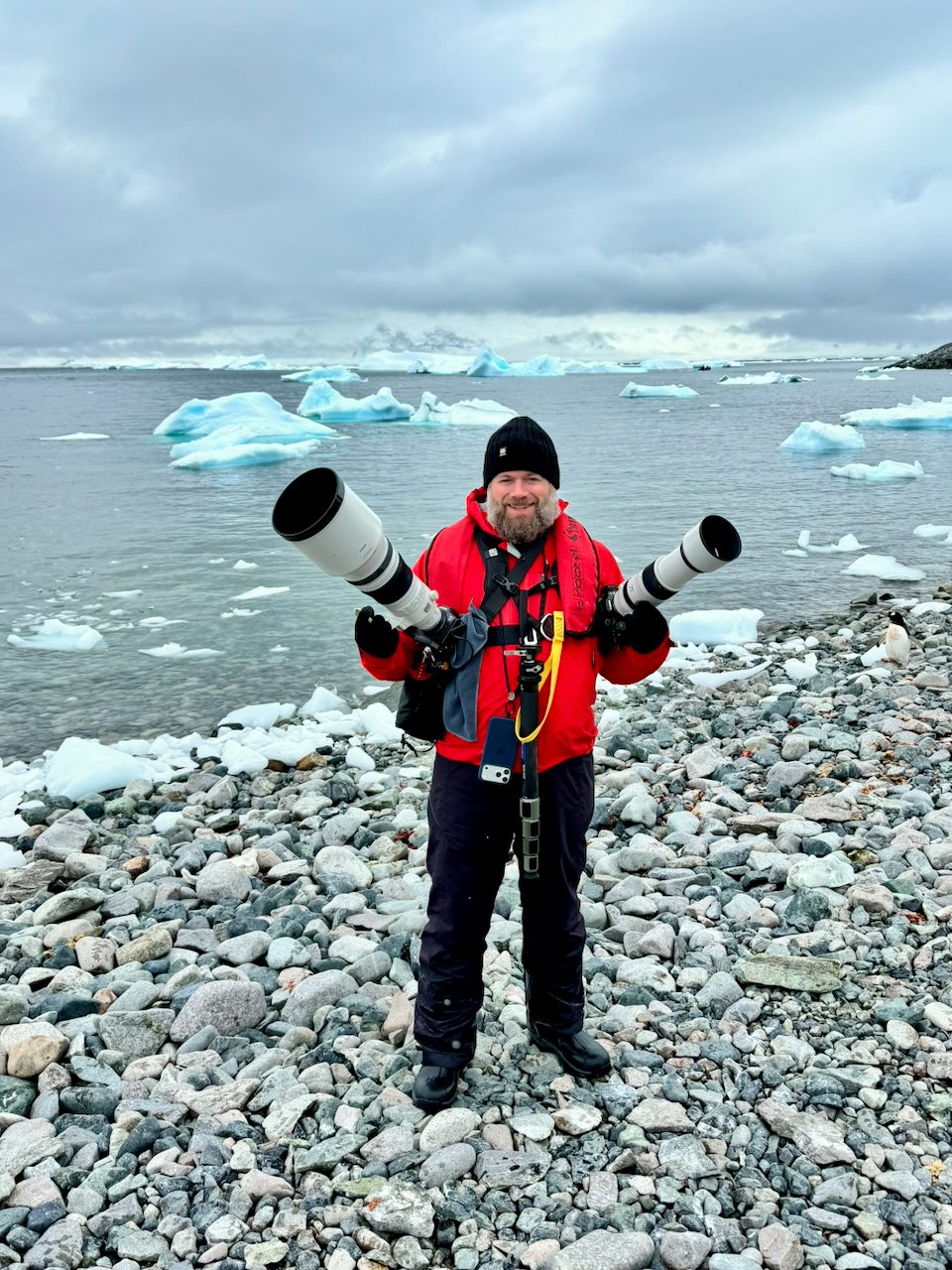
This photo, where I am showing off Dani’s massive Canon RF 400mm F2.8 lens, shows well what it looks like when you also add a monopod, a cloth and a sling bag to that setup. Moving around in this way becomes rather cumbersome so having the harness helps a lot!
What Photography Gear Did I Bring To The Antarctic Peninsula?
Perhaps interesting to some is what photography gear I brought on this second adventure to the Antarctic Peninsula. Just like on all of my boat/ship based photo workshops, I carried two camera bodies: the Canon EOS R5 Mark II and the Canon EOS R6 Mark III, which I purchased in December. Usually the Canon EOS R5 Mark II is my main camera body but, for the purpose of writing a review at a later date, I switched things around this time and used the Canon R6 Mark III as my main camera. I captured about 90% of my photographs using that camera.
Together with those camera bodies, I also brought a selection of lenses:
I also brought the Canon RF 100-300mm F2.8 L IS USM, which I kindly got on loan from Ofar/Canon Iceland.
Finally, prior to this Antarctica trip, I also wrote a dedicated blog to how I organise my photography tech & charging equipment which I published recently. If you’re interested in what other (photography) gear I use, I highly recommend checking my updated Gear-page.
What About Drone Photography In Antarctica?
Antarctica is one of the most pristine places on the planet. Aurora Expeditions, as a member of IAATO, is subject to all kinds of regulations to protect Antarctica. That means that drone flying and drone photography are only allowed under very strict conditions, with the proper permissions & licenses. In reality, it is practically impossible to legally fly a drone in Antarctica. Obtaining such a license/permission is very hard and it’s almost not worth it considering the restrictions that apply even when you get a permit. Those of you who are following my work know that I am a keen drone photographer as well and you may be surprised to know that I did not feel like I missed out leaving my drone at home. In fact, I found it really freeing because it allowed me to focus 100% on my camera photography. I didn’t miss it at all!
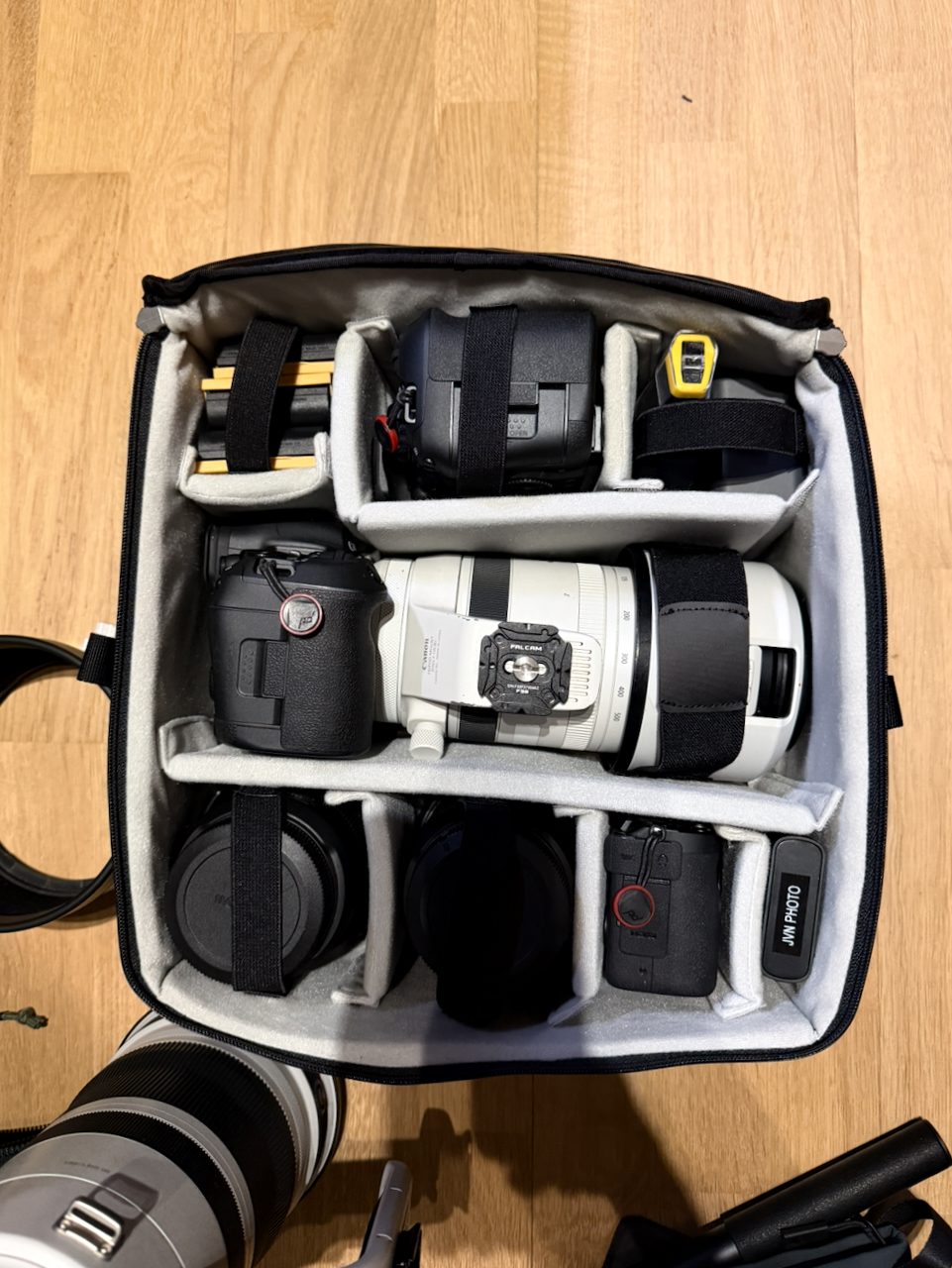
This is how I configured my f-stop Medium Camera Insert for this trip in case anyone needs inspiration on how to organise it with two bodies. I also managed to find space to fit in a lot more, including a blower, the Canon Powershot V1, a memory card reader/storage box and other items.
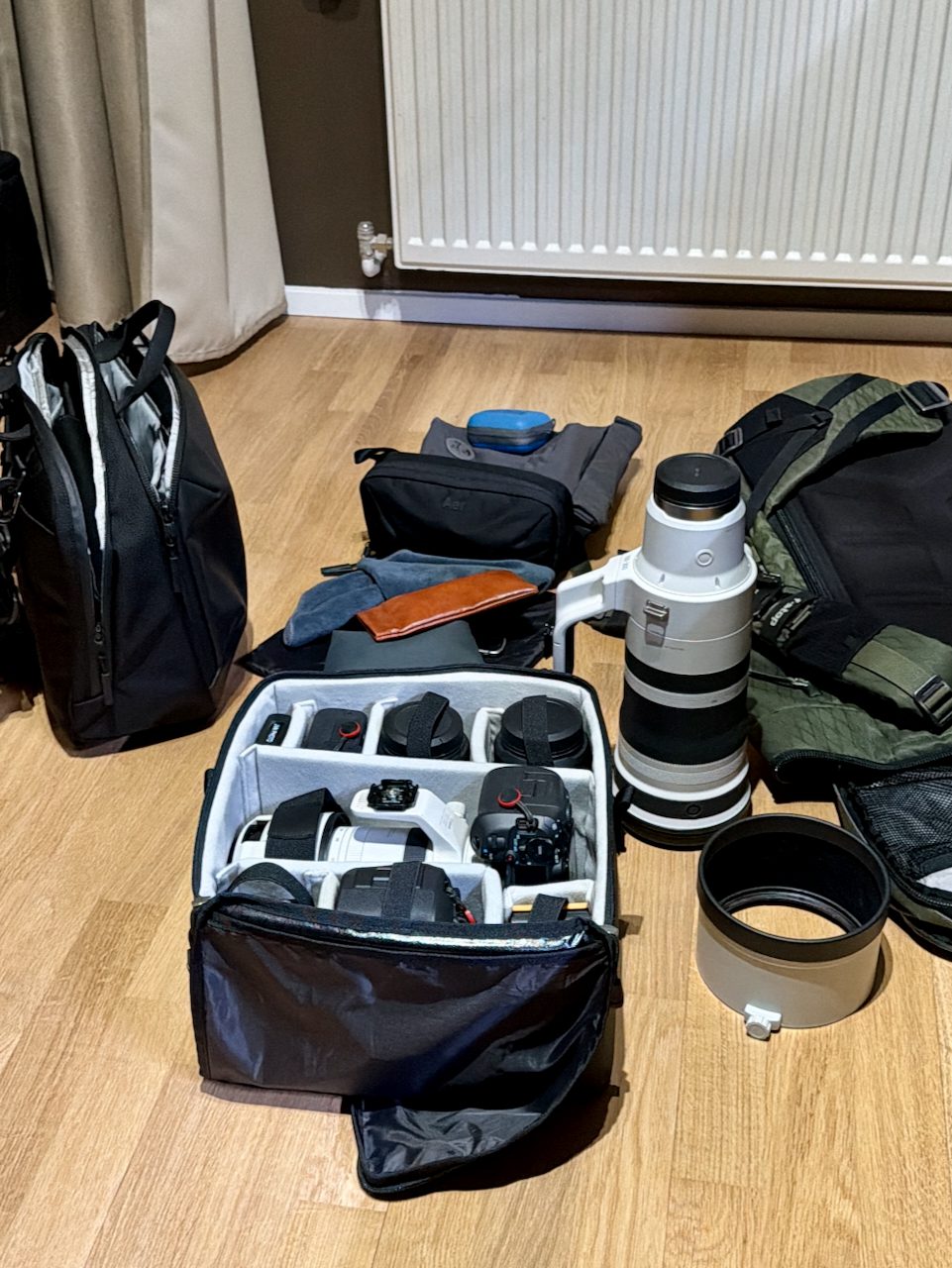
Now… How to fit that all into my luggage?! Every traveling photographer must be struggling with this as much as I do, even after so many trips!
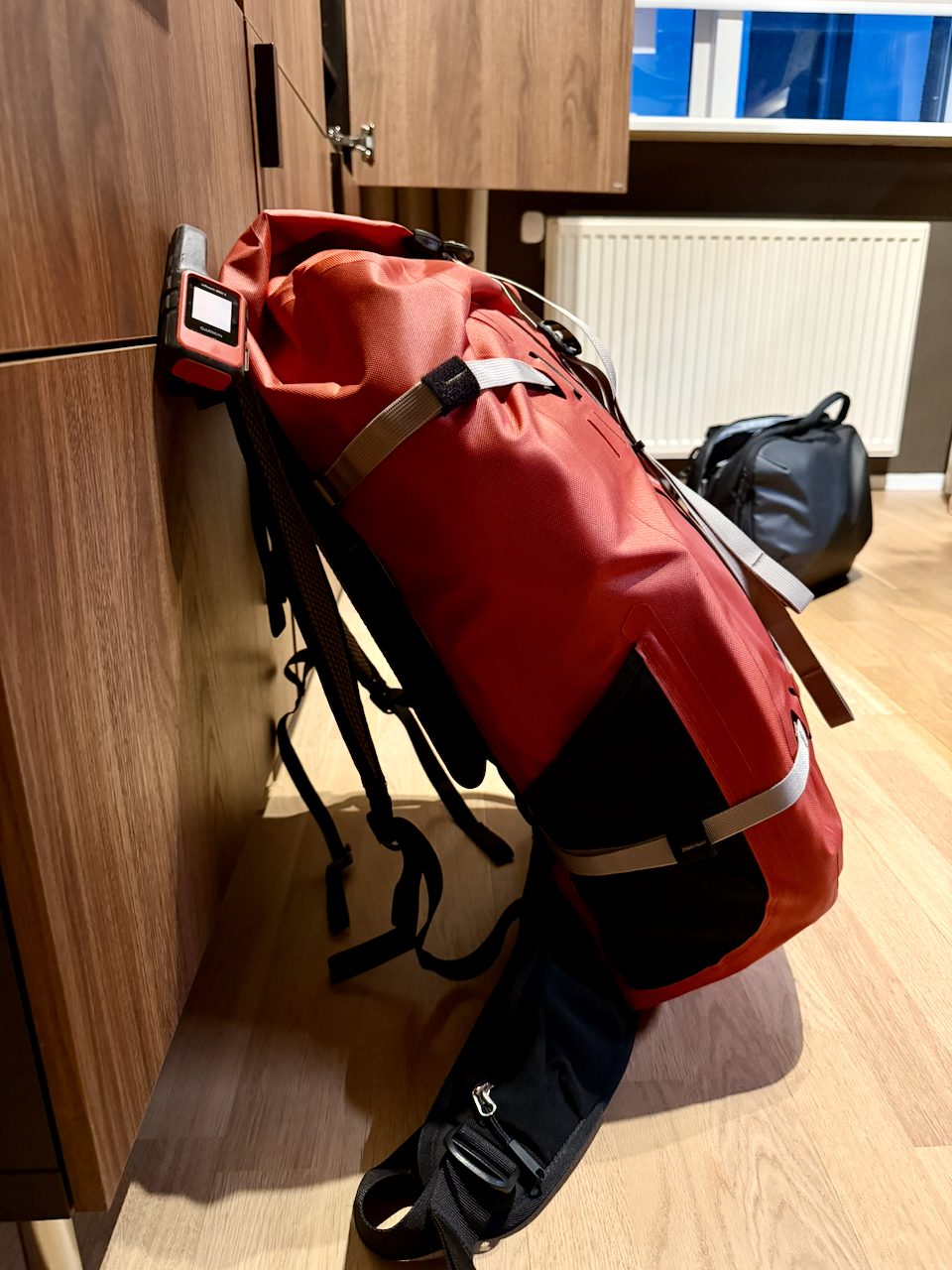
For this expedition, I decided to use the Ortlieb Atrack 45 liter backpack because it is 100% waterproof. It can even be submersed in water without issues. I find this particularly valuable to have on really wavy & wet zodiac rides where my usual camera backpack wouldn’t handle large splashes of salt seawater.
The Tedious Journey From 64 Degrees North To 64 Degrees South
In case you didn’t know, I live in Reykjavík (Iceland) and that is located at 64 degrees North. During this Antarctica Photo Expedition I quite literally traveled from 64 degrees North to 64 degrees South and that’s quite the journey. Granted it is nothing compared to the Antarctic explorers but by modern standards, it is still a lengthy journey. I flew from Iceland to London, boarded a flight to Santiago in Chile (14 hours!) and then onto a flight to Punta Arenas in Southern Chile. And while that journey already took almost 5 days, I still wasn’t there because in Punta Arenas we had to patiently await our charter flight to King George Island in the South Shetland Islands.
In Punta Arenas, we finally met up with all of the excited workshop participants. Some familiar (and even very familiar) faces and also some brand-new ones but all of them were just as excited and eager to leave. The atmosphere was completely different from last time (when we had to delay our departure by a day) as the plan to leave the next day seemed pretty solid, give or take a few hours. Because we left in the early afternoon, we also got some time for two introductory photography lectures by Rhiannon and myself (mine was about the usage of custom modes on your camera and photographing from a ship/zodiac). That way everyone was good to go by the time we arrived in Antarctica.
After a quick lunch, we set off for the Punta Arenas airport where we boarded a final flight to our destination: Antarctica.

The flight from Santiago in Chile to Punta Arenas is incredibly scenic if you are lucky with the cloud cover. This is just one of many phone snaps I took during this flight, through a dirty airplane window, looking down upon the incredible Patagonian landscape.
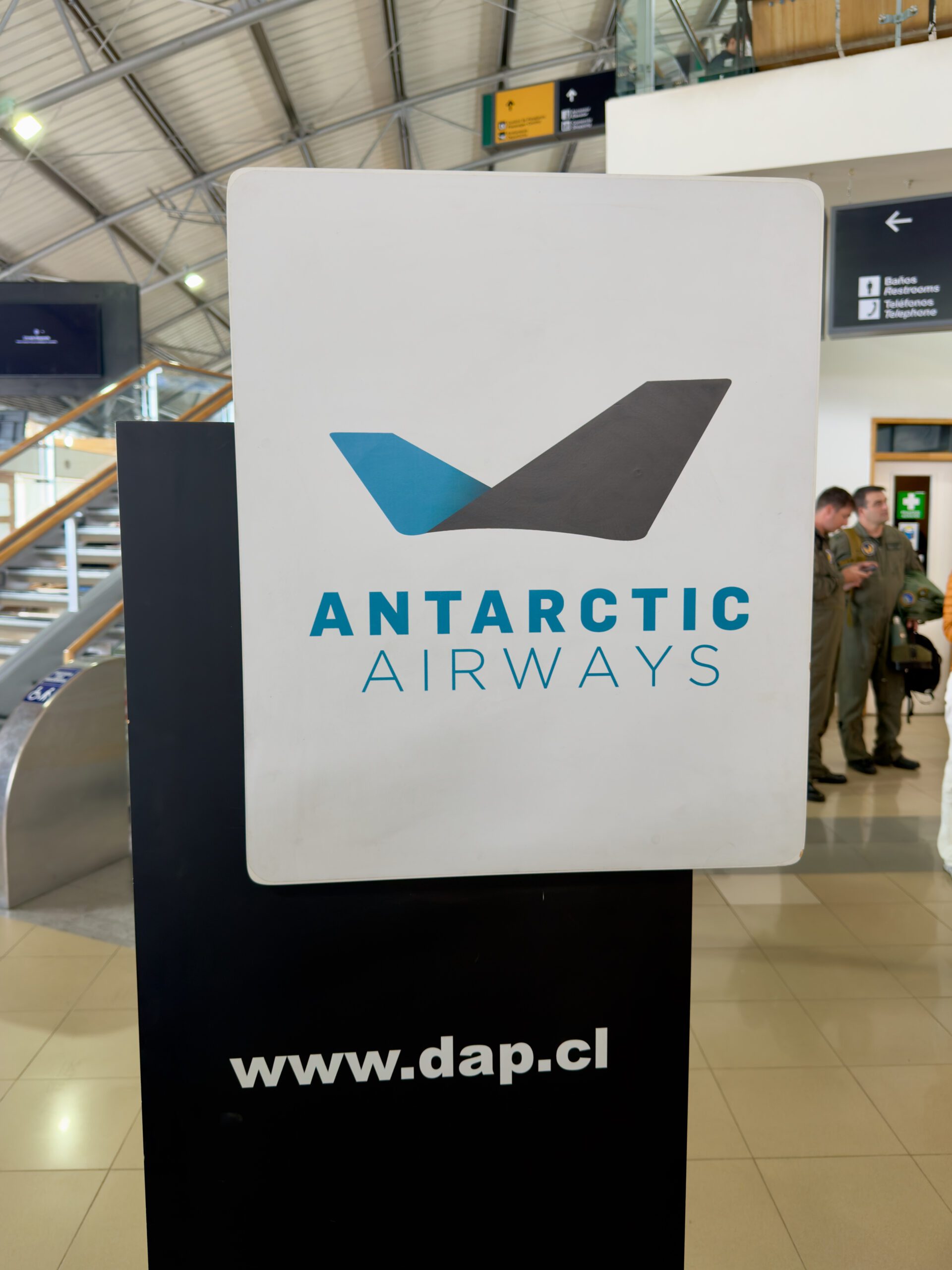
Punta Arenas is the only airport where you can actually board a flight using Antarctic Airways (DAP). They fly from Punta Arenas to an airstrip on a Chilean/Russian army base in King George Island.
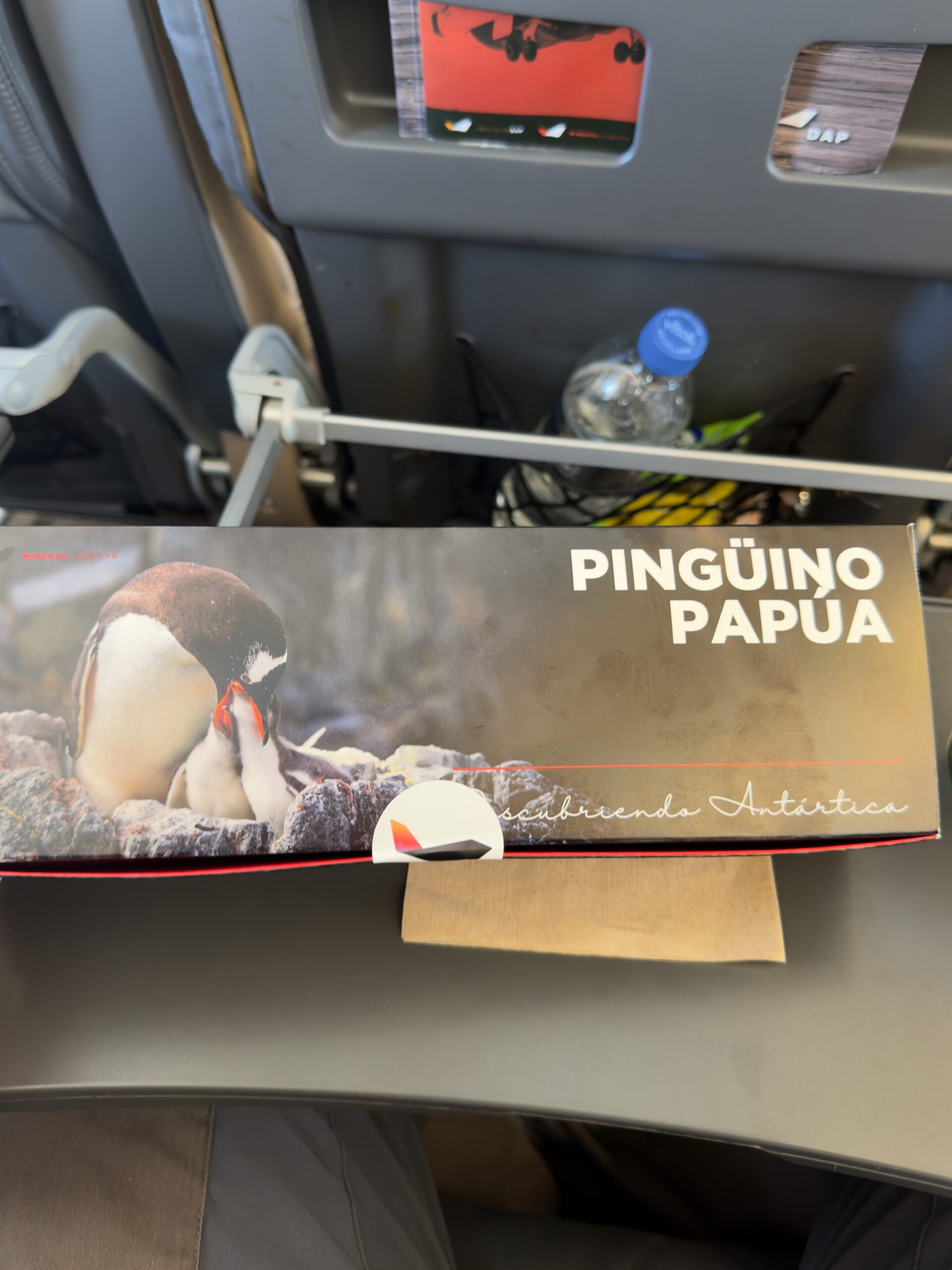
Once you board the special airplane, it’s about a 2 hour flight to King George Island. Just about time enough to enjoy a nice penguin-themed meal!
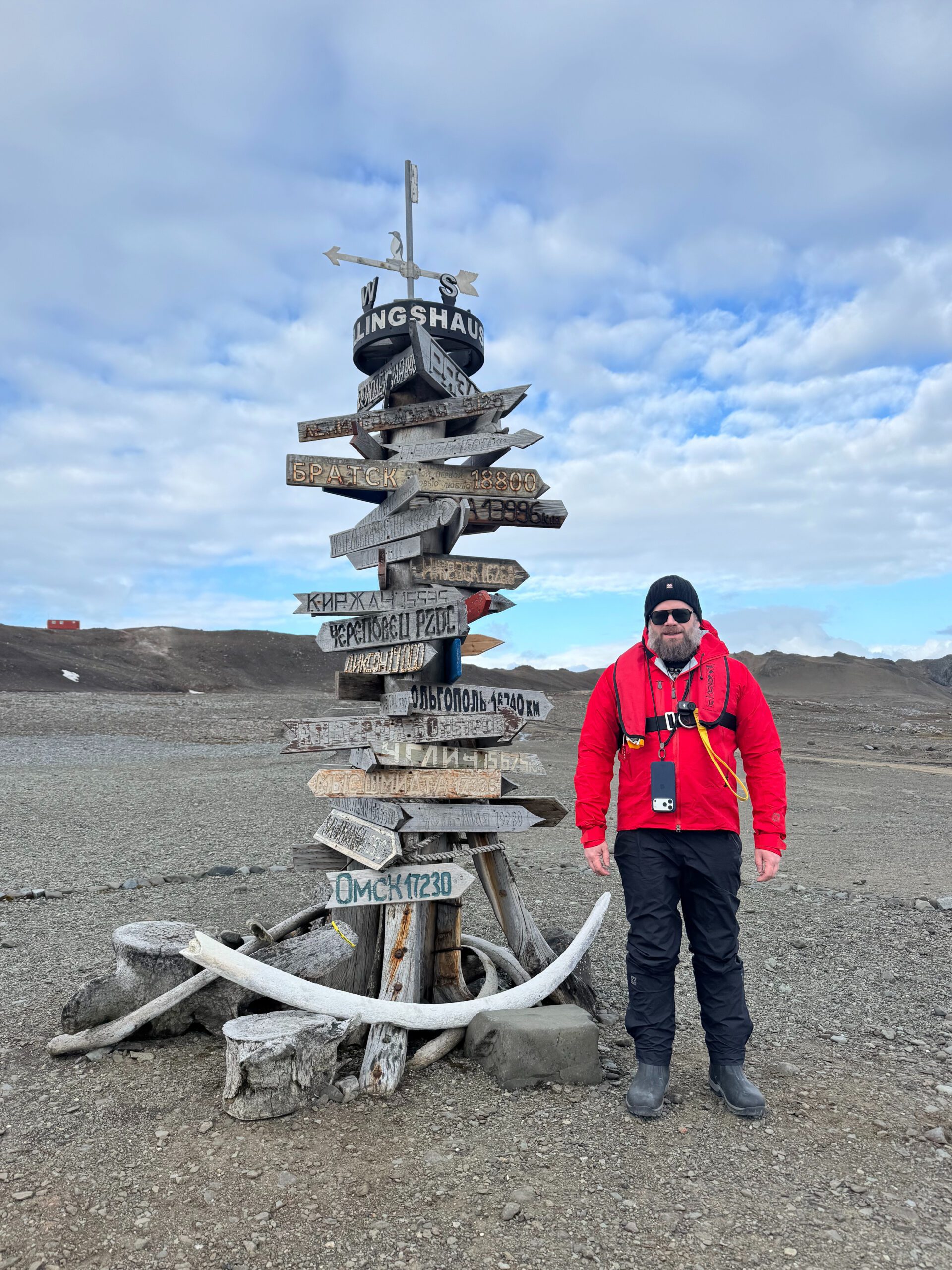
After almost a week-long journey, we finally arrived in the South Shetland Islands. I managed to quickly make a run for this iconic signpost at the Bellingshausen army base for an obligatory tourist photo.
What The Photo Workshop Participants Get Out Of The Expedition
As we arrived in Antarctica and began boarding our expedition ship, the Greg Mortimer, the photo expedition properly kicked off. But what makes it a photo expedition? What do the participants of the photo workshop/expedition get out of it?
The entire journey was photography-focused. From sunrise until sunset, there was (almost) always something to shoot and we, the photo leads, were there to help every participant. Whether it was by pointing out compositions in the passing-by landscape, helping them with settings, pointing out wildlife (WHALE!) or actively talking them through our thought process, we helped them get the best results from the ship. And the same, of course, applied when we were cruising around ice-filled fjords on the zodiacs or walking around a penguin rookery.
During downtime, or when we were traveling in open water with little of note around us, we used the opportunity to organise photography-focused lectures. We also adapted to what stage we were in the expedition. For example, early on in the adventure, we organised a walk-in session to help with camera settings while later on in the workshop we organised group editing and image critique sessions. Everything was geared to get the most out of the group’s time in Antarctica. To keep things engaging, we also organised a daily photo competition to which every participant could contribute. It was not only good fun but amazing to see how many unique images came out of the expedition, despite everyone being in the same location all the time.
Finally, together with the (excellent) expedition team on Greg Mortimer, we worked together to get the best locations given the weather & marine conditions we encountered.

Of course, I wasn’t the only photo lead on this expedition. From left to right: Dani Connor, Roman Fox, Mads Peter Iversen, James Popsys, me, Rick Bebbington, Nigel Danson, Rhiannon Lawler & Rachel Bigsby. Thanks Art for capturing this group photo!
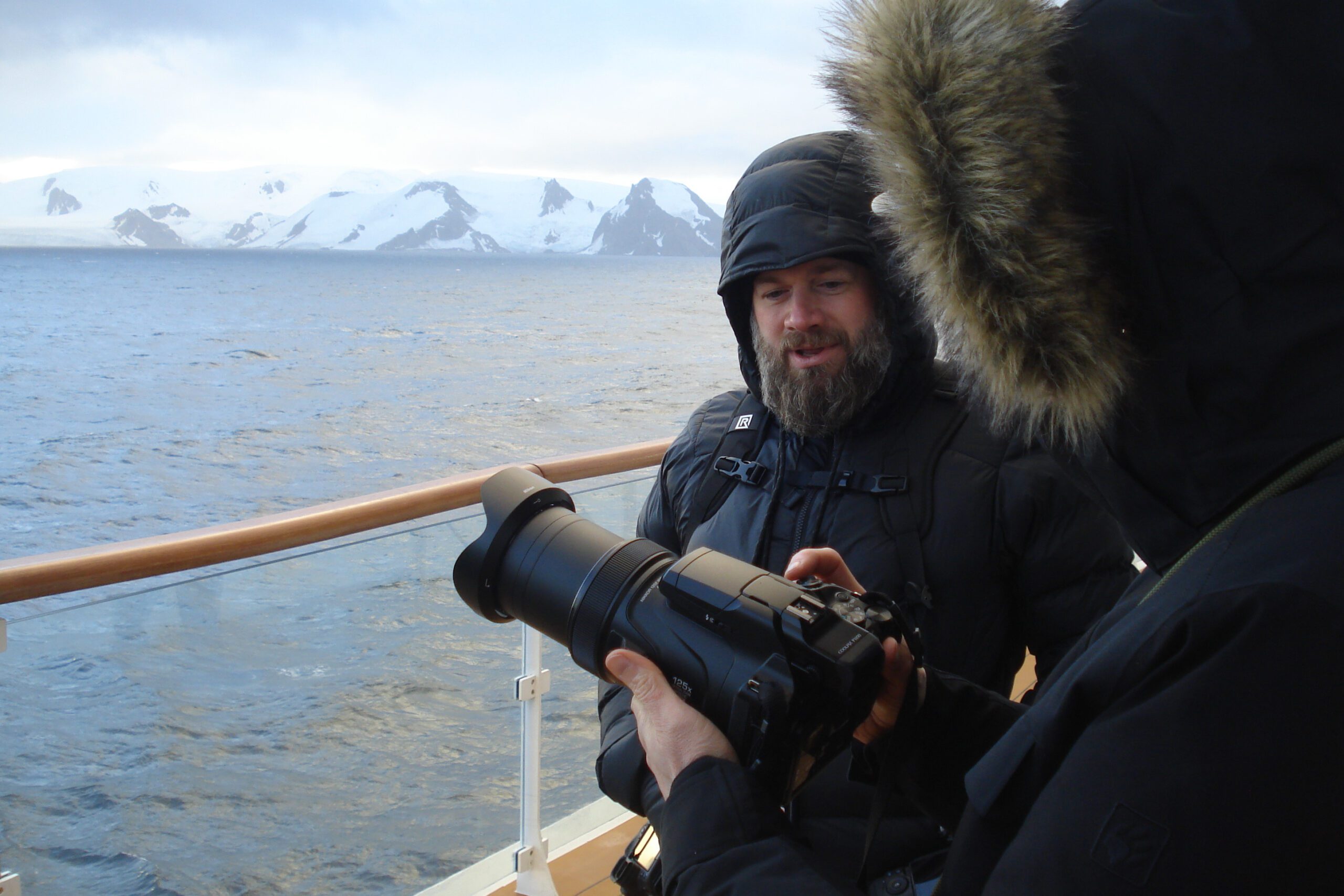
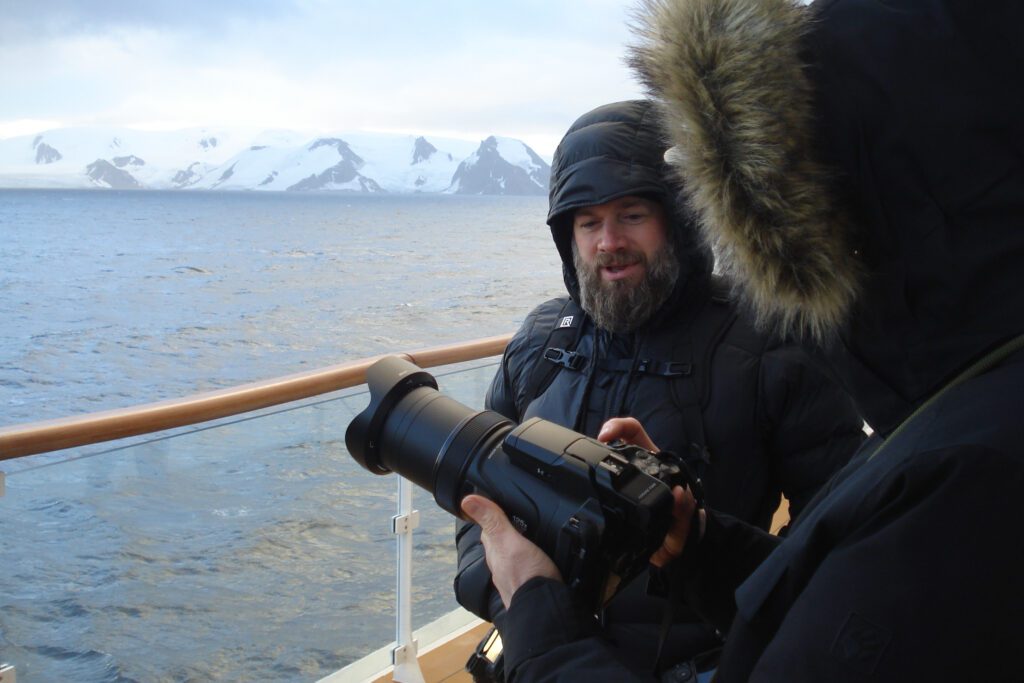
A lot of my time was spent outside on deck, helping people with their cameras and talking them through what I was looking & trying to photograph. Thanks to Justin Allard for capturing this candid moment.
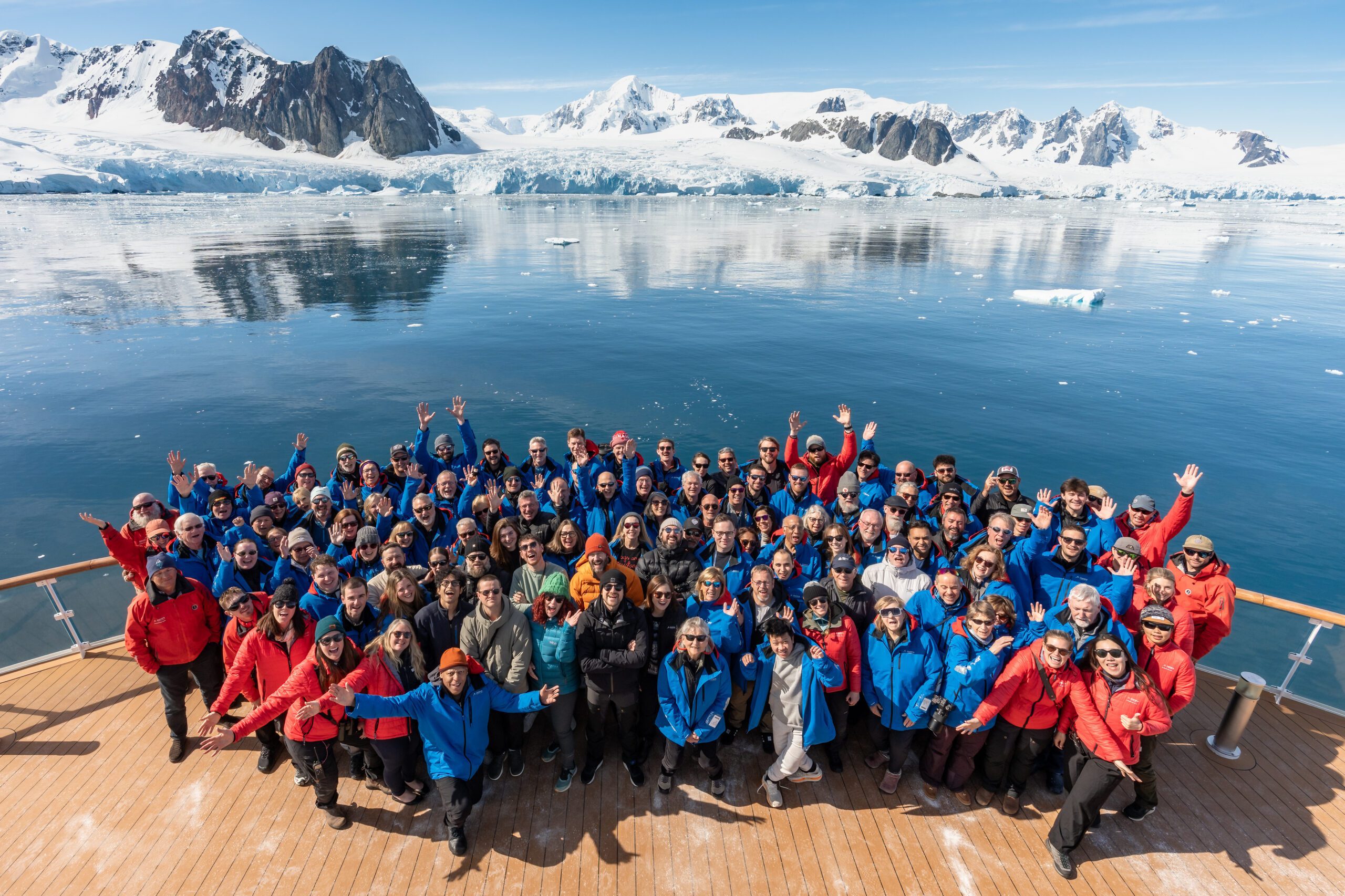
A group photo of all the participants, photo leads and the expedition team. Thanks Jarryd for capturing this!
My Photography Goals For This Second Antarctic Expedition
Let’s talk photography! Even though my first priority is to help our guests with their shots, I also get the opportunity to capture images. Because this was my second adventure, I decided to set some goals for myself. But before I decided on what those goals were, I looked back at my photographs of 2024 to try and learn something from them. It was really clear that I was all over the place. I felt overwhelmed and as a result I pointed my camera at literally everything. Everything was a shot, everything looked great.
But, clearly, that was exactly the point I needed to work on. So what were my photography goals for this time around?

Having been to Antarctica once before, I was hoping that my initial “wow” feeling would be somewhat less this time so I could focus more on getting great photographs that were taken with intention rather than being overwhelmed by everything I encountered.
Being More Intentional
Exactly because I felt I was really all over the place with my photography, I wanted to be more intentional. I wanted to think more with intention about how I composed and framed my subjects. If I had photographed a certain mountain on the last trip, I wanted to think more about how I could do something different with that, or fix the poor compositions I chose last time because I was overwhelmed. I also wanted to focus a bit more on wildlife within the massive landscape. Last time I focused too much on portraits and other tighter compositions when it came to wildlife so this time I wanted to fill that gap of “wildscapes” as Nigel calls them.
In the end, I still managed to end up with a whopping 45000+ images – despite working with more intention. But, of course, that is an easy number to get to when you use pre-capture shooting and use a camera with a much higher burst rate than last time. Of some fast-changing encounters, with for example swimming penguins, I ended up with a couple of hundred images out of which I maybe select 2 or 3. That’s technology for you I guess?!
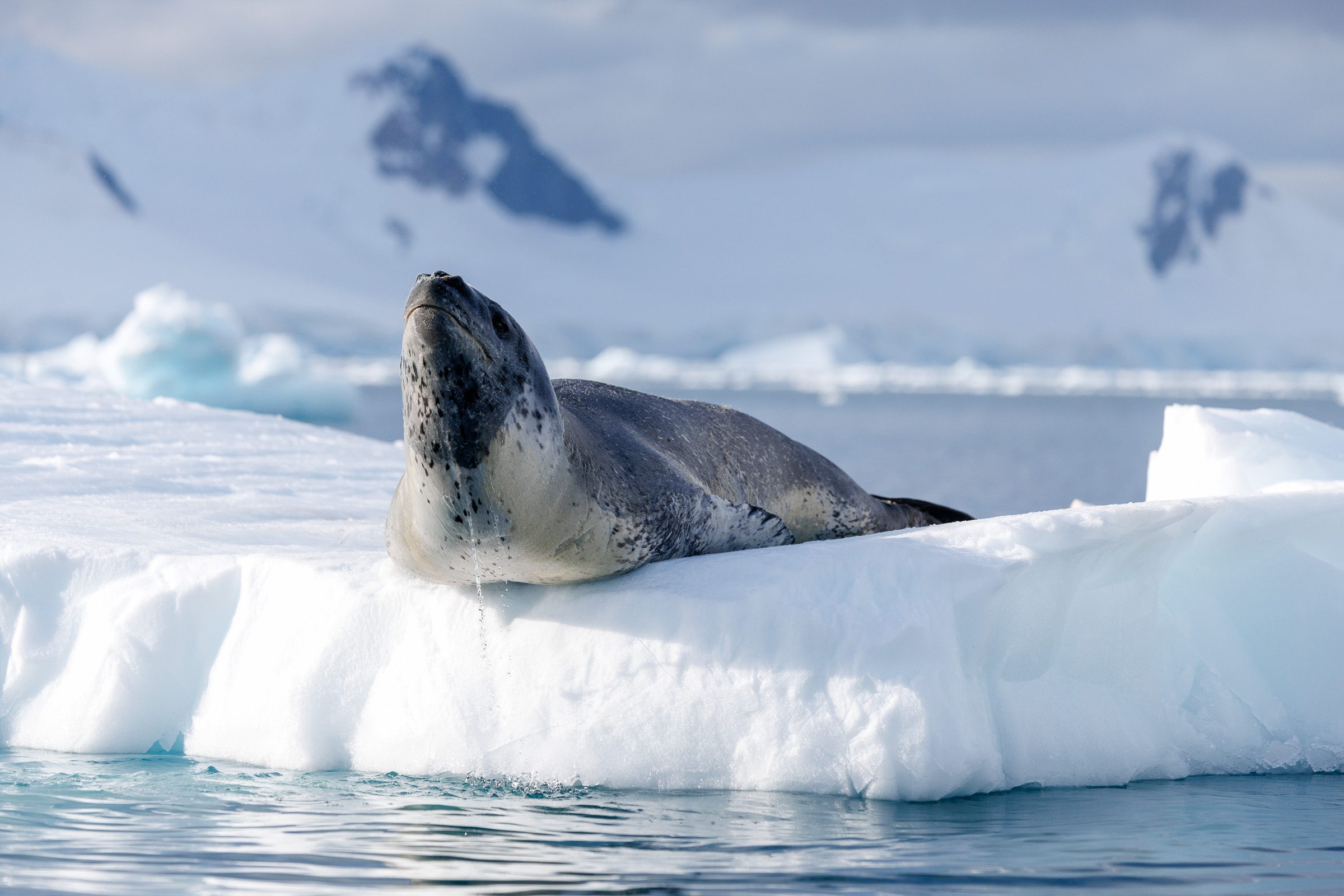
When photographing wildlife, it’s not unusual to end up with hundreds of images from one encounter. Especially when you have new technology at your disposal such as pre-capture and extremely high frame rates (30+ frames per second).
The Letterbox Conundrum
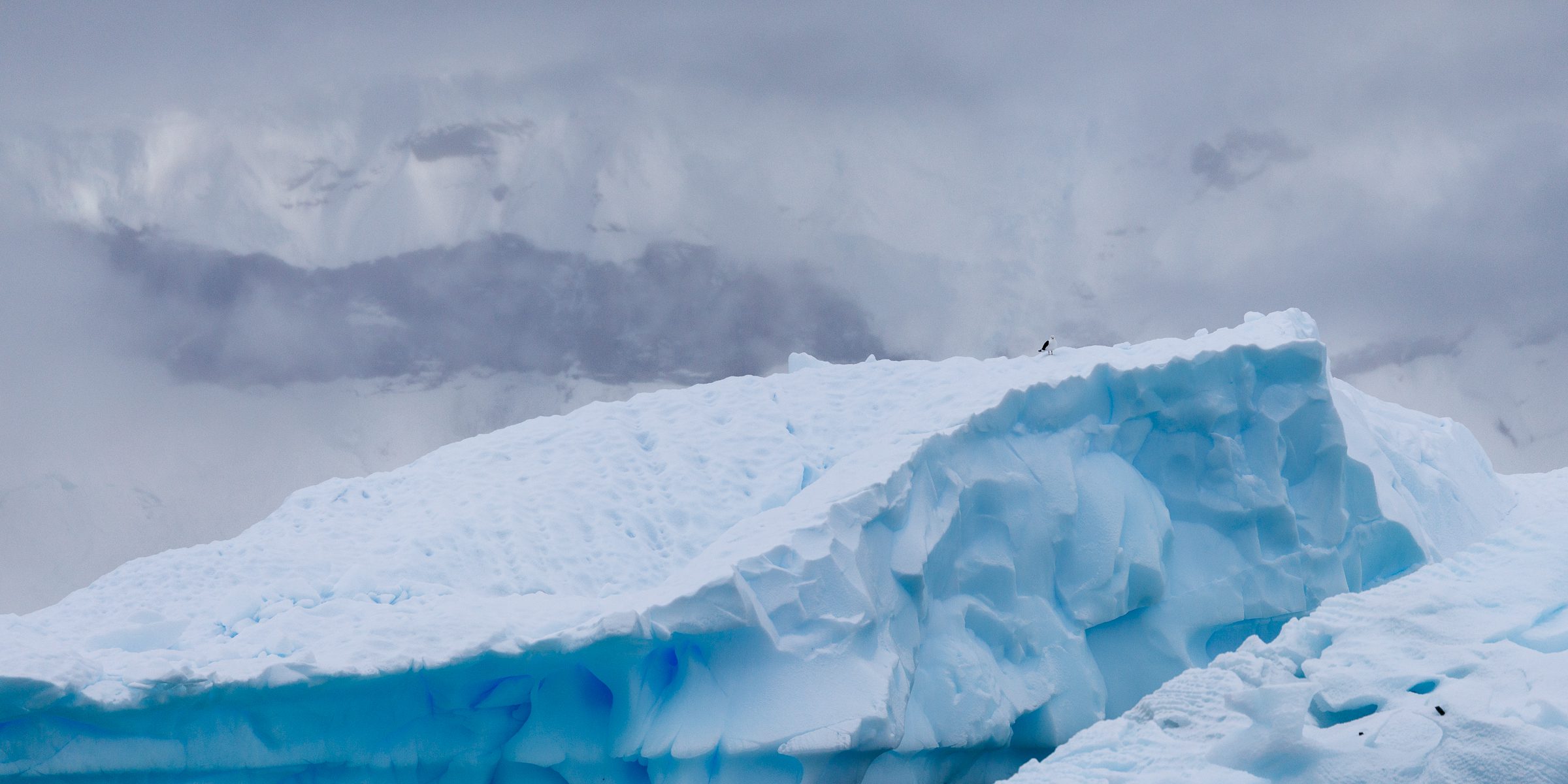
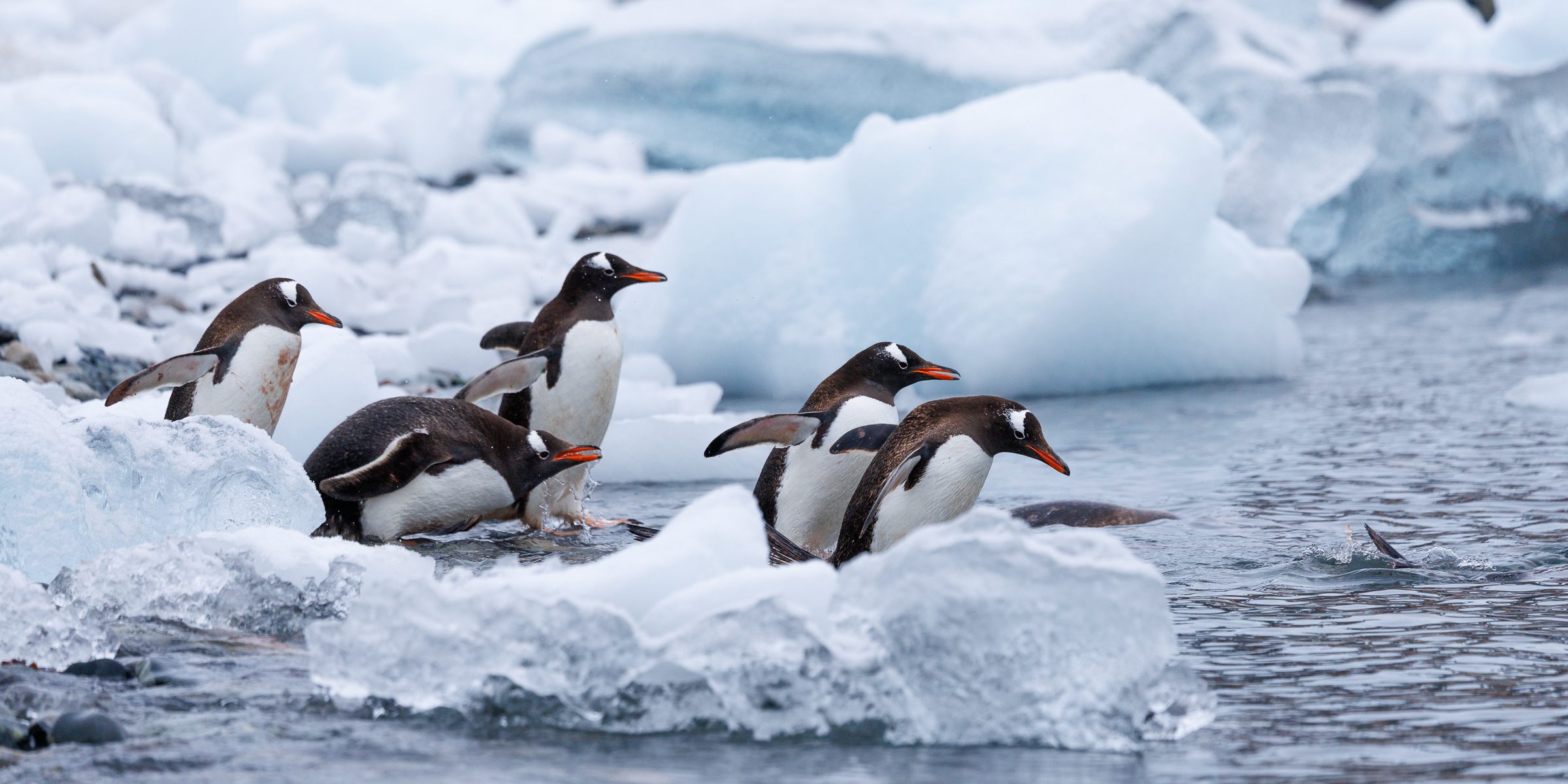
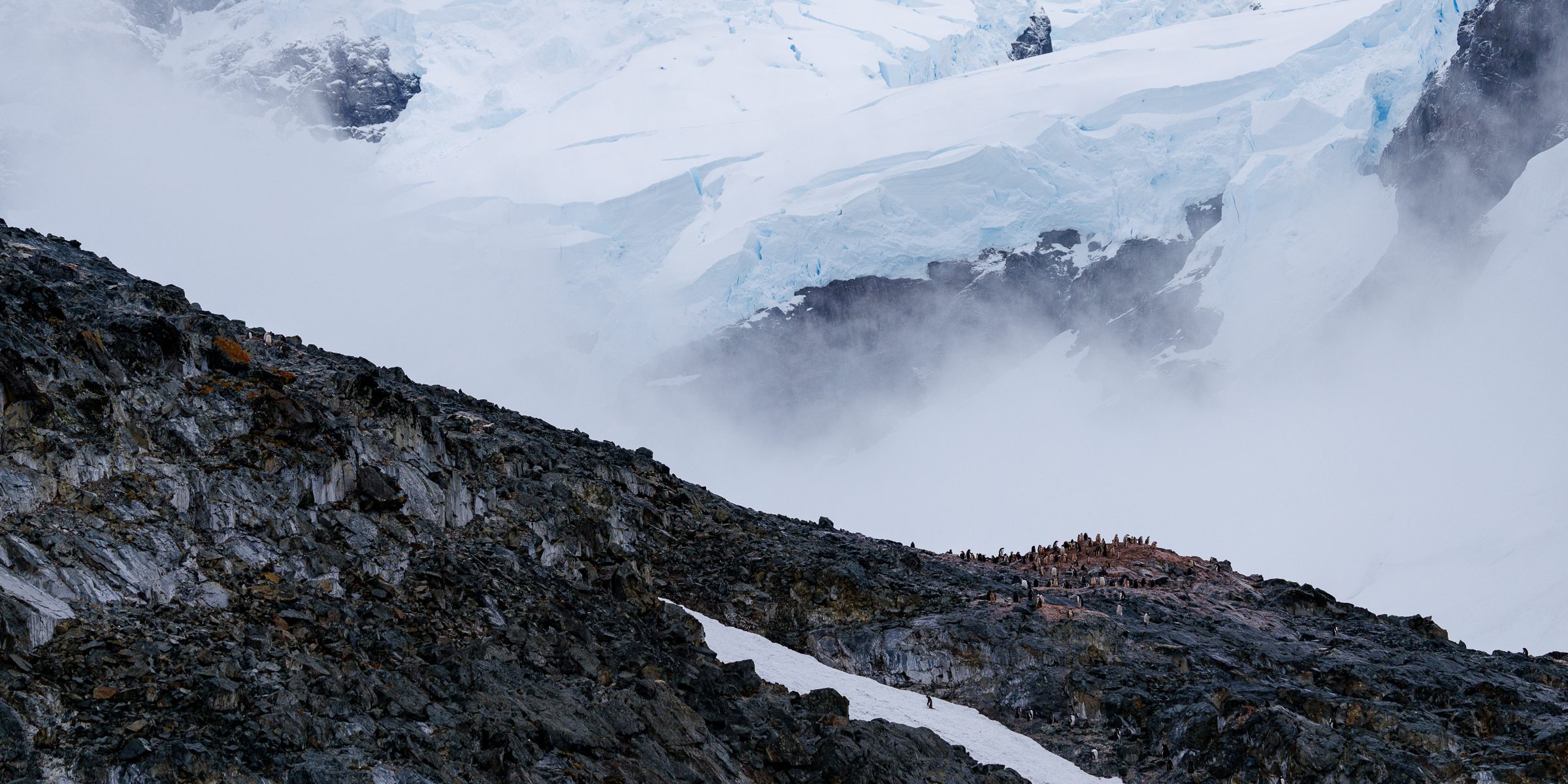
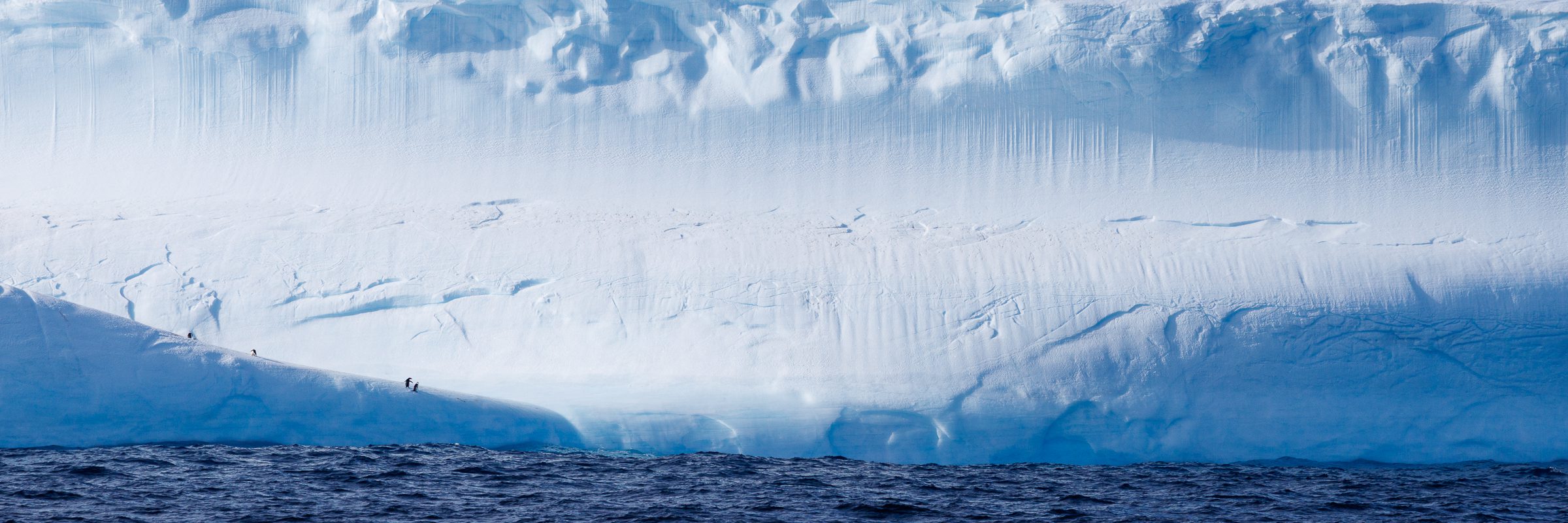
Inspired by Adam Gibbs‘ lecture during our last Antarctica Photo Expedition, I decided to also embrace the “letterbox crop” more. With a “letterbox crop” or “letterbox aspect ratio”, I am talking about an aspect ratio of 1:2, 1:3 or anything similar. I ended up using this aspect ratio a lot more this time around, primarily because I also began looking at the landscape with that final crop in mind. At the same time, during the one of the image critique sessions, we also encouraged people to use this type of crop more on their images which a lot of our guests took to heart.
It’s a peculiar thing, this “letterbox crop”, because as soon as you open yourself up to it, you start seeing it everywhere. So much of the Antarctic landscape works in a letterbox aspect ratio. It becomes so apparent that I almost had to restrain myself from using it too much in my final selection of images. Thanks Adam!
Below is a great example of a 3:2 image that actually flows much better when put in a letterbox crop (1:2).
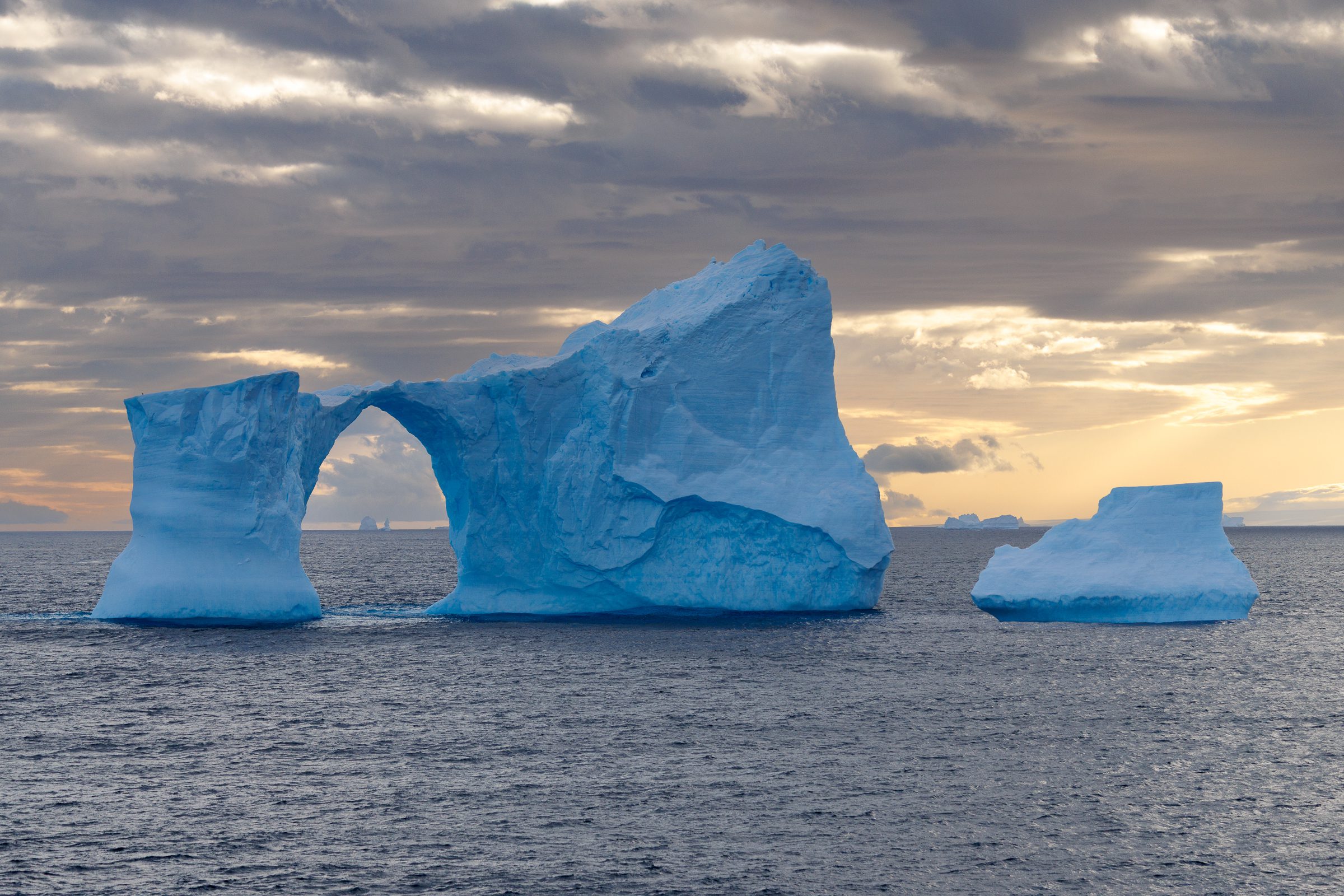
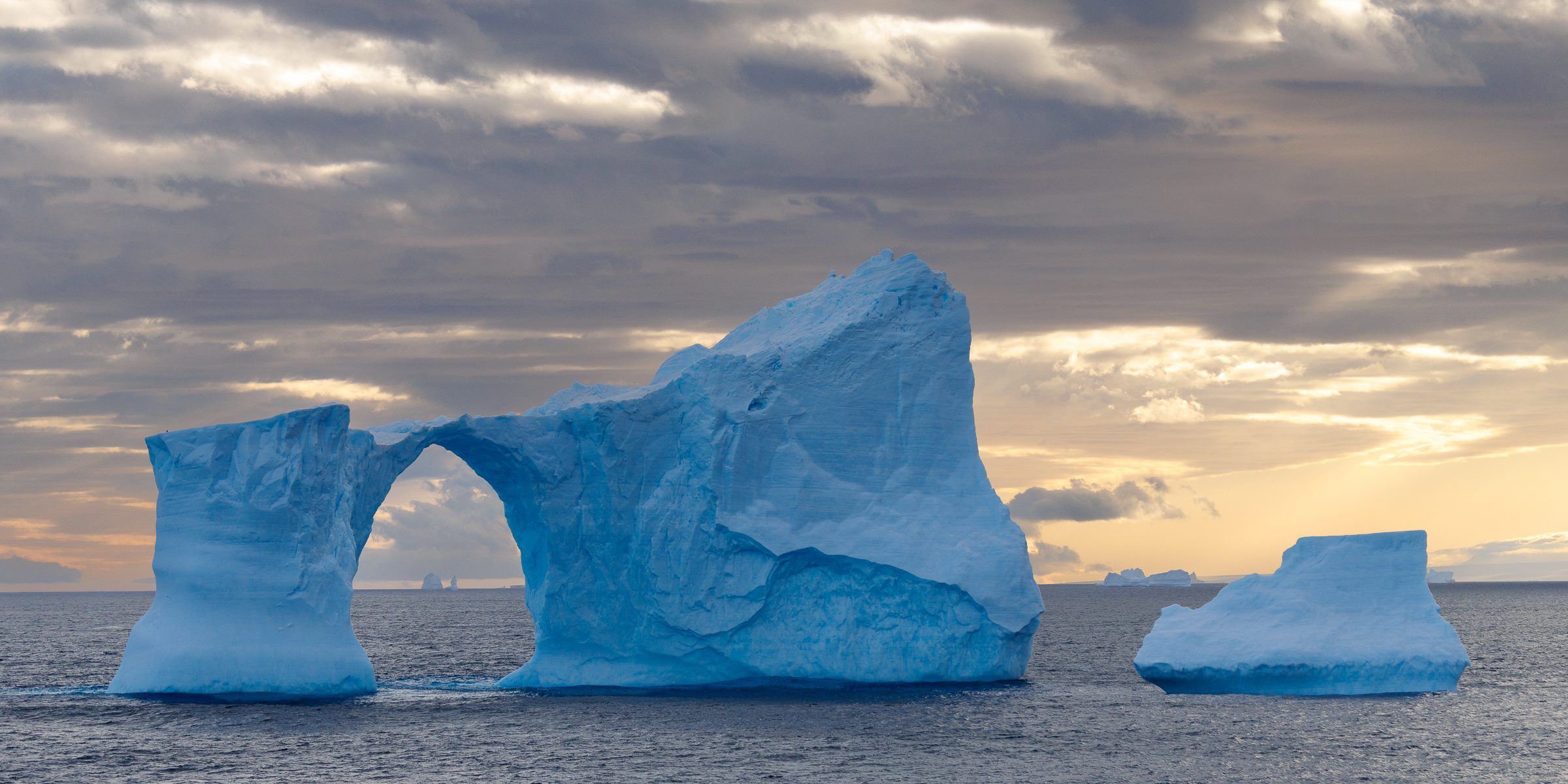
Cropping this image of an iceberg into a letterbox format removes a lot of the unnecessary water and really enhances this horizontally flowing image much more.
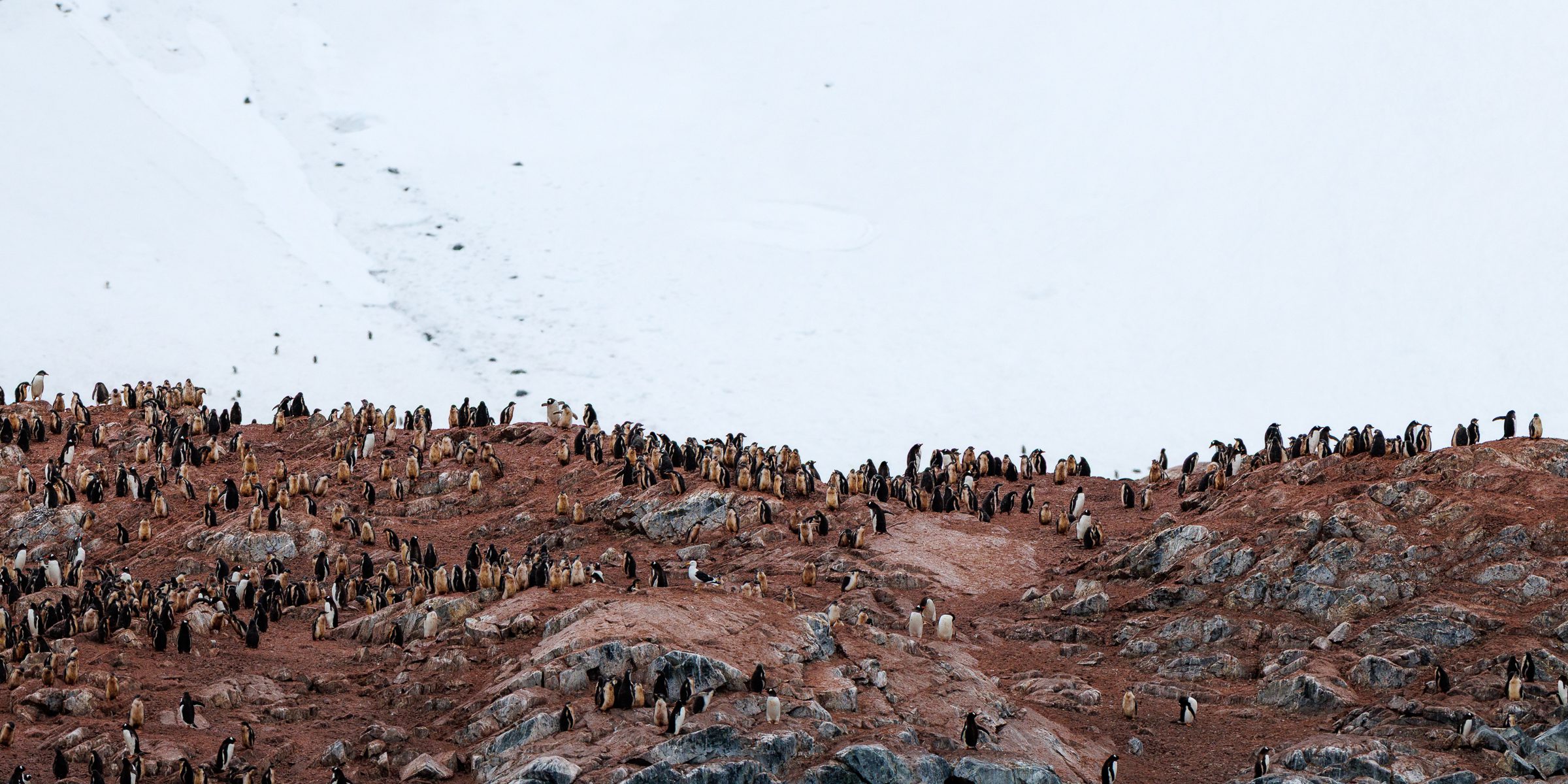
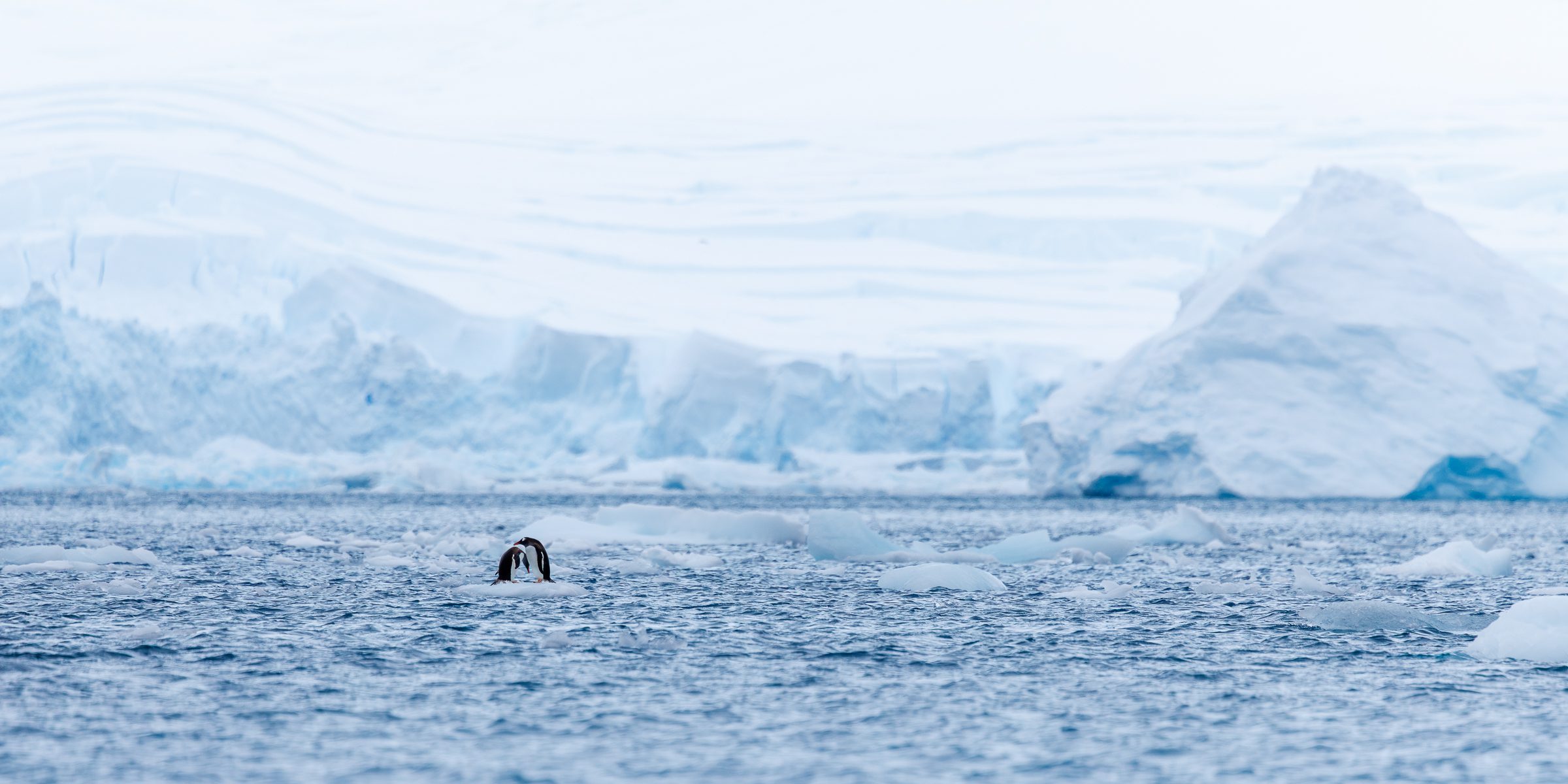
Below are a few more examples of images that worked much better in a letterbox crop aspect ratio to me but be warned, there are a lot of penguins in there!
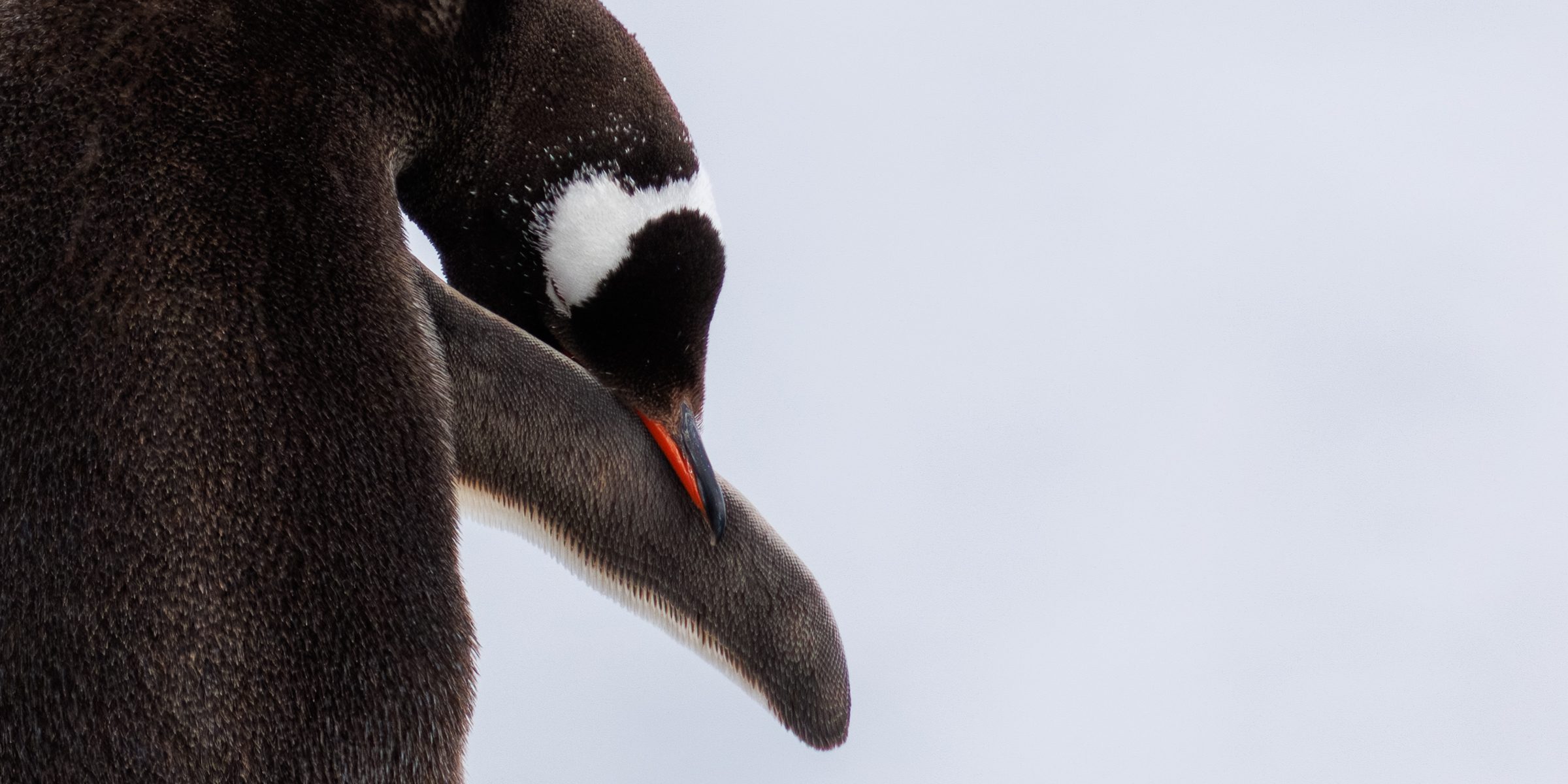
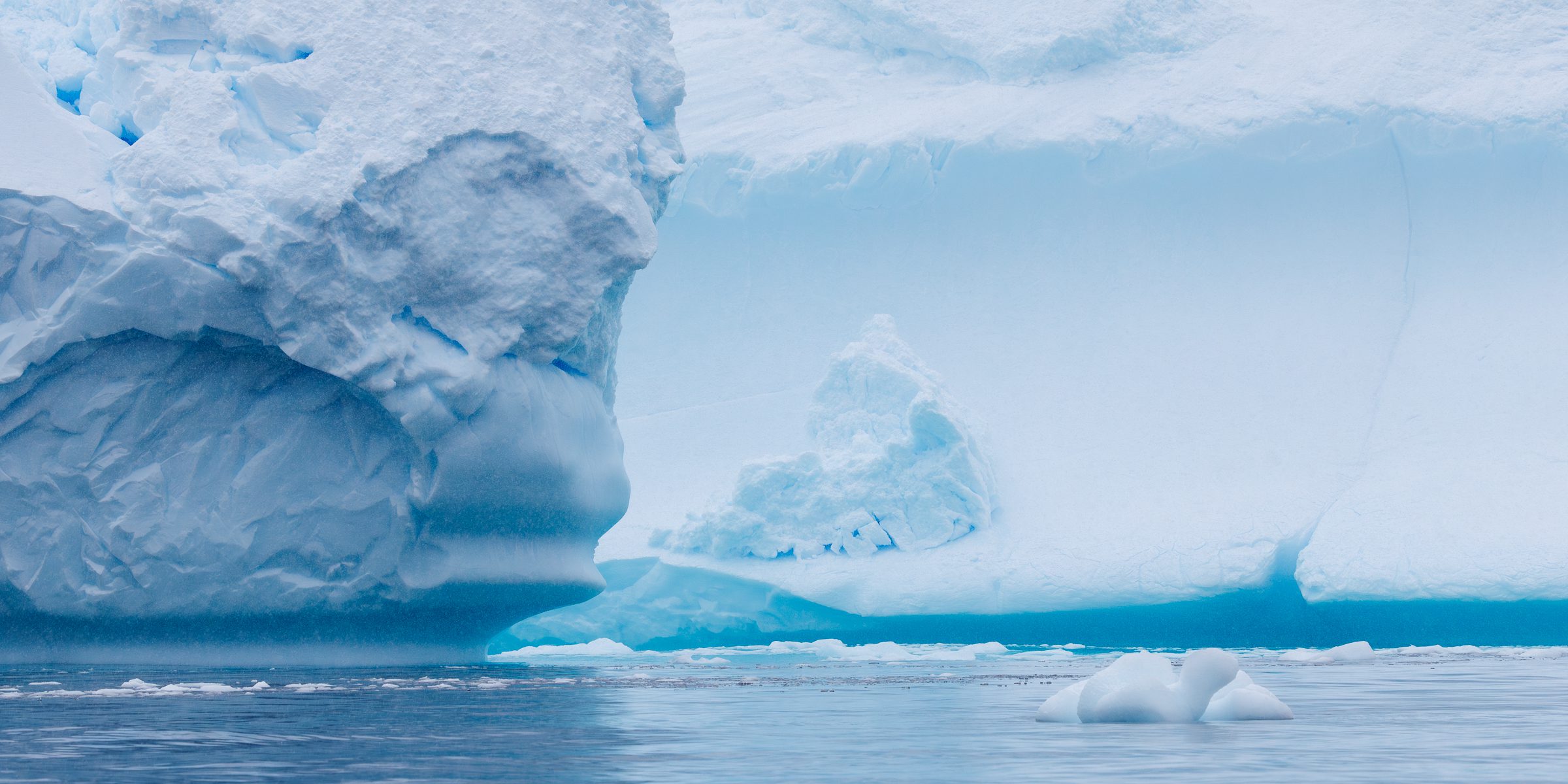
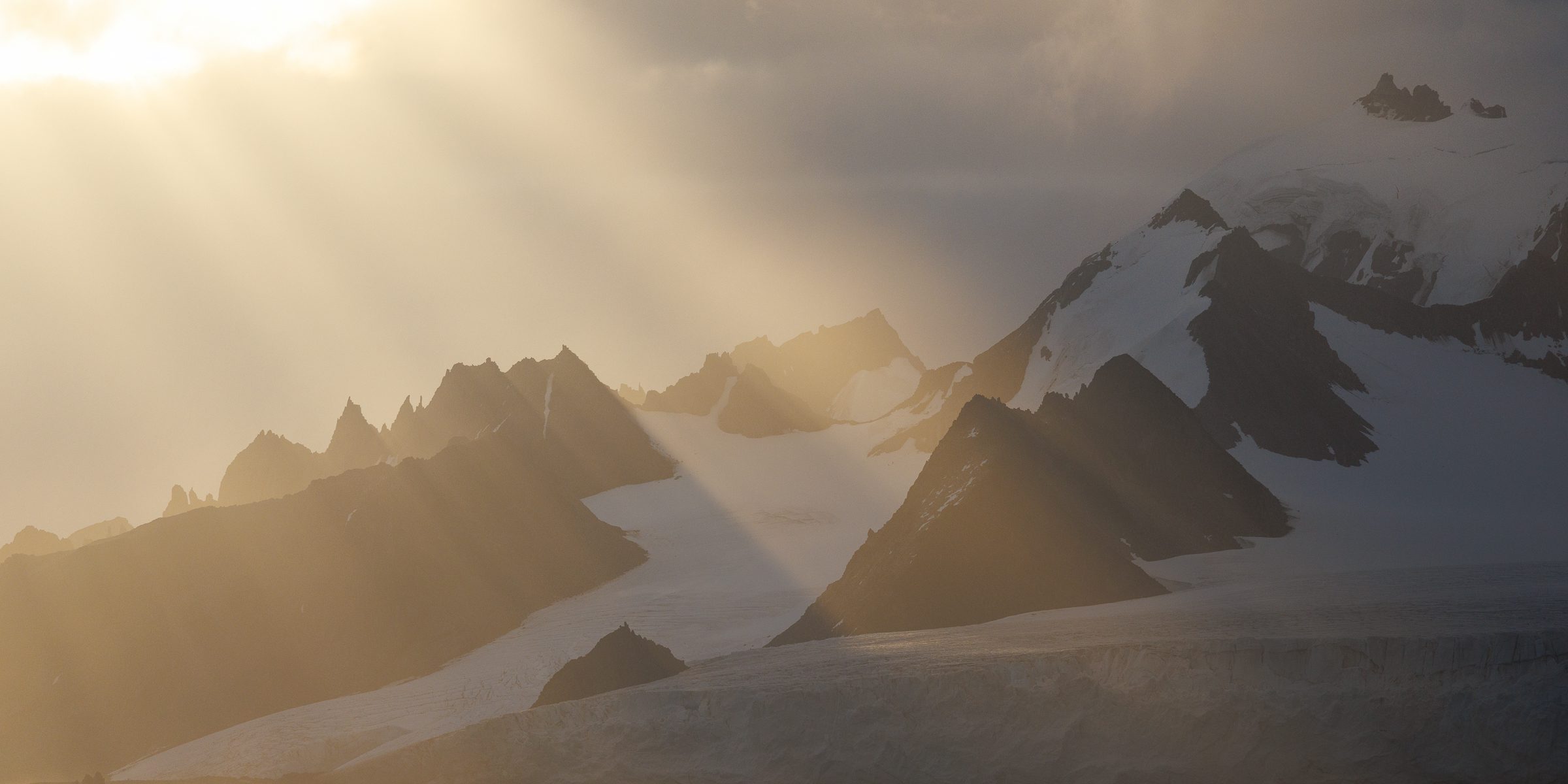
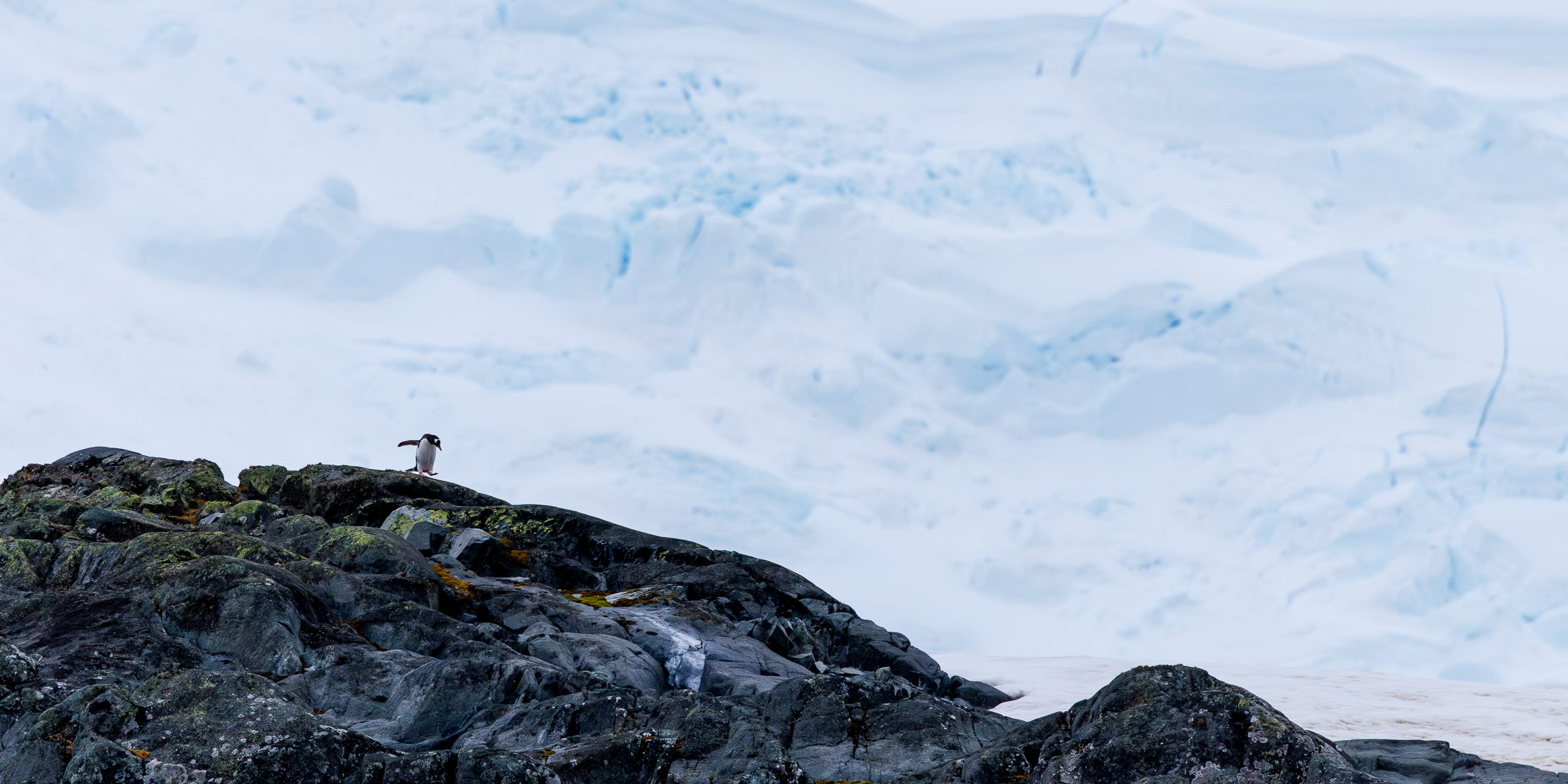
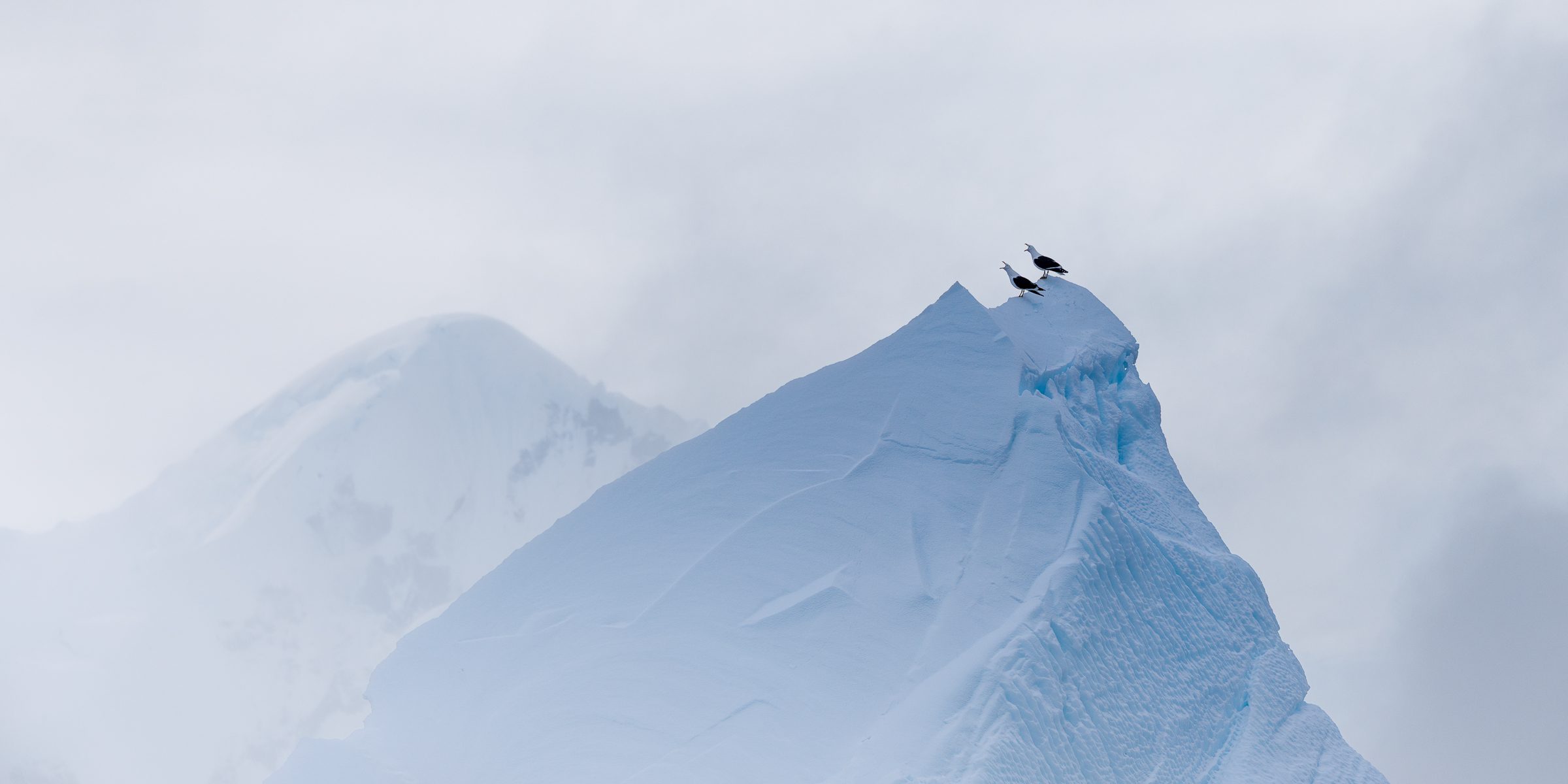
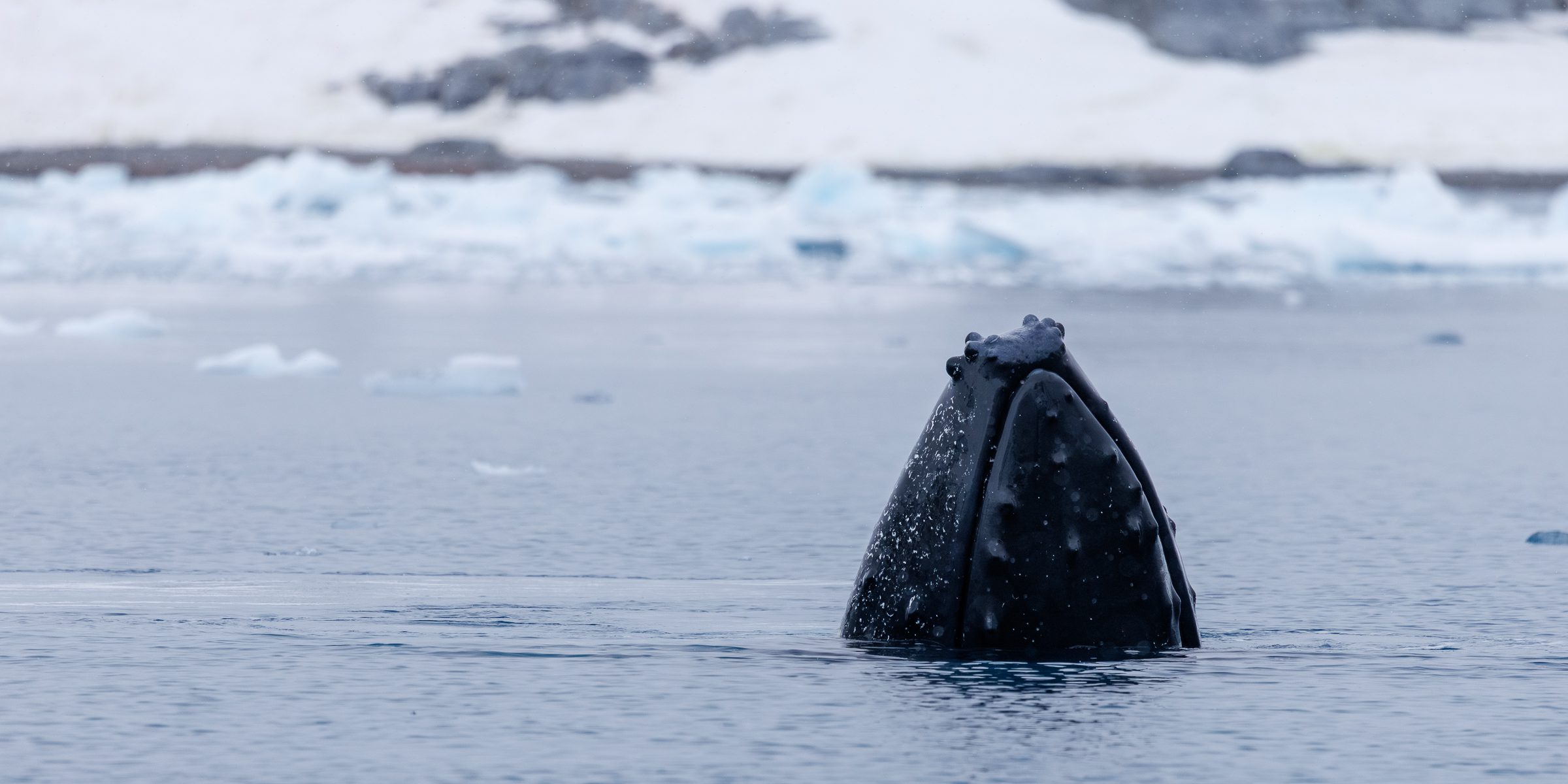
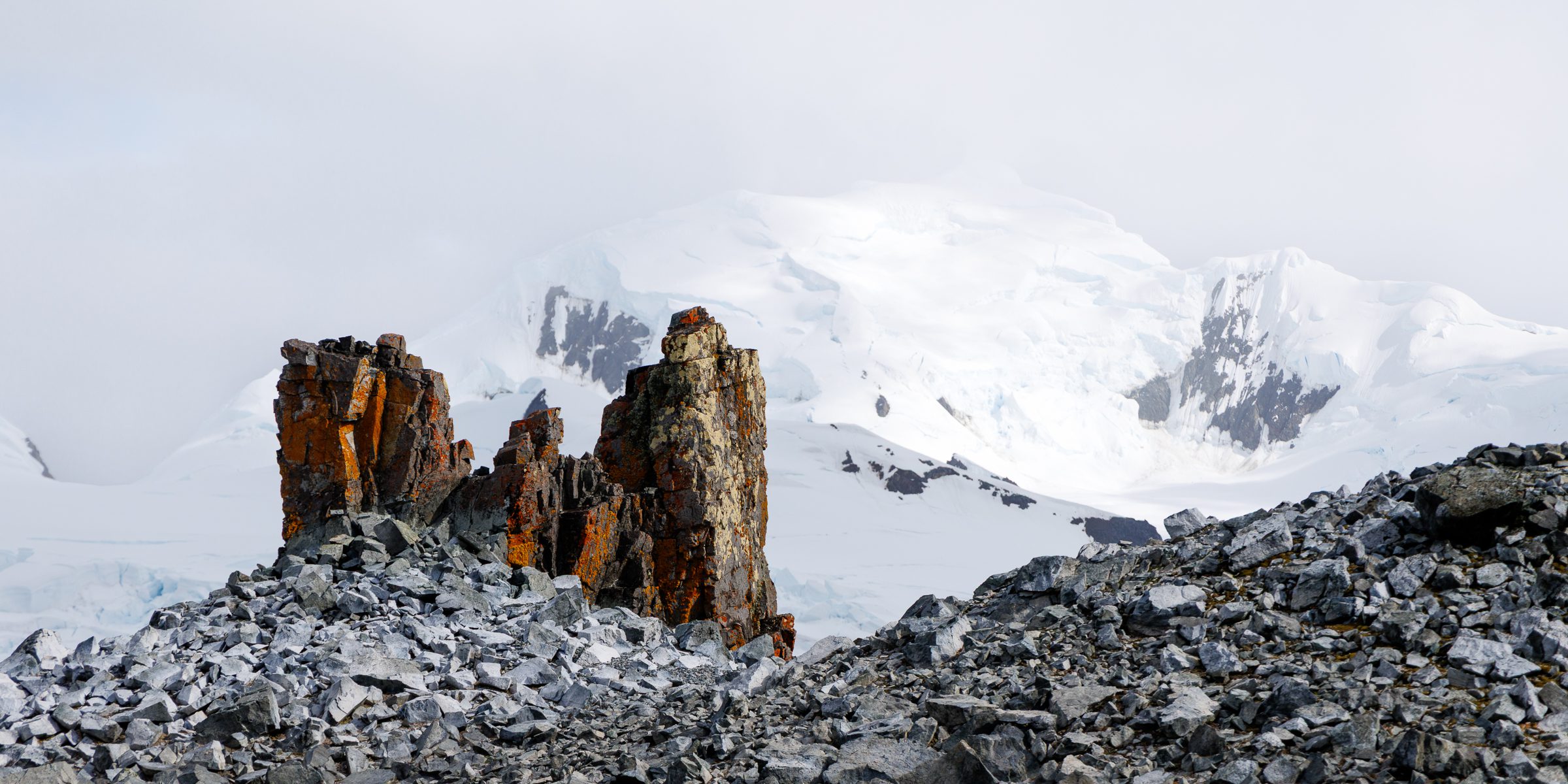
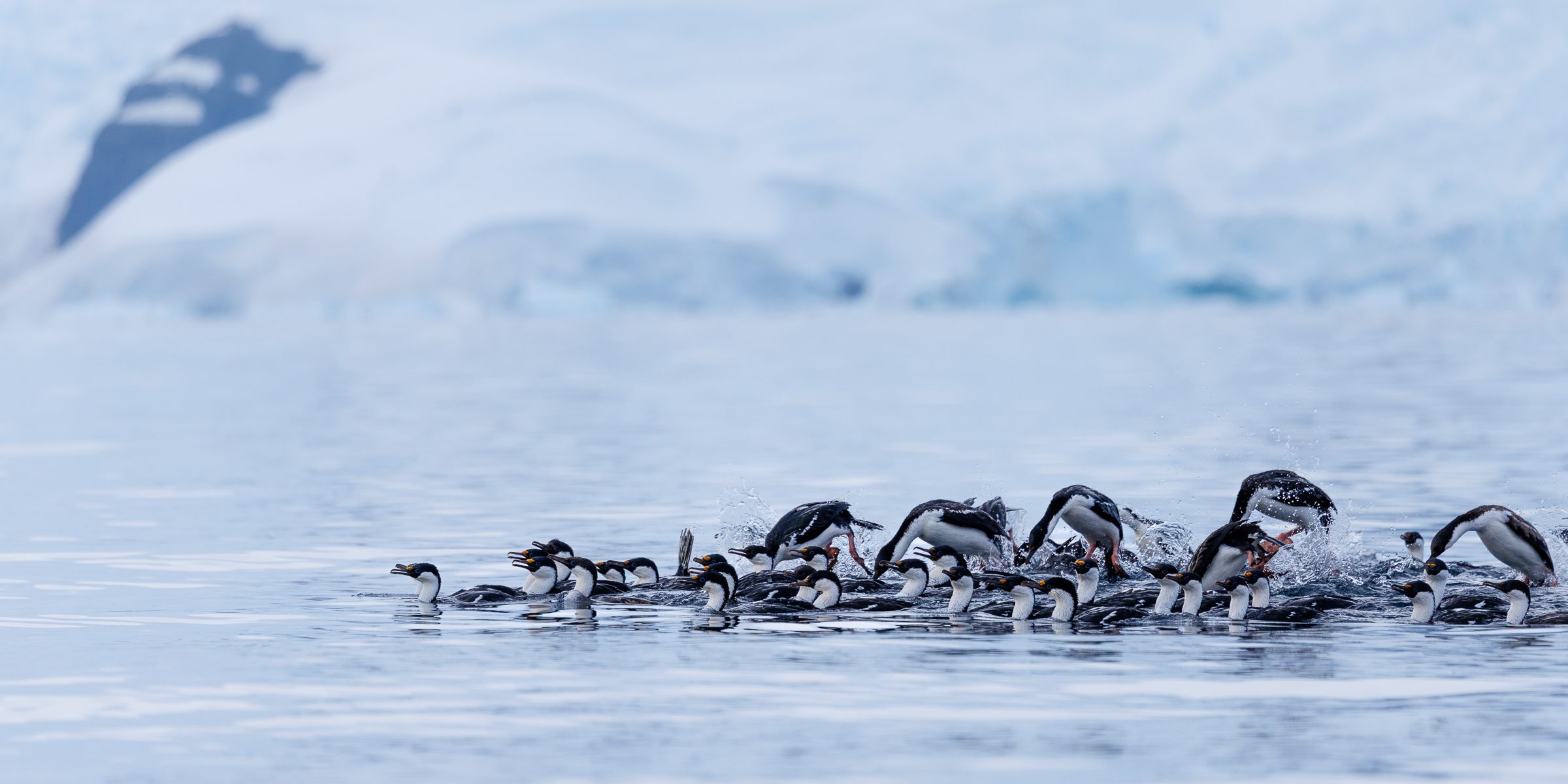
Did Anyone Say Video?
Finally, I also intended to do more video. One of the things I purchased before this trip was a cord to attach my phone to so I could keep it more within reach to make quick phone videos. That was definitely a good call and something I got a lot of use out of. However, I also decided to do more video with my camera (one of the reasons I got the monopod) but I didn’t really end up doing that. There’s just something about photography that really draws me in so much that I just keep shooting, keep looking for other angles and keep waiting for another special moment. Maybe next time?!
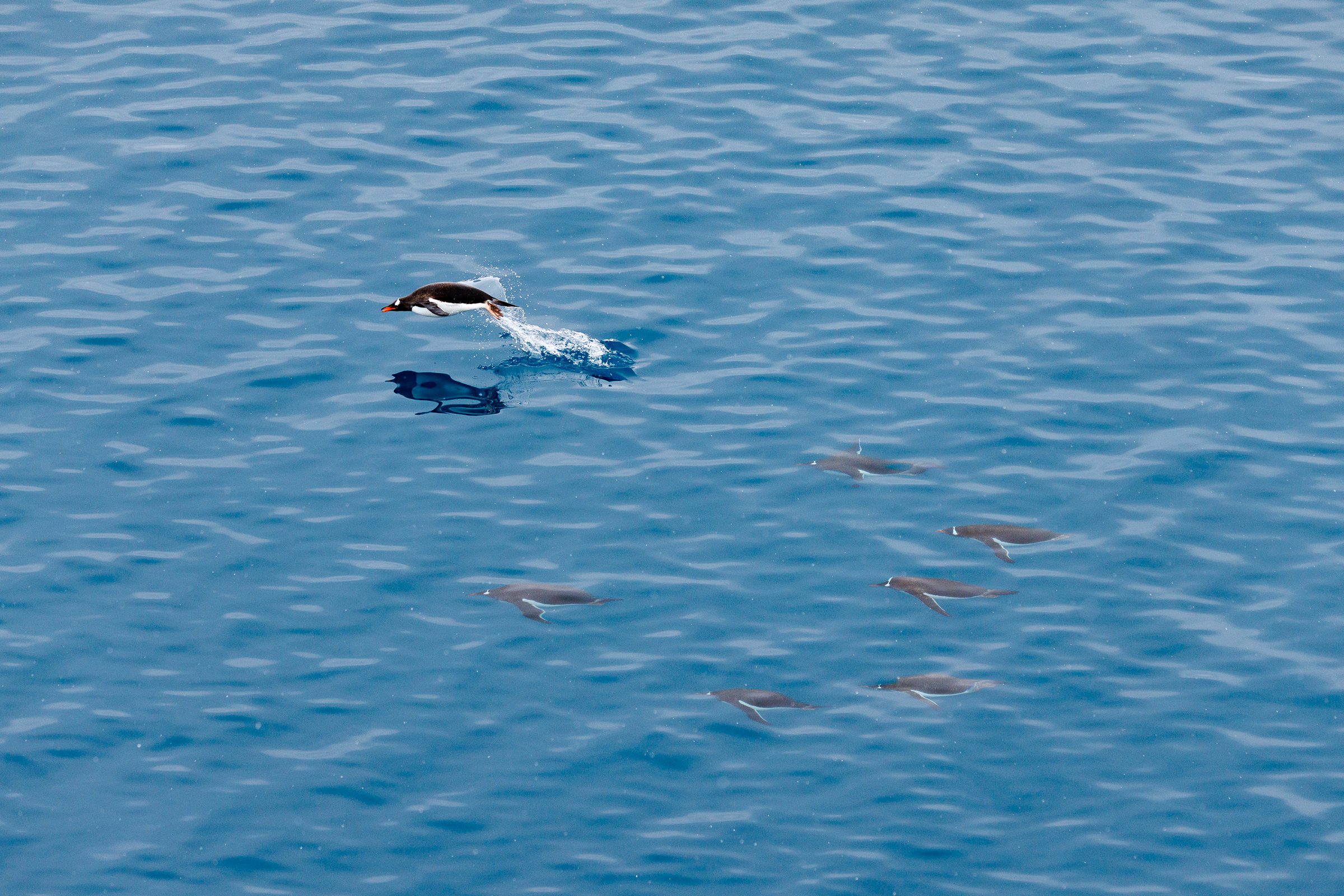
Even though I love video and I set out to do more video, there is something about the challenge of capturing images like this one for example. Photographing porpoising penguins is really, really hard and when I set myself a challenge, to get that perfect shot, I really lose myself in it. At that point, I just forget about the video-side of things.
Suffering From An Acute Case Of Antarctic FOMO
Even before we left Punta Arenas for Antarctica, we kept repeating the same thing to our guests: you are going to have to accept that you are doing to miss shots on a trip like this. And the reality is that when you have 100 photographers on a ship, you are going to see some images people take that you perhaps would’ve wanted but missed because you were simply not out on deck 24/7. And that’s fine! That’s the reality of being on an expedition where there is (almost) always something to photograph. As long as there is some daylight, you can essentially be out shooting.
And even though this is our number one advice to our guests, I still suffered from pretty extreme FOMO (Fear Of Missing Out) and I was definitely not alone. Whether it was breakfast time, lunch or you were having a 3-course dinner, the cameras were never far away and you would rush out quickly to the aft deck. People would be mid-dinner when suddenly one photographer gets up with a camera and down everyone fell like dominos. One by one everyone would get out with a camera to check out what they were missing out on. On a trip like this, that is completely normal!
This is primarily why I decided to carry a comfortable dual-camera harness this time around, so I always had both of my cameras and lenses handy. Another piece of advice I give all the participants is to keep charging your camera batteries. I basically made it into a routine to swap batteries and plug them into the dual battery charger I use as soon as I enter my cabin. You are simply shooting that often, with sometimes unexpected things happening (such as an orca emerging underneath your cabin balcony!).
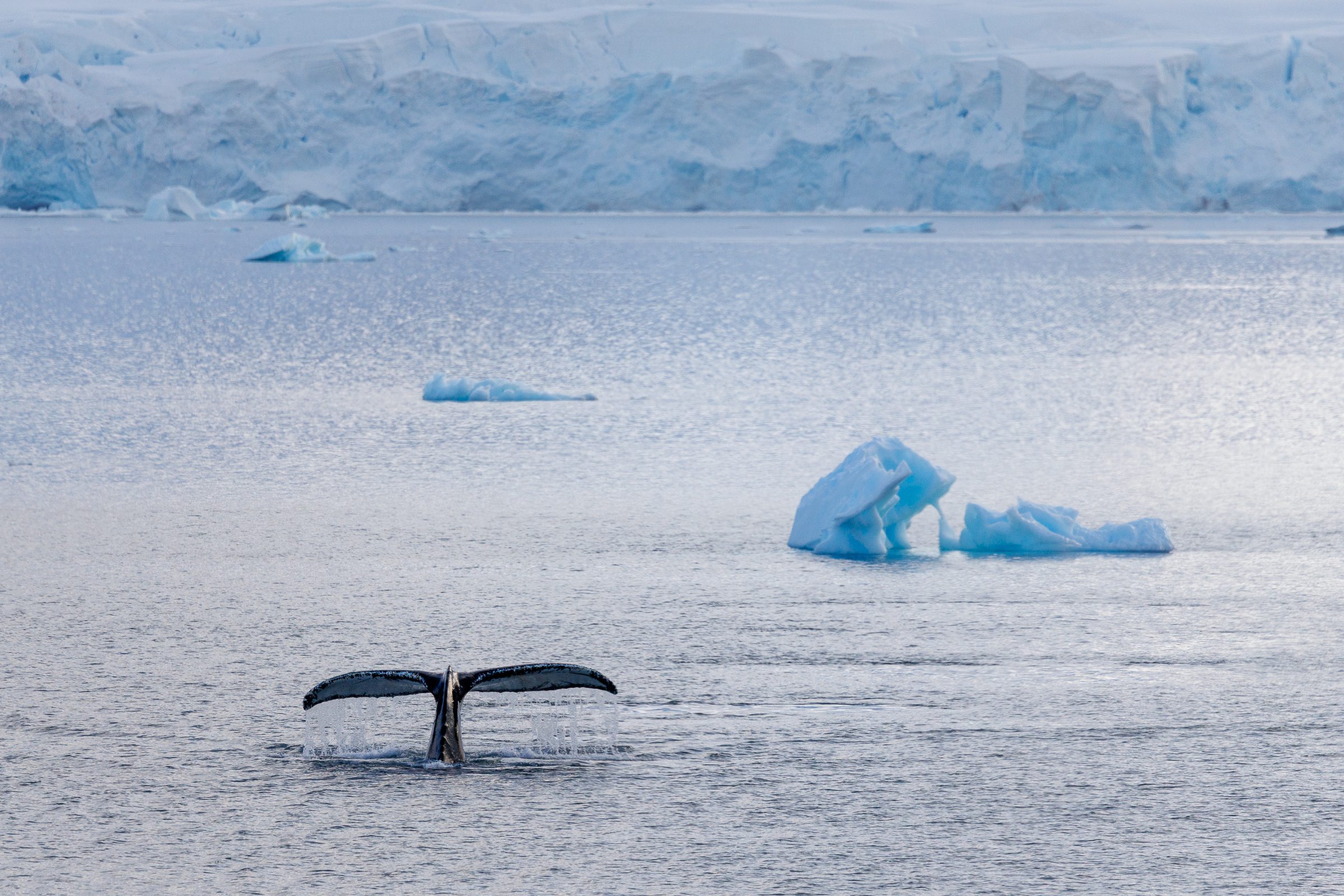
I captured this lovely whale fluke from the aft of the ship, just outside of the restaurant. I literally captured this while waiting for our main course to be served. If you keep your cameras close, you never (or almost never) have to miss out.
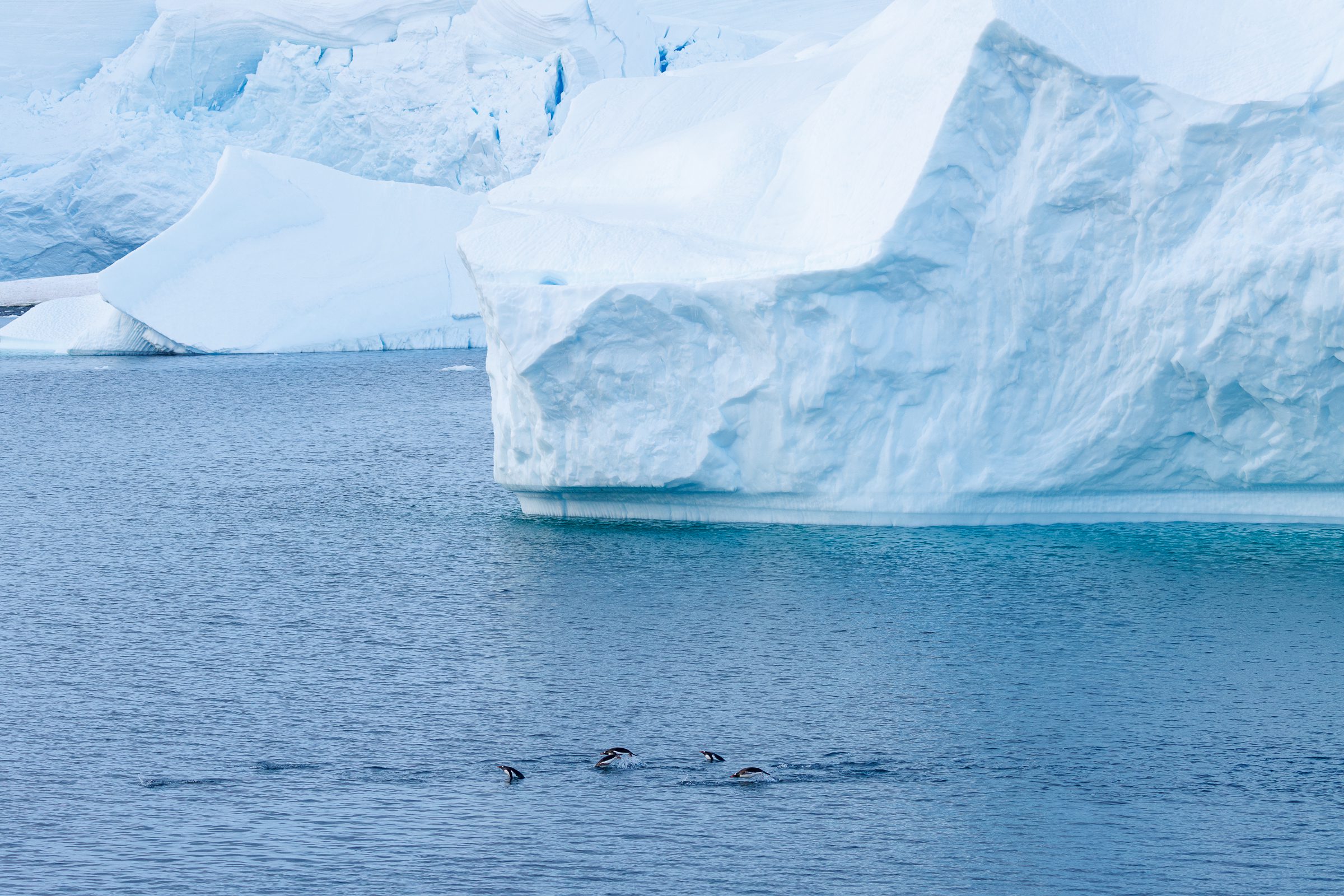
Moment’s later, while having that main course, I ran outside to capture a photo of these porpoising gentoo penguins passing by an iceberg. I never waste a moment on these trips!
Living Inside Of A BBC Documentary
I’ve spoken about so many aspects of this journey so far but what about the nature you ask? It was, of course, spectacular! I even felt that this time around, we came away with many more photographic opportunities. The wildlife aside, I believe that the much more varied weather conditions were really attributing to that. We were much more lucky with lovely sunrises and sunsets but we also got interesting foggy conditions and days without wind (and therefore beautiful reflections).
But what made this expedition even more unique is that every single day feels as if you are walking inside of a BBC Earth documentary. The landscapes are grand and unlike anything else I have seen in my photography career but the wildlife is what takes it up a notch. Firstly, the wildlife isn’t really curious or scared, but more as if they are indifferent. They behave in a way that gives you the feeling as if you are not there at all and that is primarily what makes me feel as if I am walking inside of a BBC Earth documentary. The wildlife is also abundant and almost literally everywhere you point your camera you will have a penguin, a whale or a seal in the frame. The amount of time I looked at a photo after the trip and noticed a whale blow or fluke in my image that I didn’t see on-location is mind-boggling.
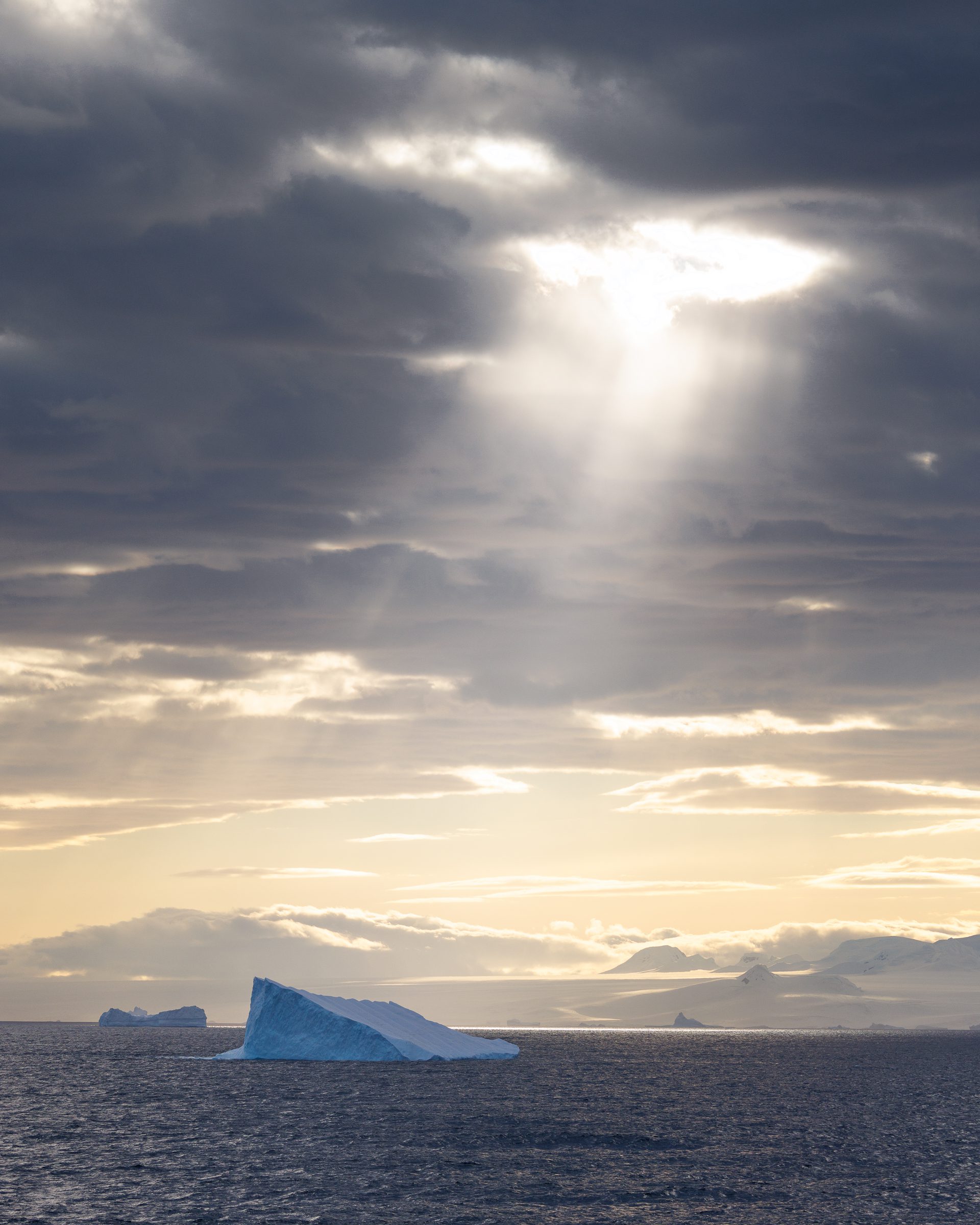
The morning we approached Astrolabe Island, we were treated to lovely blue icebergs, together with sun rays. The whole scene, especially considering where we were, felt like it belonged in a documentary.
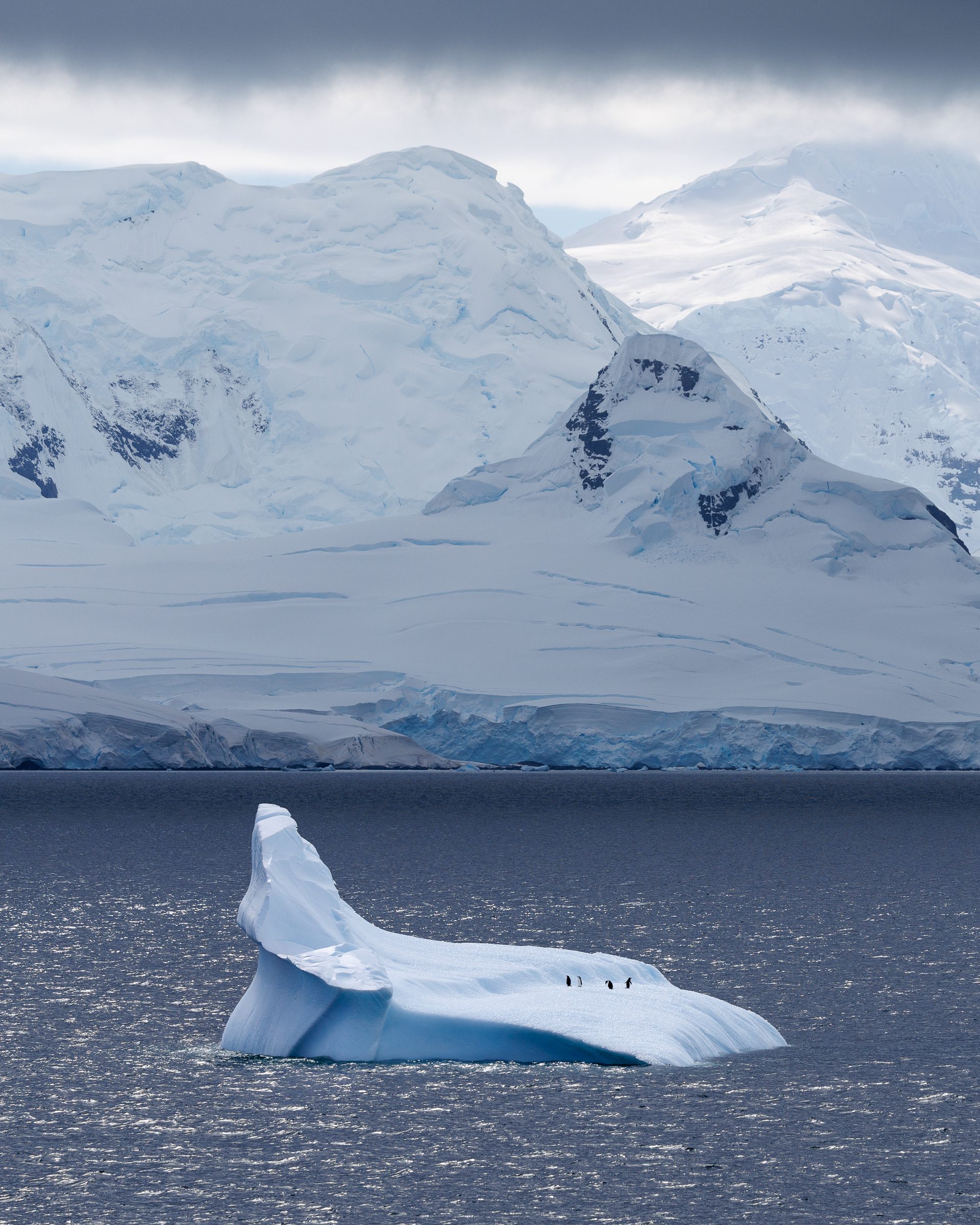
Almost constantly we saw icebergs float by with penguins on them, which was a big change to the last trip where we didn’t see all that many.
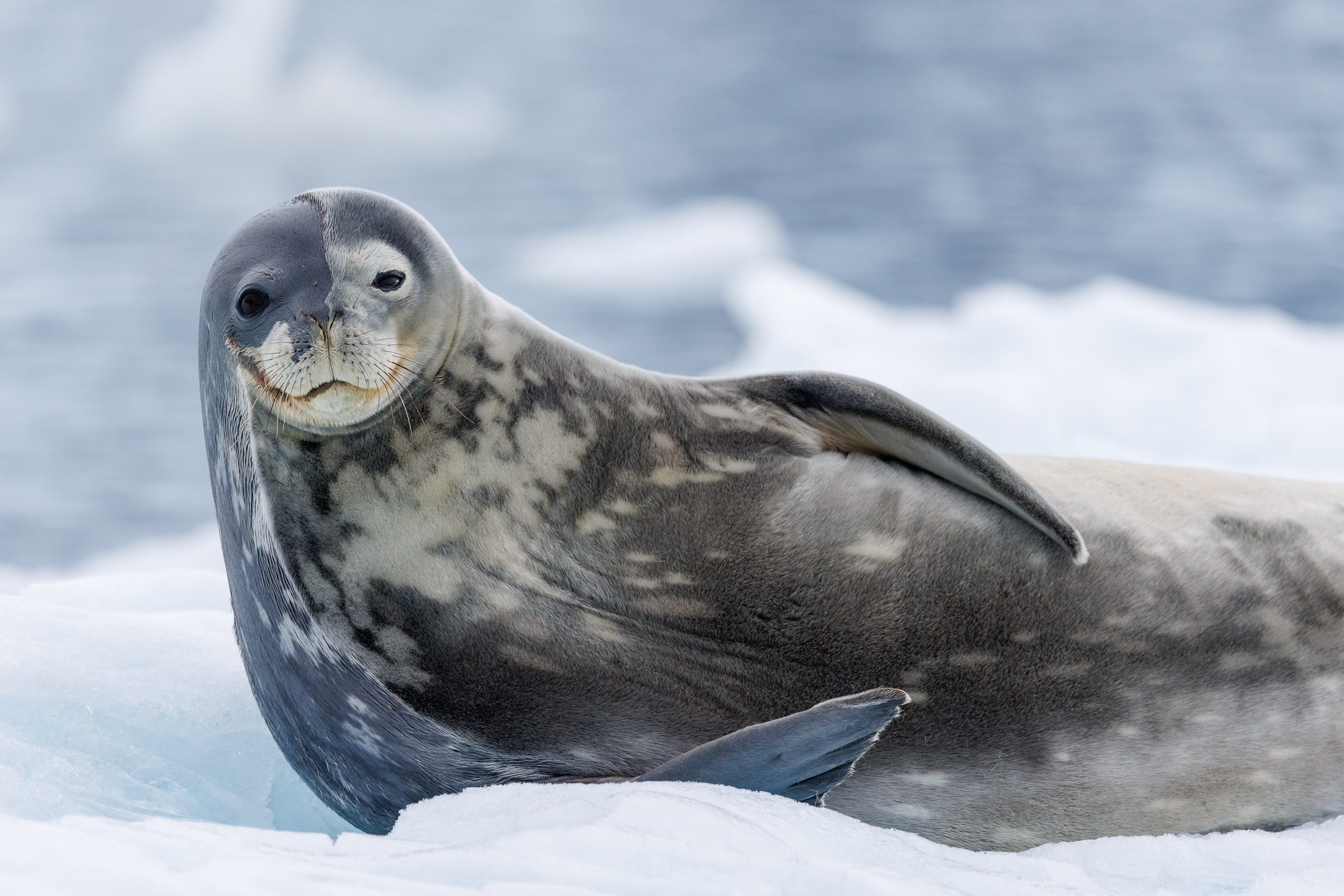
Whenever we spotted a seal, it seemed totally unfazed by our presence. It sometimes felt as if we were simply not there at all.
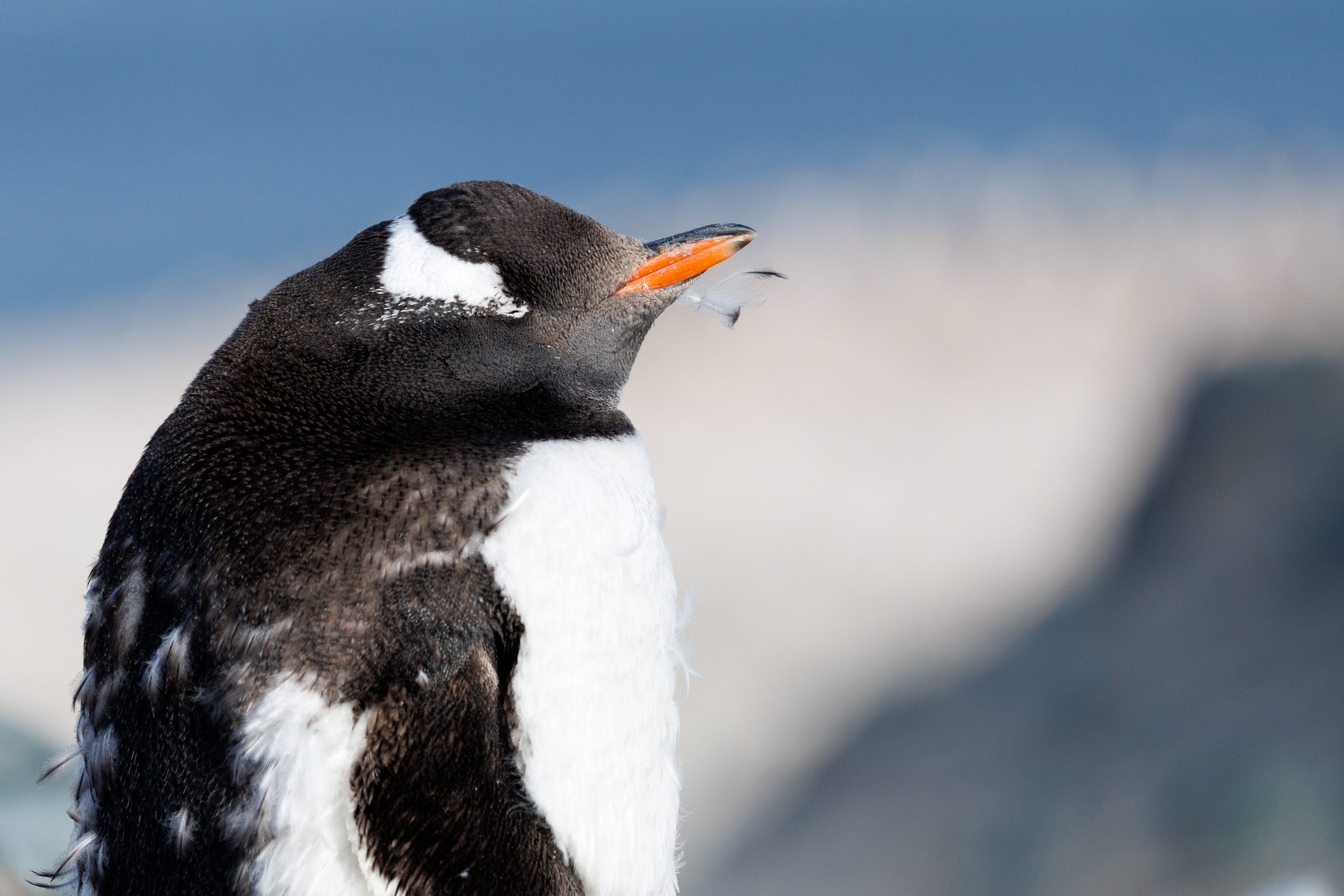
Penguins, and especially Gentoo Penguins, were blissfully ignoring our presence, even when all of us landed in a large colony at the same time.
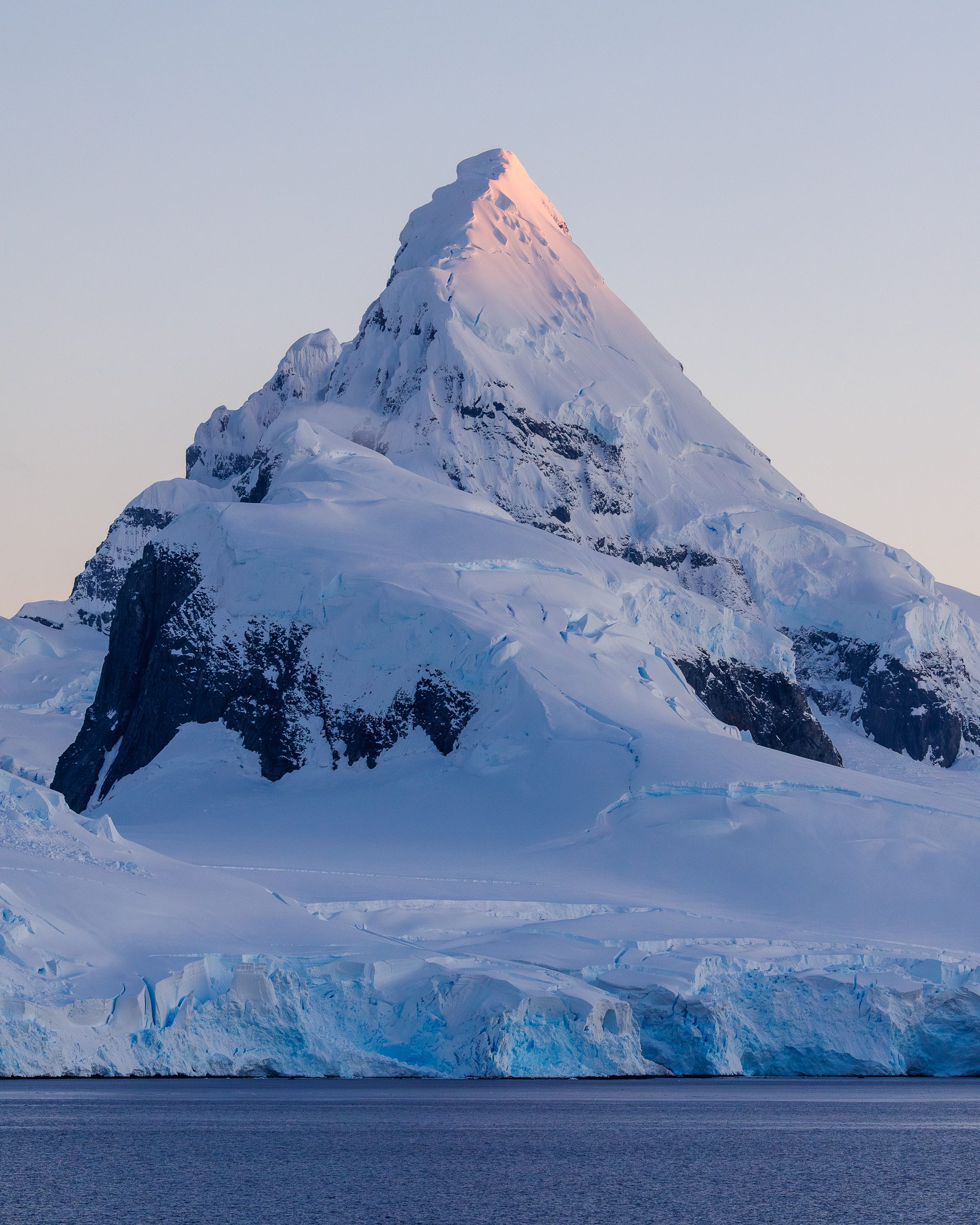
The ice-capped mountains that surrounded us almost the entire time, really gave you the feeling of being in an episode of BBC’s Frozen Planet.
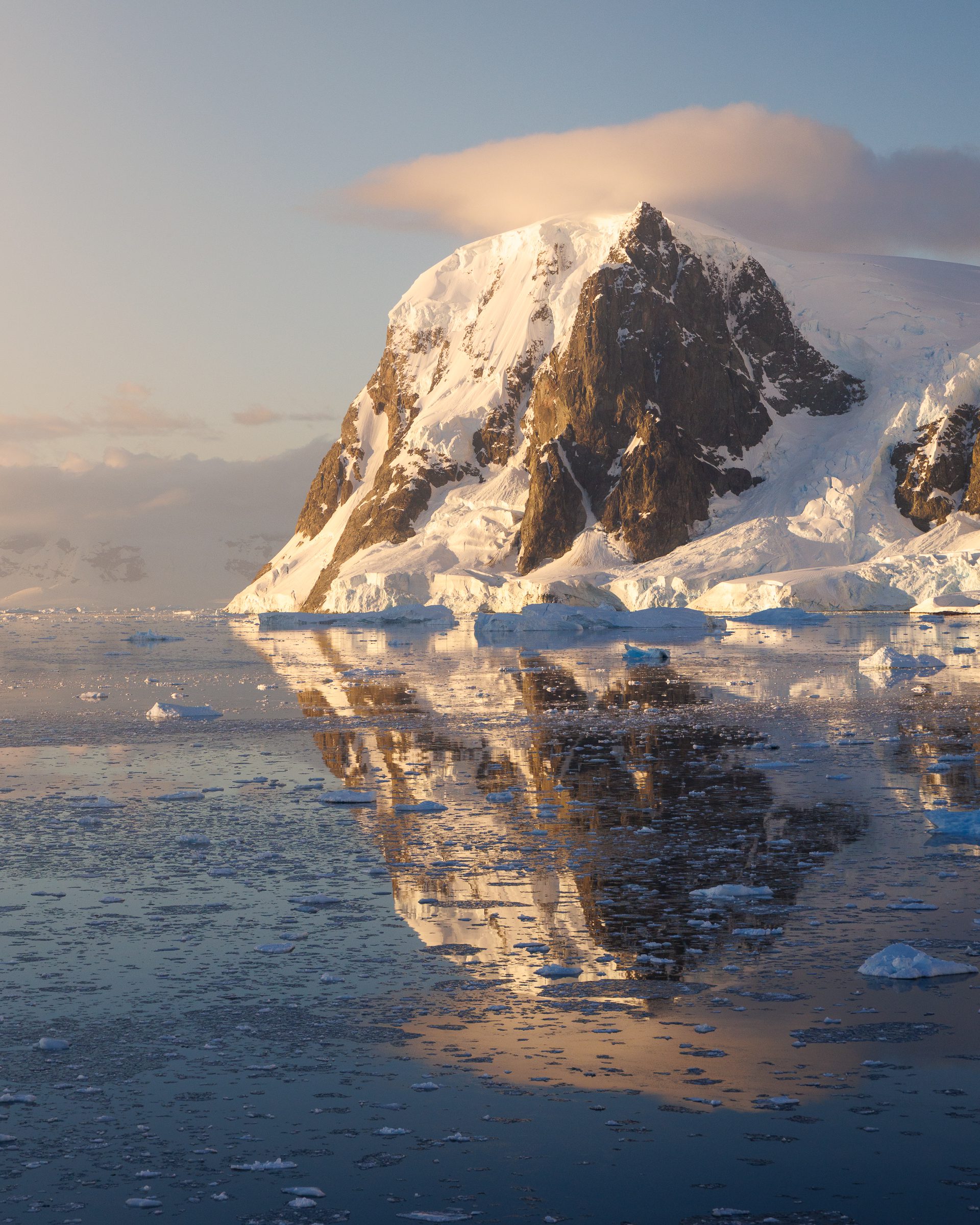
Tall, interesting shaped mountains. Perfect reflections. Slush ice and icebergs. It’s almost a picture perfect postcard shot for Antarctica.
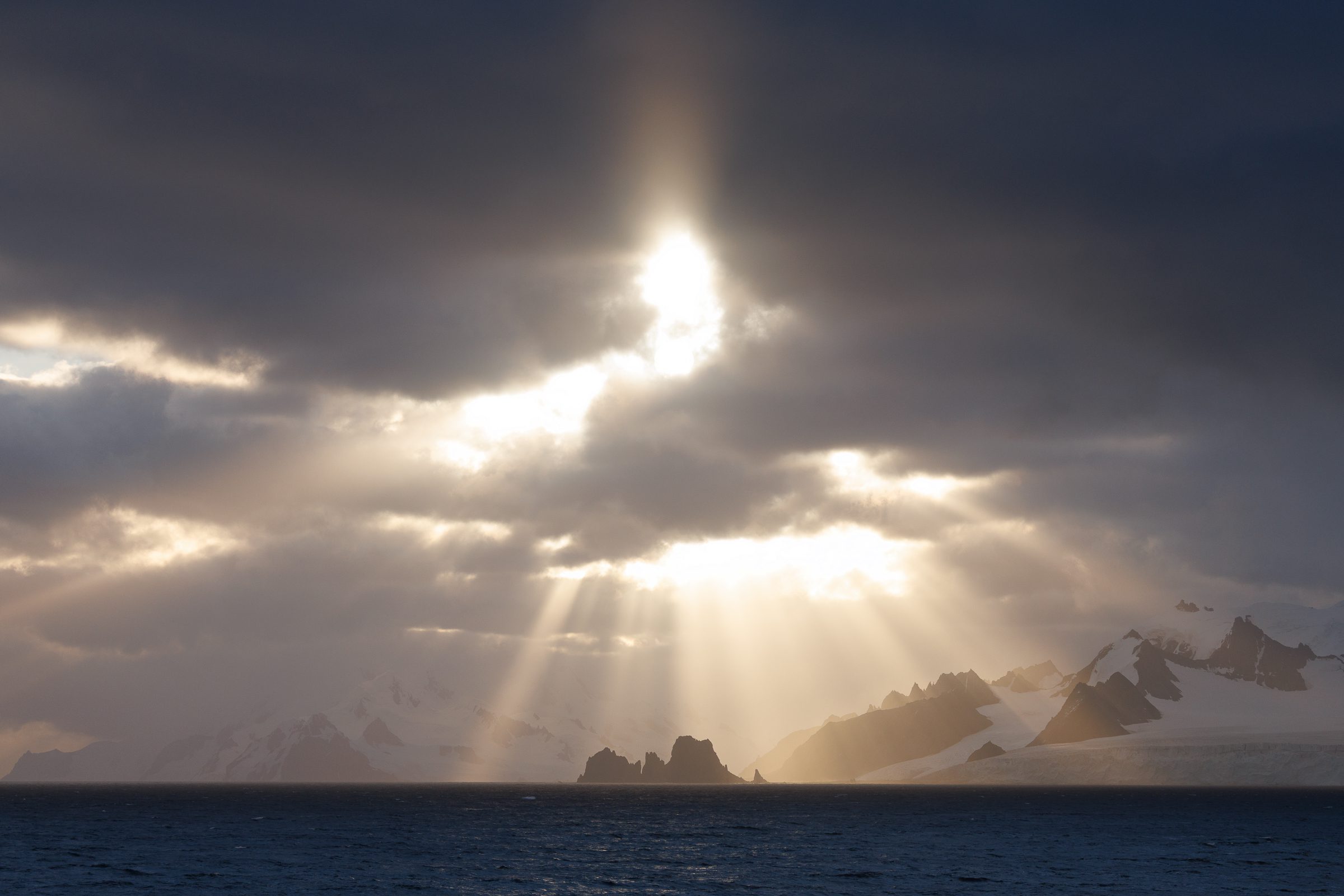
As we left the South Shetland Islands behind us, the most insane sun rays began appearing through the clouds. These may have been some of the most intense rays I have ever seen.
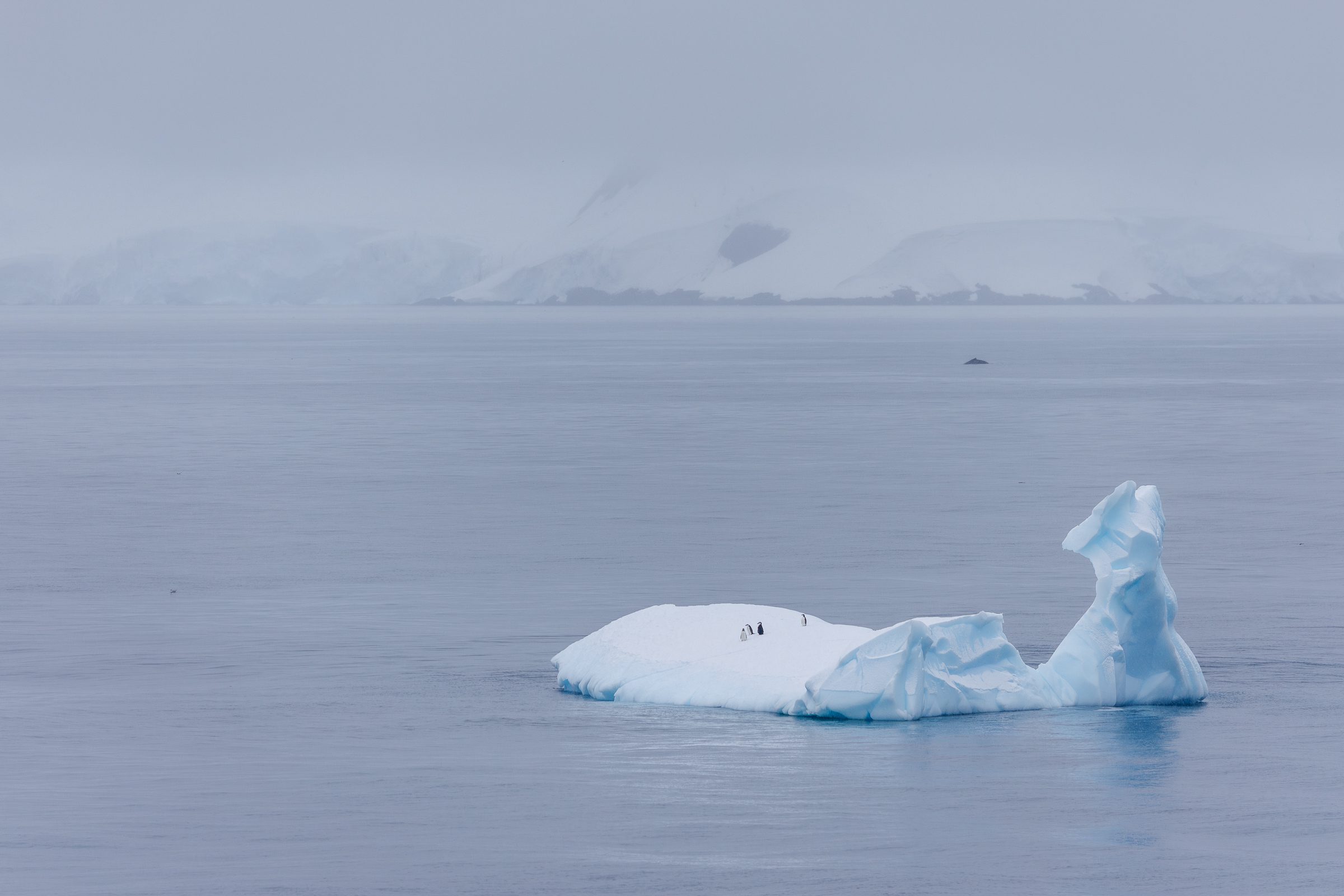
I can’t even begin to count the amount of shots where a whale randomly photobombed my shot of something else (in this case penguins on an iceberg) without me ever having seen this whale while taking the photograph.
The Most Memorable Moments Of This Antarctica Photo Workshop
We had so many incredible & memorable moments on this Antarctica Photo Expedition. The ones you are about to read are, of course, my personal favourites but I am sure many of them resonate with the entire group. These are in no particular order!
Orca, Orca, Orca!
One early morning, it wasn’t looking like there was going to be any opportunity for a sunrise shoot. After receiving a text from Rick, confirming as much, I decided to snooze a bit longer. At least, that was until about 20 minutes later when I woke up by a ship-wide message stating “Sorry, I know it’s earlier than usual but we have orcas at 3 o’clock!”. It took me just about one second that realise that this meant they were right outside my window. Another 10 seconds later and I was out on my balcony, silently regretting my decision to not dress up for the cold, with my camera in hand. Two orcas surfaced just shortly after and I was very proud I managed to capture them until I heard a very loud blow just underneath of my balcony. An orca surfaced just next to the boat and I frantically pointed my camera down the balcony, hoping to capture it before it disappeared. Success!
Shortly after I decided to run up to deck 8 where a lot of other participants and leads had gathered. As it turned out, the orcas were hunting some seal that had decided to use our ship as an attempt to hide from the orcas. It was INCREDIBLE! Even though it was snowing heavily and none of us had been up for longer than 10 minutes, the atmosphere was great and everyone was excited. The orcas continued to swim around the ship and at one point they even swam with the ship, allowing us to capture some great images of the experience.
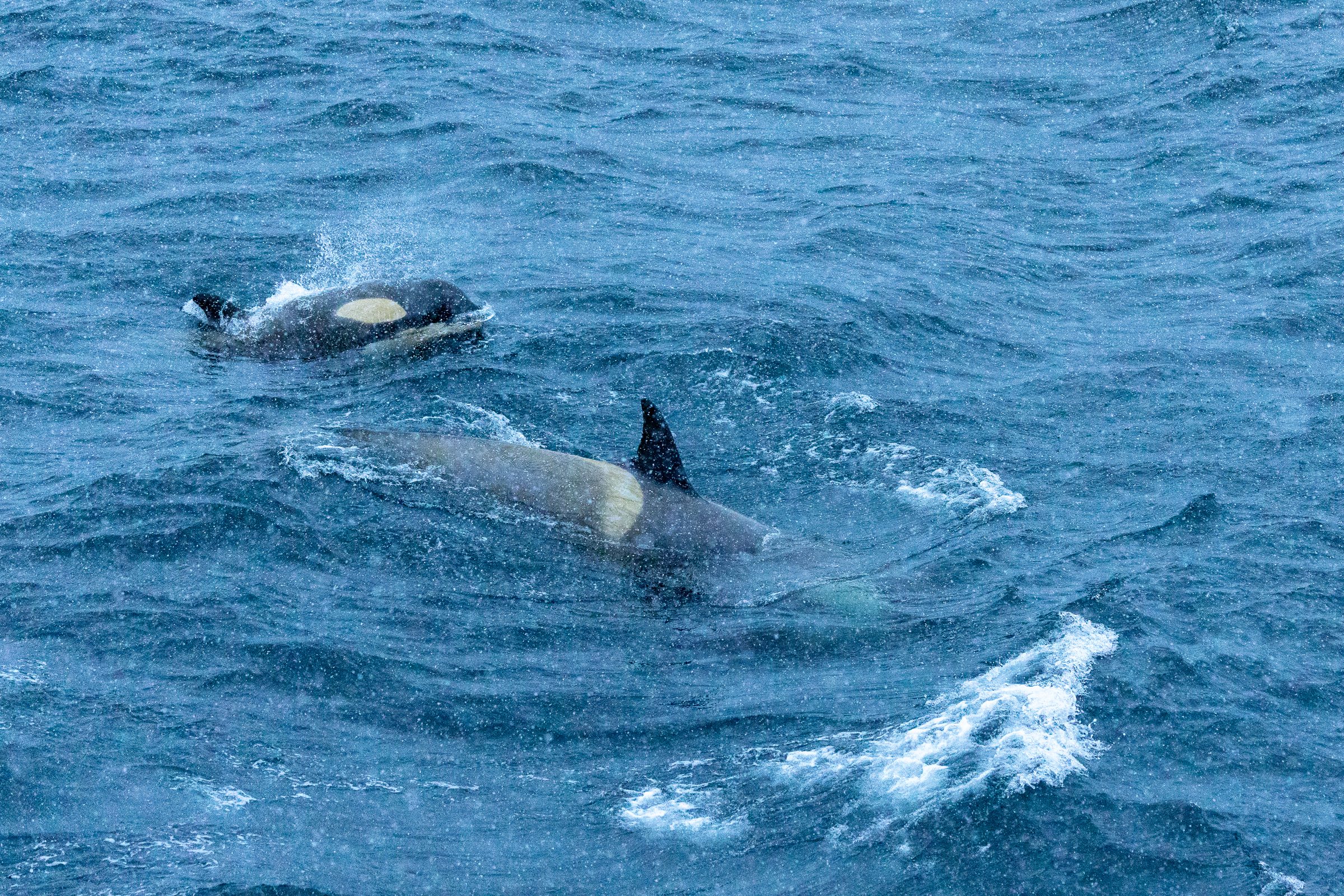
The conditions we were photographing in were really intense with dense snow showers making it difficult to focus onto the fast-moving orcas. A good tip in these kind of conditions is to use the focus limiter on your lens so the camera does not try to grab focus on the snowflakes closest to your camera.
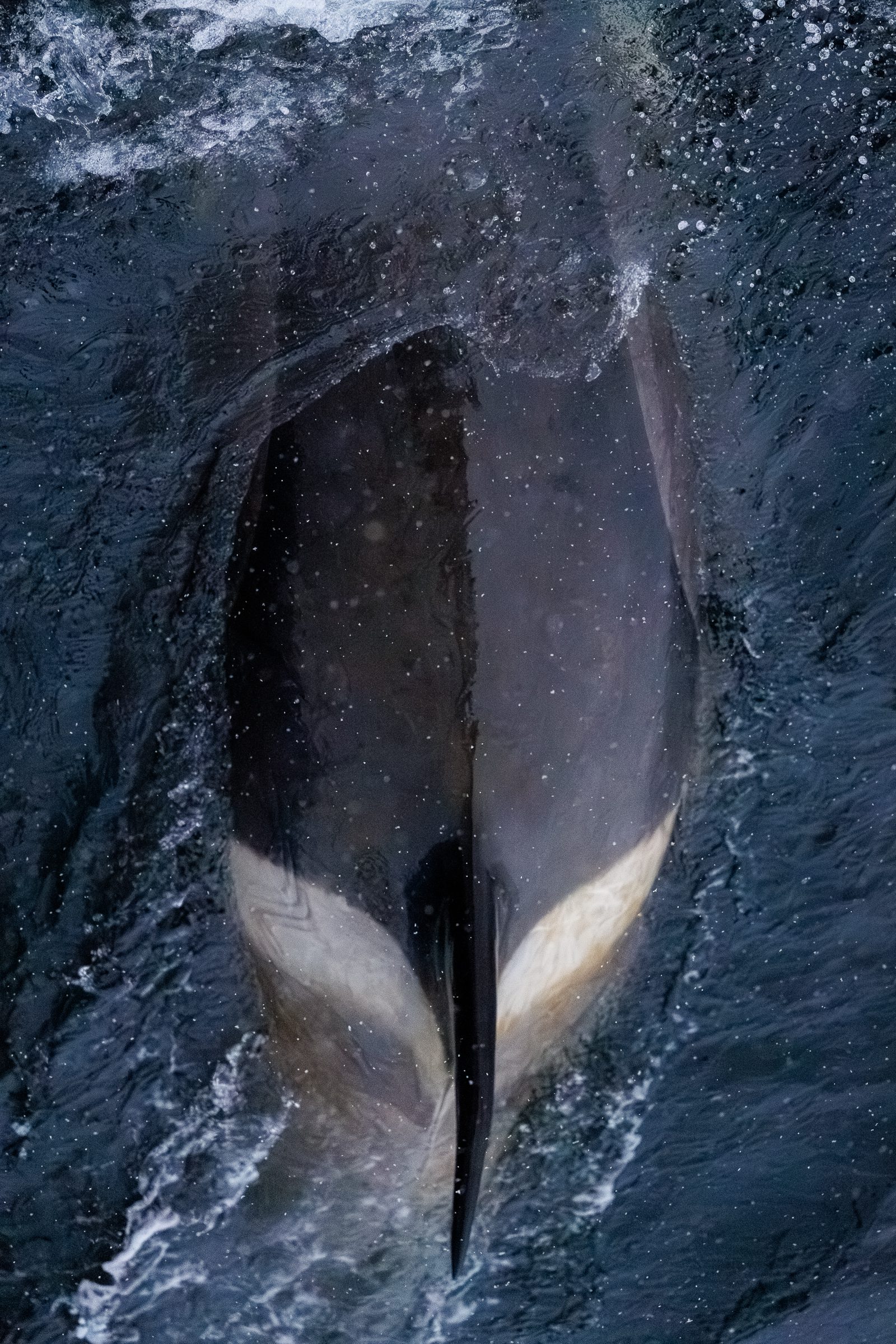
The result of my frantic “spray & pray” photography technique when a massive orca surfaced right underneath my balcony and I only had a 100mm to use. Not the sharpest of images but one to cherish!
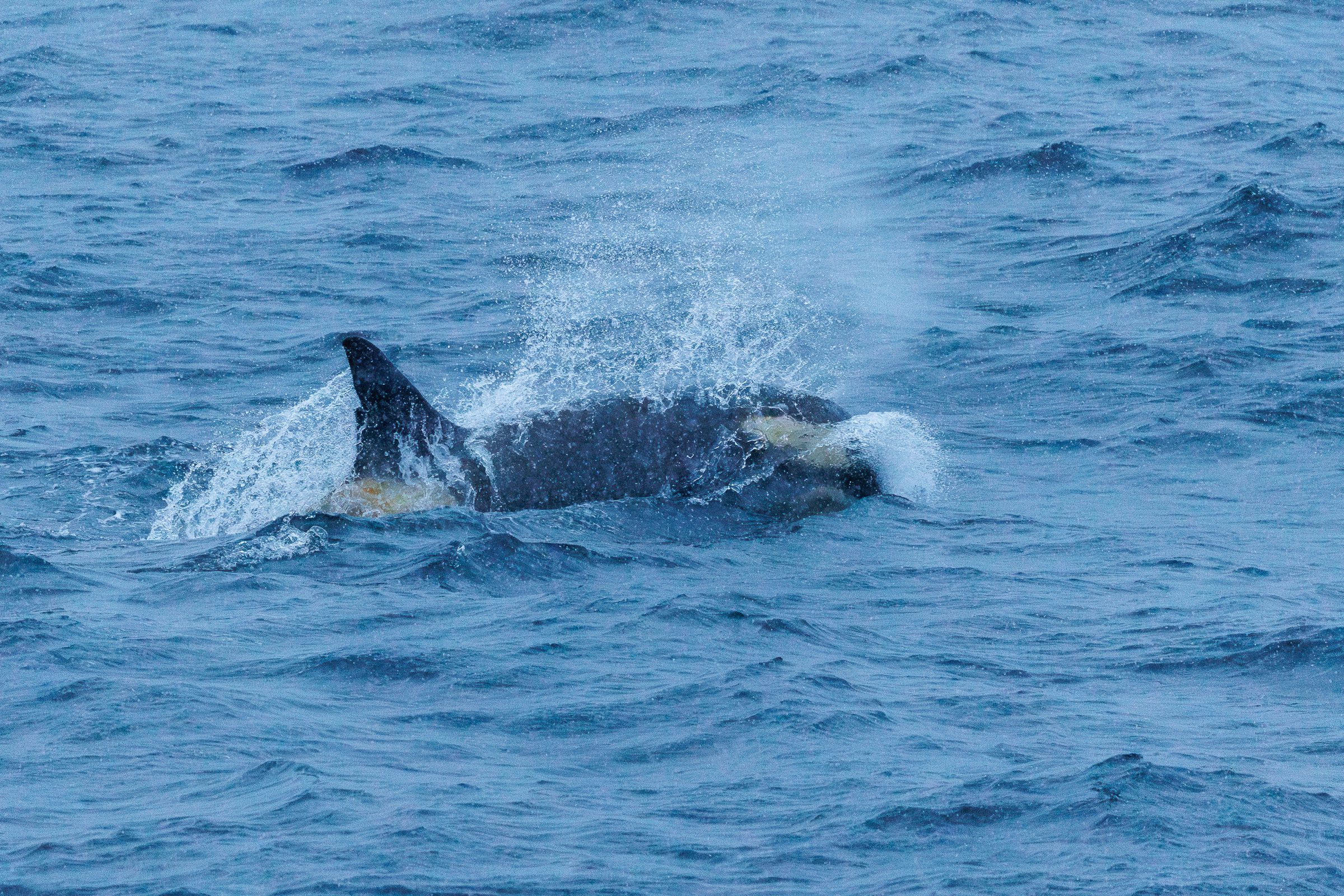
Because it was rather wavy, very often when the orcas would break through the waves you could see this splashes. I was attempting to freeze the splashing in most of my shots because I thought it looked interesting and different. Usually you see them “glide” more.
The Yalour Islands Penguin Party
After our, almost obligatory, visit to Petermann Island and its gentoo penguin colony, we headed further south to the Yalour Islands. This was an entirely new location for all of us so we were very excited to find out what it was all about. As soon as we left our ship behind in the zodiac, we came across the first signs of wildlife. And quickly, it would become clear that the wildlife here was incredibly abundant. In the center was an island housing a large Adélie penguin colony. They were everywhere and not only on the island but also in the ocean surrounded it and even on top of small icebergs floating in the bay. Surrounded by that island was a the largest collection of leopard seals we saw the entire trip and, clearly, they were also very aware of the buffet originating from the nearby island.
At one point, we encountered my favourite subjects of the entire trip: two Adélie penguins, an adult and a chick, standing on top of an iceberg. They were stood so still for such a long time that I got all the shots I had been dreaming of. Whether it was a wide “wildscape” type of image or a tighter shot, I managed to get it all. Much to my disbelief when I realised I had taken over 2300 images of the same two penguins. I guess I got a little excited there… Whoops!
I have not edited all of my photographs of this encounter but here are a few I have so far. I can’t decide on which one I like best!
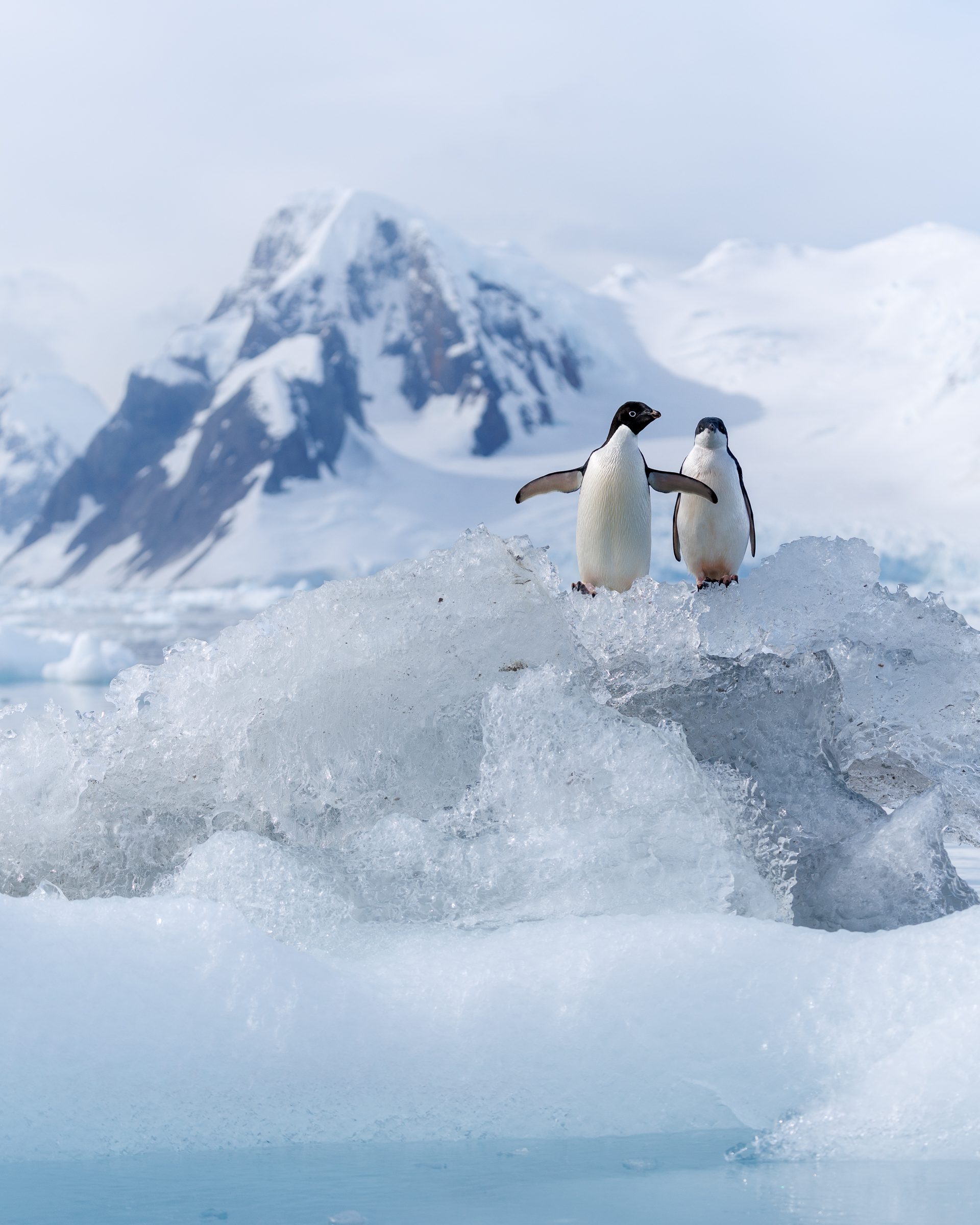
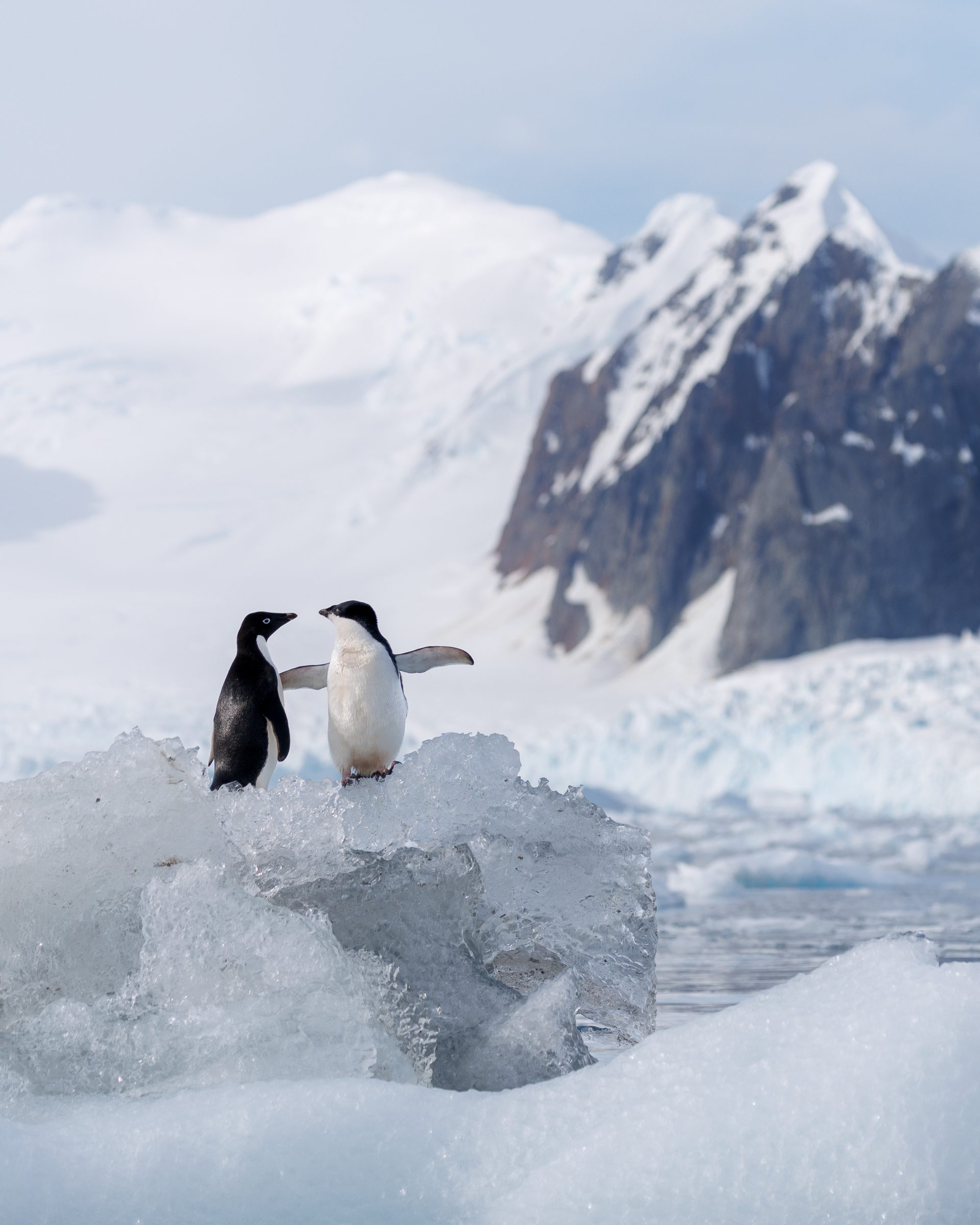

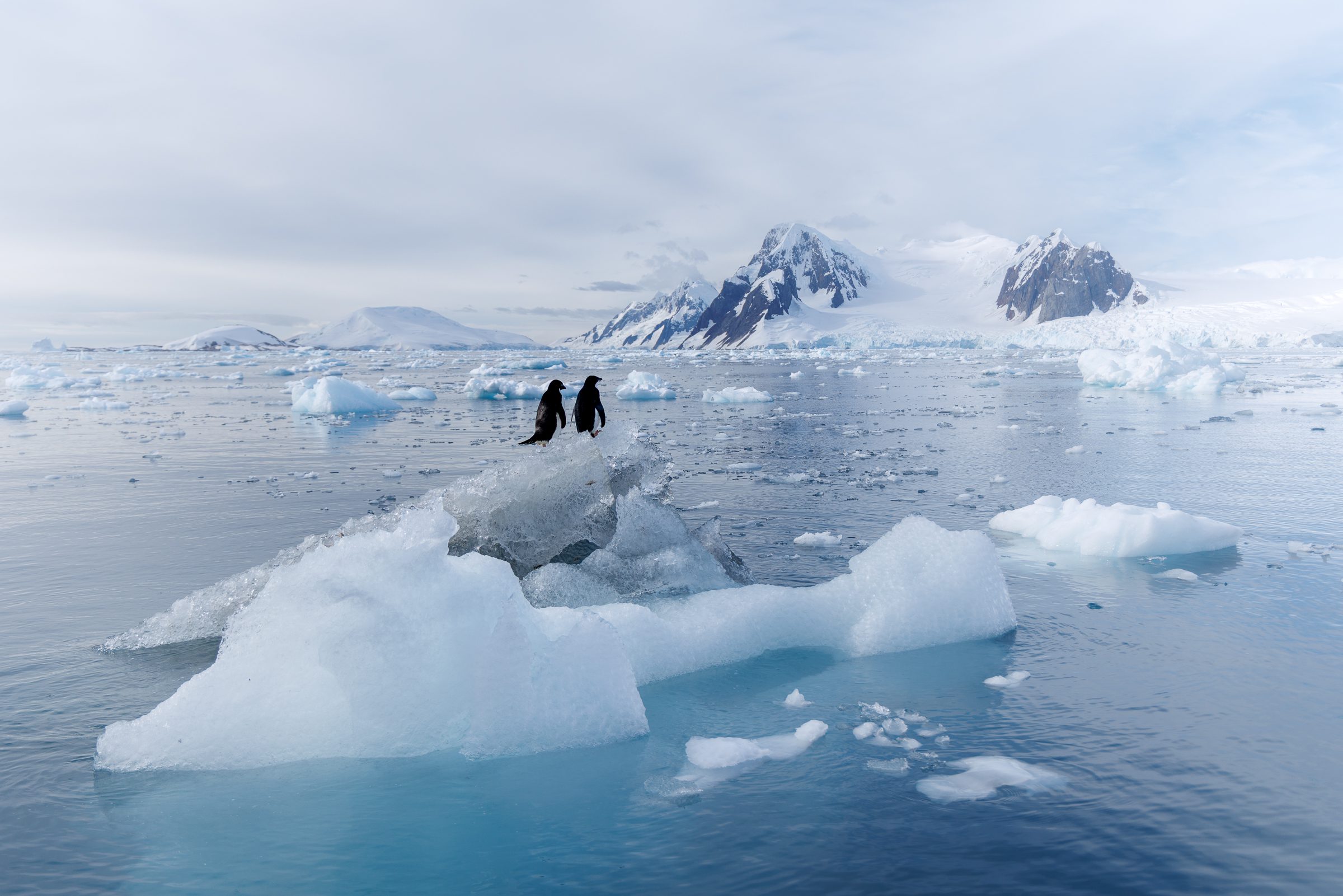
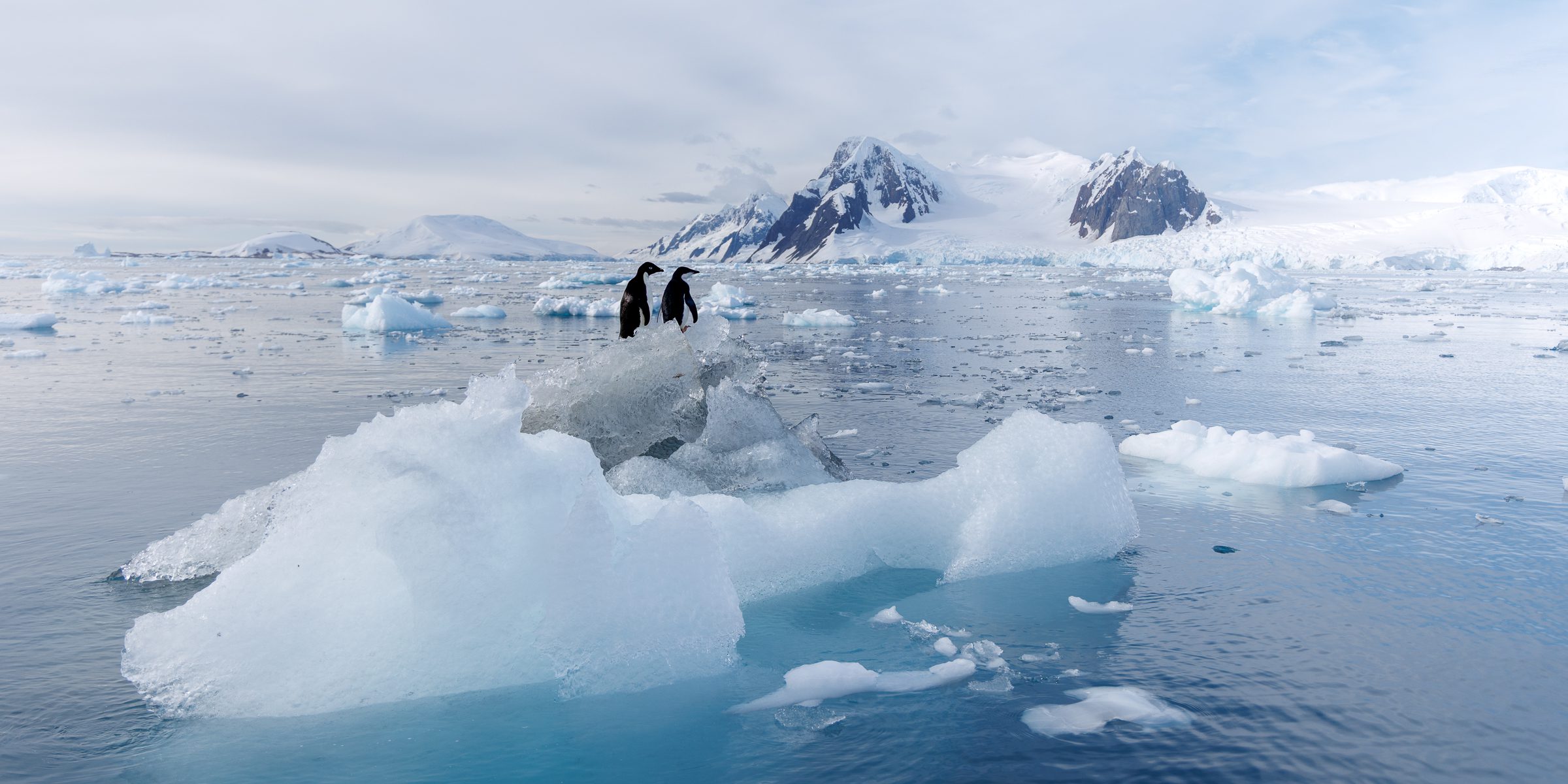
Aside from the Adélie Penguins, there were also lots of seals, such as crab-eater and leopard seals, around.
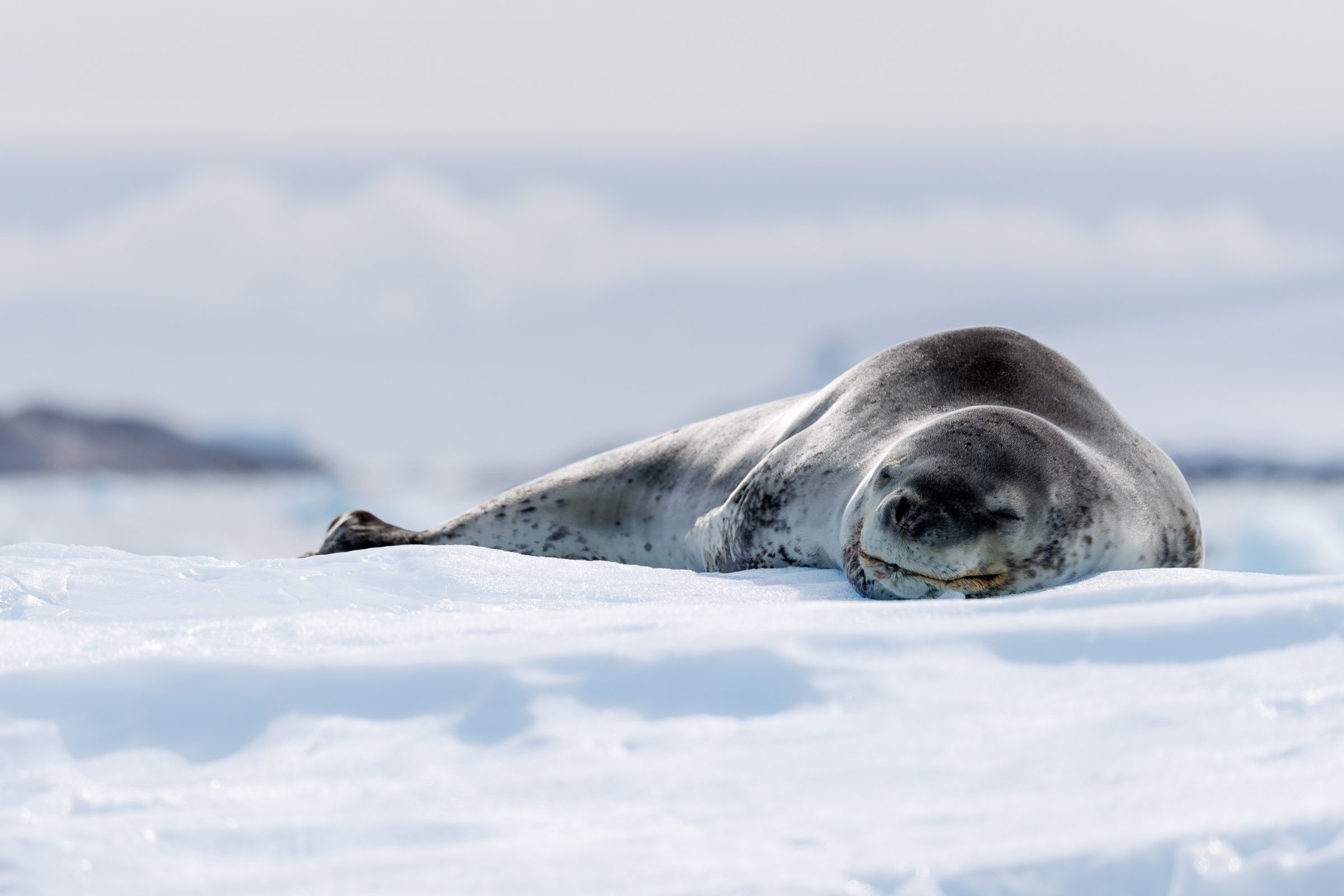
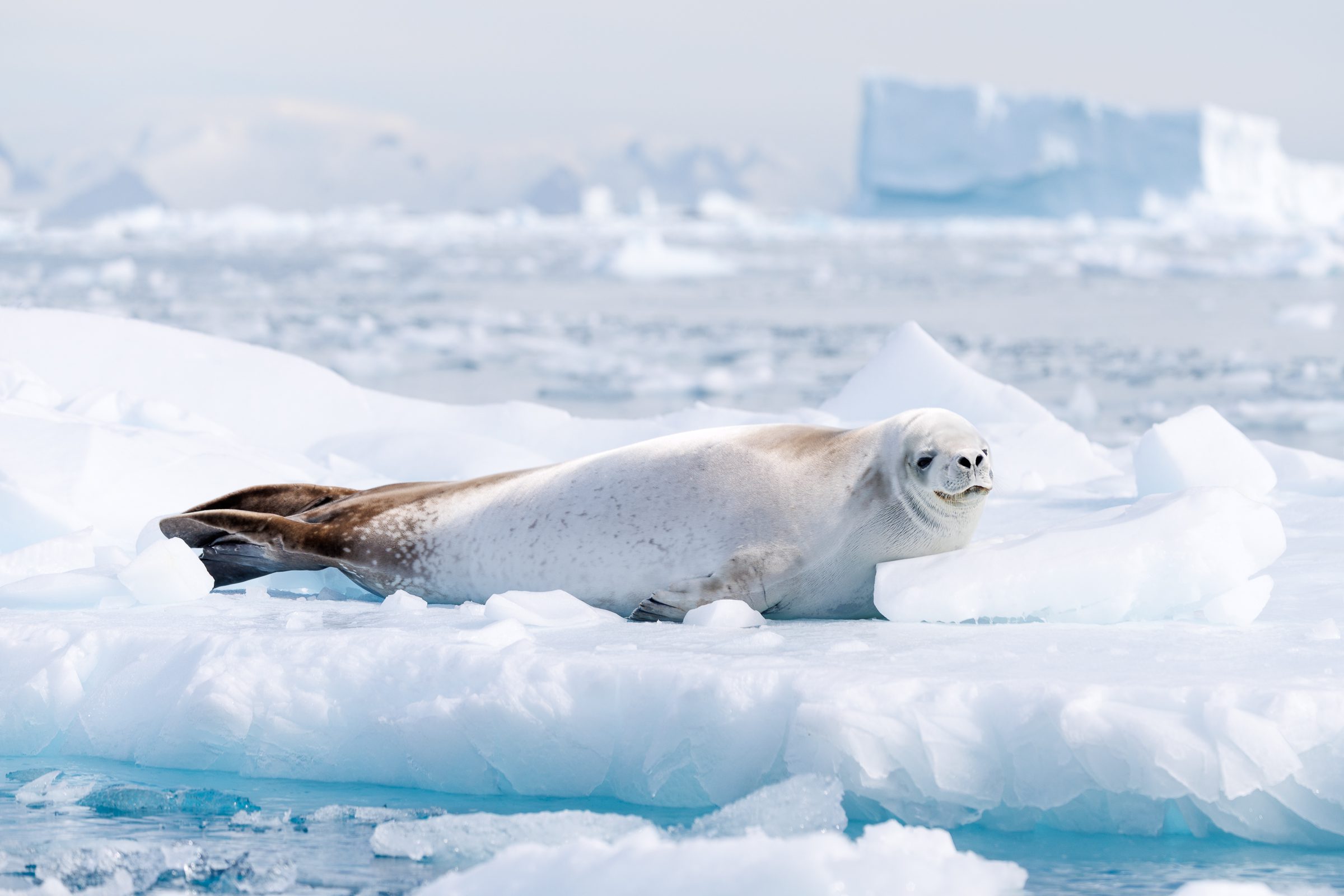
The Incredible Sunrises & Sunsets Of The Gerlache Strait
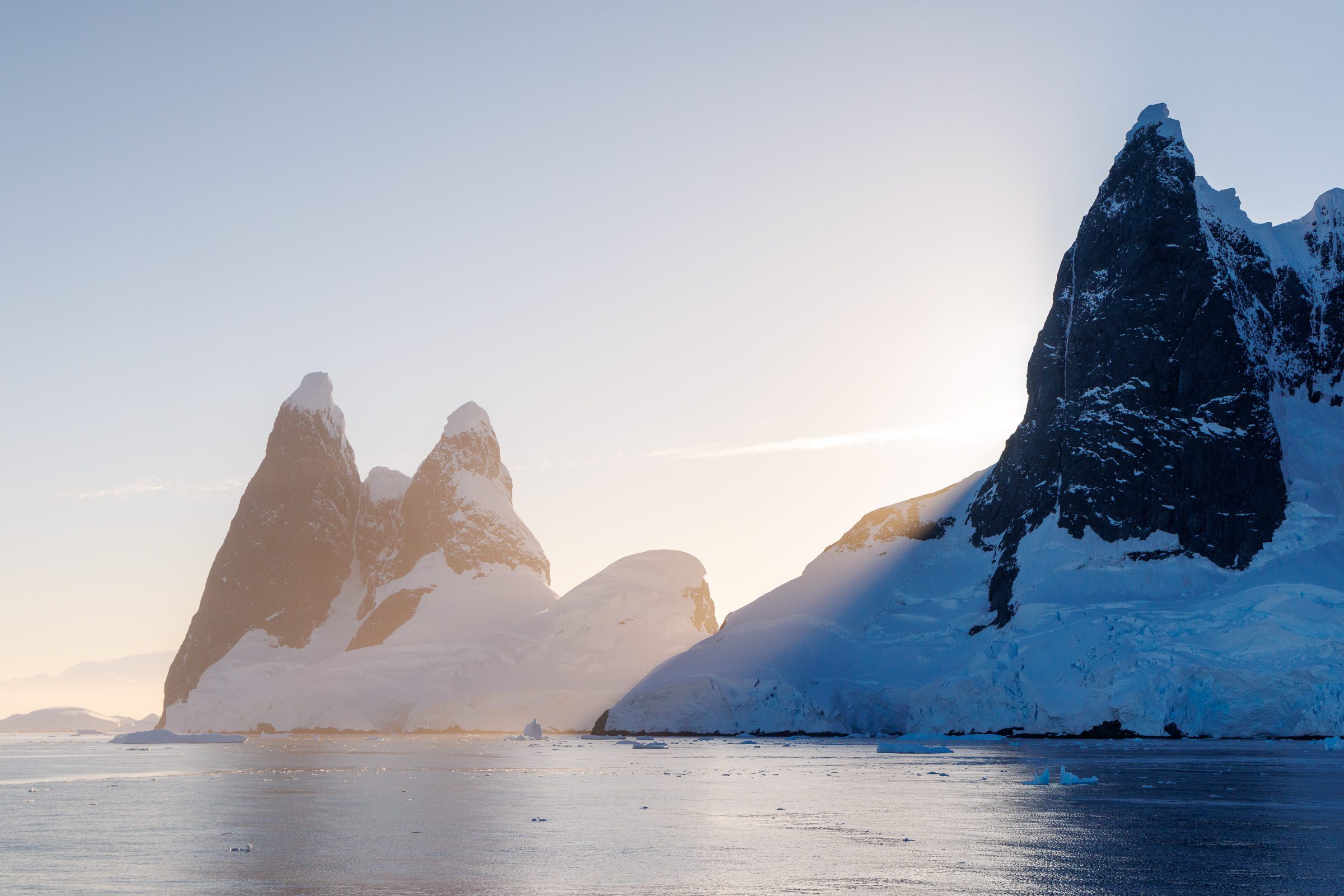
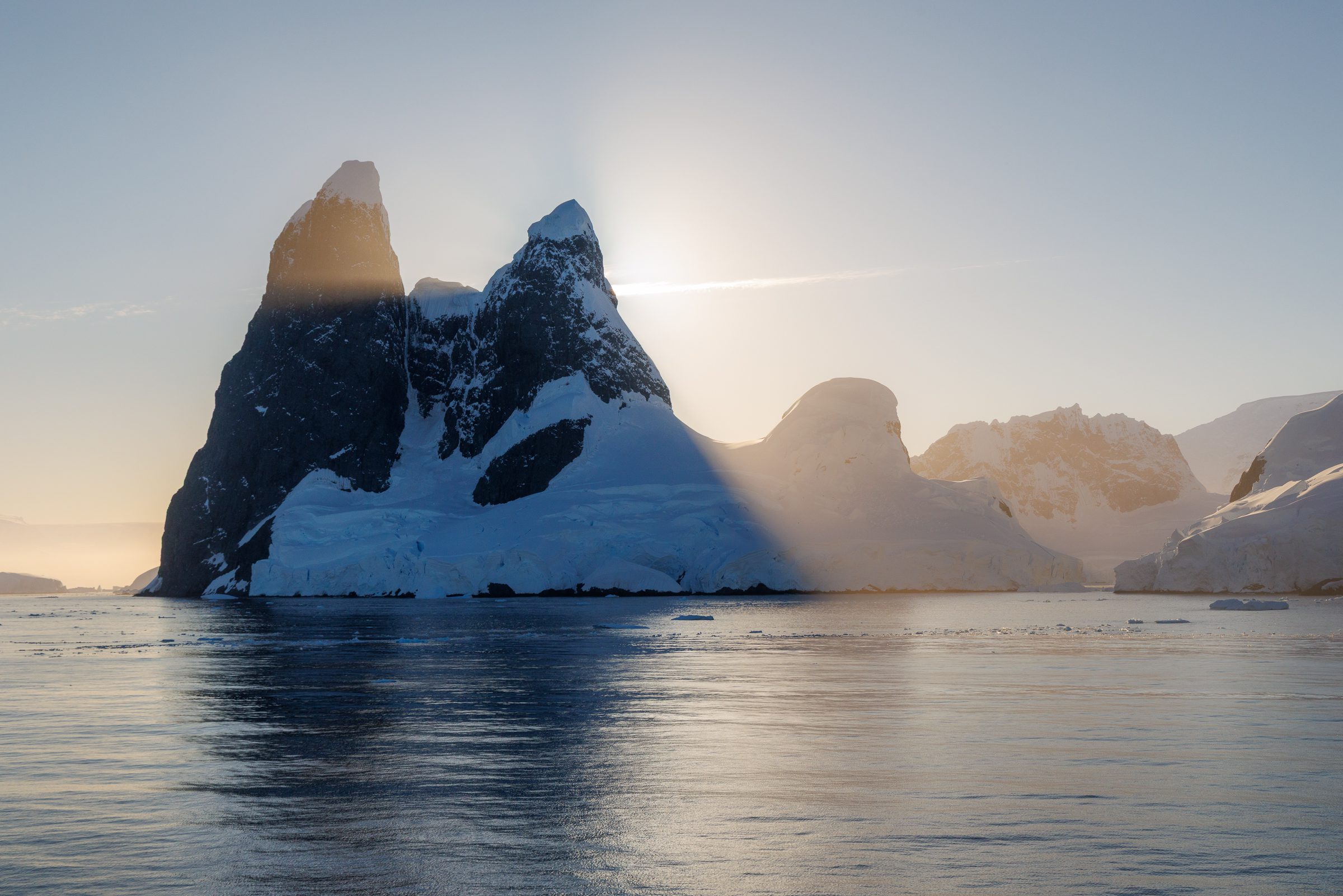
We were also treated to many more sunrise and sunset opportunities this time around. This meant some of the days were really, really long if you were dedicated enough to experience it all but it was well worth it. Especially our route through the Gerlache Strait and the Lemaire Channel were really memorable. While I wished for a little bit more clouds, just to make that color pop even more, we got some incredible colors and light on at least four days. And the best part is that there were so many whales around, almost the entire time. One evening, we were even treated to incredibly still water, turning the entire surroundings into a giant mirror. I will let the images speak for themselves here…
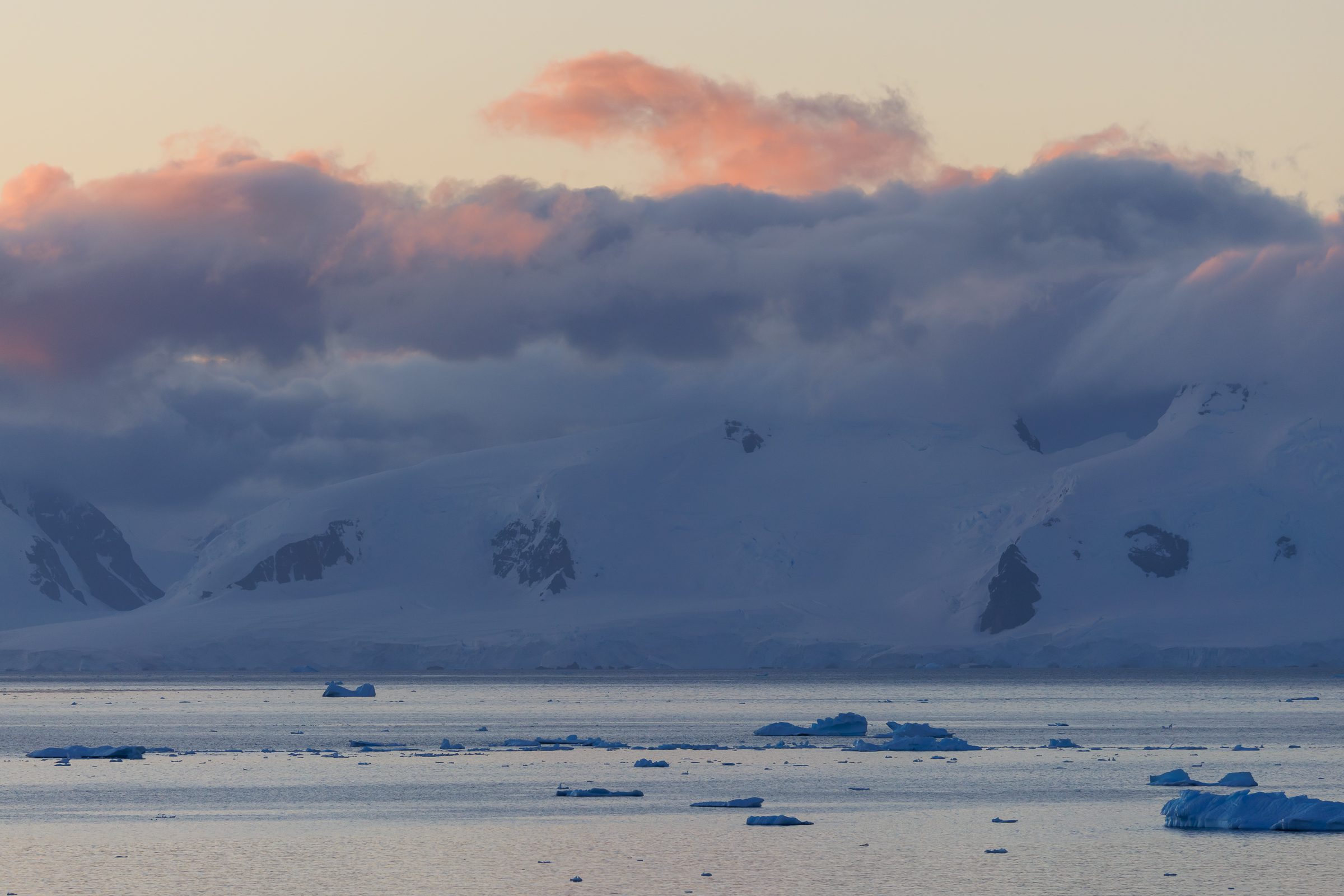
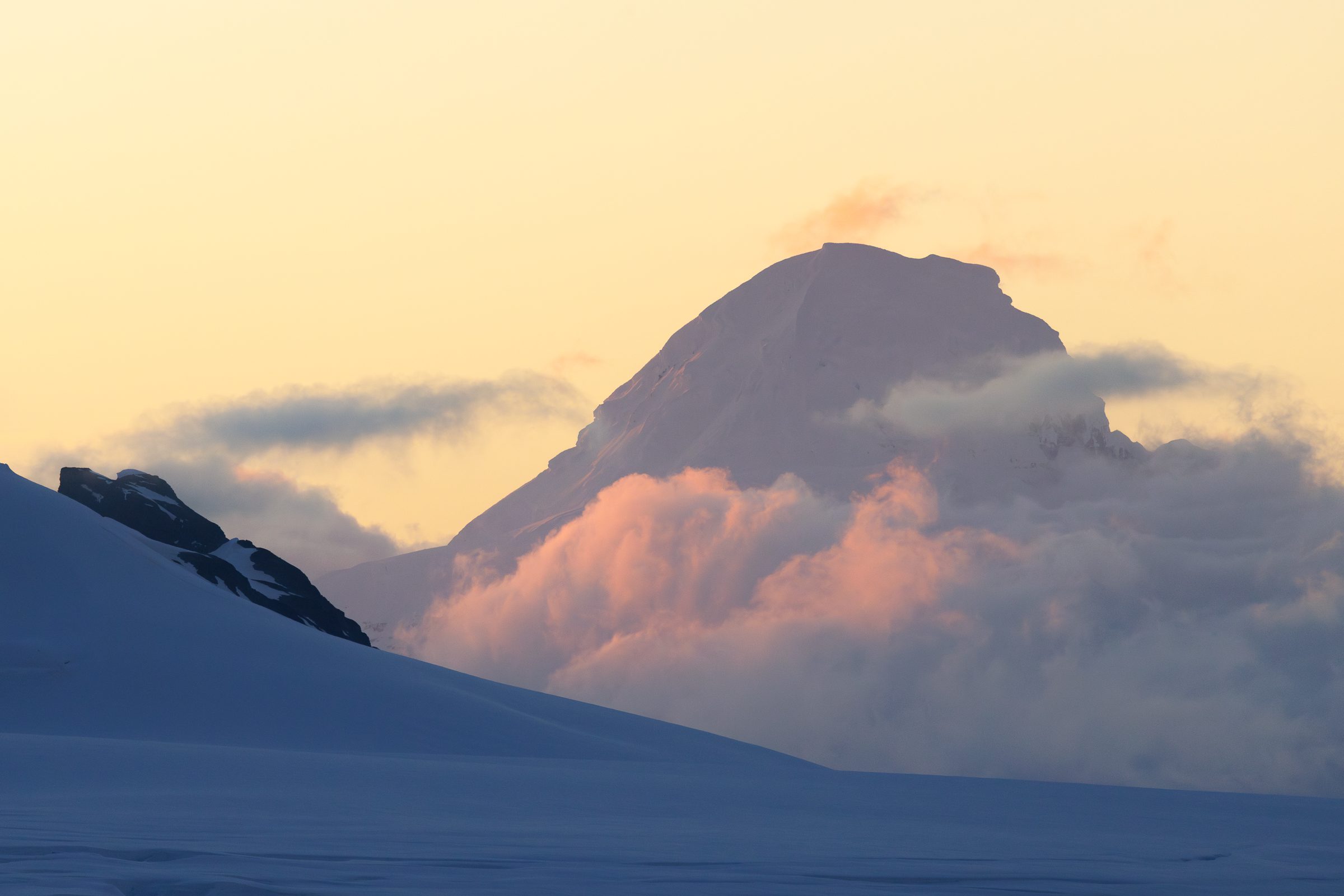
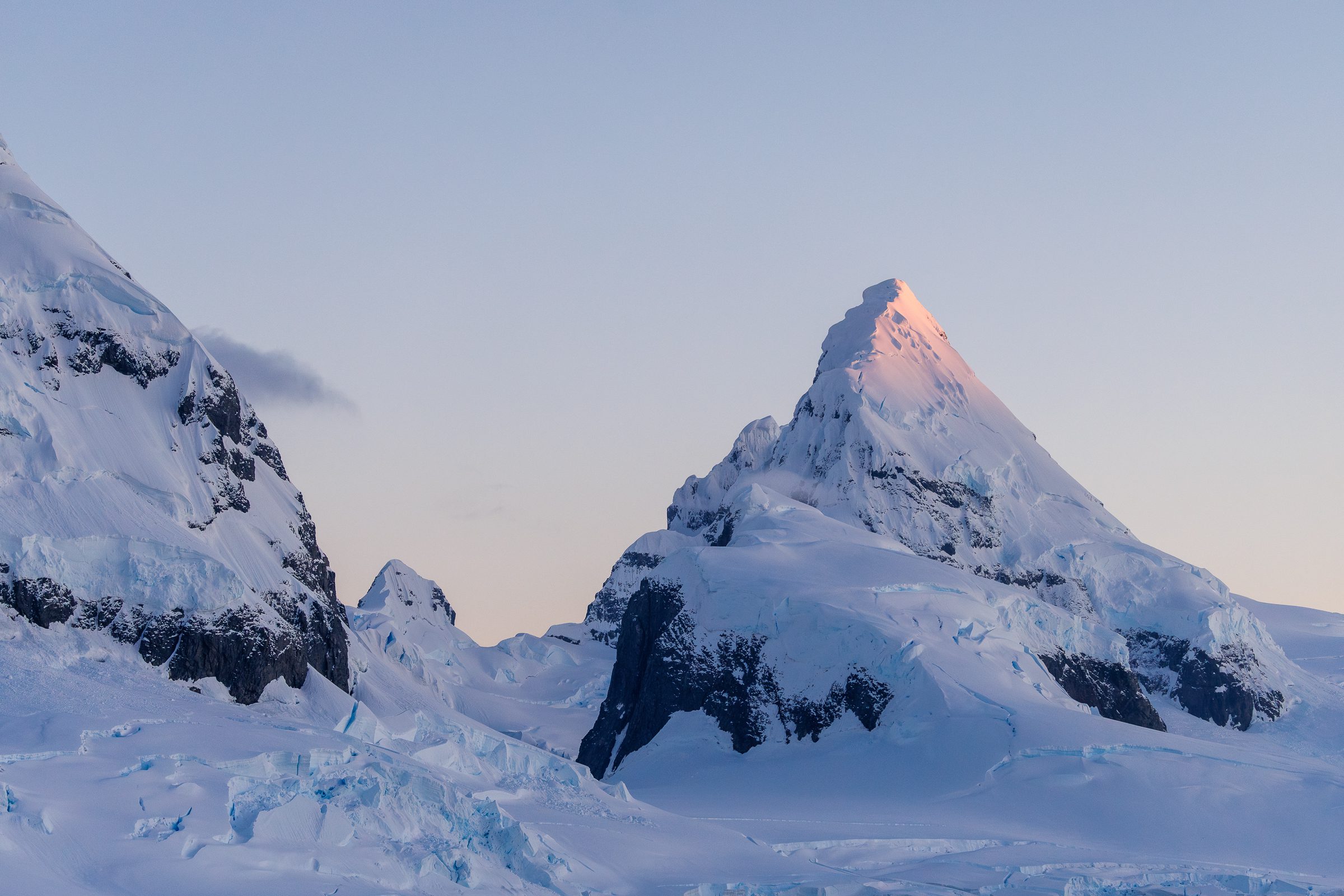
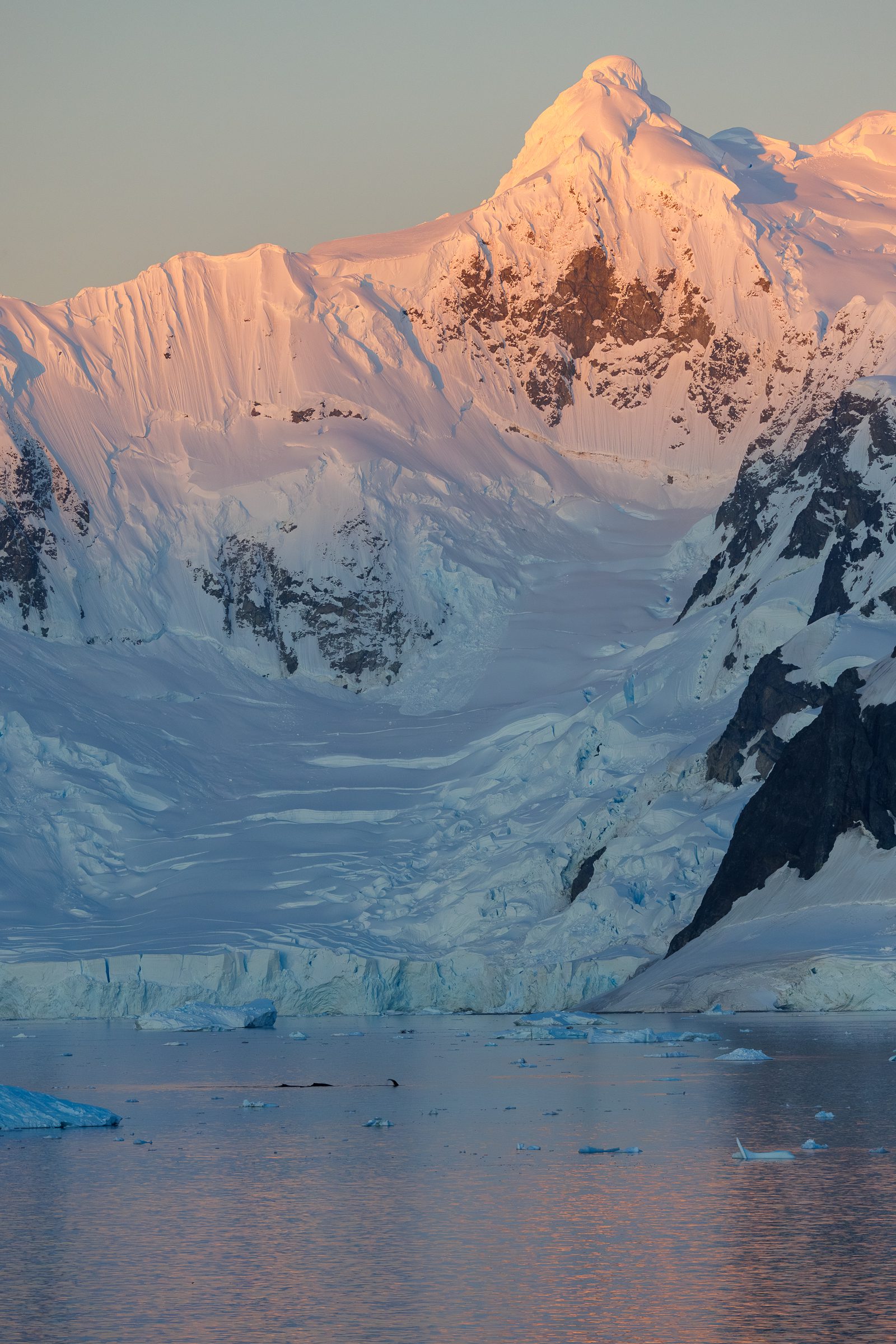
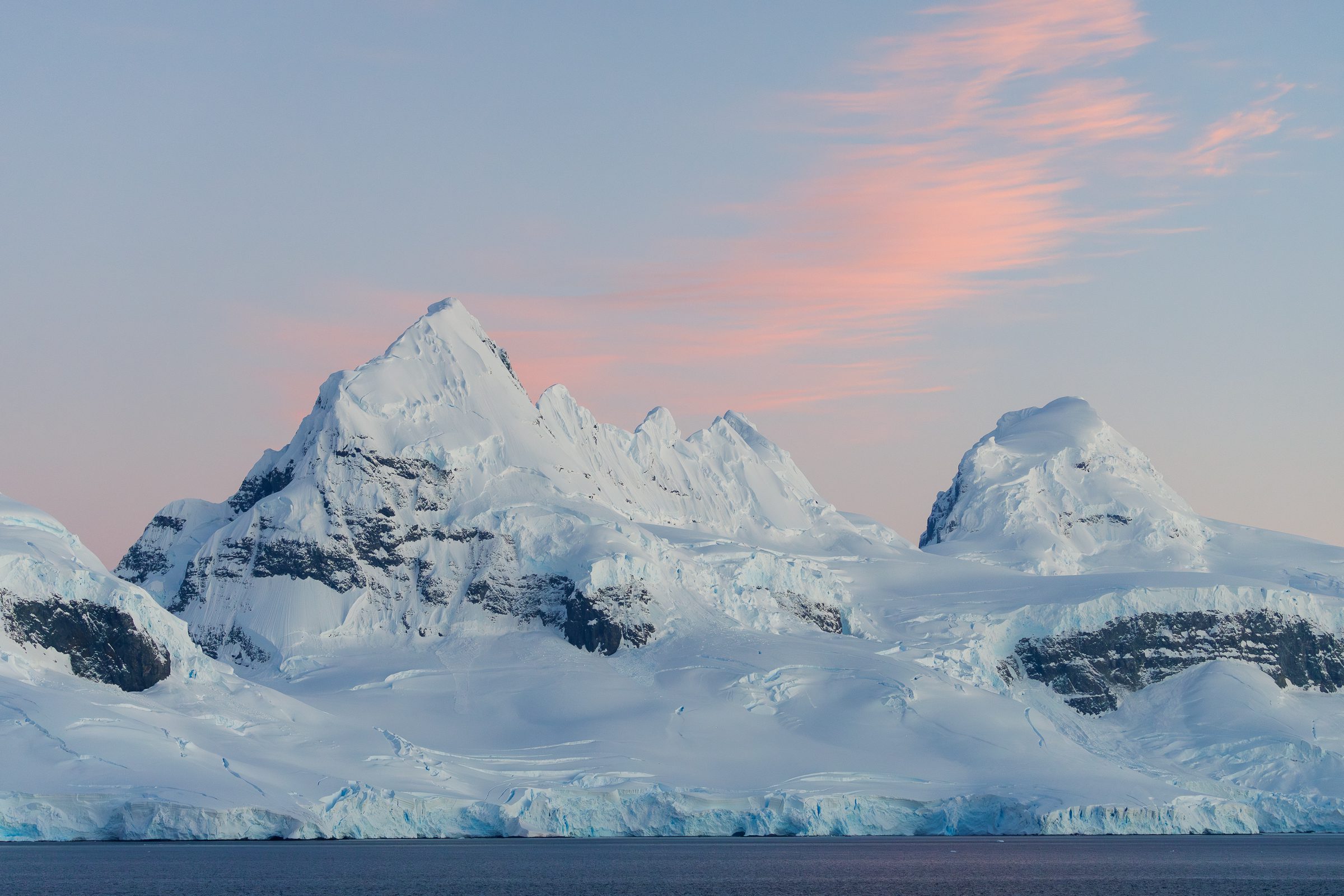
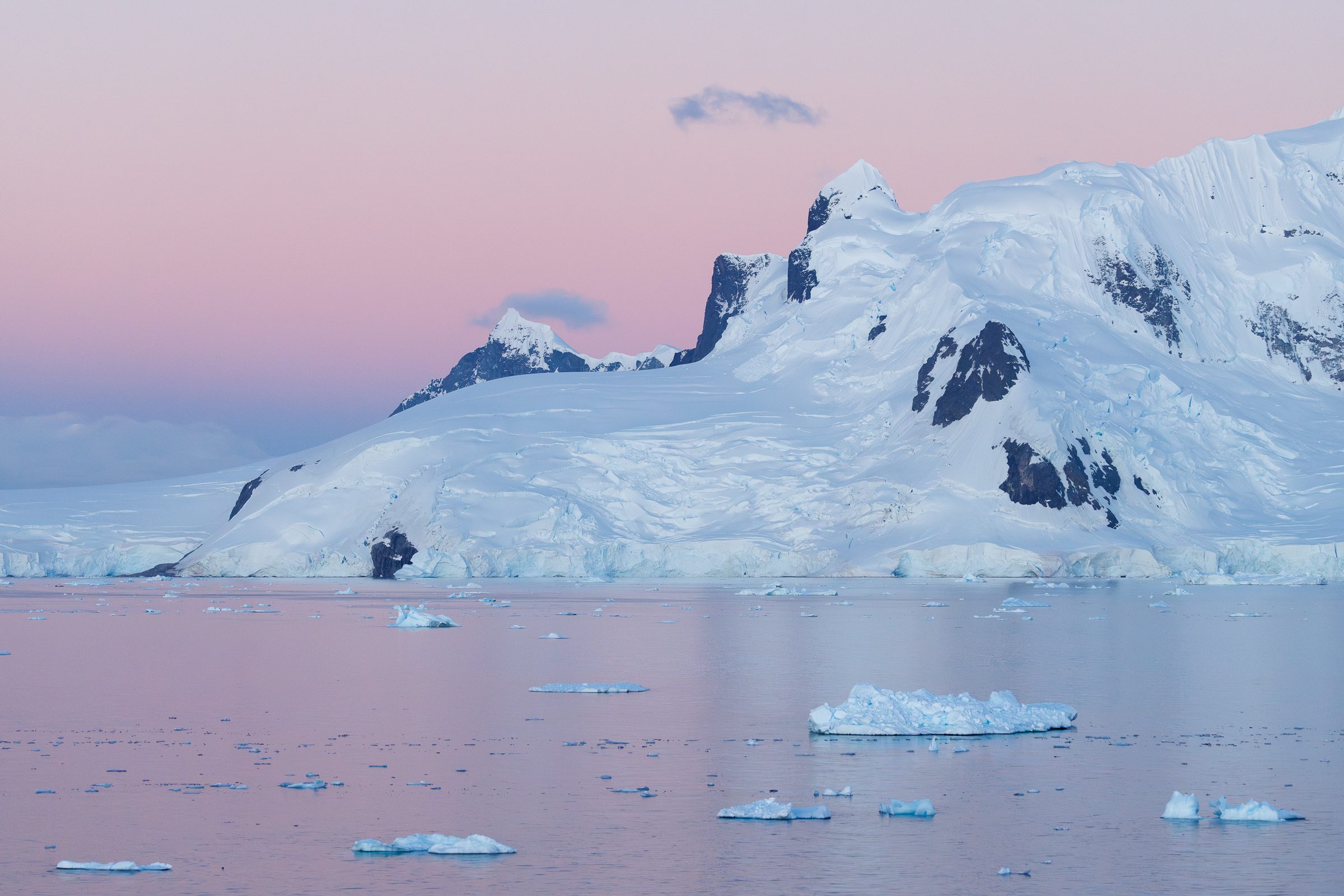
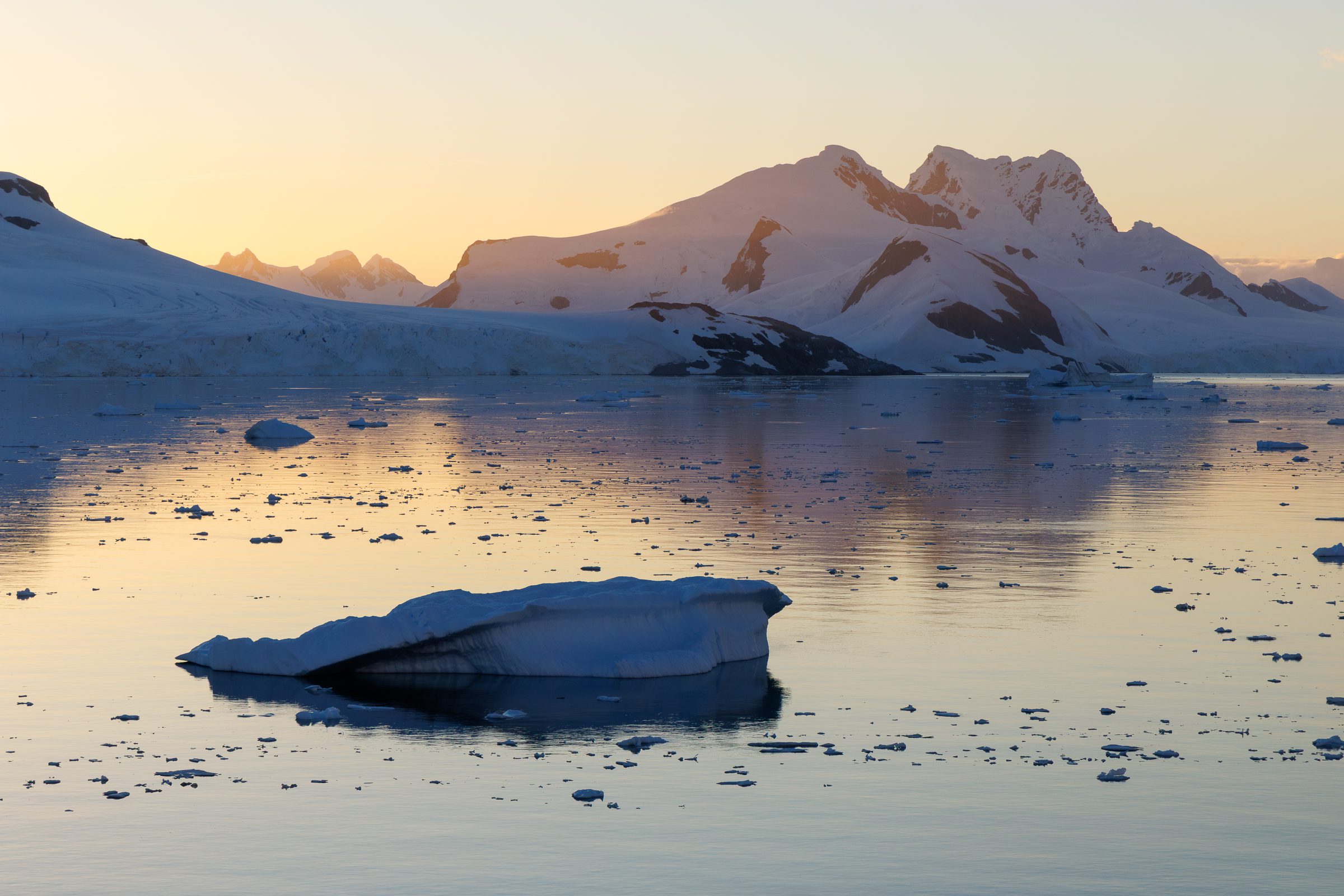
One early morning, we sailed into the Lemaire Channel and were treated to some incredible light. Even though there was not a puff of clouds to be seen, we still got an amazing show.
The Unbelievable Mood And Atmosphere Of The Antarctic
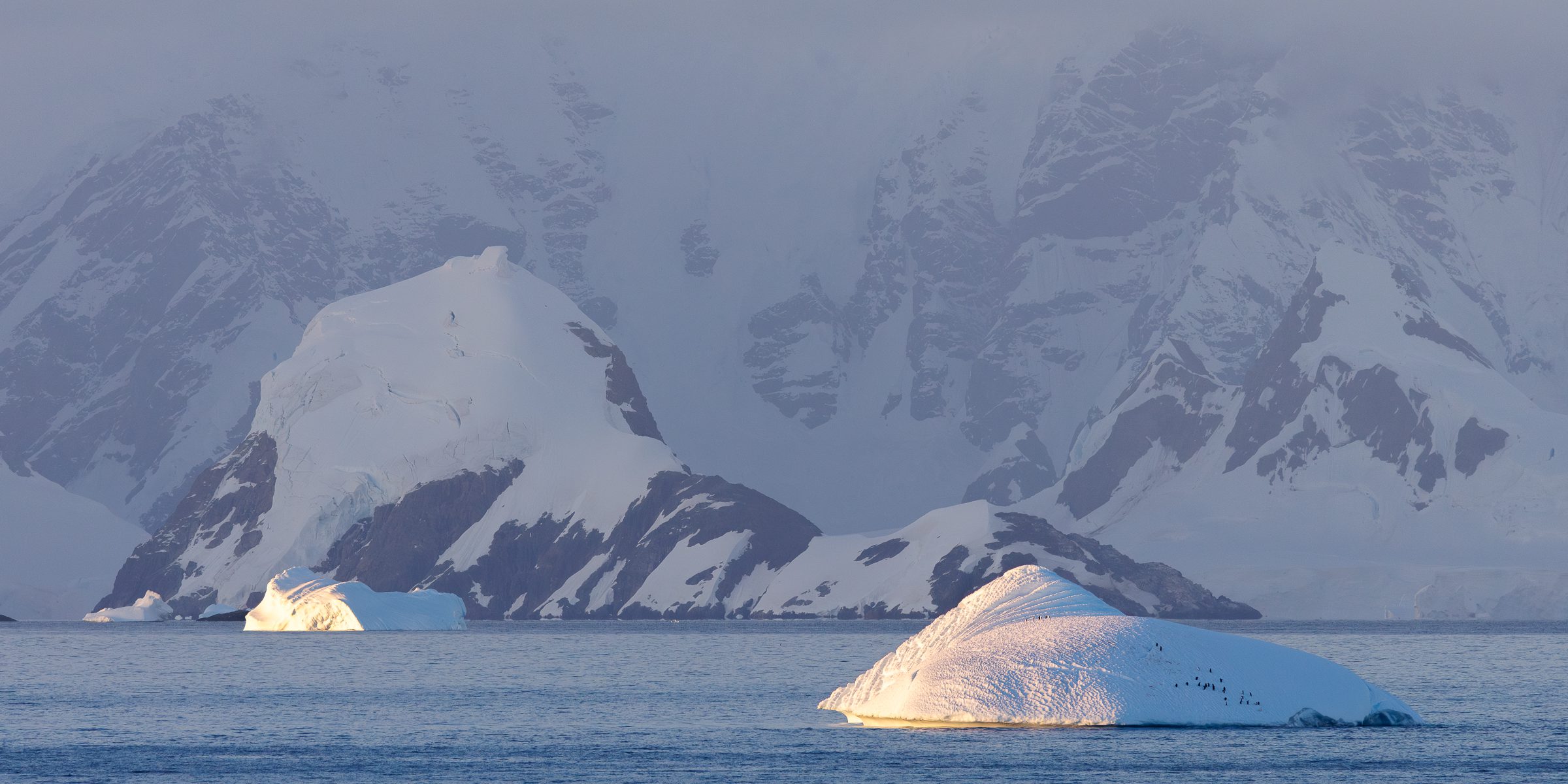
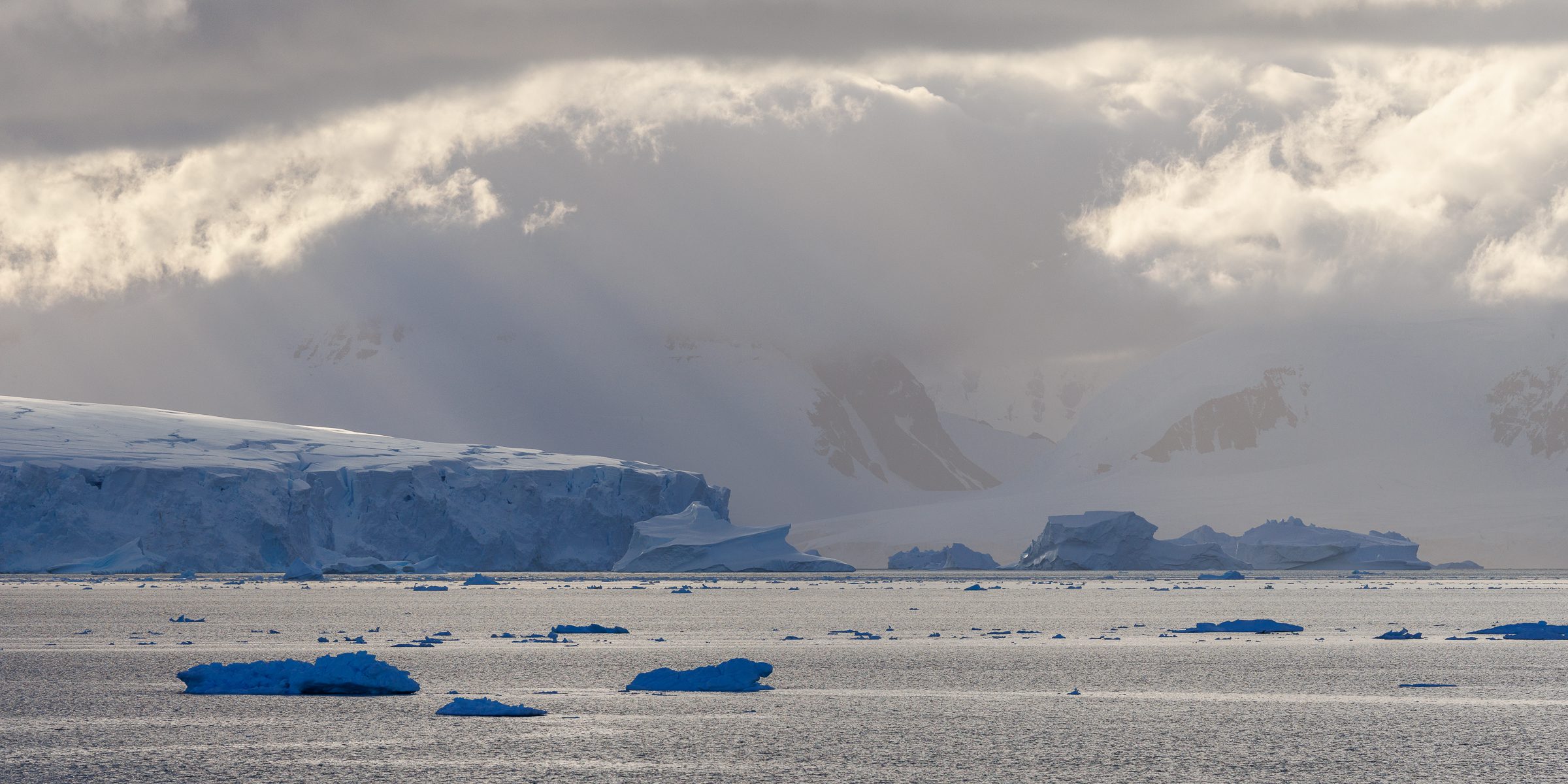
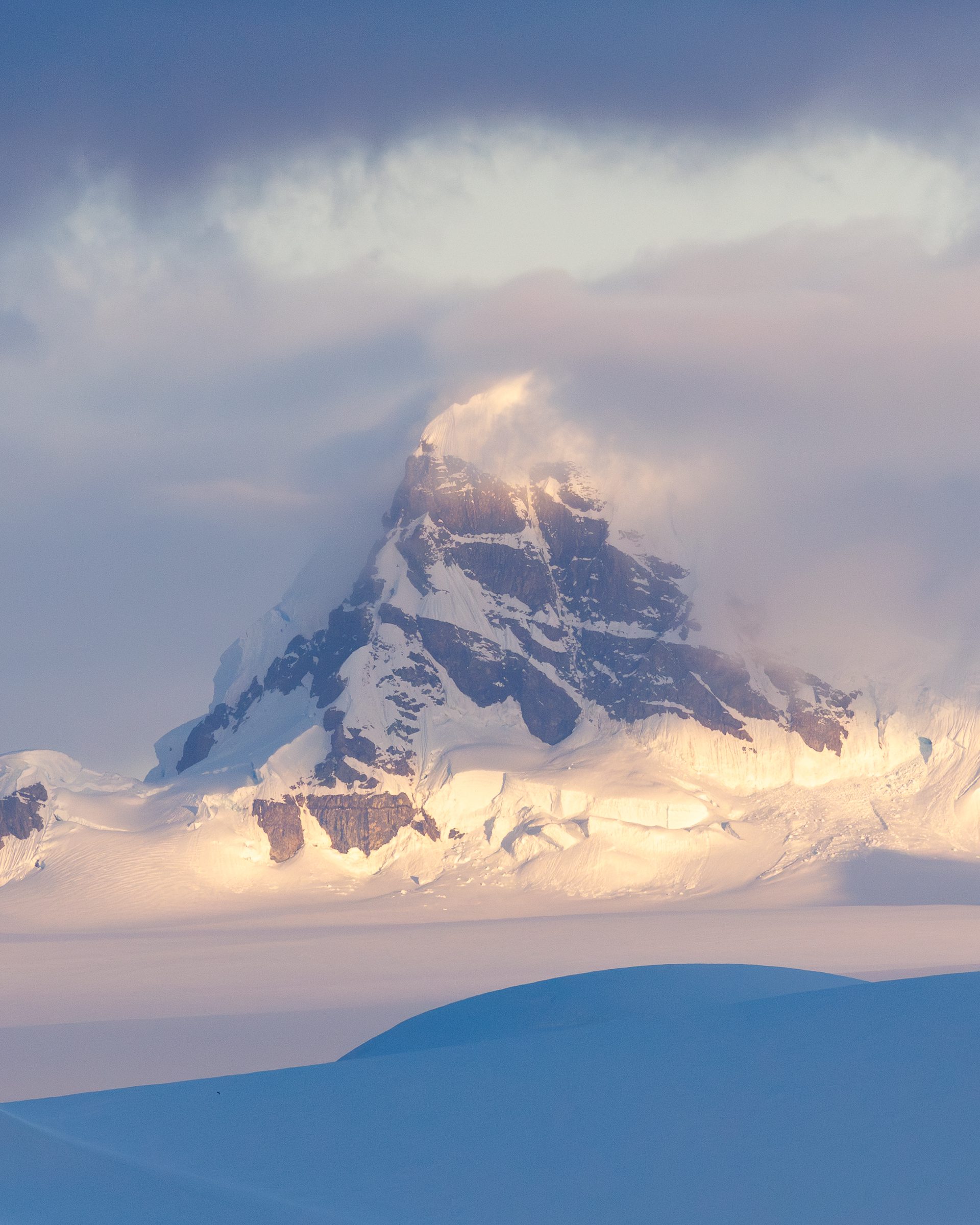
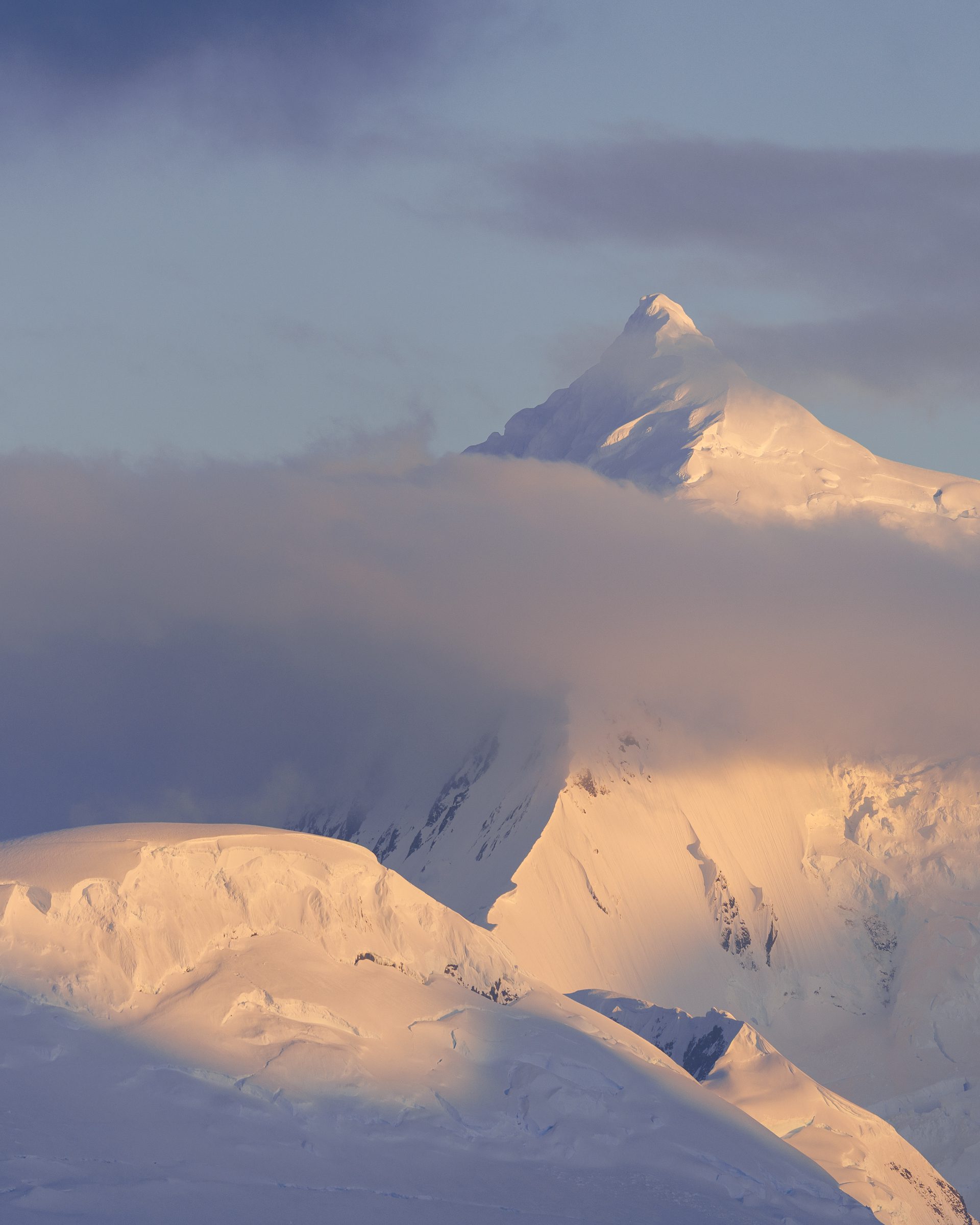
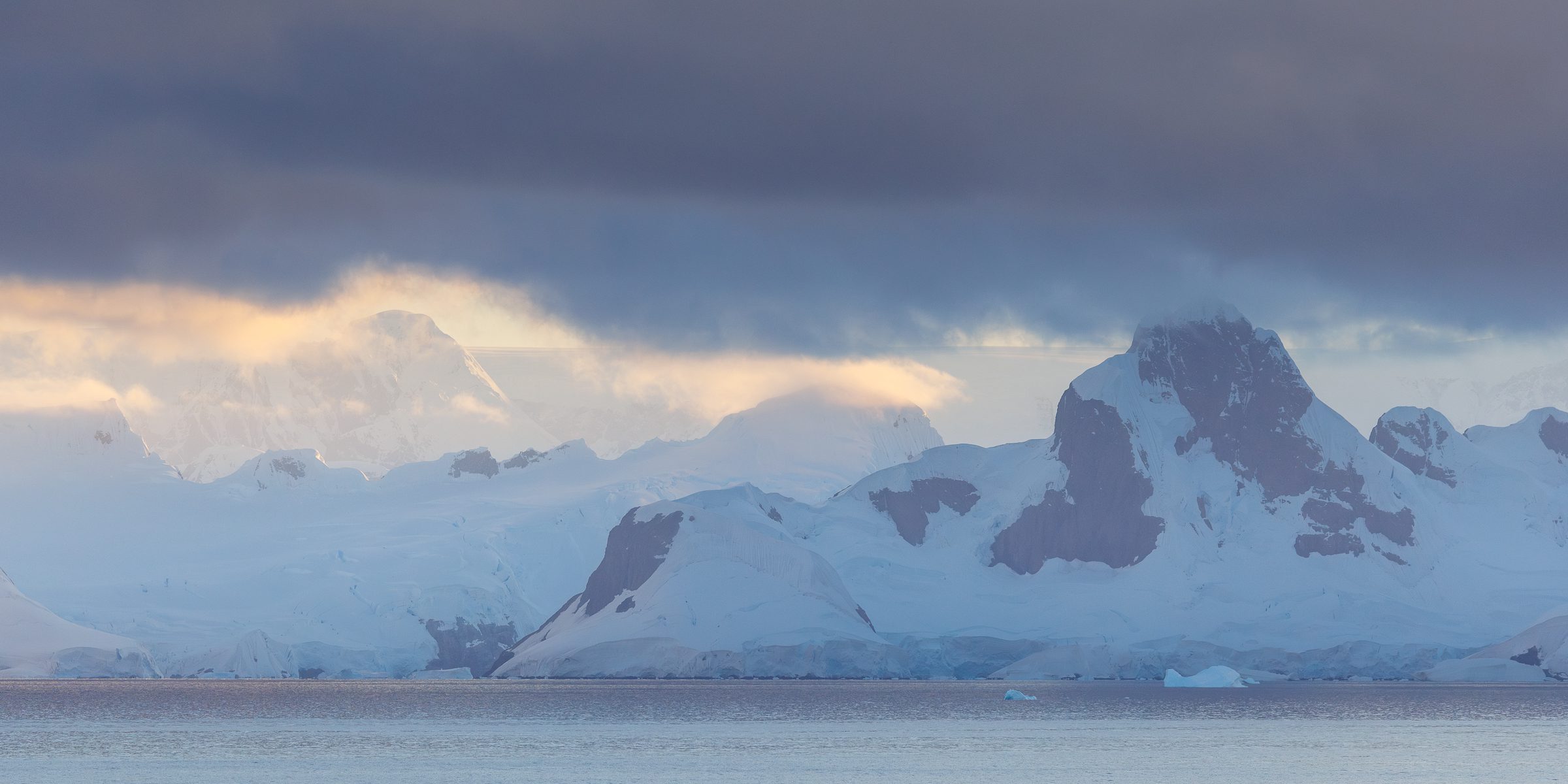
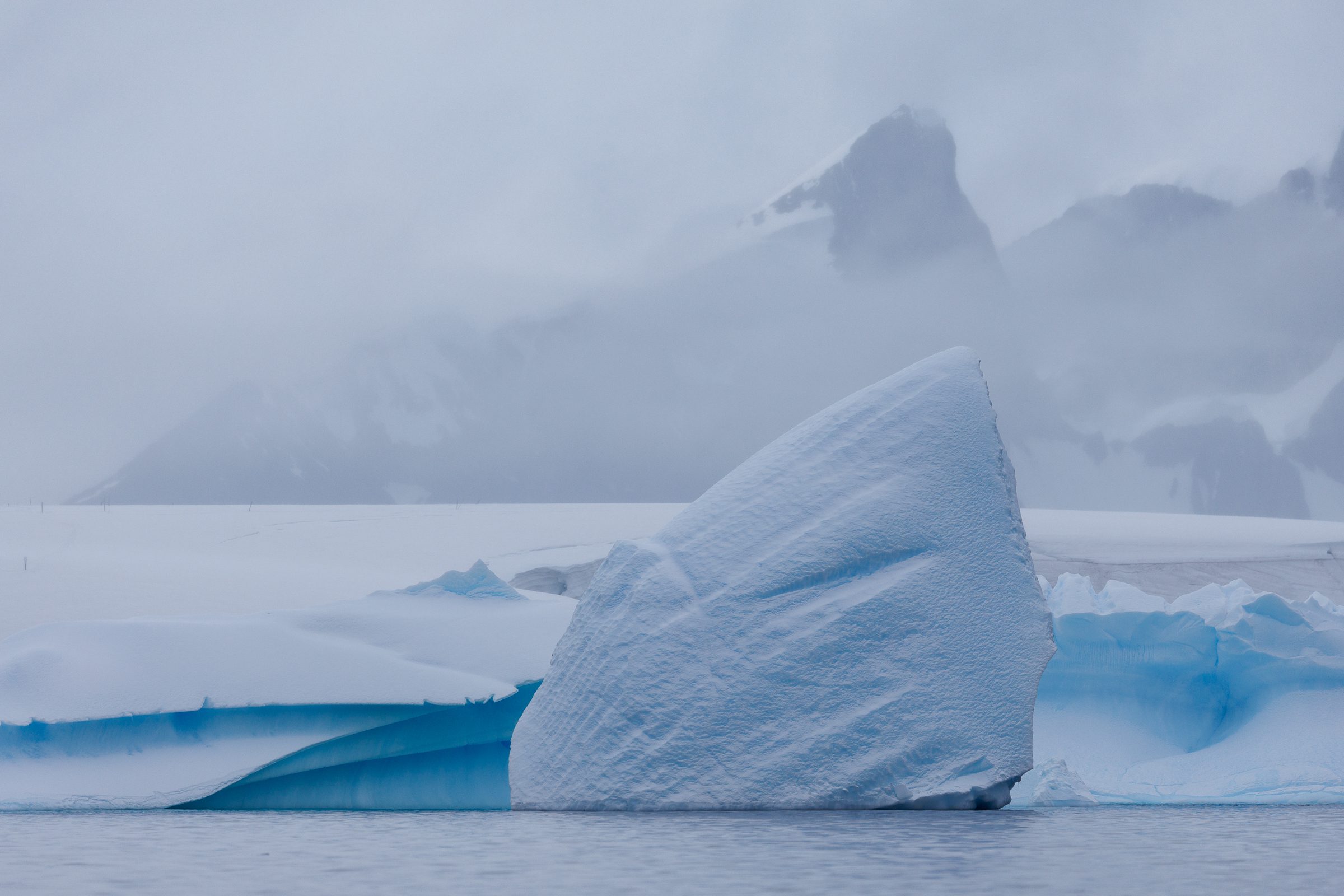
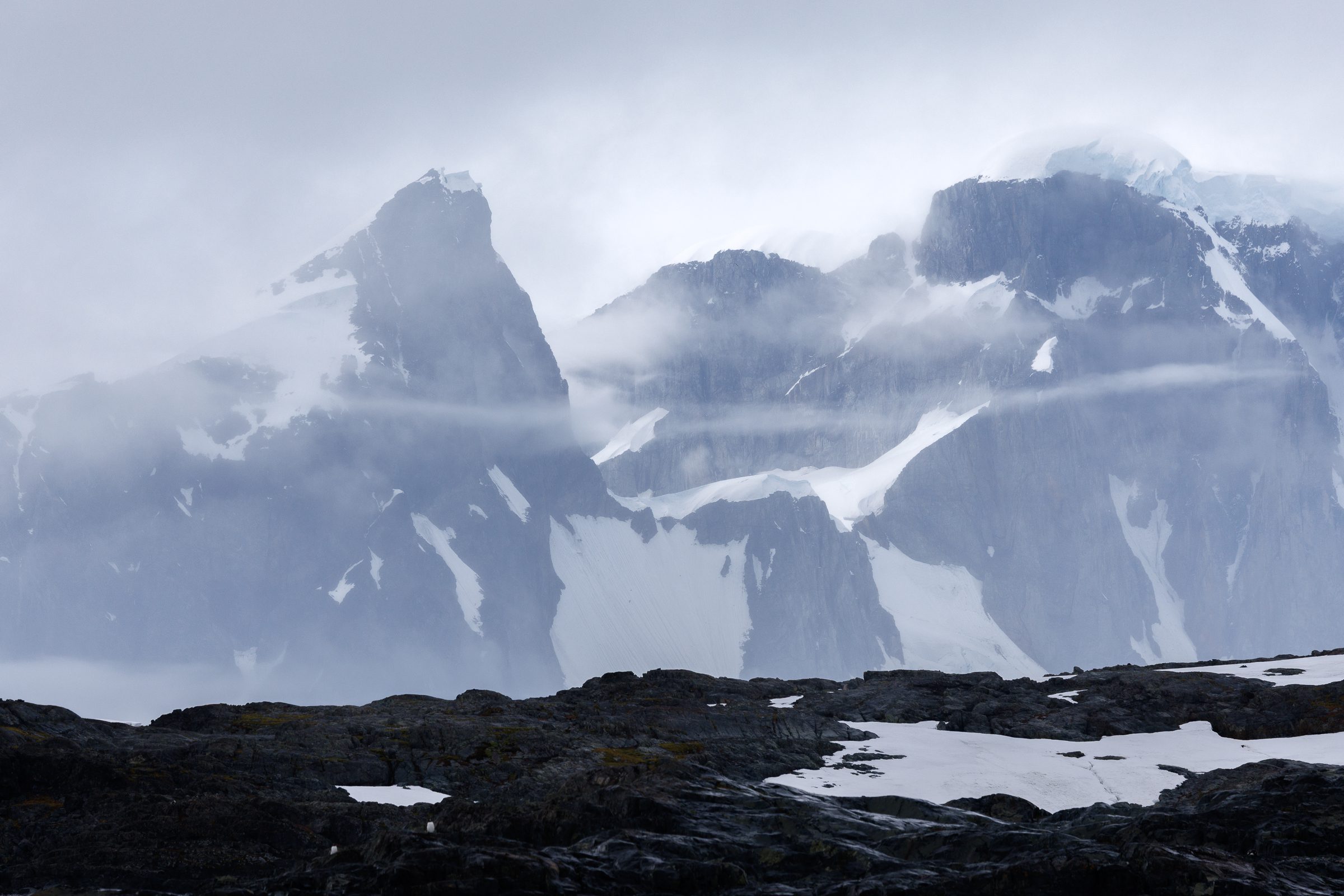
One thing that I love more than anything, and much more than any sunrise/sunset, is a good bit of mood combined with dramatic peaks. I absolutely love atmospheric weather conditions which include fog, low clouds, dark clouds, … Anything that could deliver a good bit of drama to an image. And Antarctica has no shortage of that. In fact, most of the time, that is exactly what it looks like. Towering peaks engulfed by clouds, light haze veiling the distant glaciers, … We had a few days like this and therefore I just had to dedicate one section to these kind of conditions. Again, I will let the images do all the heavy lifting here. I truly love these kind of conditions.
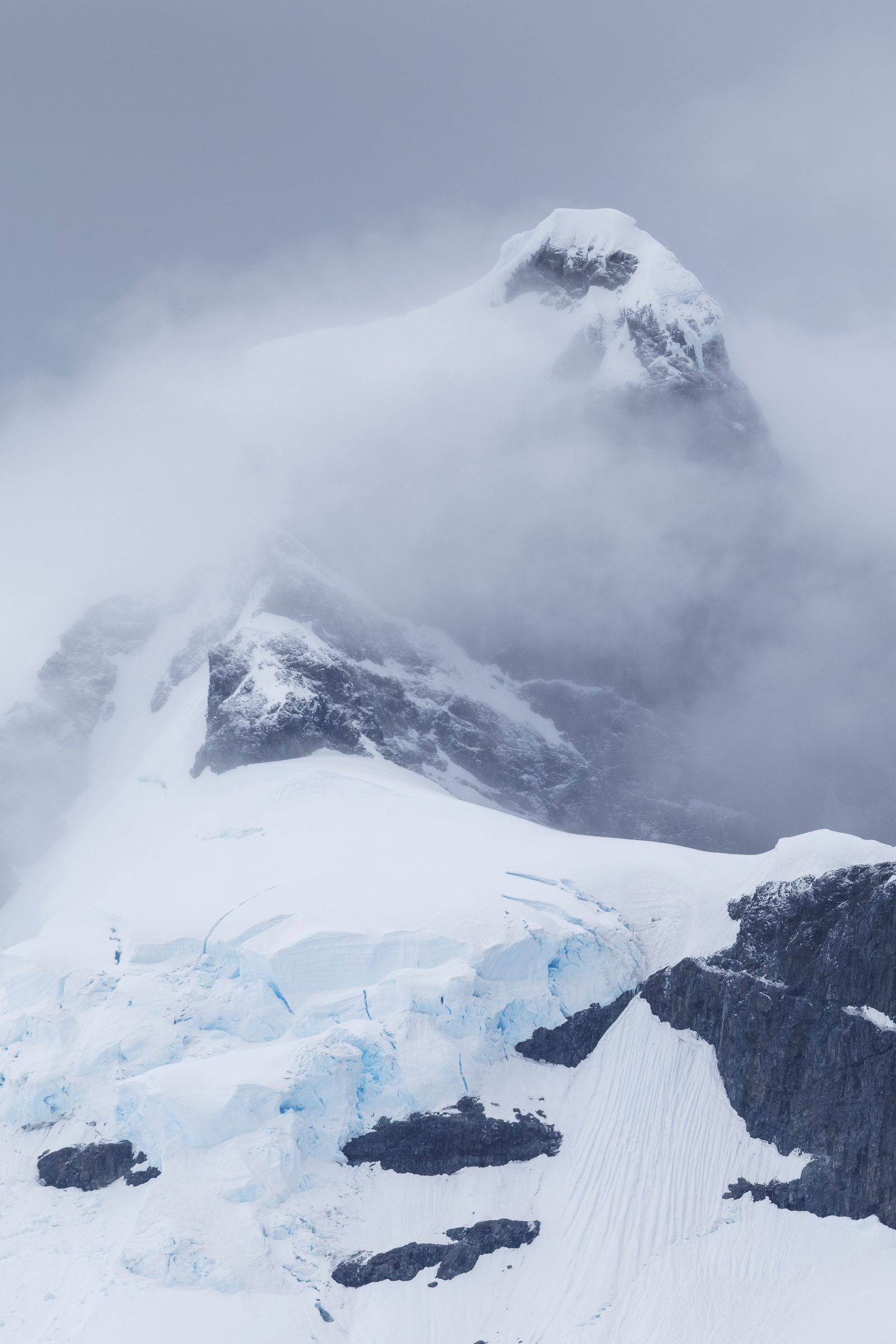
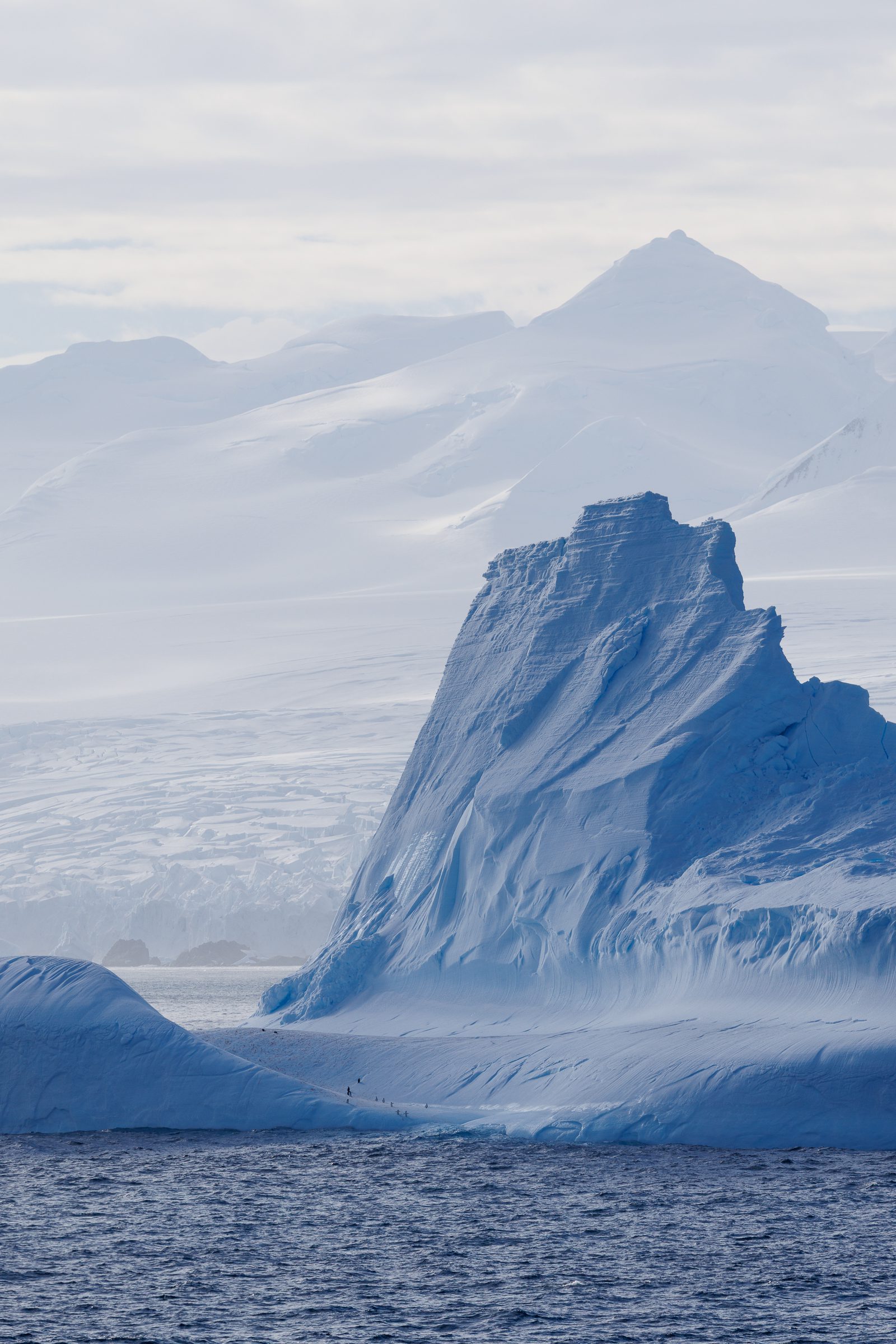
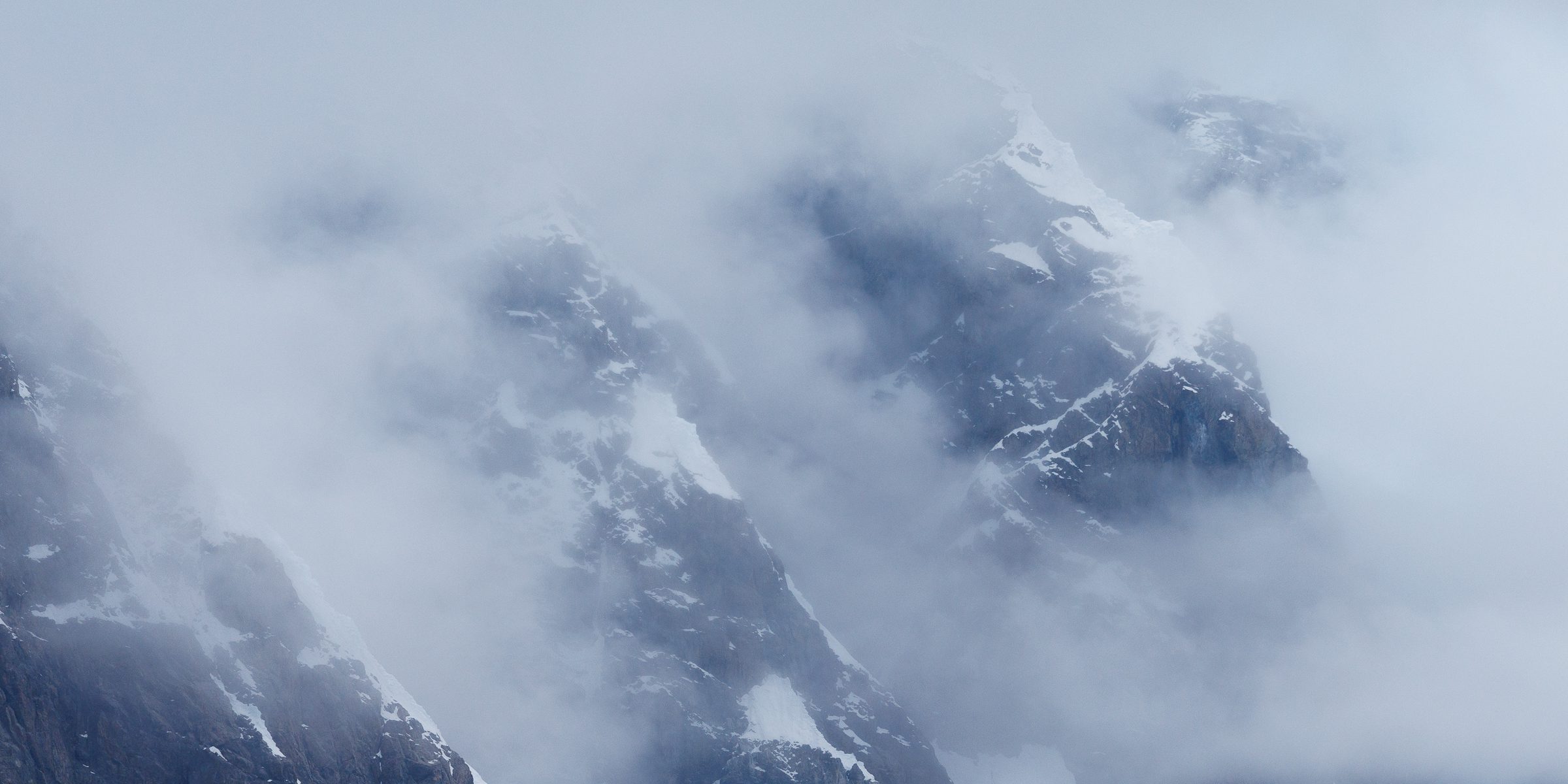
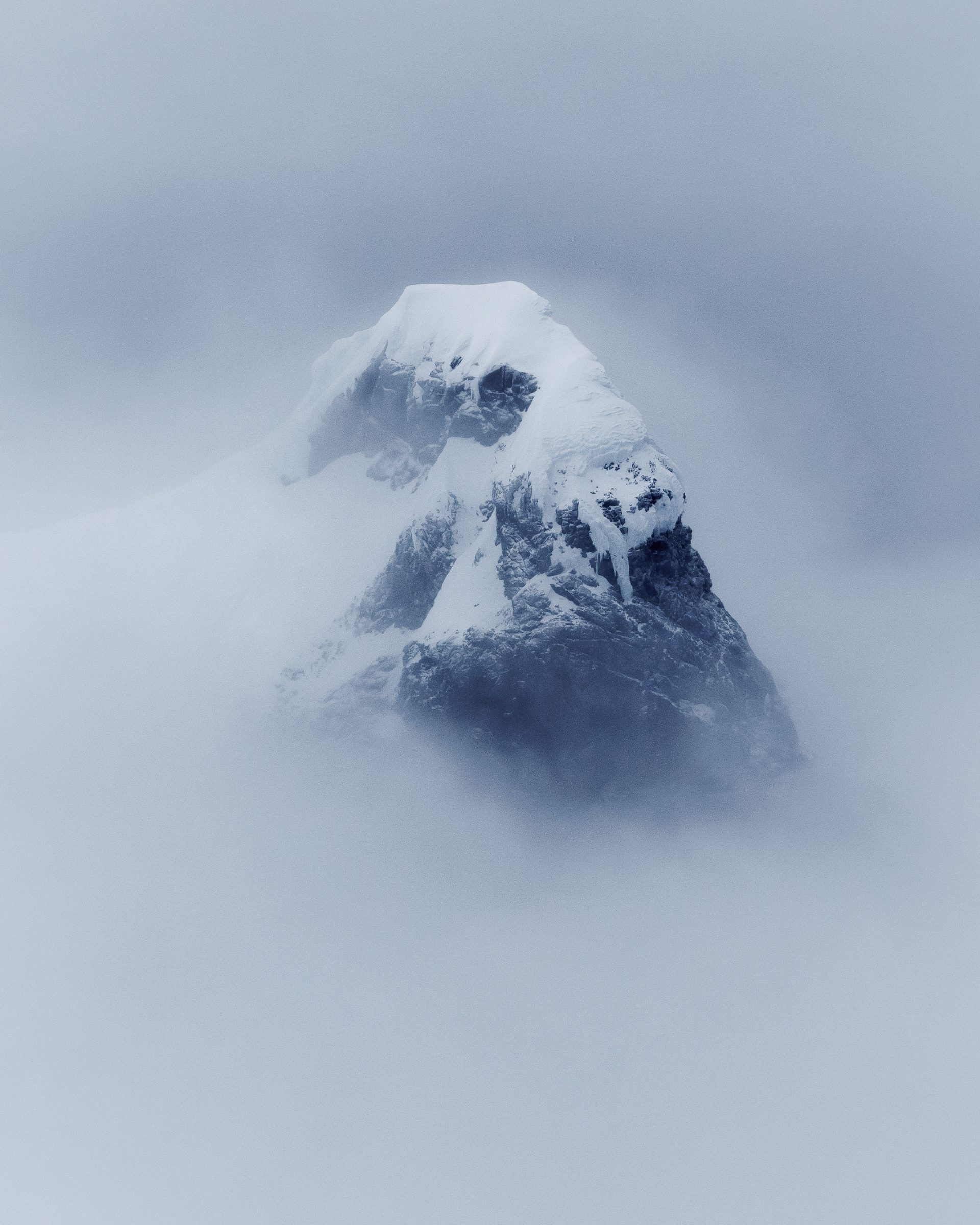
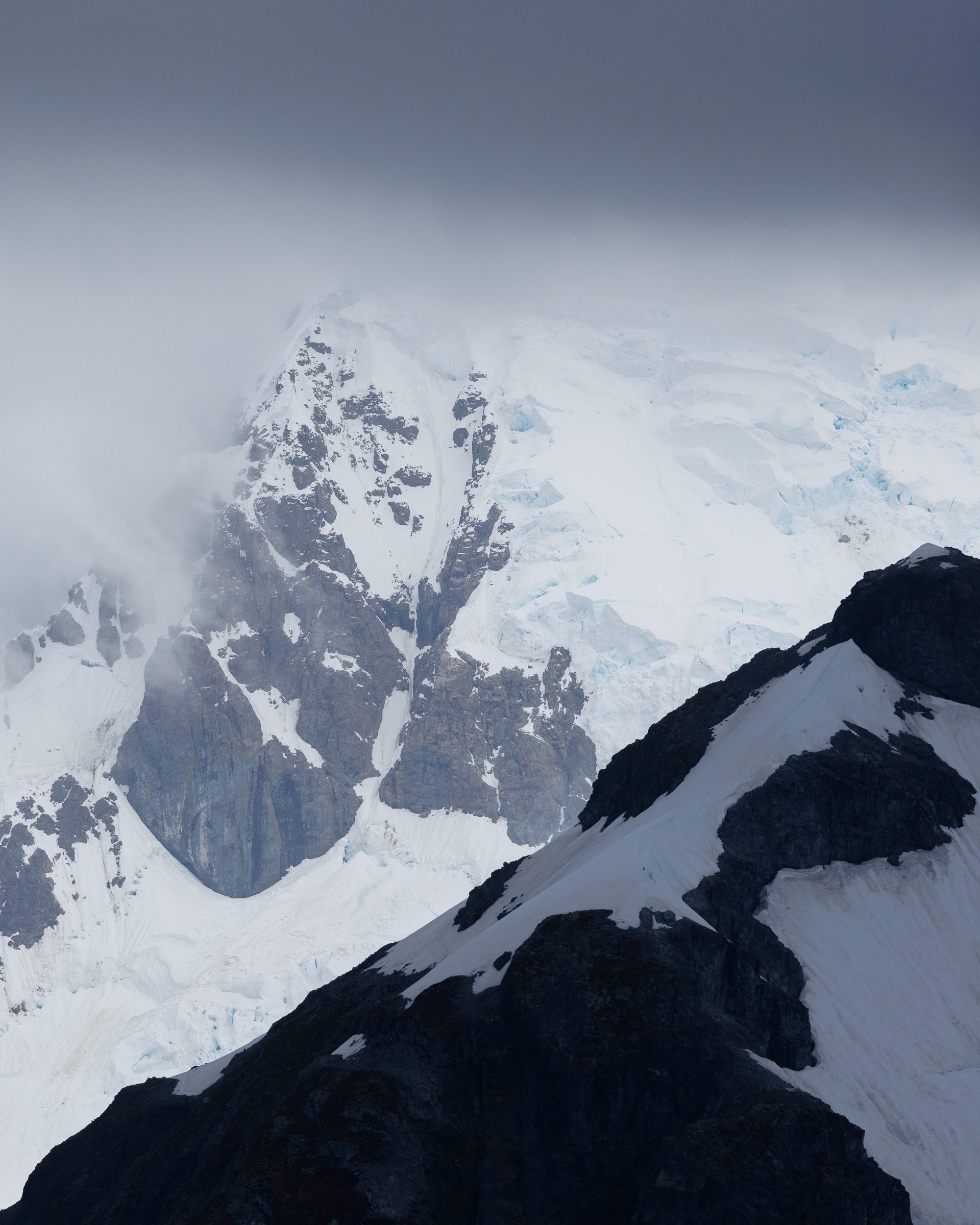
One of the most interesting mornings was on day 3 when things started out rather moody, with little hope for a proper sunrise, but then a gap appeared with sunrise colors. To me, a great combination between mood and colors.
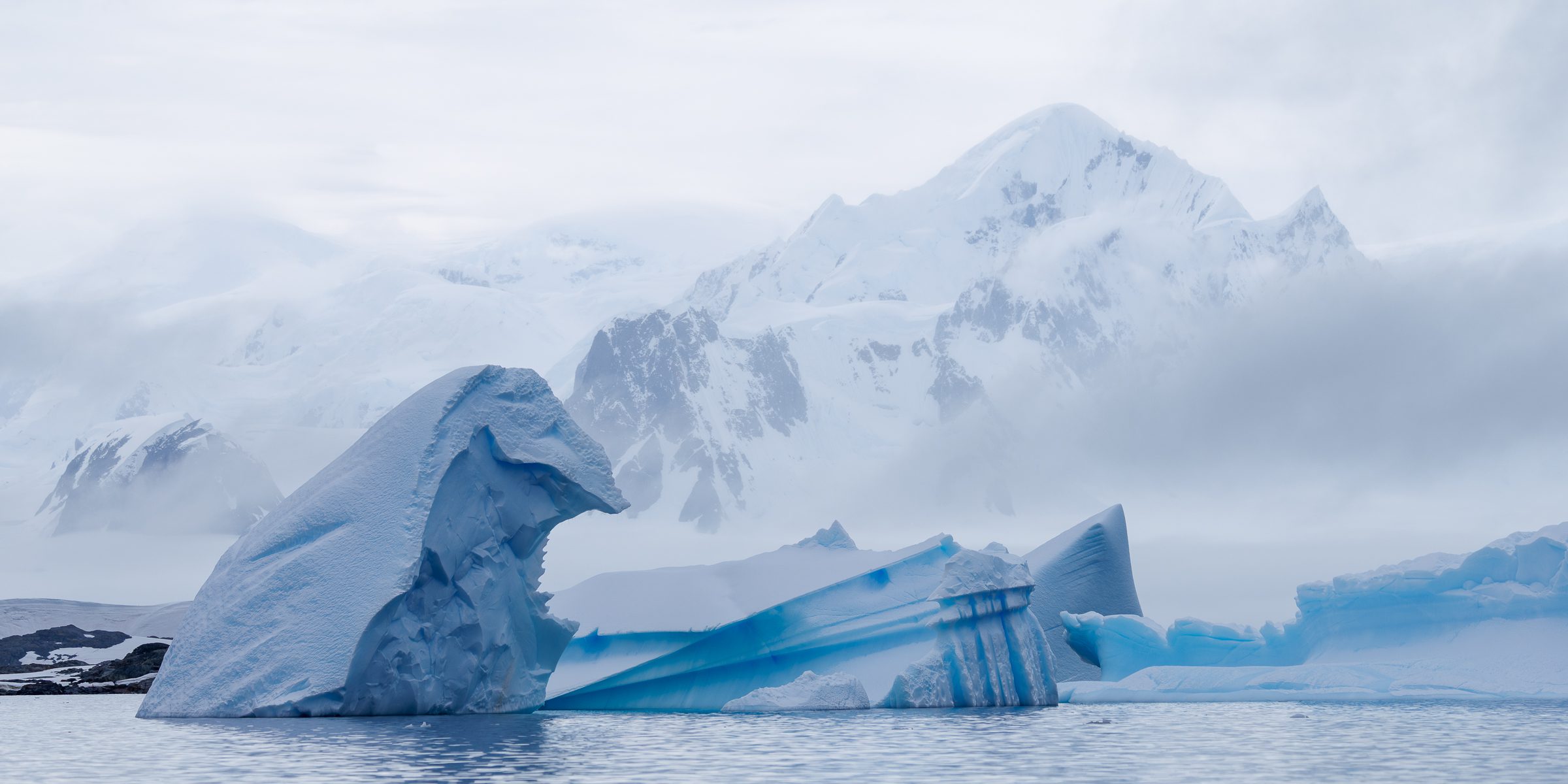
Whilst being on a zodiac cruise near the Ukrainian Vernadsky research station, the clouds began lifting and created a beautiful foggy atmosphere. Fortunately, we were quick to find some interesting icebergs to complement the mountains in the back.
The Final Landing: Cuverville Island
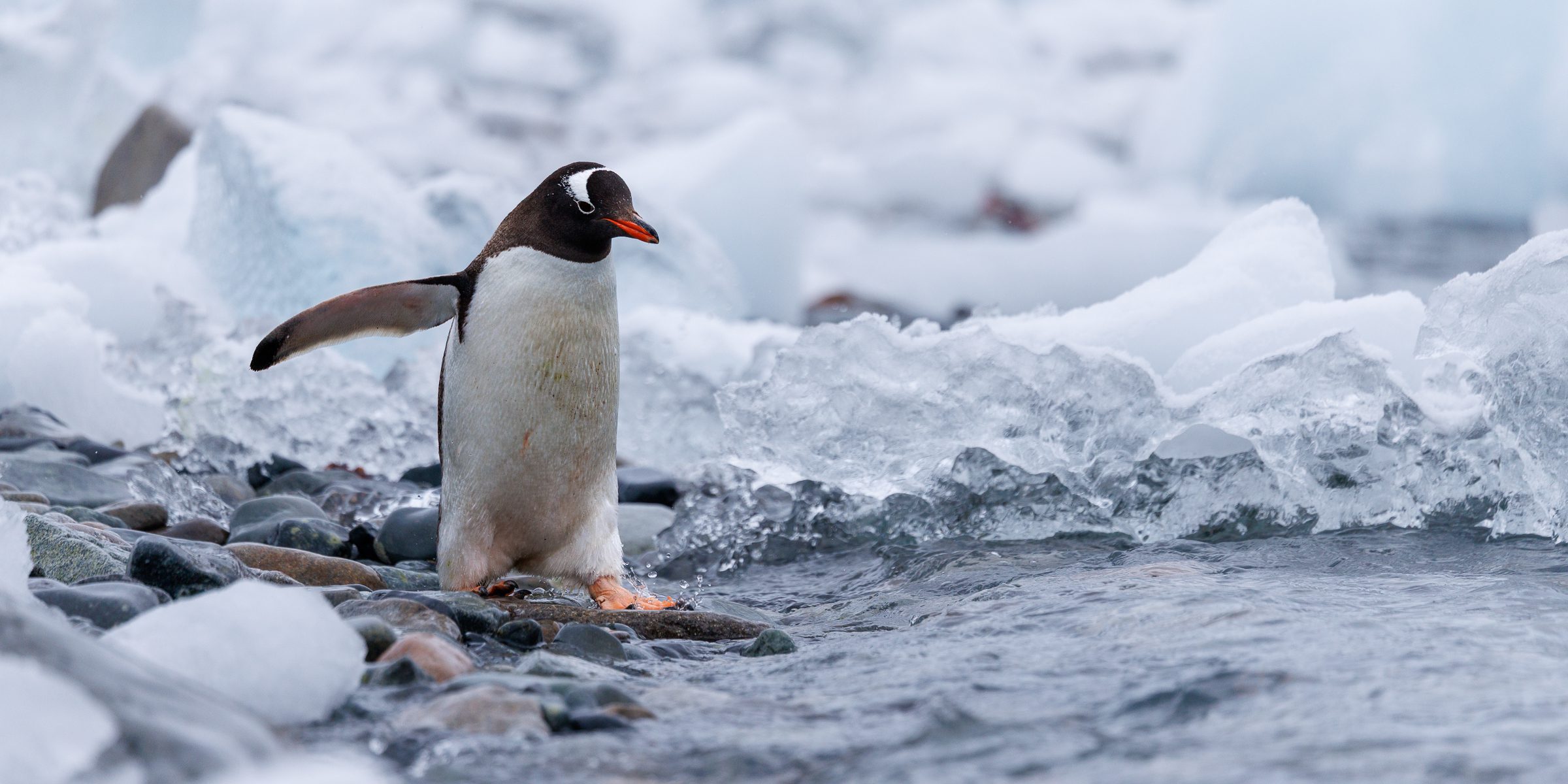
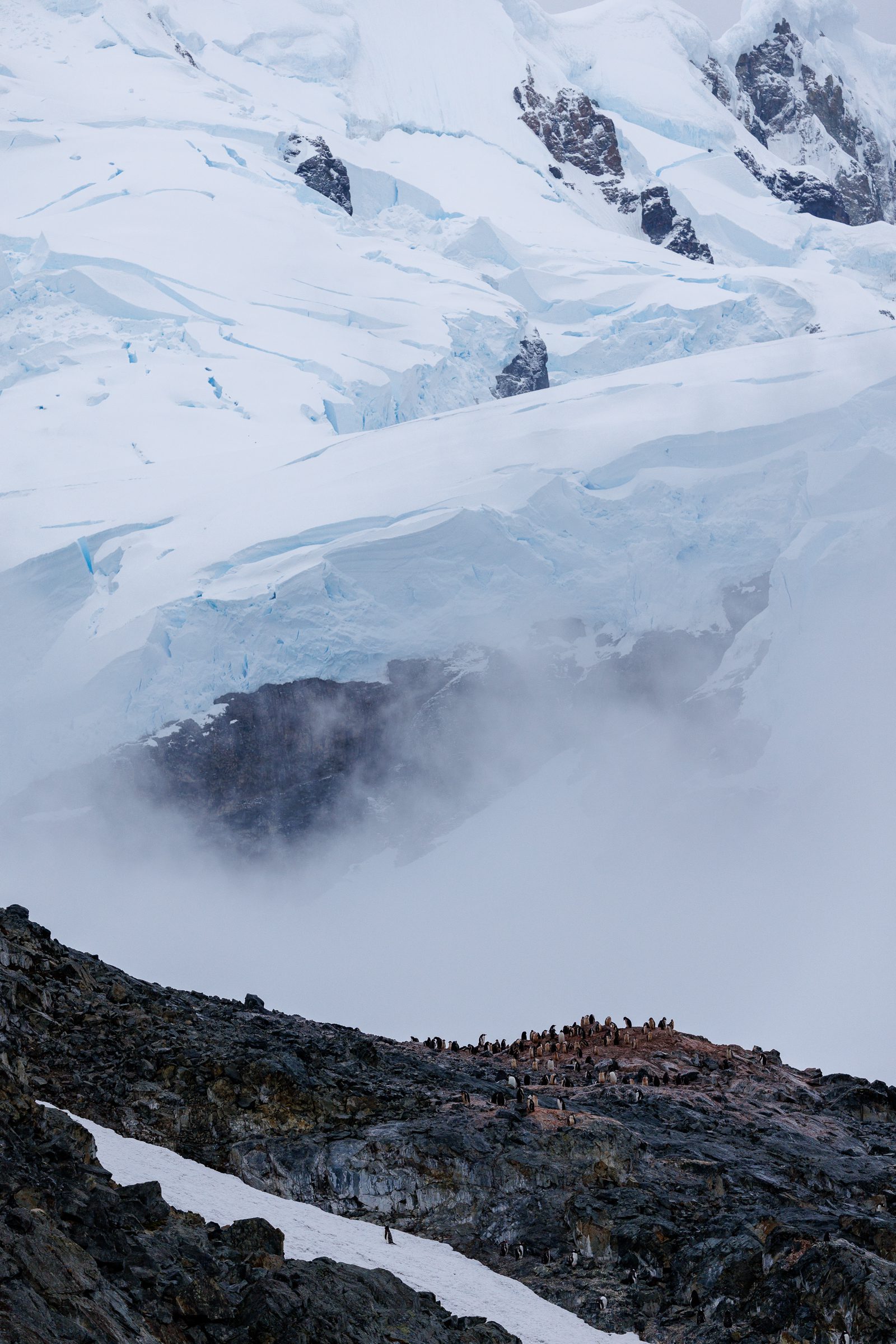
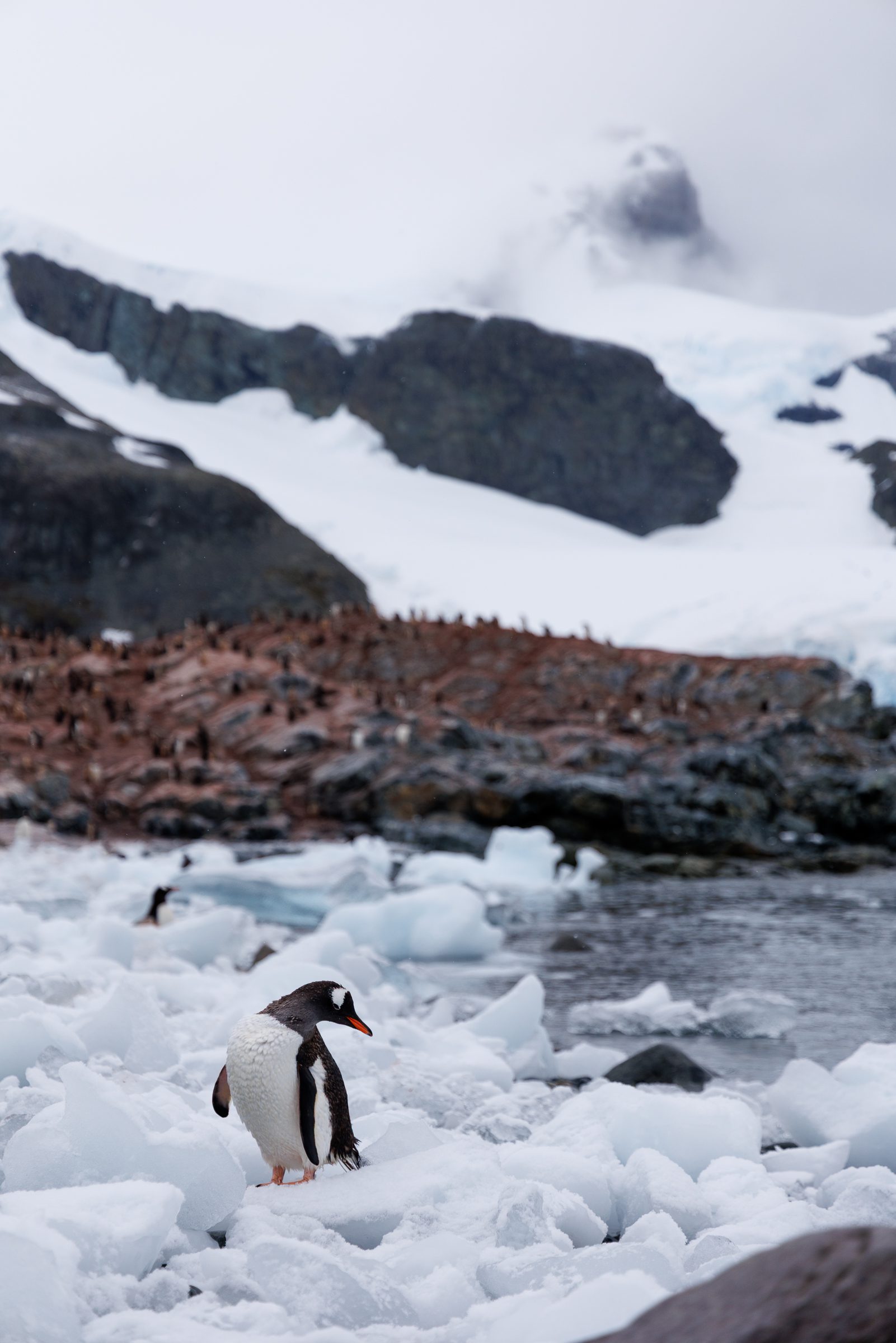
Not long after the epic orca encounter, we arrived at our final landing site: Cuverville Island. While it was snowing heavily during the orca encounter, the clouds began lifting as we arrived and the most epic surroundings sort of popped up out of nowhere with thin bands of clouds veiling the peaks. The surroundings looked absolutely gorgeous and I was out on deck as long as I could just to take it all in. And despite that, the landing at Cuverville was beyond anything anyone had expected. As we arrived on shore on our zodiac, it became clear that there were a lot of gentoo penguins around: in the water, on the beaches, in the rookeries, … It was an absolute penguin feast. Add those incredible surroundings to it, and you can understand how every single person was walking around with the biggest smile on their face.
There was so much to photograph in this location! Whether you were into the grander landscape shot or the intimite portrait shot, there was something to be had for everyone and the surroundings really added a lot to it. One of my favourite sections was the northern area where the gentoo’s jumped into the water between blocks of glacial ice stranded on the beach. But also, and I probably wasted too much time on it, it was possible to photograph gentoo penguins swimming underwater along the shoreline (thanks again to Max for borrowing me his polariser as I left mine on the ship that morning).
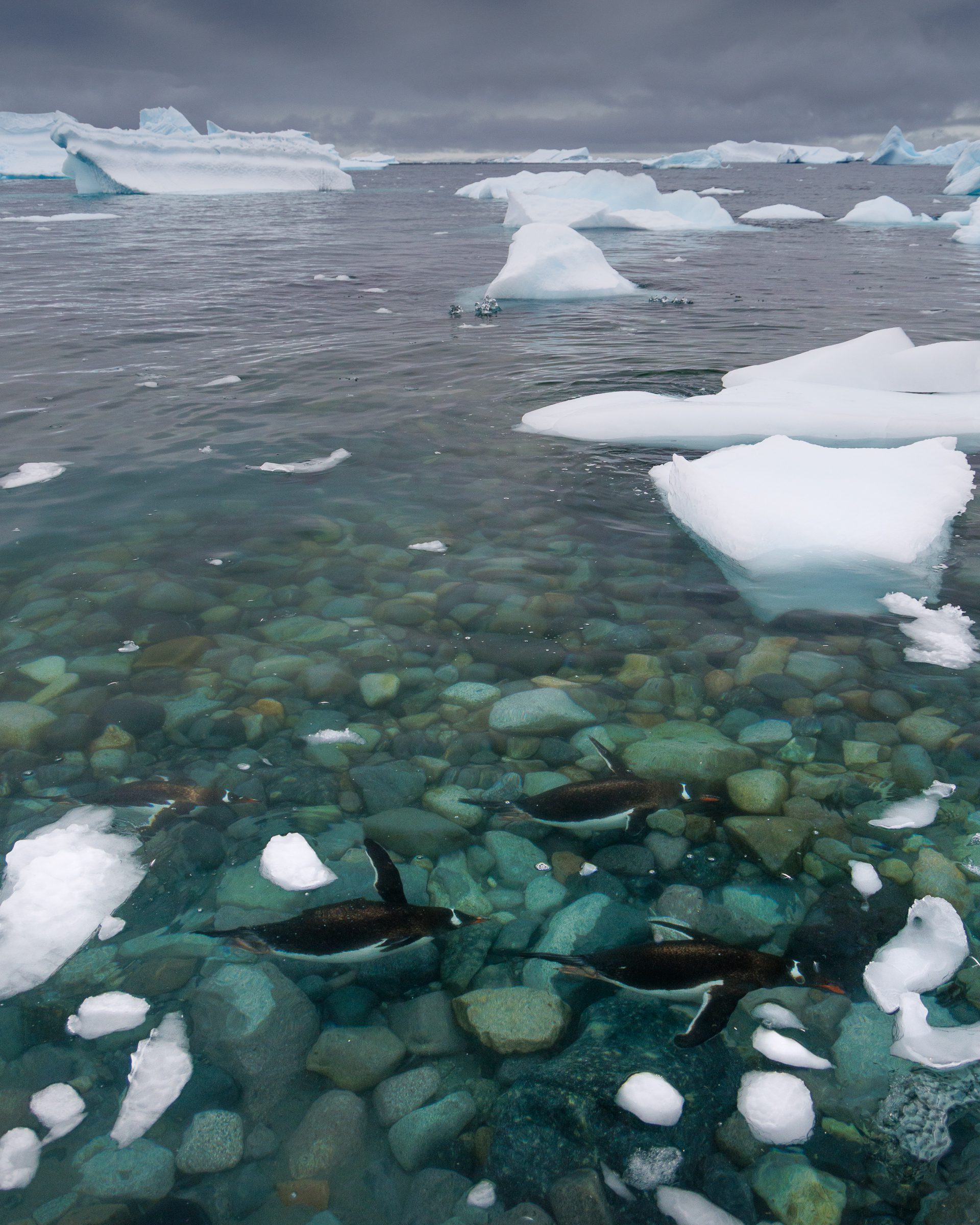
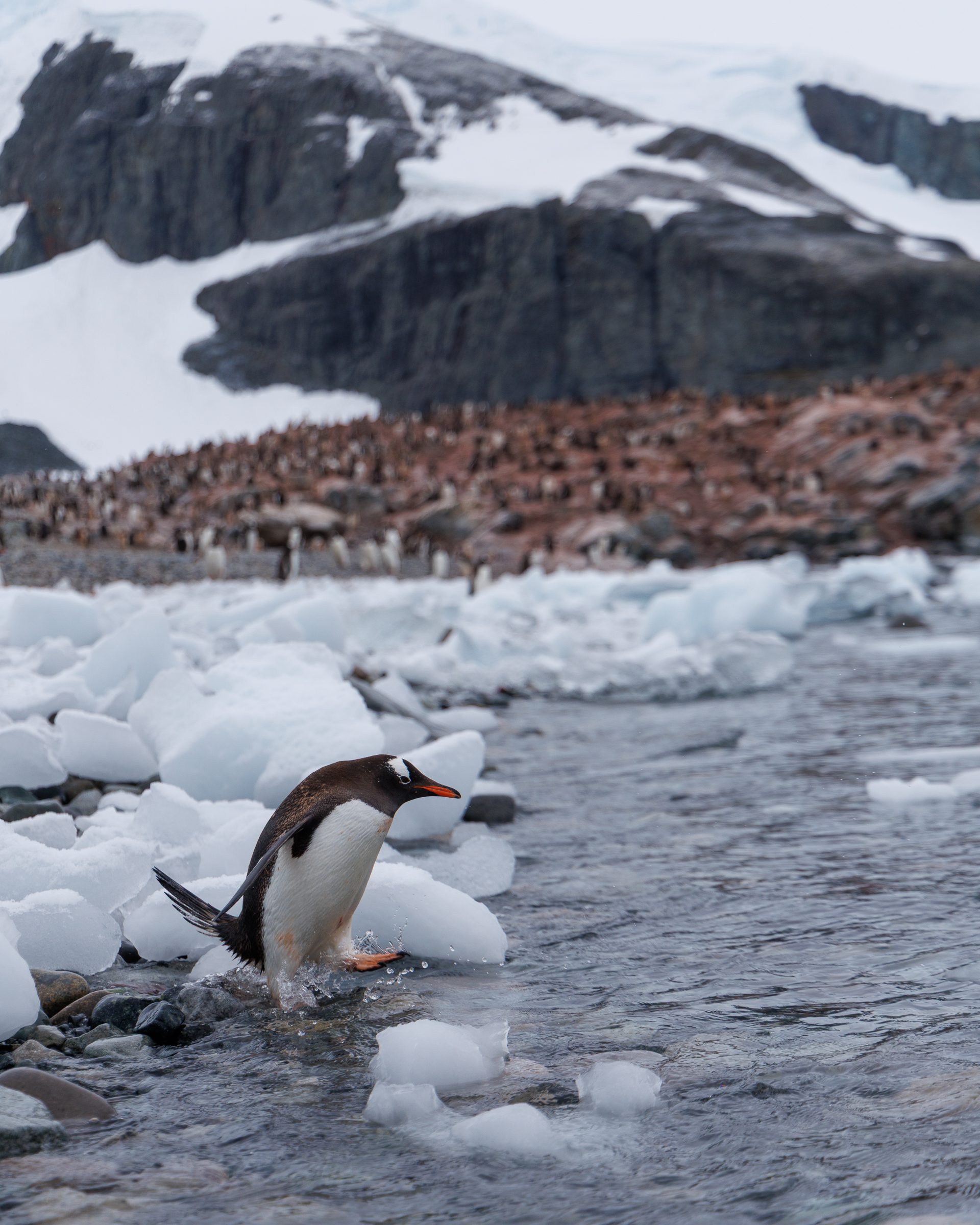
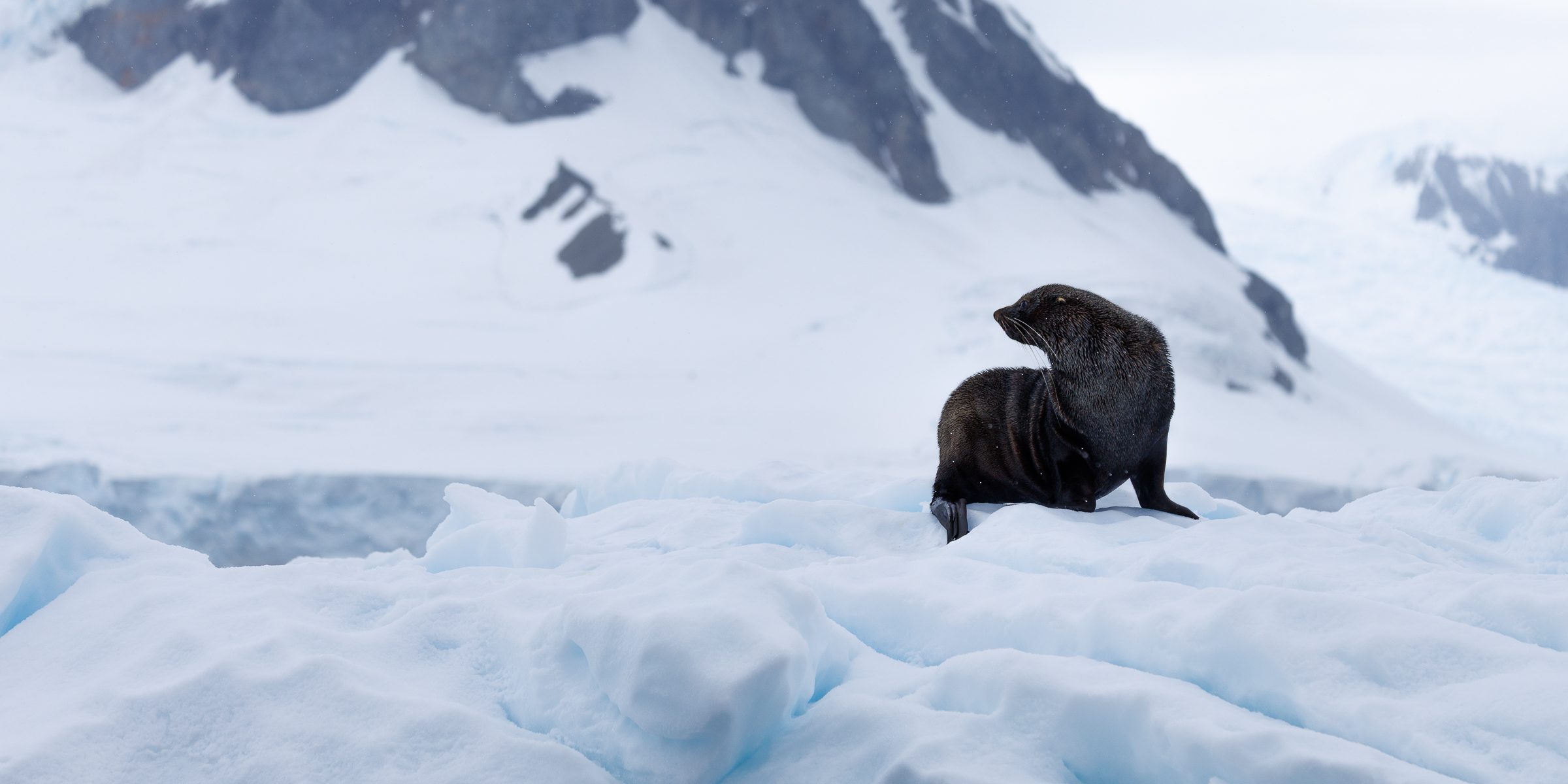
On the way back to the ship, we also had a surprise encounter with an Antarctic Fur Seal who was relaxing on a small iceberg near the ship. Definitely a worthy ending to an awesome landing!
The Expected, Yet Unexpected, Journey Across The Drake Passage
As mentioned, our landing at Cuverville was unfortunately our last one because a storm was brewing… The long-term forecasts for our crossing back over the infamous Drake Passage were becoming grimmer by the day, which forced our expedition leader to make the decision to head back to South America early. Better safe than sorry! As we left that Sunday afternoon, Rick very aptly said: “Imagine, we won’t be home until 7 days from now!”. Yes, as we left Antarctica, it dawned on us that it would take us exactly 7 days before we would reach home again. Perhaps not the mood-lifter we needed!
Almost immediately as we left the Antarctic Peninsula behind for open water, the swells began. Initially the swells were fairly ok but towards the end of the crossing we reached 6 meter swells. And even though many on the ship were absolutely wrecked by that movement, it was still only rated a 3/10 as an overall crossing of the Drake. Yikes! However, those of us photography leads who were not sea sick (yours truly included), entertained the guests with lectures, photo editing and more.
After the dramatic seas of the Drake Passage, we entered the Beagle Channel for our last stretch of the journey. Soon after, we were greeted by a large pod of dolphins entertaining us. For almost two hours, the dolphins swam around the ship jumping out of the water, performing backflips and all sorts. It was almost as if you were watching an orchestrated acrobatic show in an aquarium. It was amazing to see them (seemingly) having so much fun! Almost immediately, people had forgotten about the big swells on the Drake. That evening, we finally began seeing signs of civilisation with our final destination, Ushuaia (Argentina) in front of us, where we disembarked our ship after 3,5 days and began the rest of the journey home.
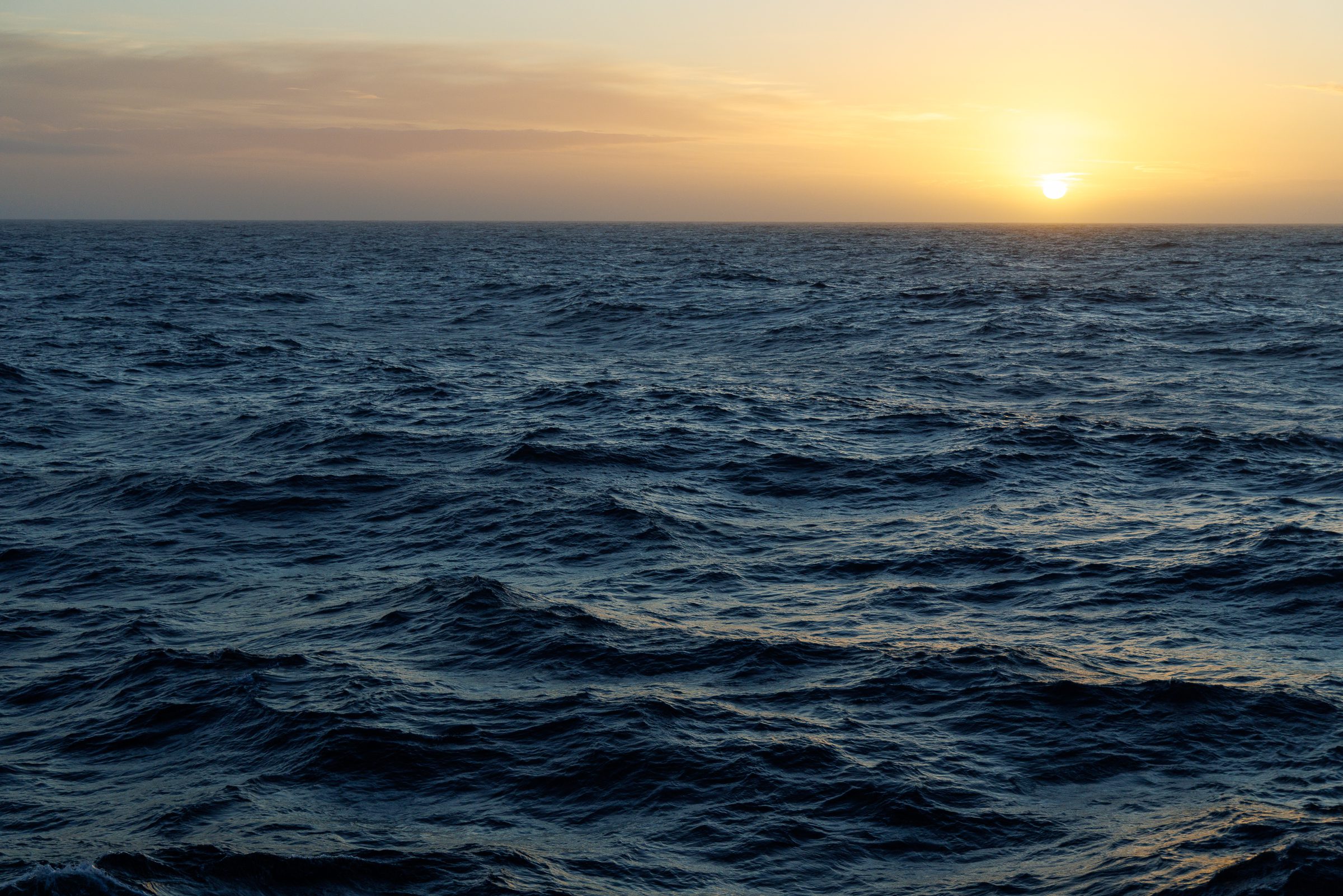
The infamous Drake Passage is one of the most dangerous bodies of water to cross. Don’t let this image deceive you. While it looks peaceful, these are actually 4-5 meter swells surrounding the ship.
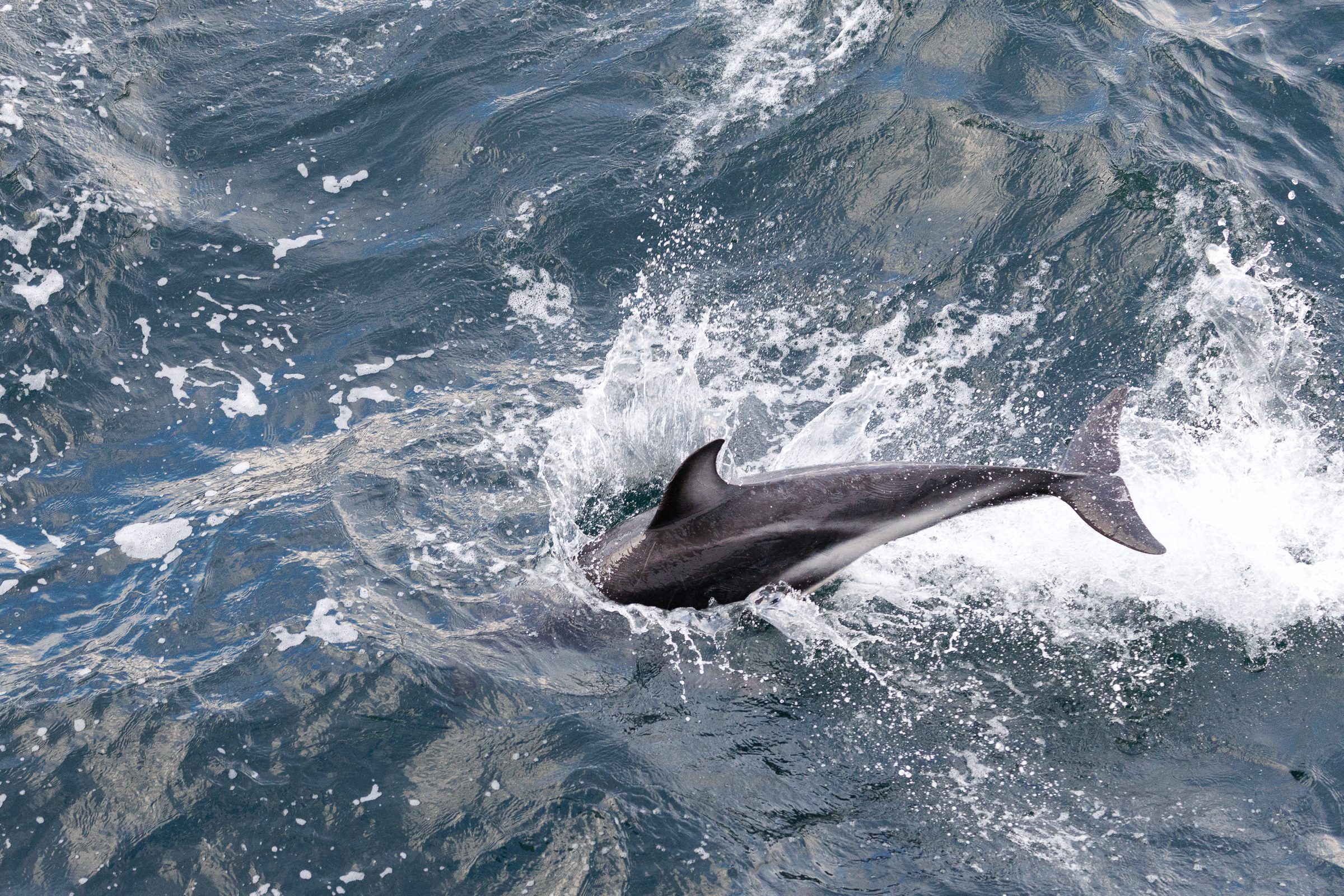
When entering the Beagle Channel, on our last stretch to Ushuaia, we were surrounded by a huge pod of dolphins.
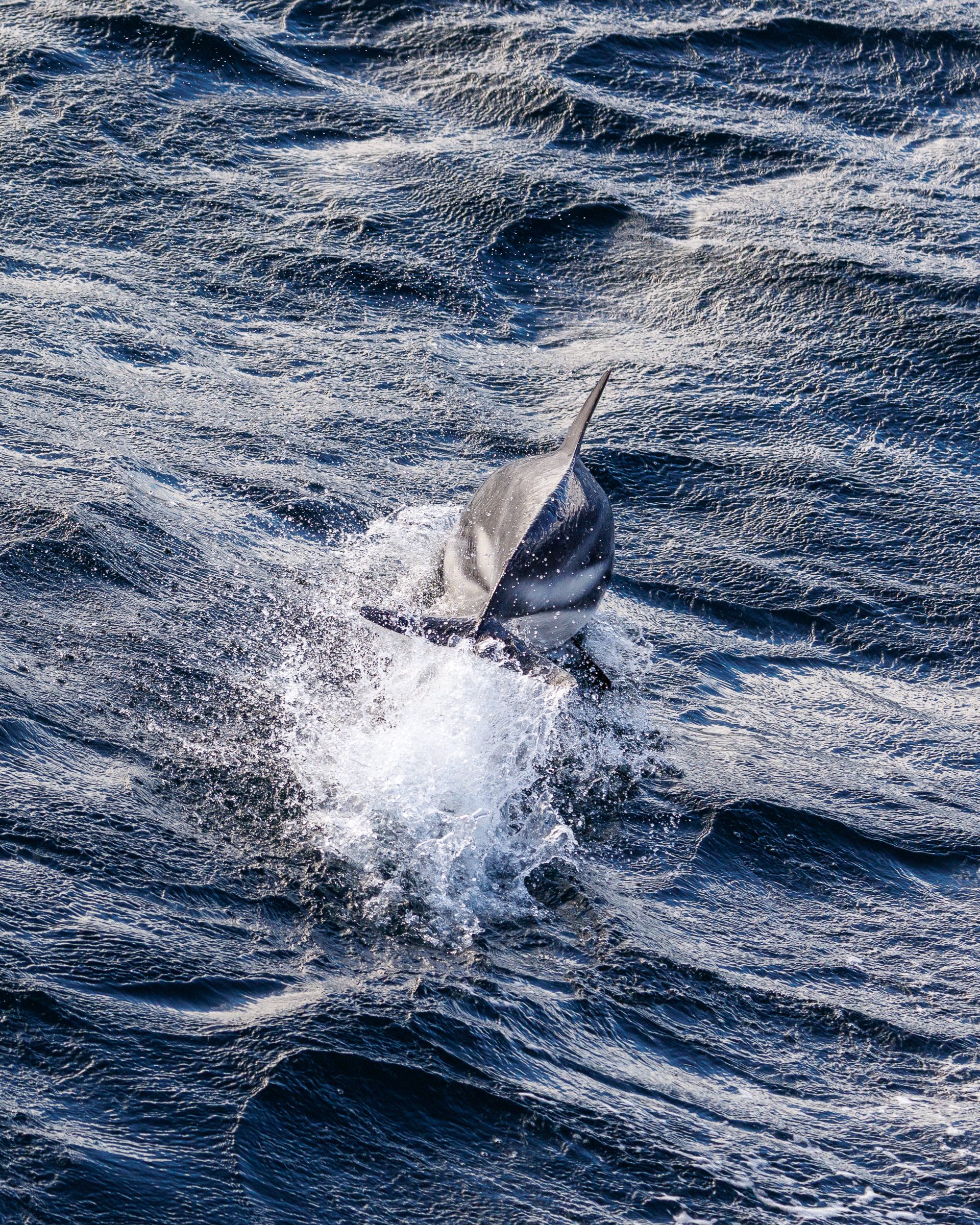
For almost two hours, the dolphins surrounded the ship and performed all kinds of crazy acrobatics for us.
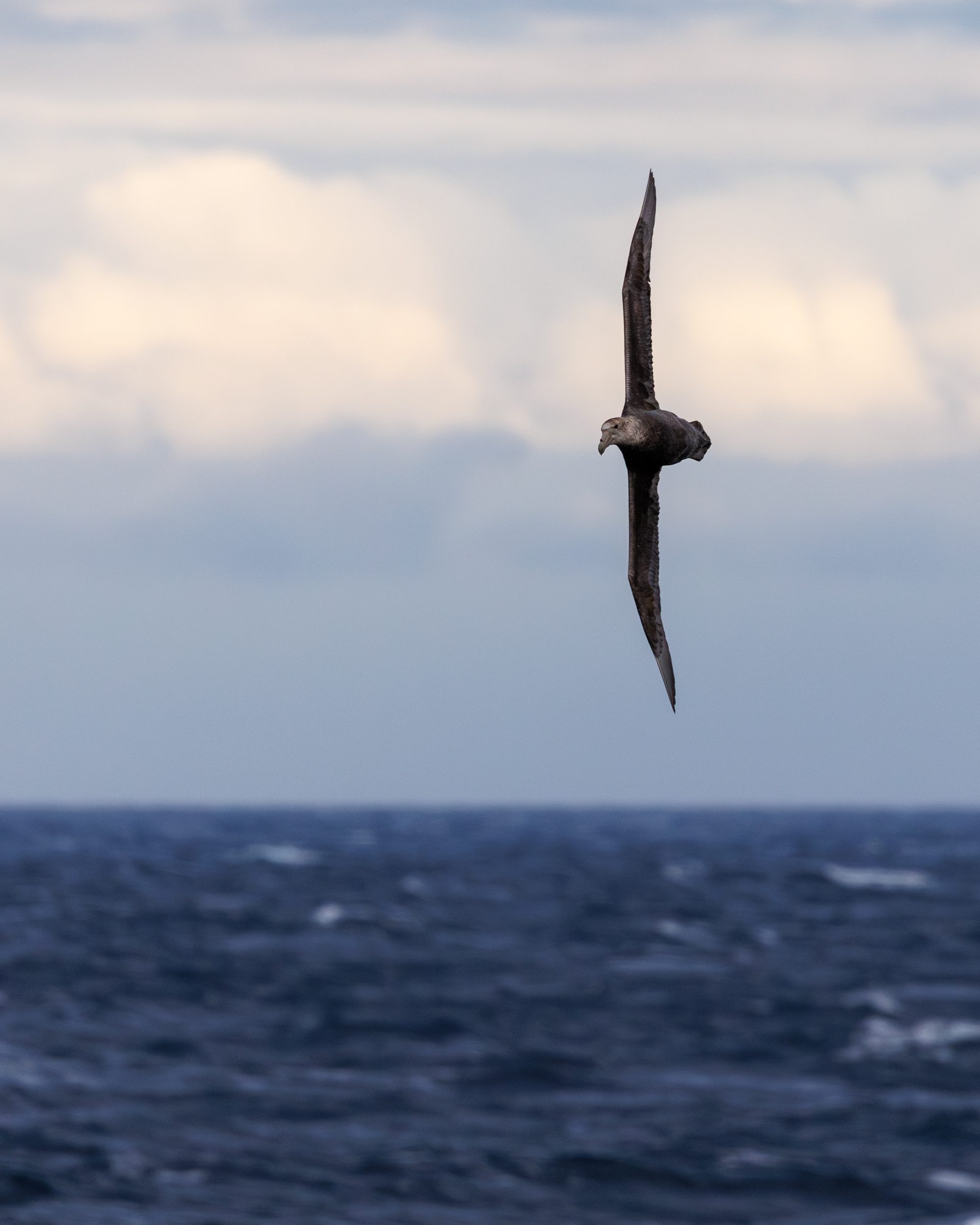
Even though you are on open ocean for most of the journey back to Argentina, there is a lot of birdlife around the ship.
Join Us In 2028 – The Antarctic Peninsula & South Georgia
We are going back to Antarctica in 2028 with a twist: we are extending the photo expedition to include South Georgia!
Join Nigel Danson, James Popsys, Mads Peter Iversen and myself on a once in a lifetime photography expedition to Antarctica & South Georgia. This epic photography expedition follows in the footsteps of Shackleton’s legendary Endurance voyage, offering a 20-day immersion into the raw wilderness of the Antarctic Peninsula, the Weddell Sea, Elephant Island, and South Georgia. Exploring the Southern Ocean, Antarctica, and the Subantarctic Islands feels like stepping inside a BBC nature documentary, especially as the southern summer draws to a close and the light softens into extraordinary pastels, wrapping icebergs, mountains, and wildlife in a glow found only in the world’s most remote polar regions. It really doesn’t get better than this!
Discover Jeroen’s Photo Workshops in Iceland, Greenland & Beyond
Ready to take your photography to the next level? Join me, Jeroen Van Nieuwenhove, on unforgettable photo workshops in Iceland, Greenland, Antarctica and other exciting destinations. Whether your passion is wildlife photography, bird photography, landscape adventures, or mastering drone photography, each workshop is designed to give you hands-on guidance in some of the world’s most spectacular locations.
From puffins in the midnight sun to Arctic foxes in the wild, from glaciers and volcanoes to dramatic coastlines seen by drone – these journeys are more than workshops; they’re once-in-a-lifetime experiences. Group sizes are kept small, ensuring personal mentoring and plenty of shooting opportunities.
Looking for something specific? Check out Jeroen’s…
- Wildlife & Bird Photography Workshops (Puffins, Arctic Foxes)
- Drone Photography Workshops
- Photo Workshops in Iceland
- Photo Workshops in Greenland
- Photo Workshops in Antarctica
Spots are limited – secure your place today!
Are You Looking For A Specific Photo Workshop?
All Upcoming Photography Workshops With Jeroen
Explore all upcoming photography workshops with Jeroen and take your skills to the next level in some of the world’s most extraordinary locations. From the volcanic landscapes of Iceland to the ice-filled fjords of Greenland and the wildlife-rich polar regions such as Antarctica, each workshop is designed to help you grow creatively while experiencing unforgettable moments in the field. Browse all upcoming departures below and find your next adventure!
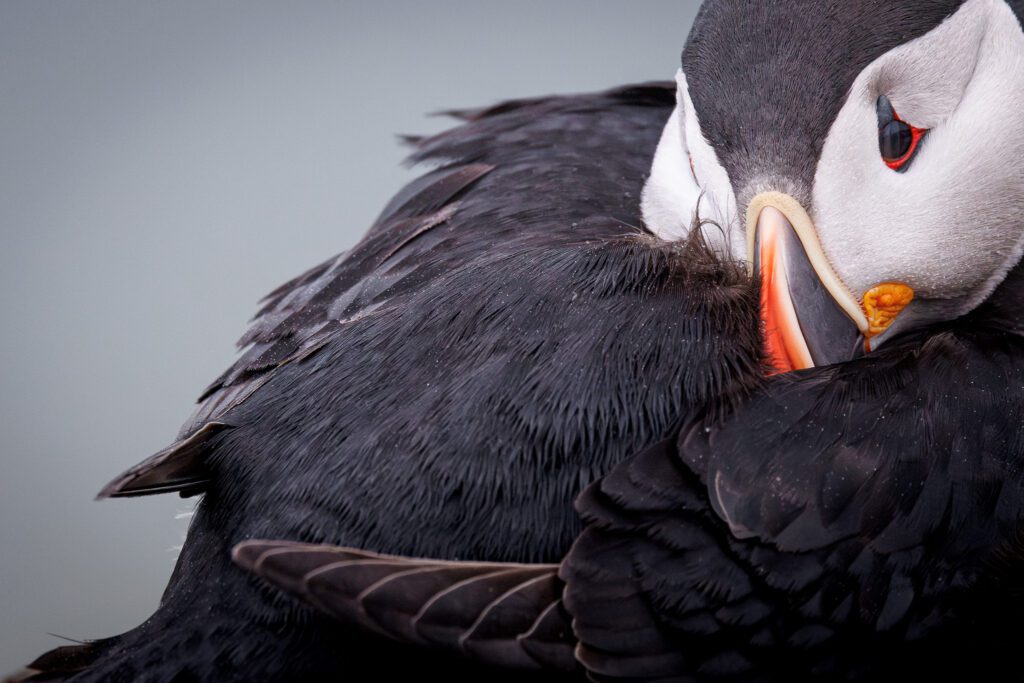
Puffins in the Midnight Sun 2026 Photo Workshop
LAST SPOT
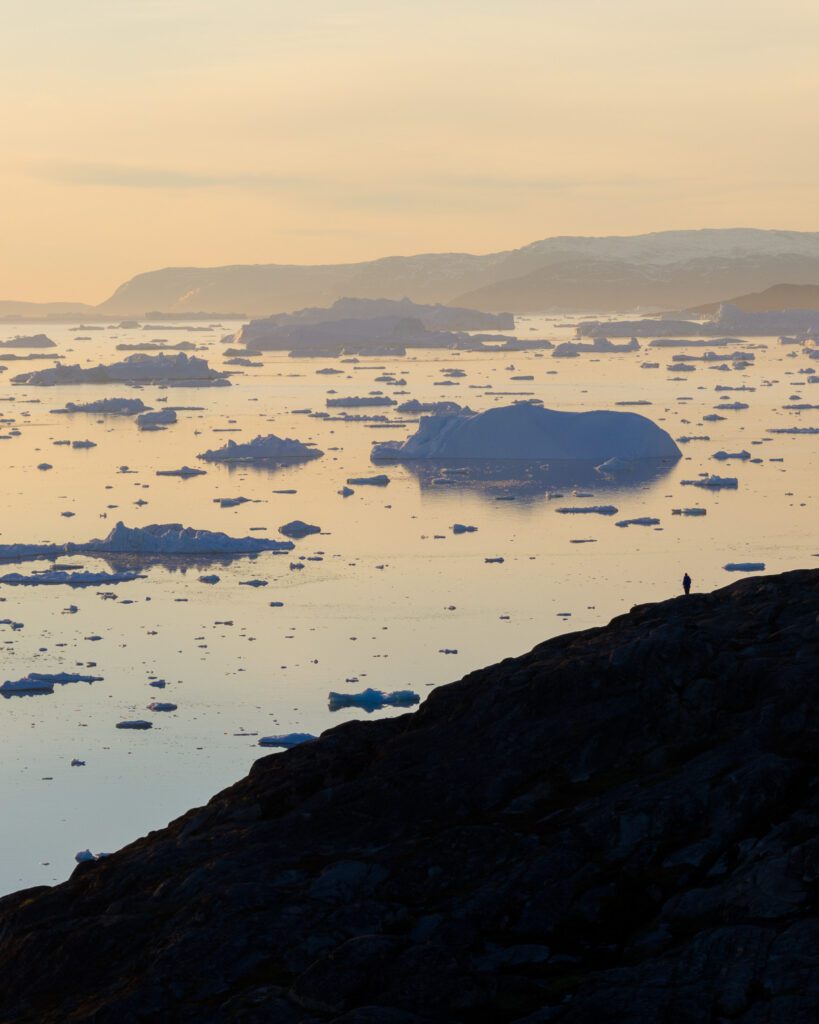
West Greenland 2026 Photo Workshop
SOLD OUT
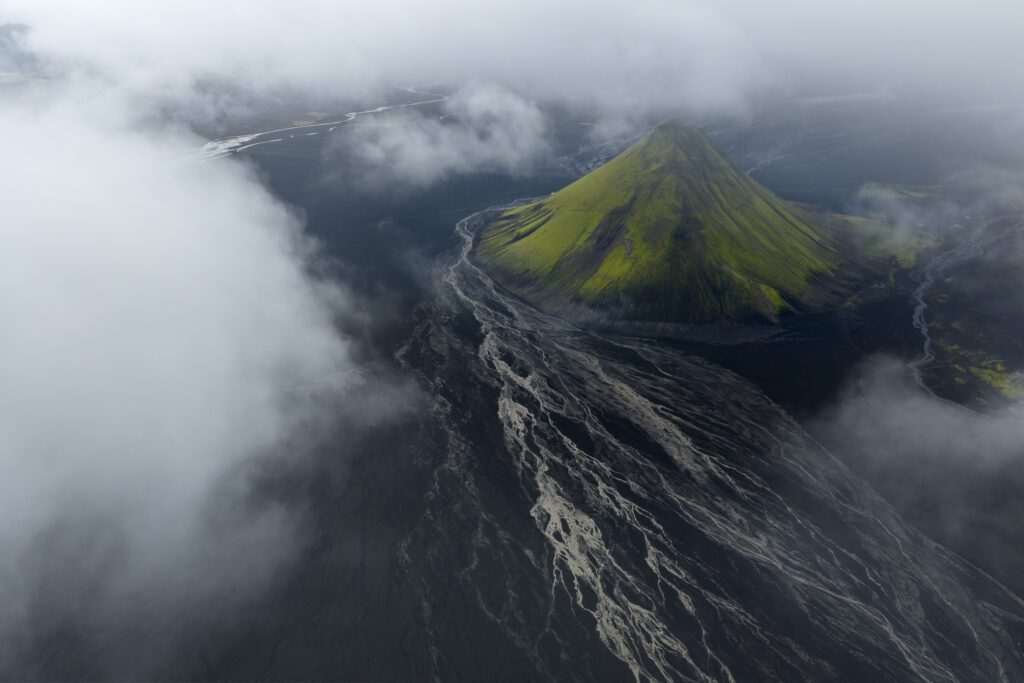
Aerials of the Icelandic Highlands 2026 (08-15 July)
SOLD OUT
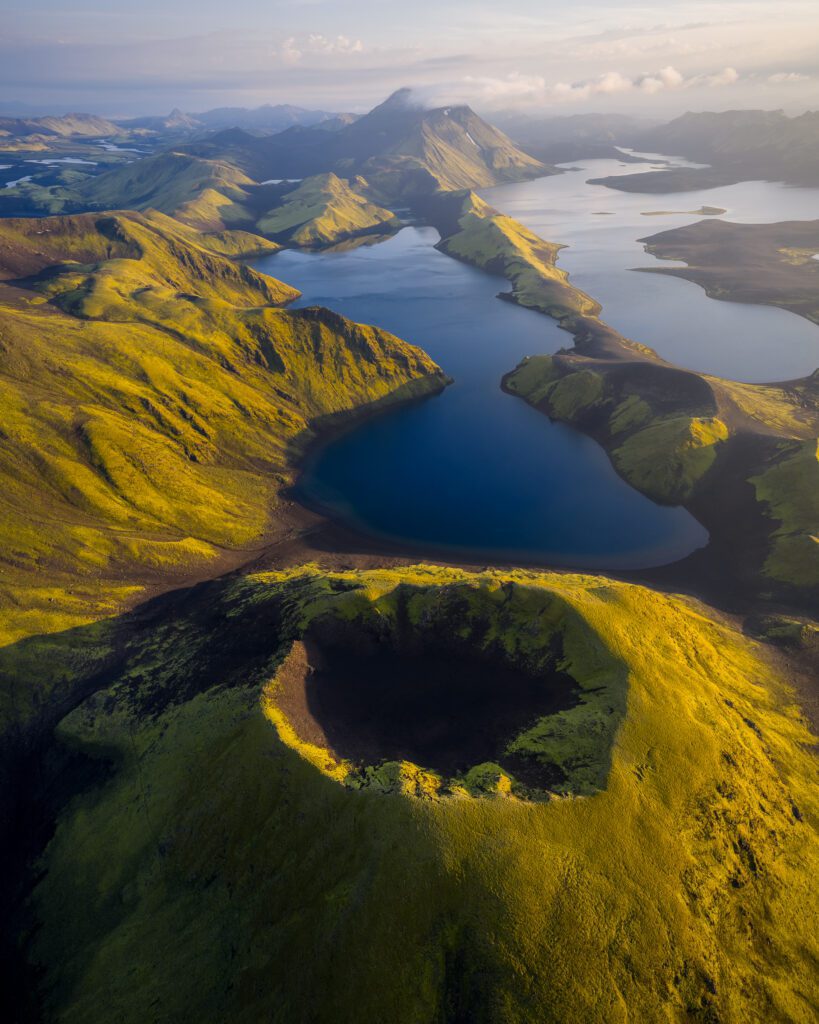
Aerials of the Icelandic Highlands 2026 (01-08 August)
SOLD OUT
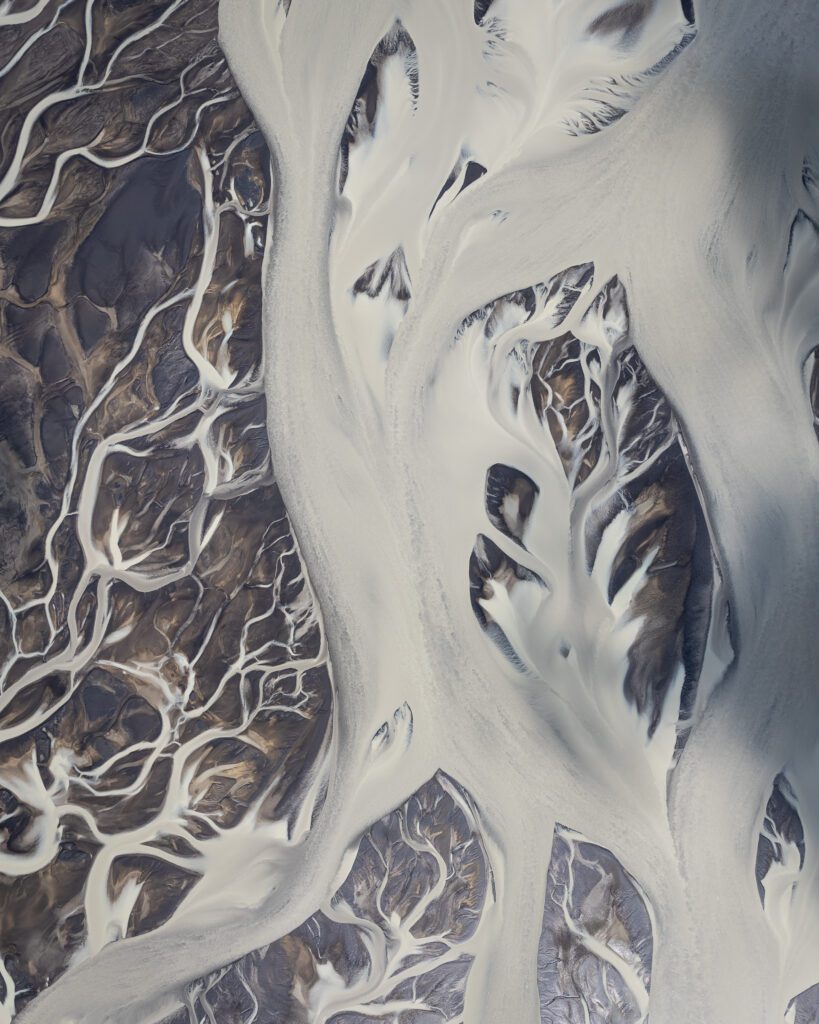
Aerials of the Icelandic Highlands 2026 (13-20 August)
SOLD OUT
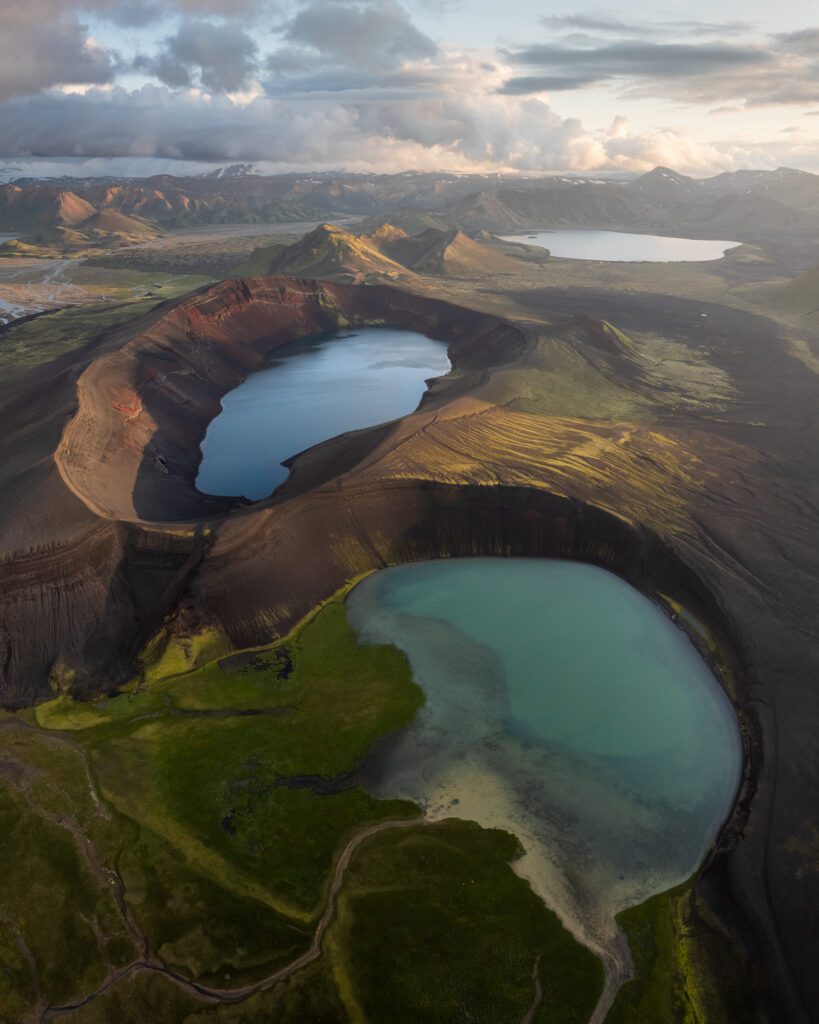
Aerials of the Icelandic Highlands 2026 (22-29 August)
SOLD OUT
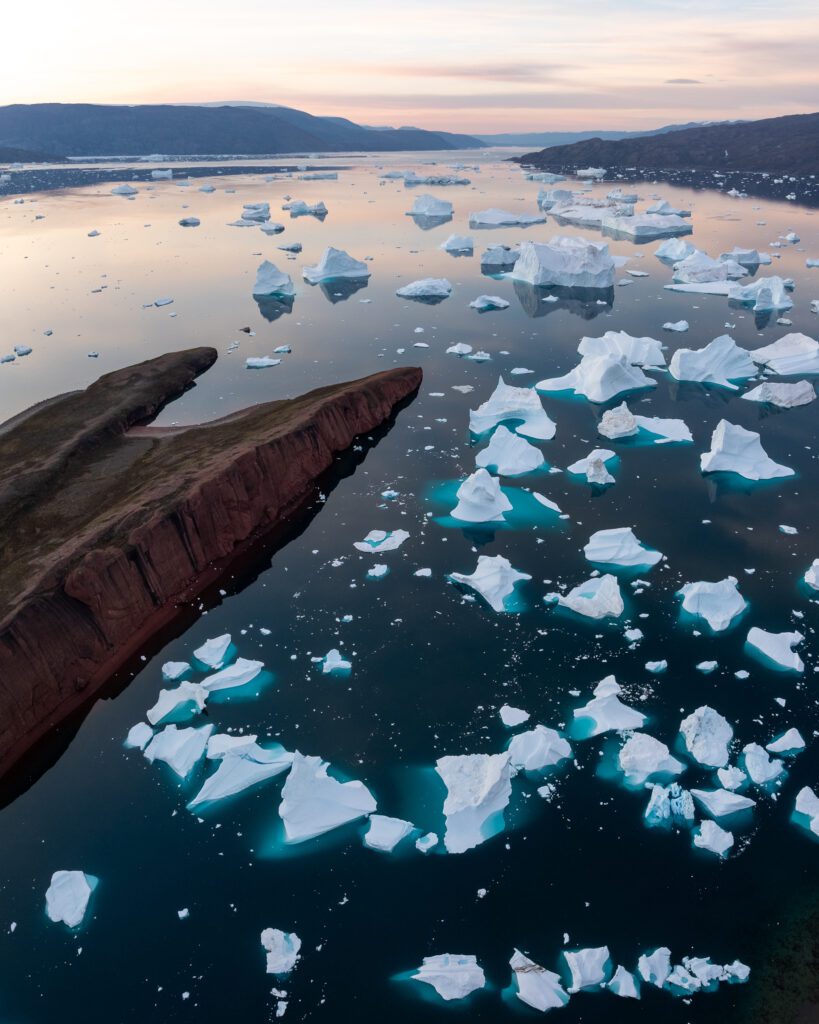
East Greenland Photo Expedition 2026
SOLD OUT
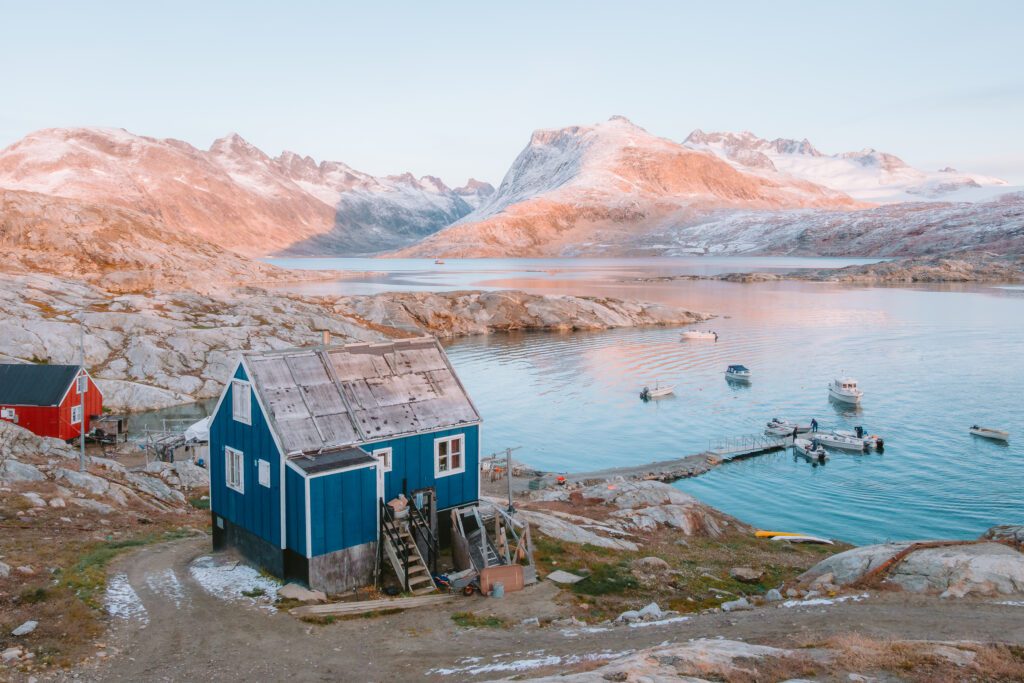
East Greenland With James Popsys 2026
SOLD OUT
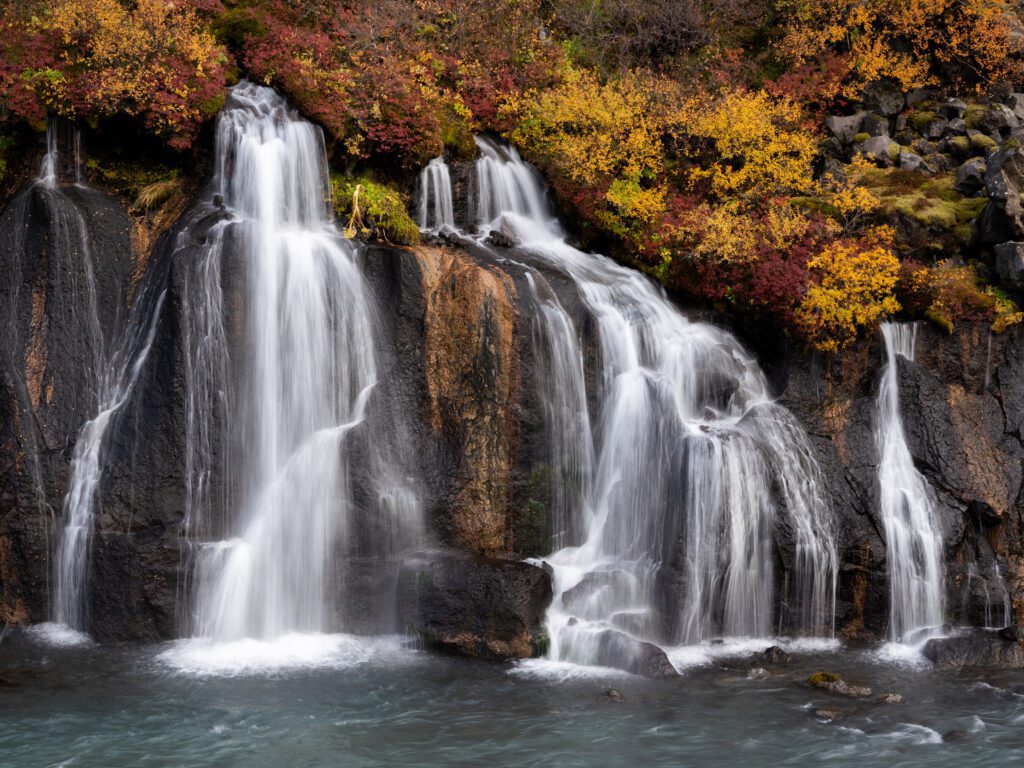
Autumn in West/North Iceland 2026 (with Mads)
SOLD OUT
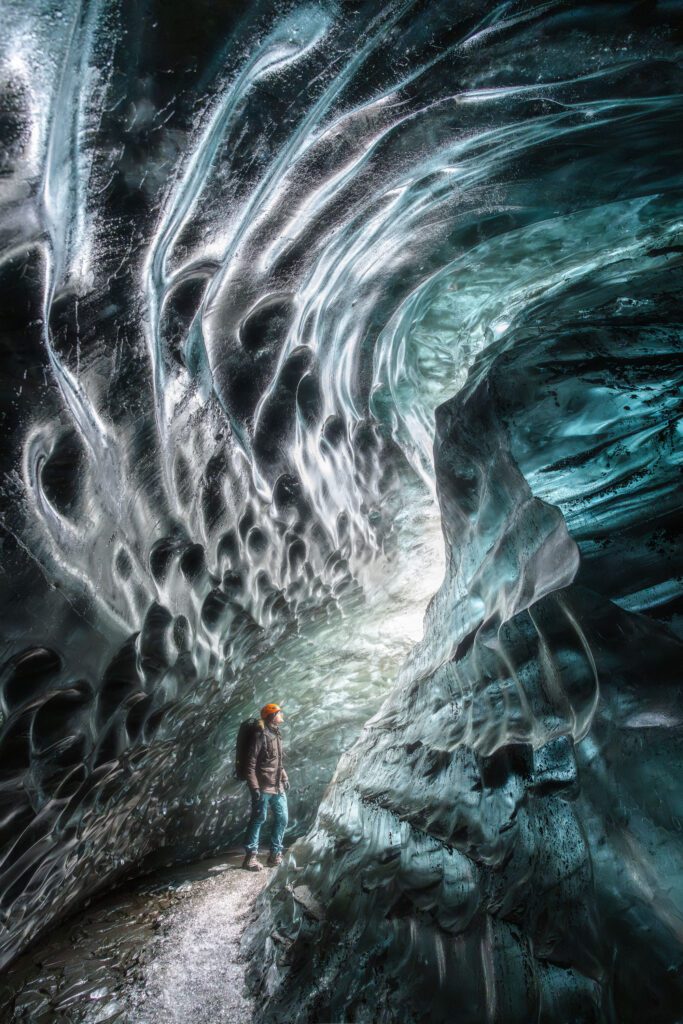
Iceland in Winter 2026 Photo Workshop (with Mads Peter Iversen)
SOLD OUT
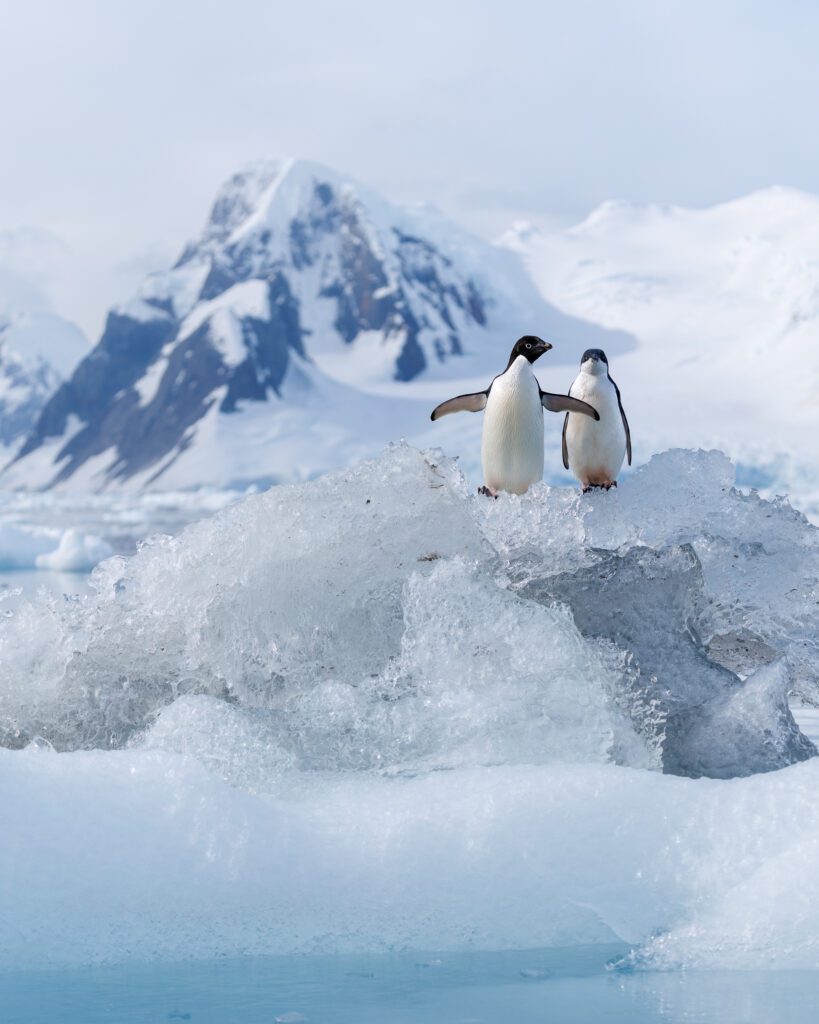
Antarctica & South Georgia Photo Expedition 2028
OPEN FOR BOOKINGS
Choosing the right photography workshop is about more than just visiting iconic locations. It’s about experience, safety, timing, and personal guidance. Below you’ll find honest reviews from photographers who have joined me on landscape, wildlife & drone photo workshops in Iceland, Greenland and other locations. These testimonials reflect real experiences in small groups, hands-on instruction in challenging conditions, and the level of care Jeroen aims to bring to every workshop.
These reviews are verifiable on Jeroen’s public Google Business profile.


Support Jeroen’s Work
As an independent photographer, Jeroen partially relies on your support to keep producing worthwhile content such as blogs, photographs, books and much more. If you want to support his work, it is possible to do so by buying his e-books & books or prints.
You can also sign up to the newsletter to stay up to date on new blog posts, projects, workshops and other interesting information.
Thank you for considering!